• Category

    Wedding Gowns

    Category

    Finding your wedding dress is one of the most exciting parts of wedding planning – but before you fall in love with lace details, necklines or embellishments, there’s one thing you need to understand first: silhouette.

    A dress silhouette is the overall shape of a gown, and it can dramatically influence how a dress looks, feels and photographs. While some styles have remained bridal favourites for decades, modern designers are reinventing classic silhouettes to suit today’s brides, offering everything from minimalist elegance to full-on fairytale glamour.

    If you’ve ever wondered what the difference is between an A-line and a ball gown, or whether a fit-and-flare is the same as a mermaid dress, here’s your complete guide to the most popular wedding dress styles.

    A-Line

    Often considered the most universally flattering silhouette, the A-line gently skims the body before flaring out from the waist to create the shape of the letter “A”.

    Why brides love it:

    • Comfortable and easy to move in
    • Flatters most body shapes
    • Works across formal, garden and beach weddings
    • Timeless and elegant

    Trending now: Clean satin A-line gowns with architectural draping and pockets are having a major moment.

    Ball Gown

    The ultimate princess silhouette, a ball gown features a fitted bodice and a dramatically full skirt.

    Why brides love it:

    • Creates a striking bridal statement
    • Emphasises the waist
    • Ideal for formal venues and cathedral ceremonies

    Trending now: Modern ball gowns are ditching heavy embellishments in favour of sleek fabrics, detachable overskirts and minimalist styling.

    Mermaid

    The mermaid silhouette hugs the body closely through the bust, waist and hips before flaring dramatically at or below the knee.

    Why brides love it:

    • Highlights curves
    • Creates a glamorous, red-carpet feel
    • Delivers maximum impact in photographs

    Best for brides who want a bold, fashion-forward look.

    Fit-and-Flare

    Often confused with mermaid dresses, fit-and-flare gowns begin widening slightly higher on the leg, creating a softer, more wearable shape.

    Why brides love it:

    • Offers structure without feeling restrictive
    • Creates a balanced silhouette
    • Easier to move in than a traditional mermaid gown

    Trending now: Crepe fit-and-flare dresses with statement backs and long sleeves.

    Trumpet

    Sitting somewhere between a fit-and-flare and a mermaid gown, the trumpet silhouette follows the body’s curves before flaring around mid-thigh.

    Why brides love it:

    • Elegant and dramatic
    • Comfortable enough for dancing
    • Enhances natural curves without feeling overly fitted

    Sheath

    Also known as a column dress, the sheath silhouette falls straight from the shoulders to the hem with minimal flare.

    Why brides love it:

    • Lightweight and effortless
    • Perfect for destination weddings
    • Creates a chic, contemporary look

    Trending now: Minimalist sheath gowns inspired by quiet luxury and old-money aesthetics.

    Column

    While often grouped with sheath dresses, column gowns tend to have more structure and cleaner lines.

    Why brides love it:

    • Modern and sophisticated
    • Ideal for city weddings
    • Pairs beautifully with statement accessories

    Designers continue to embrace this silhouette as bridal fashion moves toward understated elegance.

    Empire Waist

    An empire-waist gown features a raised waistline that sits just below the bust, with fabric flowing freely underneath.

    Why brides love it:

    • Soft and romantic
    • Comfortable to wear
    • Creates an ethereal look

    Perfect for boho, garden and destination weddings.

    Basque Waist Gown

    One of bridal fashion’s biggest revivals, the basque waist features a V-shaped waistline that dips below the natural waist.

    Why brides love it:

    • Creates a corseted appearance
    • Elongates the torso
    • Offers vintage-inspired romance

    Trending now: Basque-waist gowns have become a favourite among fashion-conscious brides thanks to their regal, editorial feel.

    Tea-Length

    Tea-length dresses fall between the knee and ankle, offering a playful alternative to traditional floor-length gowns.

    Why brides love it:

    • Ideal for civil ceremonies and second looks
    • Comfortable and practical
    • Showcases statement shoes

    Vintage-inspired tea-length gowns are becoming increasingly popular among brides embracing retro aesthetics.

    High-Low

    The high-low silhouette features a shorter front hem and longer back hem.

    Why brides love it:

    • Fun and modern
    • Easy movement
    • Perfect for outdoor celebrations

    This style is often chosen as a reception or after-party look.

    Slip Dress

    Inspired by 1990s fashion, slip dresses feature a simple, body-skimming silhouette with minimal detailing.

    Why brides love it:

    • Effortlessly chic
    • Lightweight and comfortable
    • Timeless yet contemporary

    The rise of minimalist bridal fashion has cemented the slip dress as a modern classic.

    Mini Wedding Dresses

    Not every bride dreams of a floor-sweeping gown. Bridal minis have become one of the fastest-growing trends in wedding fashion.

    Why brides love it:

    • Fashion-forward appeal
    • Ideal for courthouse weddings and receptions
    • Allows greater freedom of movement

    Many brides are now pairing a mini dress with a detachable overskirt for the best of both worlds.

    Which Silhouette Is Right for You?

    While body shape can help guide your search, the best wedding dress silhouette is ultimately the one that makes you feel confident, comfortable and unmistakably yourself.

    Don’t be afraid to try styles outside your comfort zone. Many brides walk into a boutique convinced they want a mermaid gown, only to fall in love with an A-line dress – or vice versa.

    The perfect dress isn’t about following rules. It’s about finding the silhouette that makes you stand a little taller, smile a little wider and feel completely ready to walk down the aisle.

    ALSO SEE: Non-white wedding dresses are no longer a bridal taboo 

    Non-white wedding dresses are no longer a bridal taboo

    Featured image: cottonbro studio / Pexels

    Your wedding dress isn’t just another line item on your budget – it’s the emotional centrepiece of your entire wedding story. But in South Africa right now, brides are asking a very practical question alongside the emotional one: Do I buy it… or do I hire it?

    And the answer isn’t as simple as it used to be.

    With bridal fashion evolving, budgets shifting, and more flexible options available than ever before, the decision now sits somewhere between sentiment, strategy, and style.

    Here’s how to figure out what actually makes sense for you in 2026.

    What it really costs in South Africa right now

    Before you decide, you need clarity on pricing – because the gap between buying and hiring isn’t always as wide as people think.

    Recent South African bridal market insights show:

    • Buying a new wedding dress: ± R14,000 – R60,000+ depending on designer, fabric, and detail
    • Average boutique gowns: around R13,000 – R30,000
    • Pre-loved/sample dresses: from ± R6,500 – R15,000
    • Hiring a dress: typically around R14,000 – R22,000 (sometimes up to 75% of retail value)

    Here’s the truth most brides only realise later: hiring is not always the “cheap option” – it’s often just the “short-term option.”

    Buying your wedding dress: the emotional investment

    Buying a dress is about ownership – but also control.

    Why brides choose to buy:

    • Full freedom for custom alterations and fit
    • Ability to preserve it as a keepsake or heirloom
    • More styling options (especially for modern trends like detachable sleeves or second looks)
    • Ability to resell or rewear for future events

    In 2026, we’re also seeing a shift toward multi-use bridal gowns – dresses designed with removable elements so brides can transform their look from ceremony to reception without changing outfits entirely.

    The reality check:

    • Higher upfront cost
    • Alterations and cleaning add extra budget
    • Storage and preservation become your responsibility

    Buying makes sense when your dress is part of your identity – not just your outfit.

    Hiring your wedding dress: the practical luxury option

    Hiring has evolved a lot. It’s no longer “basic budget brides only” – it’s now a structured bridal service, often with designer gowns available.

    Why brides choose to hire:

    • Lower upfront commitment
    • Access to designer or luxury gowns at a fraction of retail price
    • No storage or preservation stress after the wedding
    • Cleaning often included

    But here’s what you need to know:

    • Alterations are usually limited
    • You’re restricted by availability and booking dates
    • Costs can still climb to 50–75% of retail price

    Hiring works best when you prioritise convenience over long-term ownership.

    The 2026 bridal shift: why this decision is changing

    Bridal fashion is no longer just about tradition it’s about identity.

    Across global and South African bridal trends, we’re seeing:

    • A rise in personalised, fashion-forward gowns
    • More brides choosing pre-loved and sustainable options
    • A move away from rigid “white only” tradition into soft tones and expressive silhouettes
    • Increased demand for versatile dresses that can transform during the day

    In other words: brides are no longer choosing between “buy or hire” in a vacuum they’re choosing how much permanence they want in a fashion moment that is increasingly expressive and fluid.

    So… how do you actually decide?

    Ask yourself these 4 questions:

    1. Do I want to keep my dress after the wedding?

    If yes → buying is your lane.

    1. Is my priority budget flexibility or long-term value?

    If short-term ease matters more → hiring works.

    1. Do I want full control over fit and design?

    If yes → buying wins by a mile.

    1. Will I regret not owning it?

    Be honest here – this is usually the deciding factor.

    Final thought

    There is no “correct” choice anymore only what aligns with your priorities, your budget, and the story you want your wedding to tell.

    Some brides want a dress they can keep forever. Others want a designer moment without long-term responsibility.

    Both are valid. What matters is choosing intentionally, not emotionally pressured or financially rushed.

    ALSO SEE: Transforming your mom’s wedding dress 

    Transforming your mom’s wedding dress

    Featured image: Rewan Ahmed / Pexels

    Somewhere between the champagne tower and the sparkler exit, the wedding reception outfit change became a thing. Not just for celebrities or luxury weddings either – suddenly brides everywhere are slipping into feather-trimmed minis, satin slips and crystal-covered party dresses halfway through the evening.

    And honestly? We get the appeal.

    After hours of posing, greeting guests and navigating stairs in a gown that weighs approximately the same as a small child, changing into something lighter sounds less like vanity and more like survival. But with weddings becoming increasingly curated for content, the second-look trend also raises a fair question: is this genuinely practical… or are we just adding another expensive “must-have” to an already overwhelming day?

    The answer sits somewhere in the middle.

    Why brides are loving the second-look trend

    Reception outfit changes are having a major moment because weddings themselves are becoming more personalised and less rigid. According to wedding trend experts, 2026 weddings are leaning heavily into intentionality and self-expression rather than tradition for tradition’s sake.

    That shift naturally extends to fashion.

    For some brides, the ceremony dress is about drama and romance – the cathedral veil, the structured corset, the train that glides beautifully down the aisle. The reception look, though, is where personality comes out. Think playful minis, sleek satin gowns, tailored bridal suits or even sneakers paired with sequins.

    And practically speaking? It makes sense.

    Many modern bridal gowns are stunning, but not necessarily designed for six hours of dancing, hugging relatives and sprinting across the venue because your MC disappeared before speeches. Brides online consistently mention comfort, mobility and wanting to actually enjoy the party as the biggest reasons they opted for a second outfit.

    There’s also the photography factor. Reception looks photograph differently – often more editorial, more relaxed and more fashion-forward. A structured ceremony gown creates timeless portraits, while a reception outfit captures movement and energy.

    Essentially, brides are treating their wedding like chapters instead of one long aesthetic.

    But here’s the part nobody really talks about

    A second outfit can quietly double the stress.

    Because now you’re sourcing two bridal looks. Two sets of alterations. Two pairs of shoes. Possibly two hairstyles depending on the vibe shift. And if timelines aren’t planned properly, outfit changes can actually pull you away from the very reception you spent months planning. There’s also the financial reality.

    Wedding fashion trends in 2026 are undeniably more fashion-focused, with brides increasingly investing in multiple “moments” throughout the day. But not every wedding budget has room for a second custom look that might only be worn for two hours.

    And truthfully? Sometimes the pressure to have a reception dress feels less about practicality and more about social media expectations.

    Not every wedding needs a dramatic reveal moment. In fact, one recent viral wedding clip sparked debate after a bride’s second-look entrance barely registered with guests who were busy eating and talking. Brutal? Slightly. But also, a reminder that guests care far more about the atmosphere than outfit logistics.

    The smarter alternative brides are choosing

    Interestingly, some brides are moving away from full outfit changes altogether and opting for transformable gowns instead. Think detachable overskirts, removable sleeves, dramatic capes or convertible trains.

    You still get the “two looks” effect without disappearing for 20 minutes midway through dinner.

    It also feels more aligned with where bridal fashion is heading overall: versatility over excess. Bridal trends for 2026 are less about performing luxury and more about making choices that genuinely improve the experience.

    And honestly, that’s probably the healthiest shift the wedding industry could make.

    So… worth it?

    If changing outfits will make you feel more comfortable, confident or free enough to fully enjoy your reception? Absolutely worth it.

    If you’re only considering it because TikTok convinced you every bride needs a sparkly mini dress reveal? Probably not.

    Your guests will remember the energy of your wedding long before they remember whether you wore one outfit or three. The best bridal styling decisions are usually the ones rooted in practicality, personality and feeling like yourself – not just recreating a Pinterest board in real life.

    Because at the end of the day, the real flex is actually enjoying your wedding. Not surviving it in shapewear and regret.

    ALSO SEE: Non-white wedding dresses are no longer a bridal taboo

    Non-white wedding dresses are no longer a bridal taboo

    Featured image: Aynura Berdyyeva / Pexels 

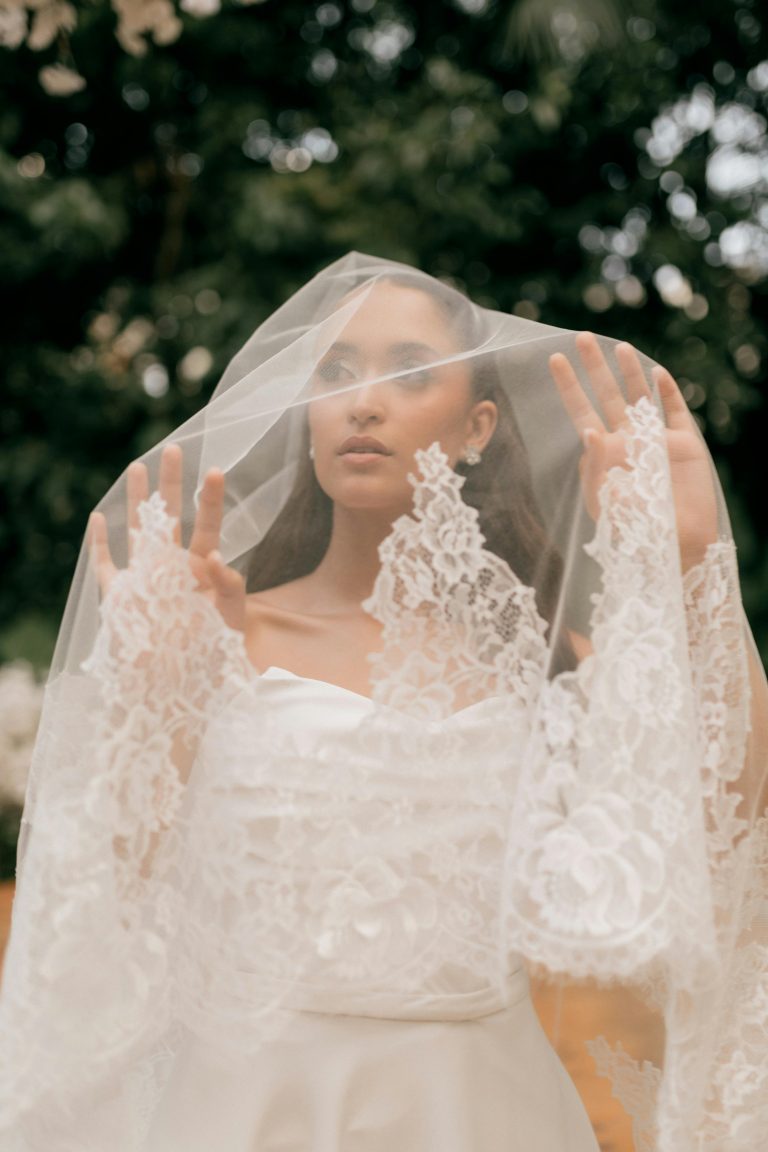
    For years, the wedding veil played supporting actress to the dress. In 2026? It’s officially the main character.

    Brides are no longer treating veils as a last-minute accessory tossed on during fittings “just to complete the look.” Instead, veils are becoming deeply personal style statements – dramatic, editorial, romantic and, in many cases, entirely custom. Across recent bridal fashion weeks, designers leaned heavily into expressive accessories, proving that bridal styling is moving towards individuality rather than tradition for tradition’s sake.

    From pearl embellishments to mantilla lace and ultra-minimalist tulles, here are the veil trends dominating 2026 weddings.

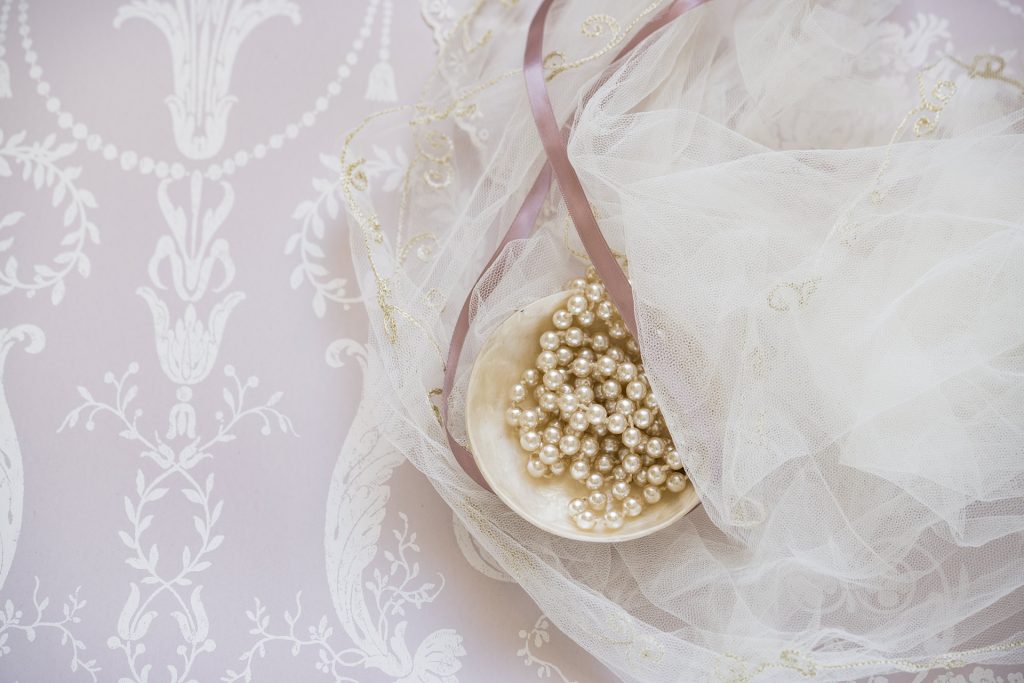
    Pearl veils are still having a major moment

    If there’s one trend refusing to leave the bridal chat, it’s pearls.

    But in 2026, pearl veils feel softer and more refined than the heavily embellished versions we saw a few years ago. Designers are favouring delicate scattered pearls across sheer tulle for a barely-there shimmer that catches beautifully in photographs and candlelight.

    The appeal? Versatility.

    Pearl veils pair effortlessly with minimalist satin gowns, but they also add texture to clean silhouettes without competing against intricate dresses. Brides are increasingly using the veil itself as the statement piece instead of relying on heavily embellished gowns.

    Cathedral veils are getting even more dramatic

    Cathedral veils remain one of the biggest bridal trends of the year, with extra-long lengths, pooling tulle and oversized silhouettes dominating bridal editorials and runway collections. What’s changed is how brides are styling them.

    Instead of pairing dramatic veils with equally dramatic gowns, many brides are choosing sleek crepe or mikado dresses and letting the veil create the impact. The contrast between clean tailoring and romantic movement feels modern, expensive and editorial.

    Honestly? This is one of the smartest styling shifts happening in bridal fashion right now. A simple gown with a breathtaking veil, photographs far more timelessly than an overly embellished dress-and-accessories combination fighting for attention.

    Lace-edged veils are making a comeback

    Lace never really disappears from bridal fashion, but 2026 is bringing back softer, more intentional lace detailing – especially on veils.

    We’re seeing:

    • Scalloped lace trims
    • Botanical embroidery
    • Delicate floral appliqué
    • Mantilla-inspired lace framing

    The overall aesthetic feels romantic and heirloom-inspired rather than overly traditional. Spanish-style mantilla veils in particular are quietly becoming one of the most fashion-forward bridal choices for 2026, especially for brides wanting a softer, old-world elegance.

    Minimalist veils are becoming more refined

    At the same time, minimalist brides are doubling down on simplicity. Raw-cut edges, ultra-fine illusion tulle and lightweight single-layer veils are everywhere right now.

    The goal is movement rather than volume. These veils float instead of drape, creating an effortless softness that works beautifully for modern city weddings, destination ceremonies and fashion-forward brides who want elegance without excess.

    Interestingly, bridal communities online are also steering brides with highly detailed gowns towards cleaner veils to avoid overwhelming the overall look.

    Vintage-inspired veils are rising again

    Bridal fashion’s current obsession with nostalgia is spilling into accessories too. Birdcage veils, Juliet caps and bandeau-inspired styles are all resurfacing for brides wanting something unconventional yet timeless.

    These styles are especially popular for:

    • Civil ceremonies
    • Reception outfit changes
    • Fashion-focused weddings
    • Intimate city celebrations

    The overall vibe feels less “traditional bride” and more editorial fashion moment – which fits perfectly with 2026’s broader bridal trend cycle focused on personality and individuality.

    Personalised veils are becoming non-negotiable

    Customisation might be the defining bridal trend of 2026 overall.

    More brides are adding:

    • Embroidered initials
    • Wedding dates
    • Meaningful phrases
    • Custom lace placements
    • Bespoke colours
    • Family-inspired details

    Celebrity weddings have also fuelled the rise of highly personalised veils, with dramatic embroidered storytelling becoming increasingly aspirational for brides wanting emotional significance woven into their look.

    Bows, soft structure and sculptural styling are trending

    2026 bridal fashion is leaning heavily into femininity again, and veils are following suit. Soft sculptural tulle, oversized bows and layered volume are increasingly appearing across bridal collections and runway styling.

    The result feels playful yet couture-inspired – especially when paired with sleek dresses or minimalist silhouettes.

    For brides wanting a fashion-forward bridal look without committing to a trend-heavy gown, this is an easy way to add personality while keeping the overall look timeless.

    The biggest bridal veil trend of 2026? Intention

    If bridal fashion in 2026 has made one thing clear, it’s this: veils are no longer an afterthought. Whether it’s a dramatic cathedral veil trailing behind a minimalist gown, delicate pearl embellishments catching the light, or a vintage-inspired birdcage moment for the fashion bride, veils have become one of the defining style elements of the modern bridal look.

    And perhaps that’s why they feel so exciting again.

    Brides are moving away from the pressure to look “traditionally bridal” and leaning into styling choices that feel personal, fashion-led and emotionally resonant instead. The veil is no longer just there to complete the outfit – it’s there to transform it.

    In 2026, the veil isn’t playing supporting actress anymore. It’s stealing the entire scene.

    ALSO SEE: Looking for the perfect wedding dress? Here are a few tips to find the one

    Looking for the perfect wedding dress? Here are a few tips to find ‘the one’

    Featured image: Alexander Mass / Pexels 

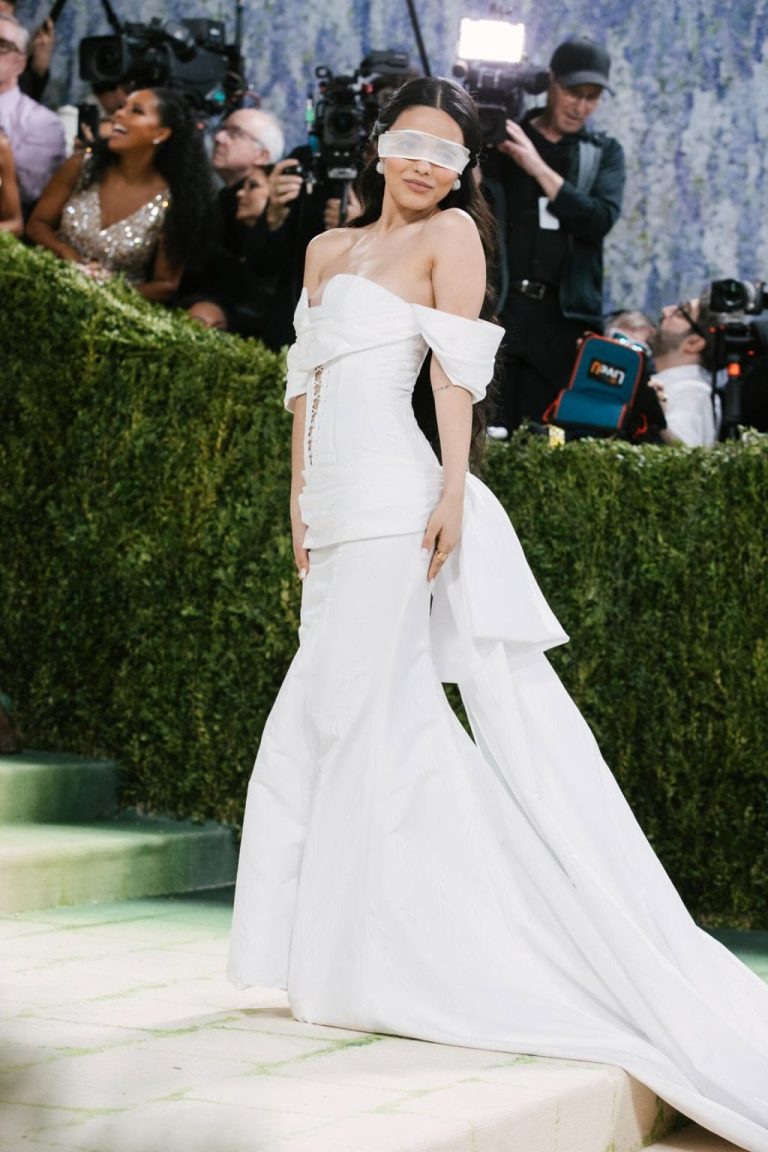
    The Met Gala may be fashion’s biggest night out, but this year’s carpet felt surprisingly bridal — and honestly, we’re not mad about it. Between sculpted corsetry, dramatic trains, fluid ivory fabrics and embellished minis, several celebrity looks could easily inspire an entire wedding wardrobe.

    And while not every bride is planning to walk down the aisle in couture-level theatrics, the 2026 Met Gala did confirm one thing: bridal fashion is moving into a far more expressive, fashion-forward era. Think less “traditional template” and more personality, styling and statement moments.

    From soft glamour to dramatic accessories, here are the bridal trends we spotted all over this year’s Met Gala carpet- and exactly how brides can translate them into their own wedding style.

    Corsetry is back — softer and more romantic

    One of the strongest bridal trends to emerge from this year’s Met Gala was the return of romantic corsetry – and Kendall Jenner delivered one of the most bridal-inspired interpretations of it. Her Zac Posen-designed GapStudio gown featured elegant draping inspired by the Winged Victory of Samothrace sculpture, creating a silhouette that felt sculptural yet fluid.

    The look leaned into exactly what modern brides are gravitating toward right now: structured bodices, defined waists and softer movement rather than stiff traditional ballgowns. The subtle draping and elongated silhouette made the entire look timeless without losing its fashion edge.

    We also saw the continued rise of the basque waist – a dropped-waist silhouette that instantly adds shape and drama while still feeling romantic and wearable. For brides wanting structure without sacrificing softness, this trend feels like the perfect middle ground.


    View this post on Instagram


    A post shared by Met Gala 2026 (@metgalaofficial_)

    The reception dress is no longer an afterthought

    The second-look era is still thriving, and Alex Consani proved exactly why. Her dramatic Demna-designed cape look delivered the kind of theatrical reveal moment that modern brides are increasingly building into their wedding wardrobes.

    While the cape itself leaned dramatic; the concept behind it translates beautifully into bridal styling, particularly for brides planning an outfit change between ceremony and reception. The idea of unveiling a sleeker second look underneath feels very fashion-forward bridal right now.

    Across the carpet, embellished minis, satin tailoring and playful textures reinforced the idea that bridal fashion no longer revolves around a single dress. Brides are increasingly curating entire wedding wardrobes around different moments, from the aisle to the dance floor and after-party.

    And honestly? It makes perfect sense. A dramatic ceremony look paired with a shorter reception dress feels modern, practical and undeniably chic.

    Soft glamour is replacing traditional bridal drama

    This year’s carpet leaned into a softer kind of glamour, and Gigi Hadid embodied the trend beautifully in custom Miu Miu. Her look combines sheer layering with fluid movement, creating impact without relying on excessive embellishment or volume.

    Instead of oversized princess silhouettes, many celebrities embraced liquid-like fabrics, elegant draping and softer textures that felt romantic rather than overpowering. Long trains, sheer layering and delicate movement created that perfect balance between glamour and wearability – which is exactly where modern bridal fashion seems to be heading.

    For brides, it’s proof that statement dressing doesn’t always have to mean maximalism. Sometimes softness creates the strongest impact.


    View this post on Instagram


    A post shared by Met Gala 2026 (@metgalaofficial_)

    Bridal accessories are getting the fashion-girl treatment

    The 2026 Met Gala also reminded us that styling can completely transform a bridal look – something Karlie Kloss showcased effortlessly. Her Dior couture look paired a clean silhouette with romantic floral styling in the hair, instantly making the overall look feel editorial and bridal inspired.

    Across the carpet, opera gloves, dramatic capes, layered jewellery and sculptural styling details elevated even the simplest gowns. It’s a styling approach that feels particularly relevant for modern brides wanting to personalise minimalist dresses without overwhelming the overall aesthetic.

    The takeaway? Bridal fashion is becoming increasingly accessory-driven. A simple gown paired with the right styling suddenly feels high-fashion, intentional, and entirely unique.


    View this post on Instagram


    A post shared by Met Gala 2026 (@metgalaofficial_)

    Bridal style is becoming more personal

    Possibly the biggest bridal takeaway from this year’s Met Gala is that fashion is becoming far more individual, and weddings are following suit. Celebrities embraced personal interpretation over rigid dress codes, leaning into silhouettes and styling choices that felt expressive rather than expected.

    One of the clearest examples was Naomi Osaka, whose dramatic Robert Wun coat dress blended a sweeping structure with bold detailing in a way that felt deeply personal and visually striking.


    View this post on Instagram


    A post shared by Met Gala 2026 (@metgalaofficial_)

    That same shift is happening across bridal fashion. Today’s brides are no longer simply choosing a dress- they’re curating an entire aesthetic.  The 2026 Met Gala made that evolution impossible to ignore. From sculpted corsetry and dramatic accessories to fluid silhouettes and fashion-forward second looks, this year’s carpet proved that bridal inspiration could extend far beyond traditional wedding runways. 

    More than anything, it reinforced the idea that modern bridal fashion is about individuality – choosing pieces, styling details and silhouettes that feel authentic to you. 

    SEE MORE: Wedding-worthy fashion from the Golden Globes 2026

    Wedding-worthy fashion from the Golden Globes 2026

    Featured Image: Pinterest. 

    For brides tying the knot in the colder months, long-sleeved wedding dresses and chic cover-ups offer the perfect balance between style and practicality. Think sheer lace sleeves, dreamy capes and cosy knits… Pieces that not only keep you warm but add depth and drama to your overall look.

    If a strapless gown isn’t quite your vision, consider this your cue to embrace something a little more seasonally inspired. These cold-weather options prove that covering up can be just as striking – if not more so.


    View this post on Instagram


    A post shared by Desert Rose Bride (@desertrosebride)


    View this post on Instagram


    A post shared by Desert Rose Bride (@desertrosebride)


    View this post on Instagram


    A post shared by AlenaLeenaBridal (@alenaleenabridal)


    View this post on Instagram


    A post shared by Jenny Yoo (@jennyyoonyc)


    View this post on Instagram


    A post shared by Justin Alexander (@justinalexander)


    View this post on Instagram


    A post shared by Nina Bridal (@ninashoesbridal)

    ALSO SEE: High-neck wedding dresses we love 

    High-neck wedding dresses we love

    Feature image: Alexander Mass/Pexels

    From Grace Kelly to Audrey Hepburn, high-neck wedding dresses have been a celebrity favourite for decades.

    This style is classic and demure yet packs a punch. It also lends itself to a Victorian-inspired look. For brides wanting a more modest look on their big day, a high-neck gown offers coverage without compromising on style.

    Here are a few ways to pull off this trend:


    View this post on Instagram


    A post shared by Dimitra Designs (@dimitradesigns)


    View this post on Instagram


    A post shared by Moonlight Bridal (@moonlightbridal)


    View this post on Instagram


    A post shared by SoL and GRAVITE (@solandgravite)


    View this post on Instagram


    A post shared by HELLO! Magazine (@hellomag)


    View this post on Instagram


    A post shared by KATY CORSO ™ (@katycorso_official)

    Feature image: Unsplash