• Category

    Planning

    Category

    An autumn wedding comes with a built-in sense of atmosphere with the help of softer light, richer textures and a natural depth of colour that does a lot of the work for you.

    Here are 20 autumn wedding colours that we love:

    1. Forest green

    Forest green is a strong foundational colour for autumn weddings, especially in outdoor or garden settings. It pairs well with natural materials like wood and linen, and works seamlessly alongside gold accents or softer neutrals to create balance.
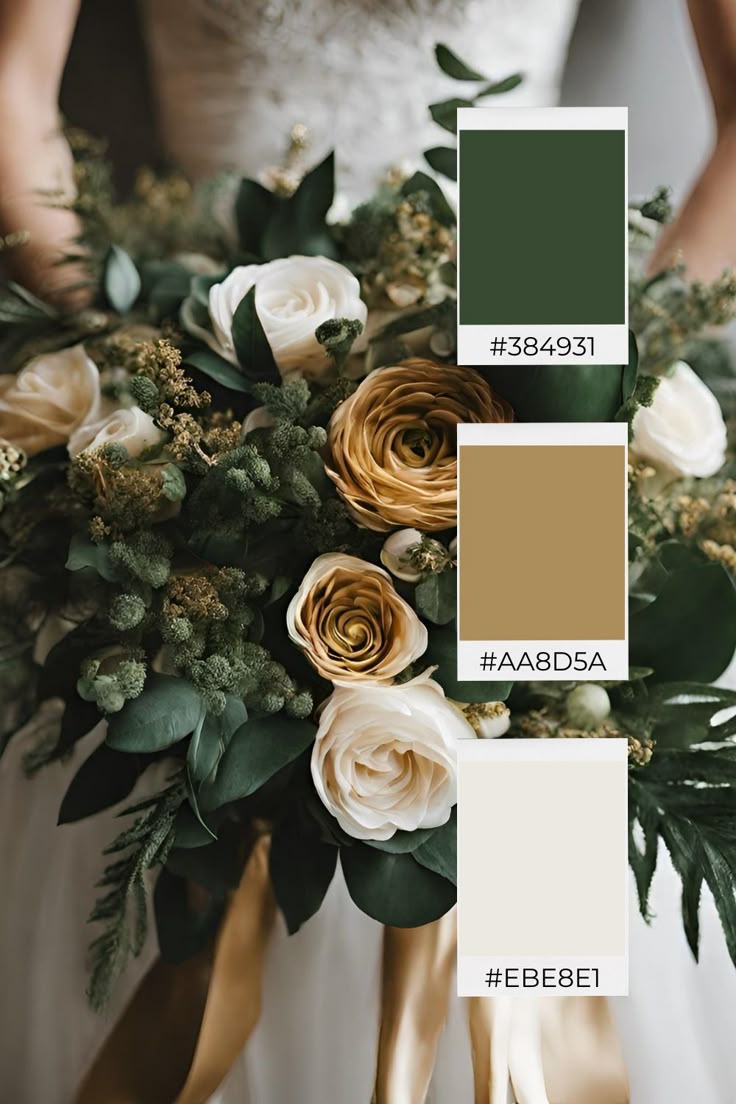
    Photo: Pinterest

    2. Burgundy

    Burgundy remains one of the most reliable autumn tones, thanks to its depth and versatility. It translates well across florals, table linens and bridal party attire, and can be paired with lighter shades like blush or peach to soften its intensity.
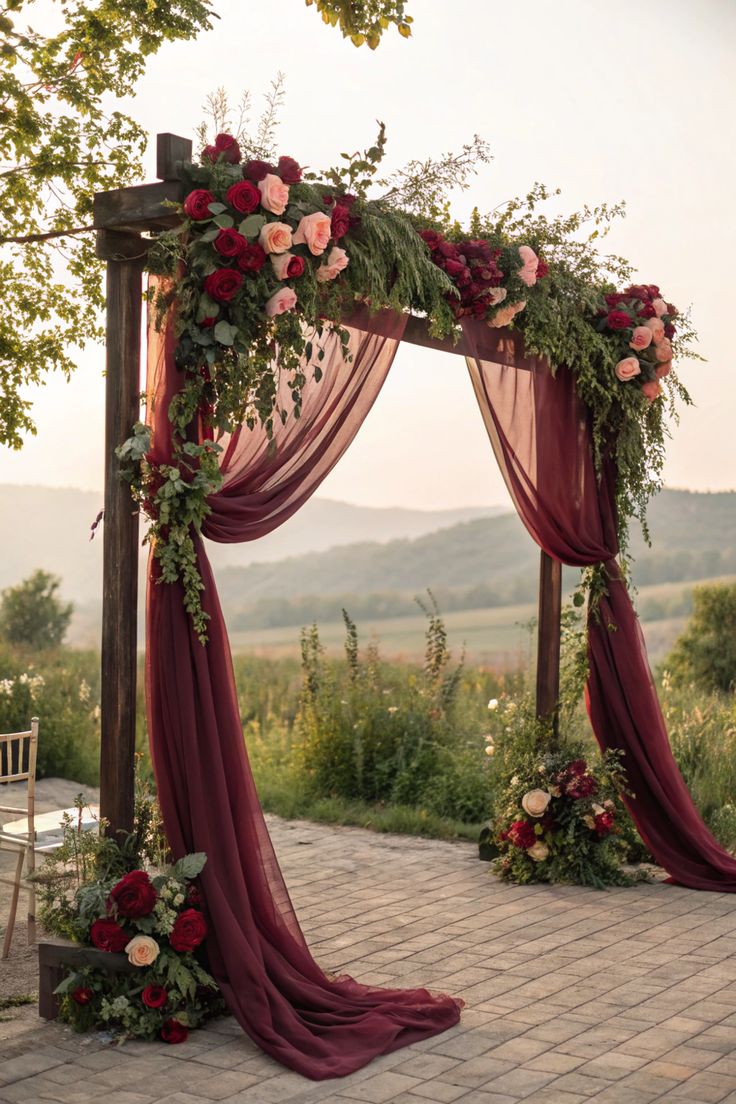
    Photo: Pinterest

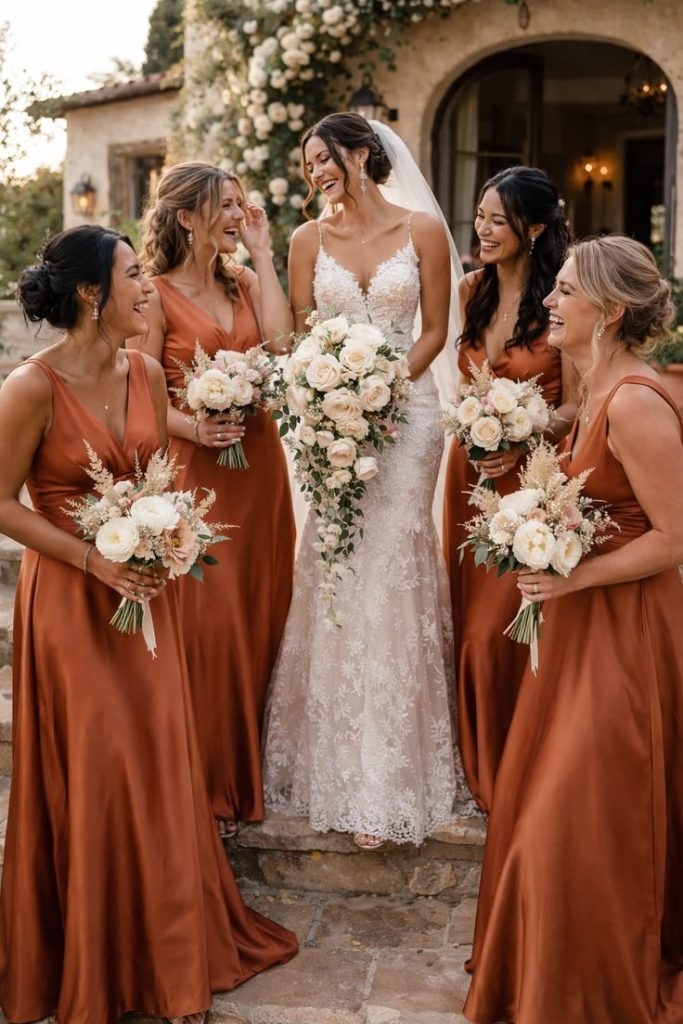
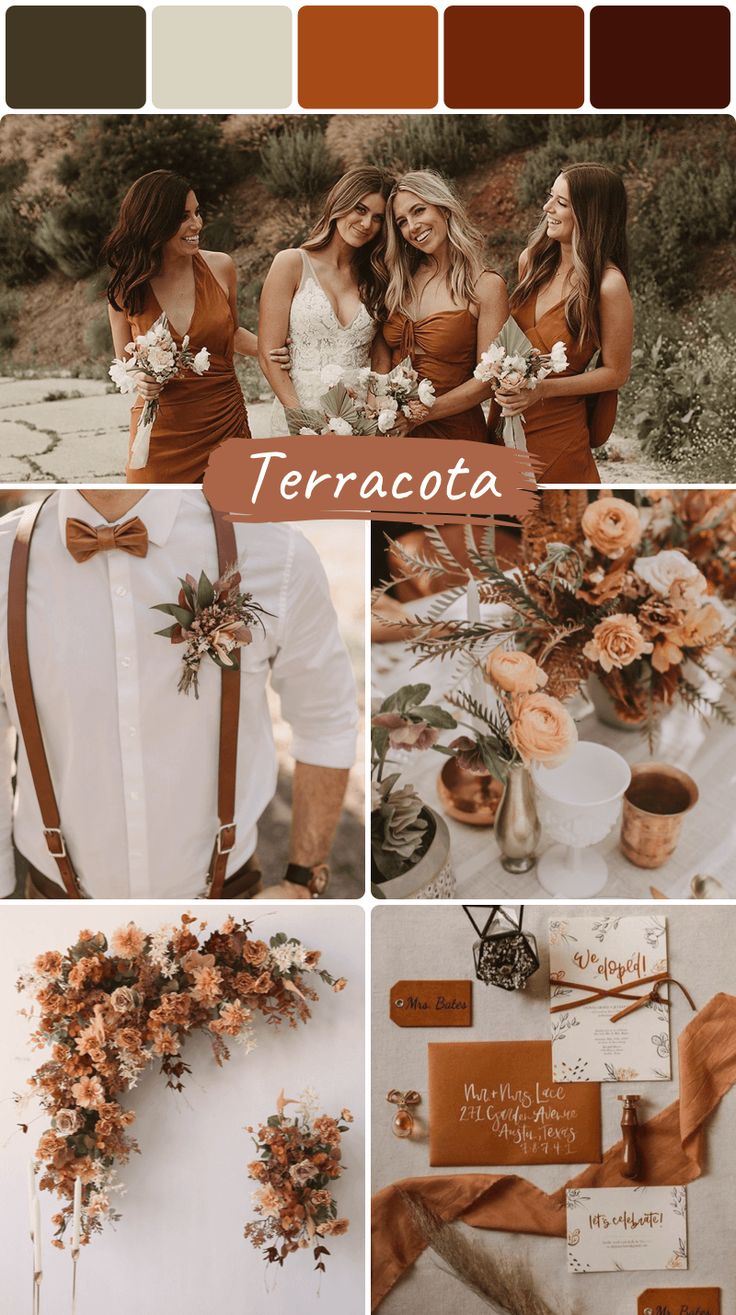
    3. Terracotta

    Terracotta introduces warmth without feeling overly bold. It works particularly well in relaxed or bohemian settings, especially when combined with textured elements like ceramics, rattan and dried florals.
    wedding colour
    Photo: Pinterest

    4. Rust

    Rust sits between orange and brown, making it a more muted way to bring warmth into your palette. It’s especially effective in fabrics — from bridesmaid dresses to napkins — and complements both neutrals and deeper tones.
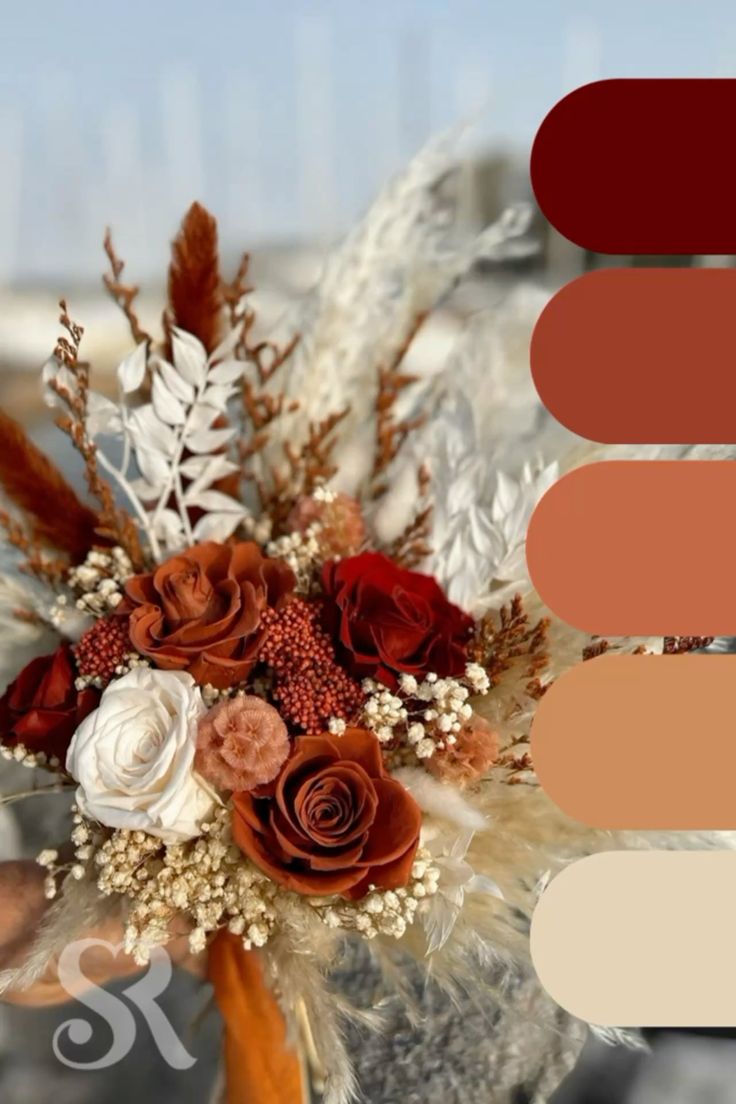
    Photo: Pinterest

    5. Amber

    Amber brings a soft, golden warmth that enhances the overall atmosphere rather than dominating it. It works best through details like glassware, candles or subtle décor accents.
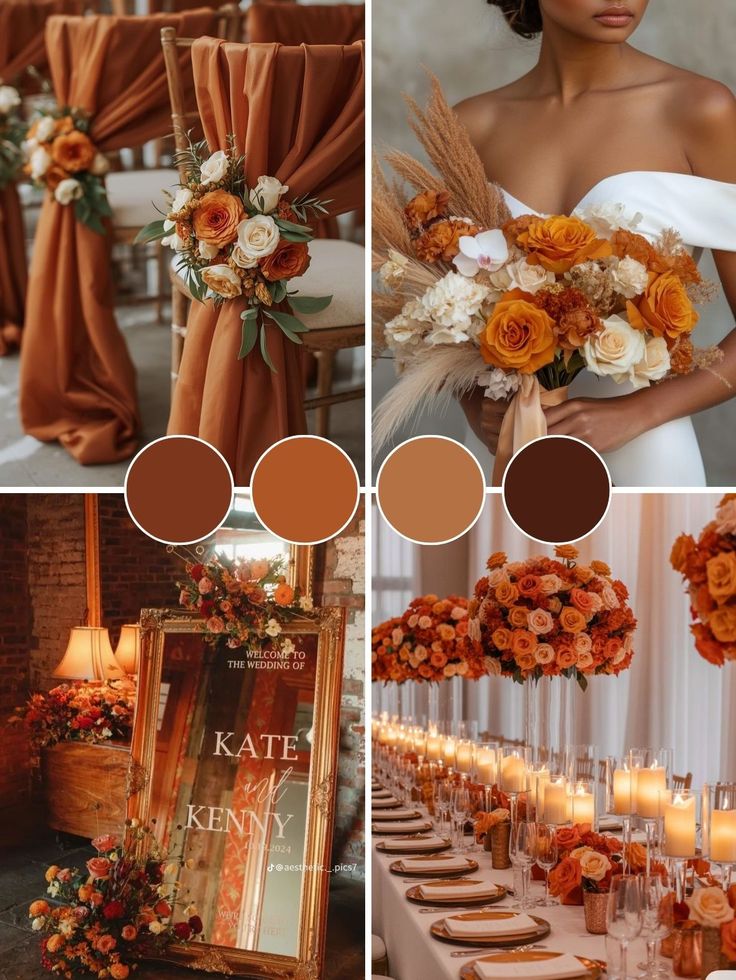
    Photo: Pinterest

    6. Navy

    Navy provides contrast and structure within an autumn palette. It anchors warmer tones like rust, marigold or burgundy, and works particularly well in more formal or evening settings.
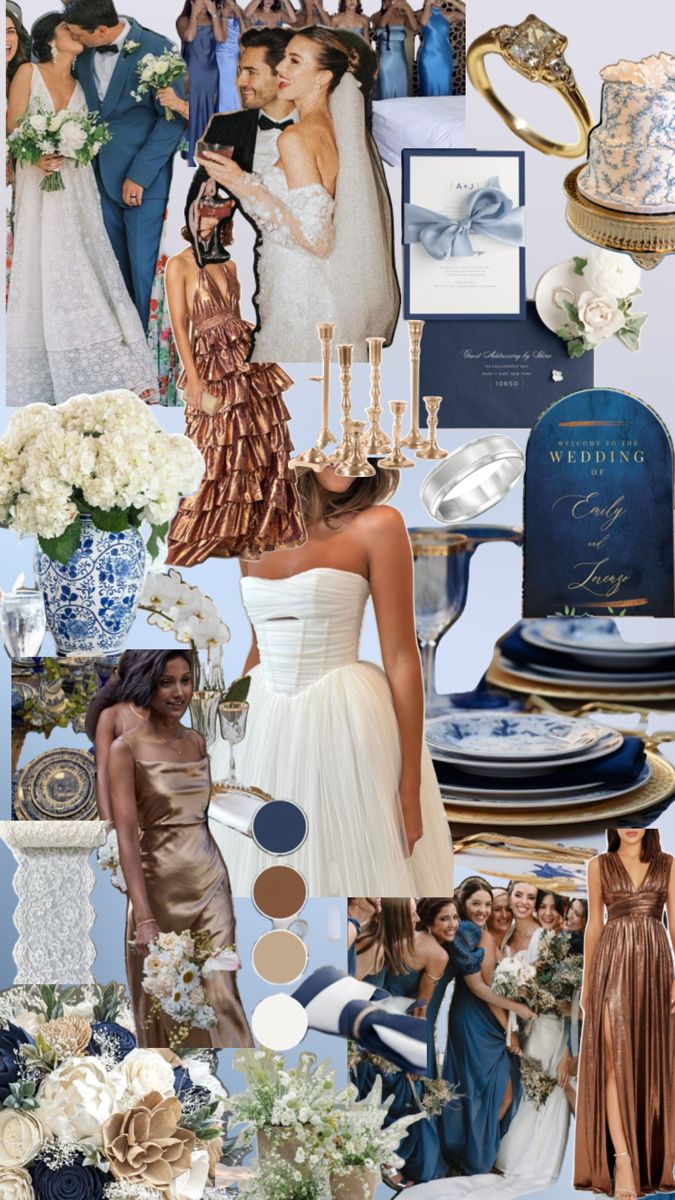
    Photo: Pinterest

    7. Emerald green

    Emerald green adds a sense of richness and formality. It pairs well with metallics like gold, as well as classic combinations like white or deep red, making it a versatile choice across different styles of weddings.
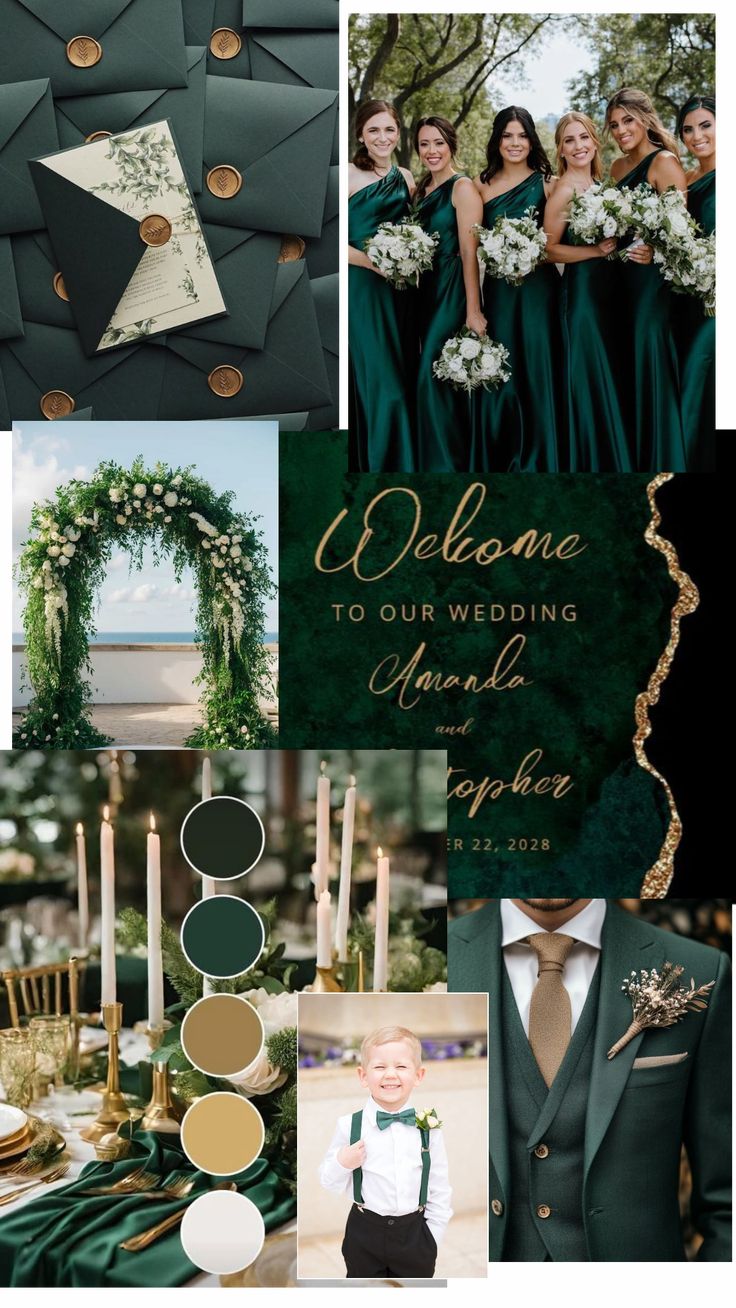
    Photo: Pinterest

    8. Plum

    Plum introduces a deeper, more romantic layer to your palette. It works best when combined with other jewel tones or balanced with softer shades like mauve or dusty rose.
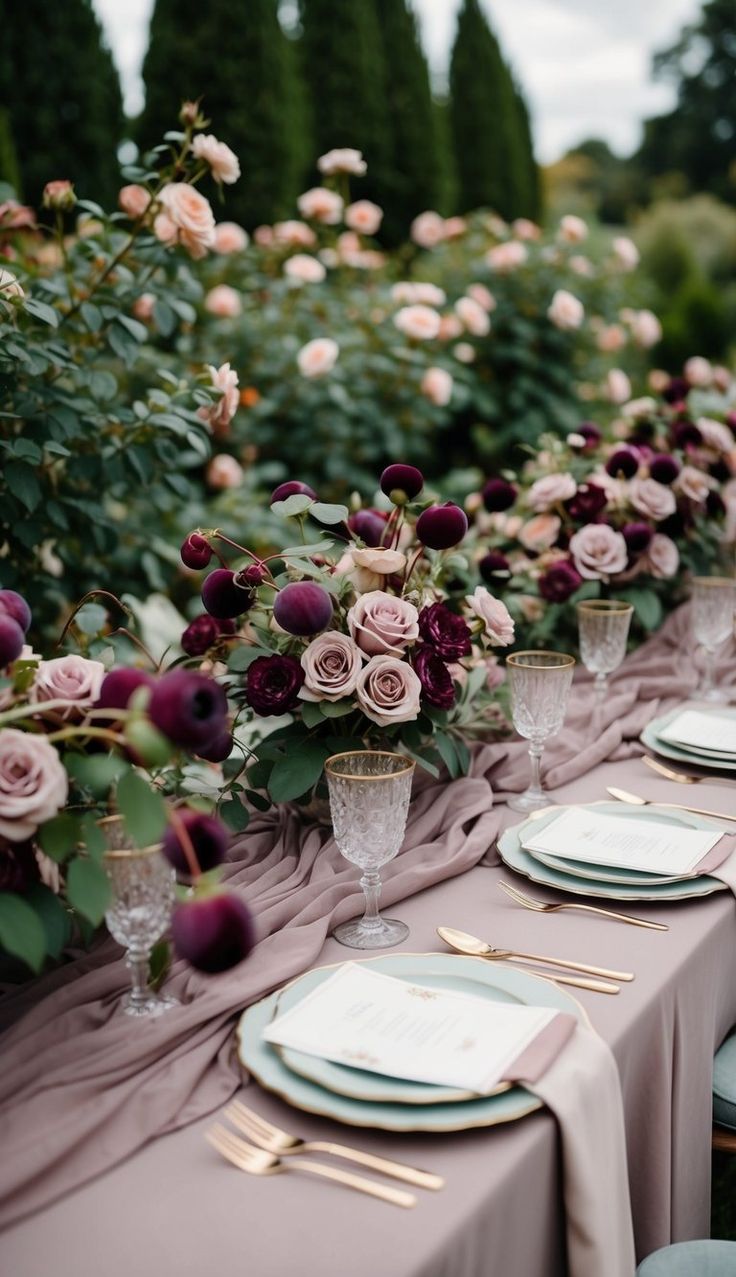
    Photo: Pinterest

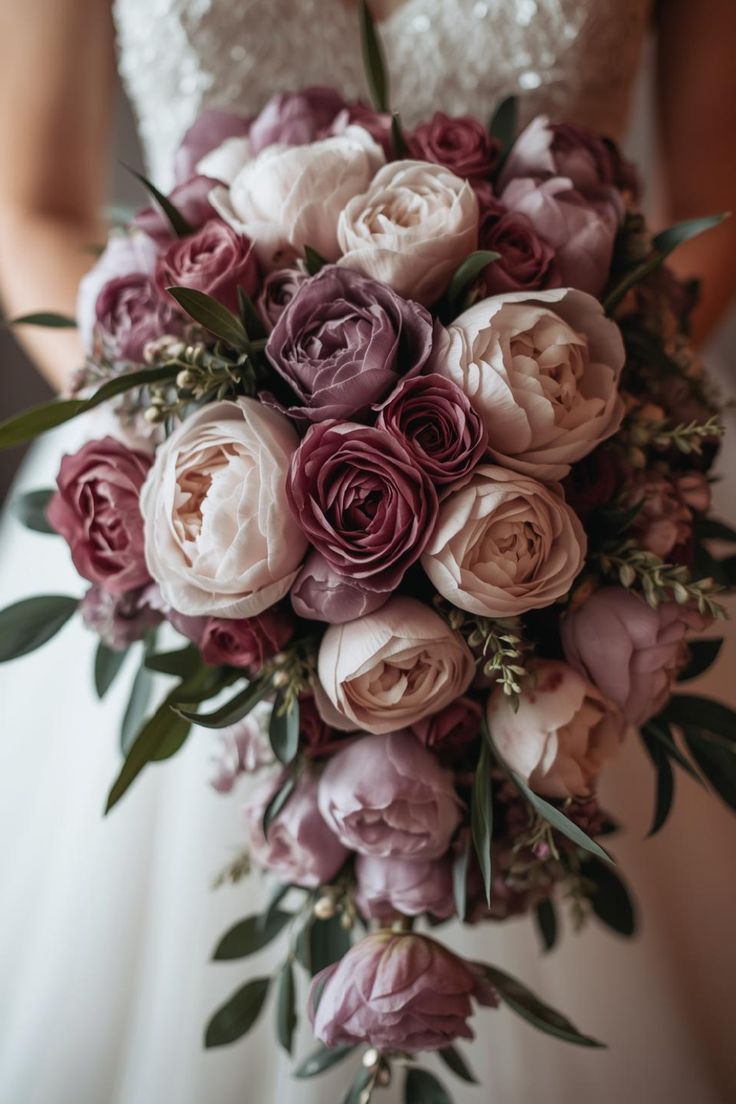
    9. Mauve

    Mauve offers a softer alternative to traditional autumn shades. Its muted undertones make it easy to pair with greys, lilacs and warmer neutrals, adding depth without overpowering the palette.
    wedding colour
    Photo: Pinterest

    10. Copper

    Copper brings in a metallic element that still feels grounded and seasonal. It’s most effective in table settings — think cutlery, vases or candle holders — where it adds warmth and texture.
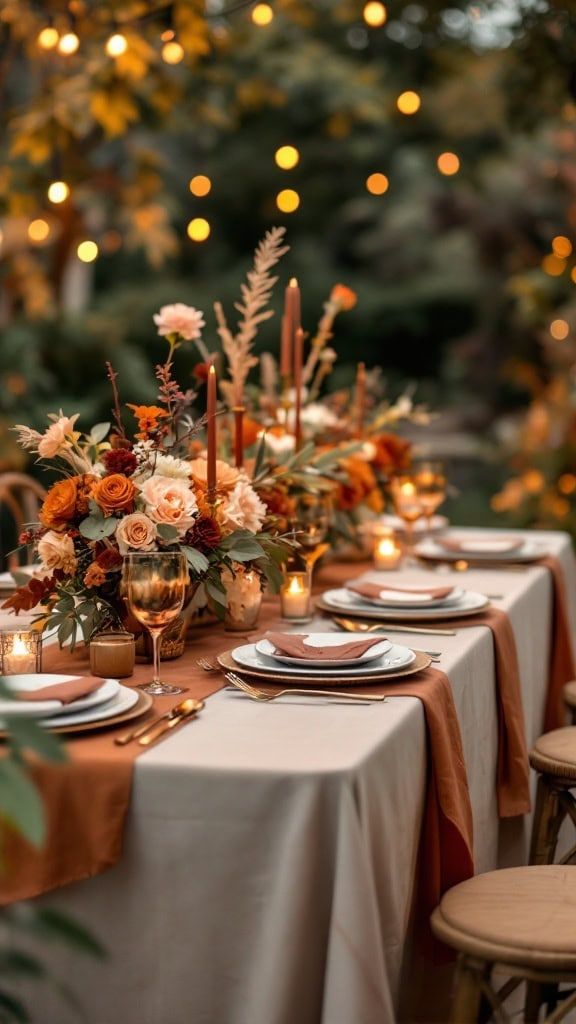
    Photo: Pinterest

    11. Sage green

    Sage green acts as a neutral base within an autumn palette. It complements both warm and cool tones, making it a practical choice for larger elements like table linens or bridal party outfits.
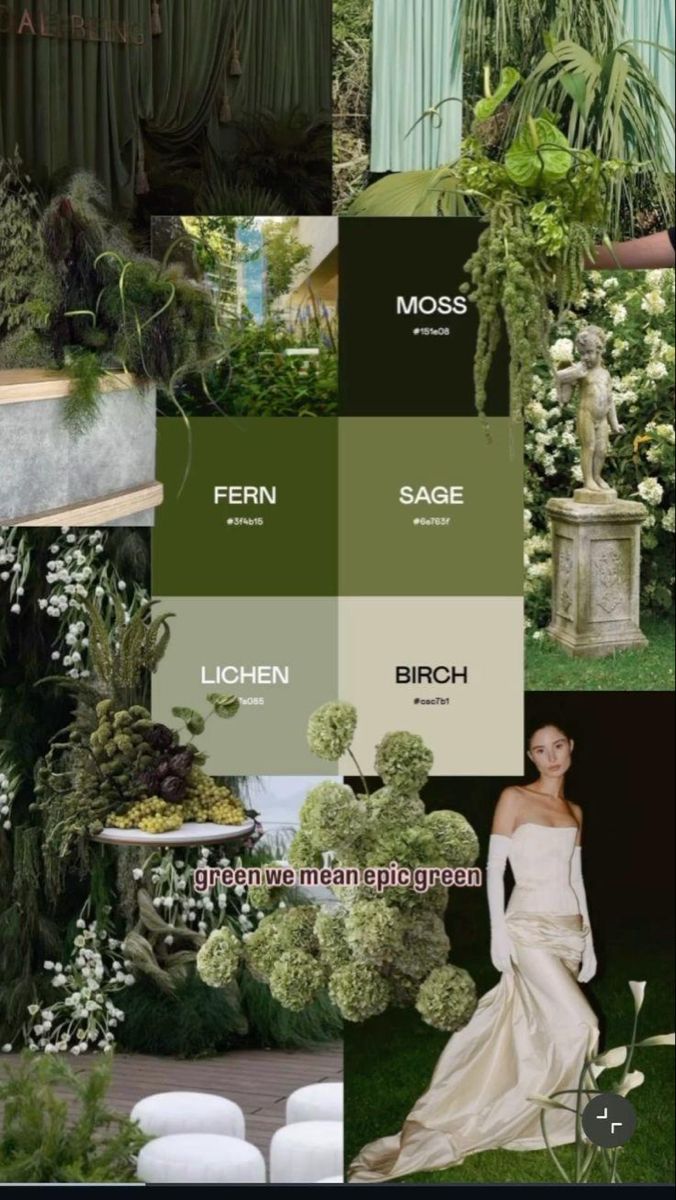
    Photo: Pinterest

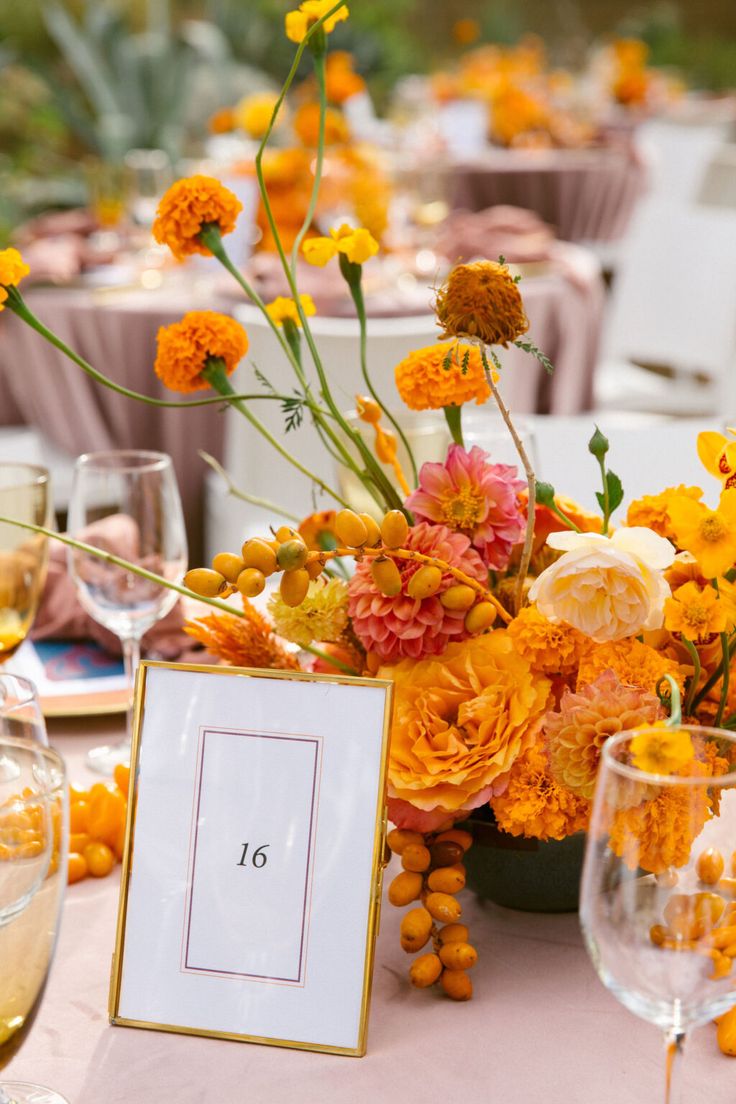
    12. Marigold

    Marigold introduces a bold, vibrant contrast to deeper autumn shades. It works best when used intentionally in smaller elements, such as florals or stationery, to avoid overwhelming the overall look.
    wedding colour
    Photo: Pinterest

    13. Dusty rose

    Dusty rose bridges the gap between soft and structured. It pairs well with stronger tones like burgundy or navy, adding a subtle warmth that keeps the palette from feeling too heavy.
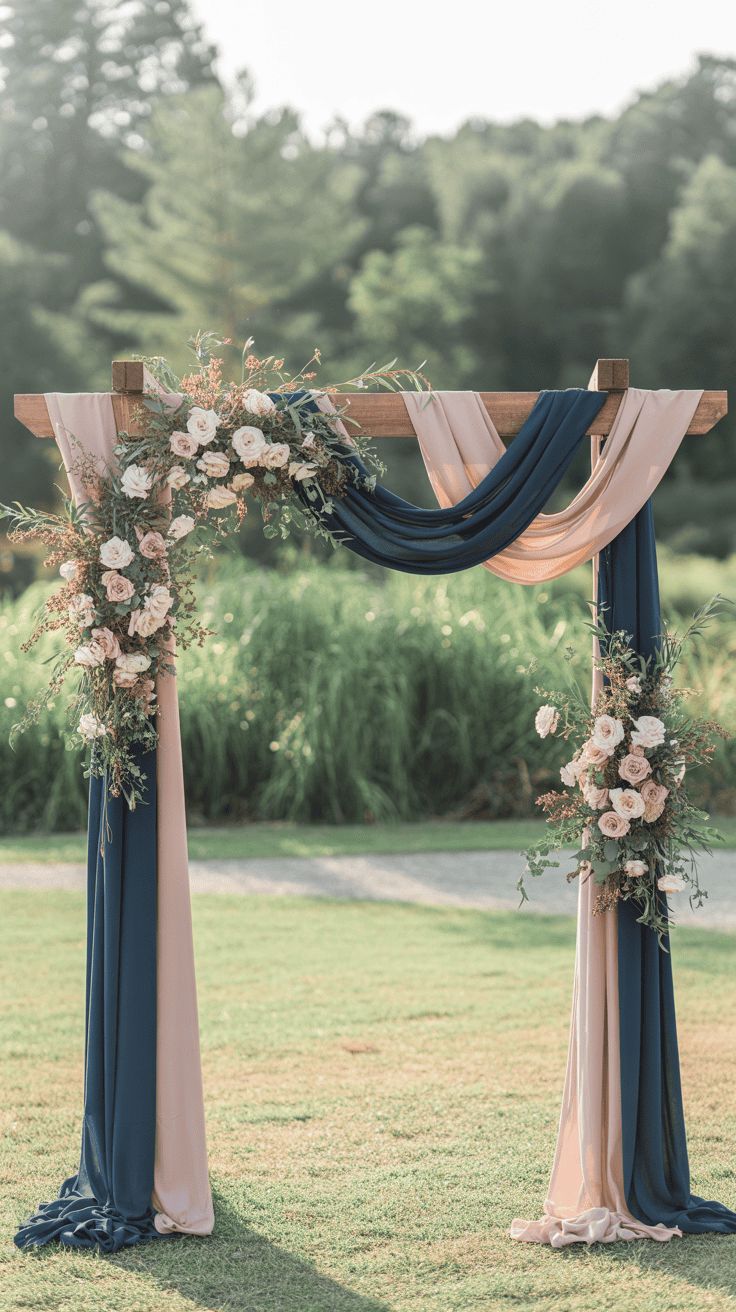
    Photo: Pinterest

    14. Camel

    Camel tones create a warm, understated base that works across both modern and rustic settings. When layered with similar neutrals, it creates a cohesive and inviting look.
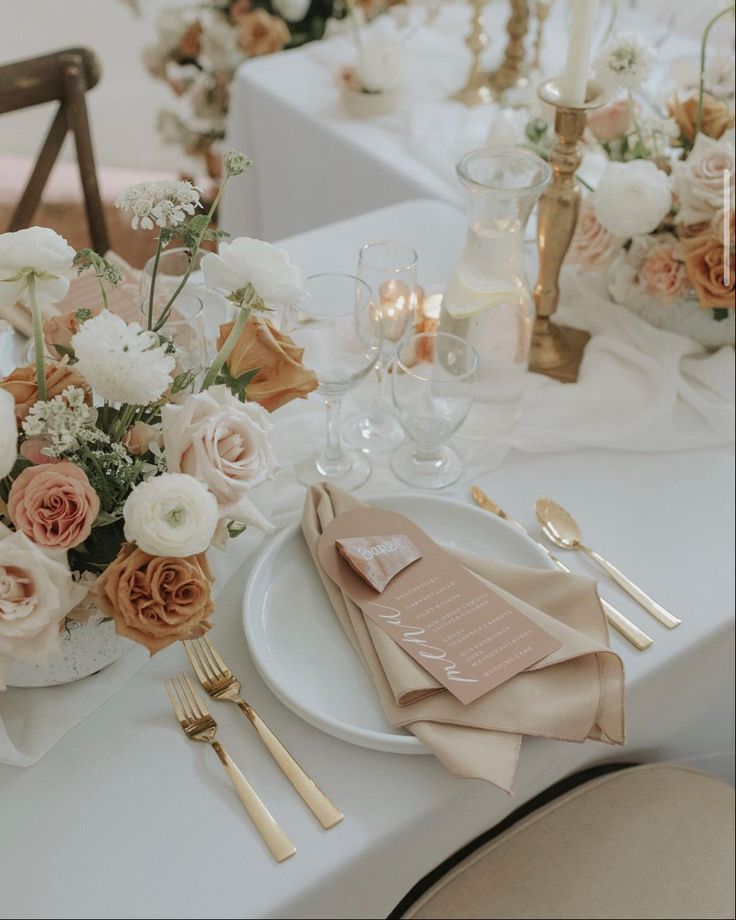
    Photo: Pinterest

    15. Gold

    Gold is one of the easiest ways to elevate an autumn palette. It can be introduced through small details like flatware and decor accents, or used more prominently for a more refined finish.
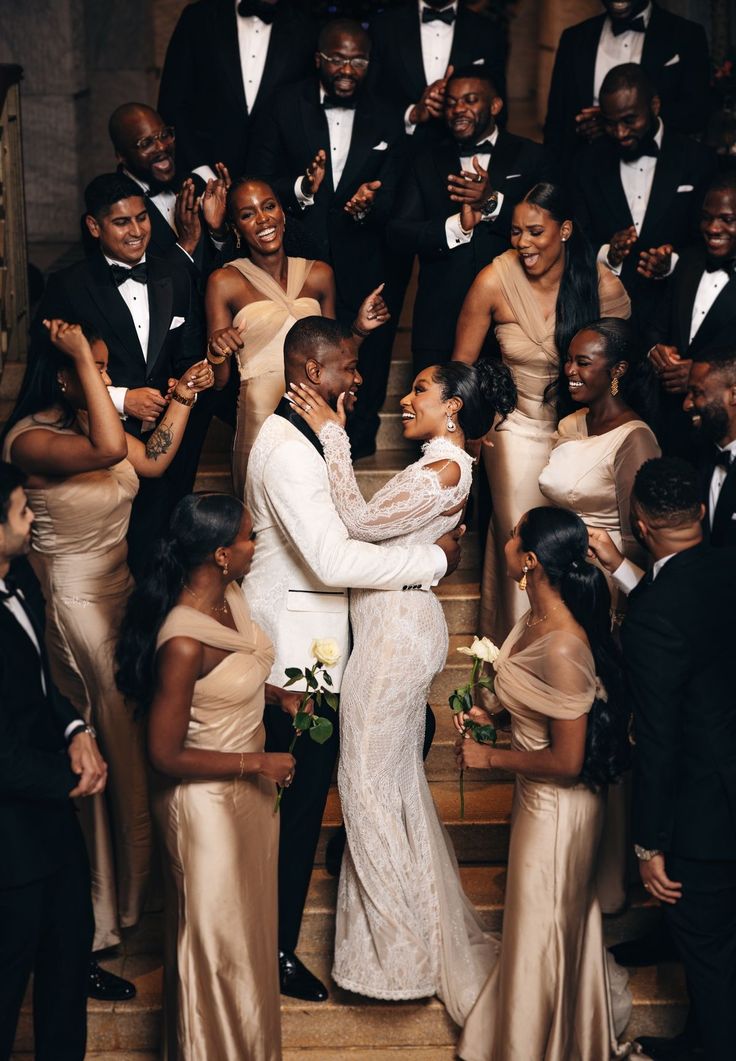
    Photo: Pinterest

    16. Olive green

    Olive green has a slightly richer undertone than other greens, making it well-suited to autumn. It pairs naturally with warm neutrals and works well across both decor and fashion elements.
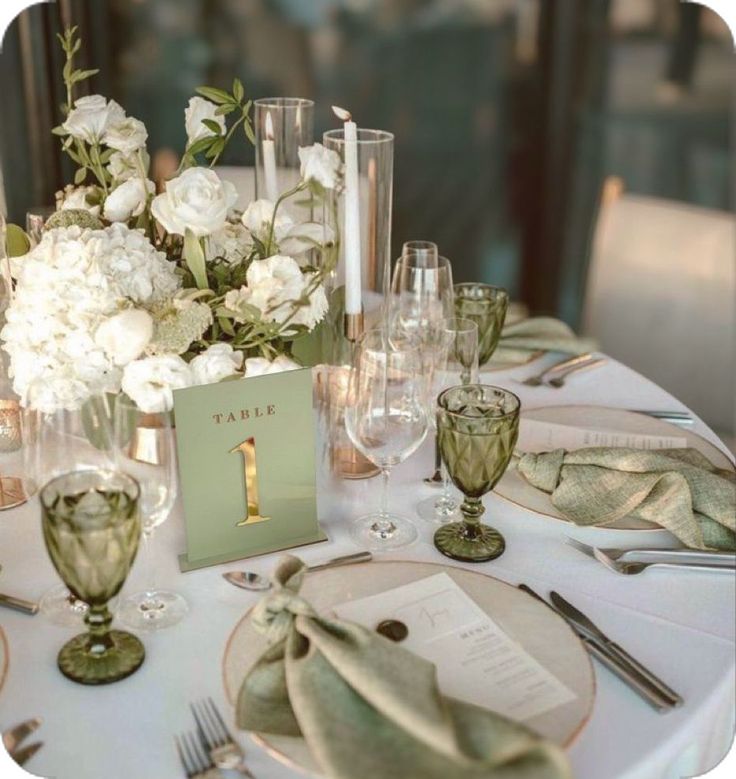
    Photo: Pinterest

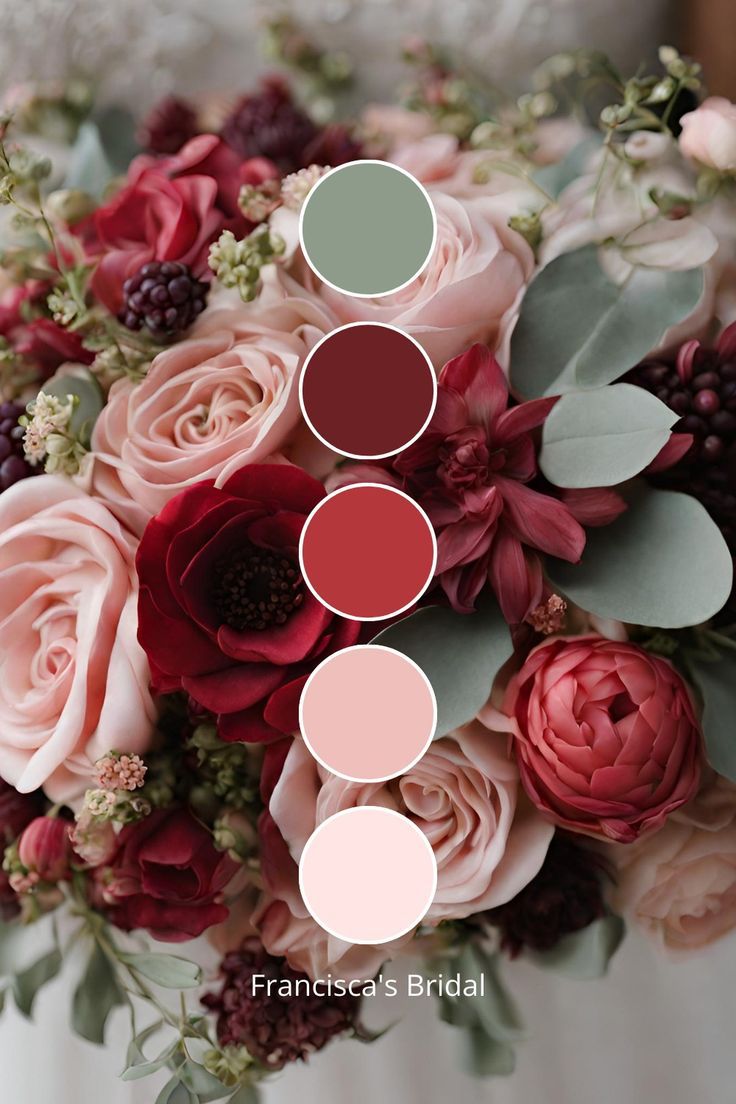
    17. Cranberry

    Cranberry adds depth with a slightly brighter edge than burgundy. It works best as an accent colour, bringing contrast to neutral or earth-toned palettes.
    wedding colour
    Photo: Pinterest

    18. Peach

    Peach offers a softer, more unexpected addition to autumn palettes. When paired with deeper tones like navy or rust, it helps to lighten the overall look without losing warmth.
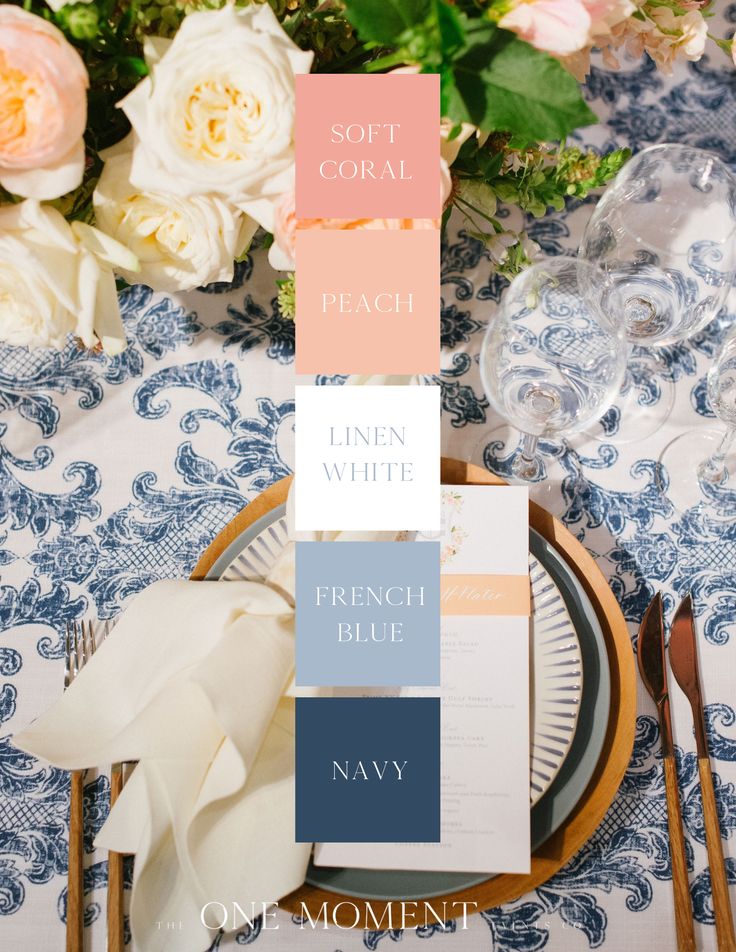
    Photo: Pinterest

    19. Taupe

    Taupe provides a neutral foundation that allows other colours to stand out. It works particularly well in linens and stationery, where it sets the tone without competing for attention.
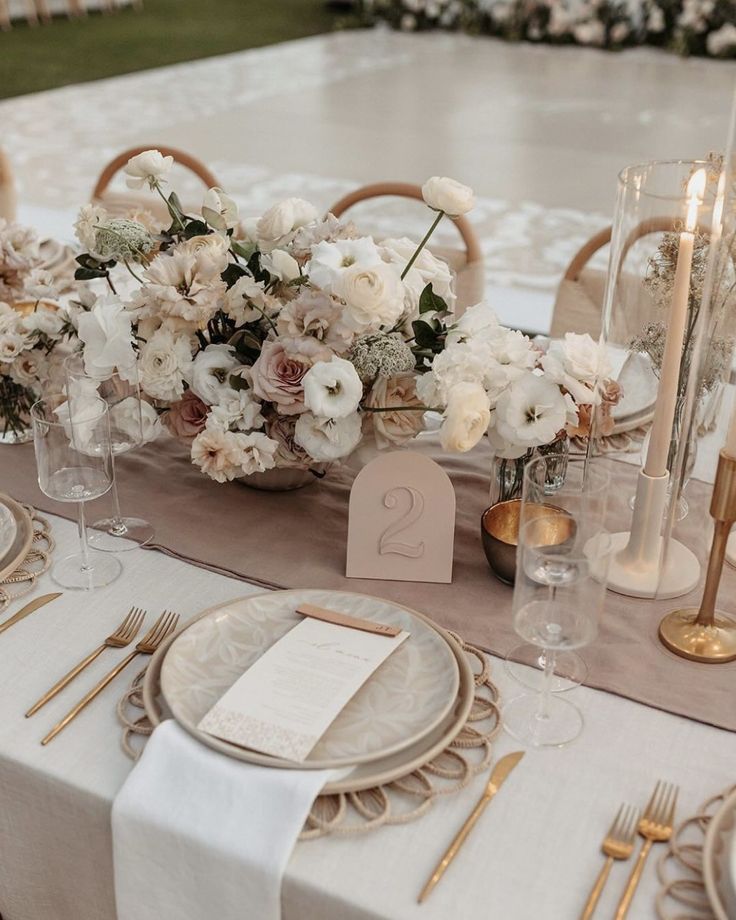
    Photo: Pinterest

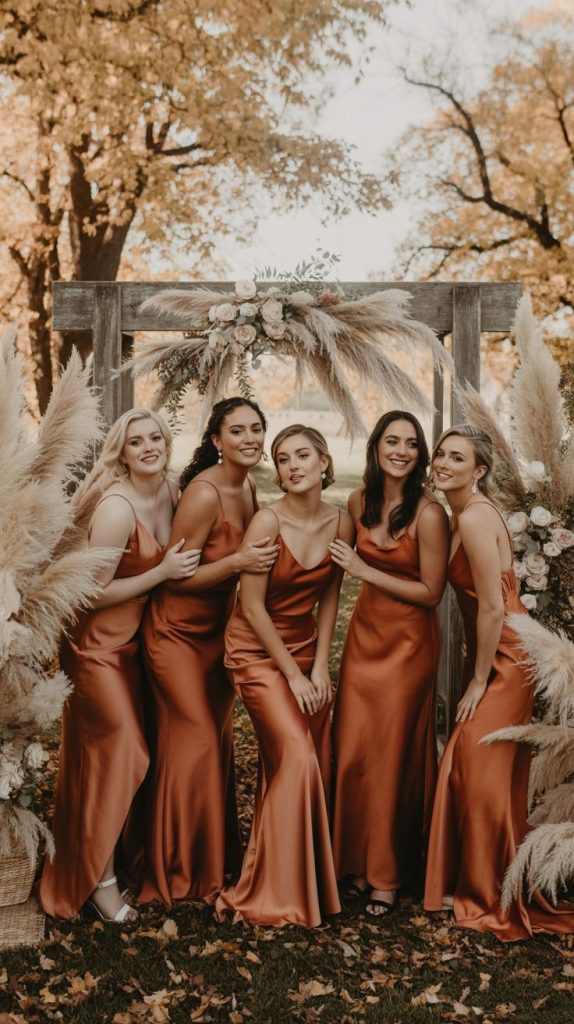
    20. Cinnamon

    Cinnamon captures the warmth typically associated with autumn. It works well across multiple elements — from fashion to florals — and pairs easily with both neutrals and richer tones.
    wedding colour
    Photo: Pinterest

    Bringing it together

    A strong autumn palette doesn’t rely on one standout colour, but rather on how each shade works alongside the next. Start with a base, build in contrast, and use texture to enhance the overall effect.
    Finalising your guest list is where wedding planning starts to feel very real  (and very personal). Between budgets, venue limits and family expectations, deciding who gets a plus-one can quickly become one of the trickiest parts of the process.

    The good news? There’s no one-size-fits-all rule. With a clear approach (and a little confidence), you can make decisions that feel fair, thoughtful and aligned with your vision for the day.

    What is a wedding plus-one, really?

    A “plus-one” simply means a guest is invited to bring someone along — usually a partner, but sometimes a date or companion. It’s a lovely gesture, but not a requirement for every guest.

    Start with your non-negotiables

    Before diving into individual decisions, get clear on your limitations:

    • Budget: Every extra guest affects catering, seating and rentals
    • Venue capacity: Space will naturally cap your numbers
    • Wedding style: A large, lively celebration vs an intimate gathering

    Once you know your boundaries, it becomes much easier to make consistent calls.

    Who should get a plus-one?

    While every wedding is different, there are a few widely accepted guidelines that help keep things fair and respectful.

    Couples in committed relationships

    If a guest is married, engaged or in a long-term relationship, it’s generally expected to include their partner, even if you’ve never met them. It acknowledges their relationship as a meaningful part of their life.

    Your bridal party

    Your inner circle has likely shown up for every fitting, plan and pre-wedding moment. Offering them a plus-one is a simple but meaningful way to say thank you.

    Guests travelling or coming solo

    If someone is travelling far or won’t know many people at your wedding, allowing them to bring a guest can make the experience far more comfortable and enjoyable.

    Close friends and immediate family

    For your nearest and dearest, a plus-one can feel like a natural extension of their invite, even if they’re not in a serious relationship.

    Who doesn’t necessarily need one?

    This is where it gets a little more flexible and where your discretion comes in.

    Guests in casual or new relationships

    If someone has only recently started dating, you’re not obligated to extend a plus-one. You can always reassess closer to the wedding if things become more serious.

    Singles who know plenty of guests

    If your friend group overlaps or your family is tight-knit, solo guests are unlikely to feel alone — meaning a plus-one isn’t essential.

    Coworkers or distant connections

    If you’re inviting colleagues or acquaintances, it’s perfectly acceptable to keep the invite limited. Just make sure you’re consistent across the group.

    The golden rule: be consistent

    If there’s one thing that avoids awkward conversations, it’s consistency.

    For example:

    • All married and cohabiting couples get a plus-one
    • Only the bridal party receives one regardless of relationship status
    • Or, no plus-ones beyond serious relationships

    Whatever you decide, apply it across the board. It makes your choices easier to explain and easier for guests to accept.

    How to make it clear on your invitations

    Your invitation should do the talking for you.

    • Named guest only? That person is invited solo
    • “And Guest”? They have a plus-one
    • Both names listed? You’re inviting a specific couple

    You can also clarify your policy on your wedding website to avoid any confusion (or last-minute requests).

    When you can’t offer everyone a plus-one

    If your guest list is tight, don’t feel guilty. It’s completely acceptable to limit plus-ones, especially if you’re prioritising intimacy or working within a strict budget.

    If guests ask, a kind and honest response goes a long way: “We would have loved to include everyone, but due to venue limitations, we’ve had to keep things quite intimate.”

    ALSO SEE: Wedding guest dress code explained

    Wedding guest dress code… explained

    Feature image: Pexels

    If you’ve just made it past the potential minefield that is the guest list, here’s your next challenge: How are you going to seat everyone? Round tables? Long ones? One long banquet table? Goodness. Read on to set your mind free from all these decisions…

    1. DANCE FLOOR FIRST!
    This is your starting point. The most popular – and effective – option is to plonk your dance floor in the centre of the room. Then you’ll position the band or DJ against the wall. If your venue doesn’t allow for this, you can place the dance floor at one end of the room, centred and backed up against a wall.

    2. FIND YOUR TABLES
    Choose the shape and size of your tables – but regardless of this, make sure the two of you are in a central spot that your guests can see. Figure out how many guests fit at each table, to determine how many tables you will need.

    3. THE FLOOR PLAN
    Start with yourself and your SO – you get the best seats in the house, whether that means with the best view or closest to the bar (it’s been a long few months!) Then arrange your tables as symmetrically as possible – in a U-shape around the centre dance floor or fill one end of the space (if the dance floor is on the one side).

    4. VIPs
    Reserve the tables closest to the two of you for your immediate families, and set aside tables further from the band/DJ for older guests. The less desirable seats should be saved for your friends. Keep people together who will enjoy the time together – perhaps there are family members who haven’t seen each other in a while?

    5. THE BAR
    This will also be dependent on your venue, but as a rule of thumb, the bar should be away from the entrance to avoid possible congestion. If you have more than one bar (one bar with two bartenders for every 100 guests is a good point of measure), then position one close to the dance floor and another one on the other side of the room.

    6. ARRANGE THE NAMES
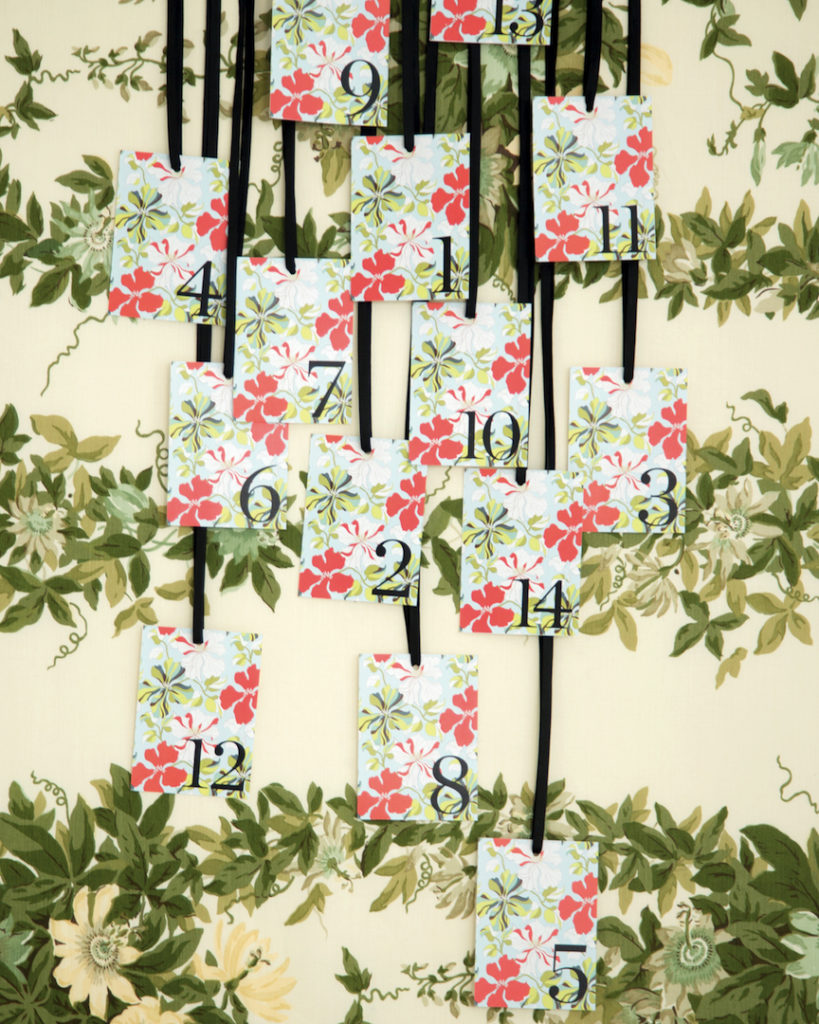
    Now that the hard work is over, how are you going to let your guests know where to sit on the day? If you have more than 75 guests, displaying their names in alphabetical order is the most convenient option, to eliminate confusion and unnecessary time spent at the seating chart. To make it more exciting, give each guest a refreshing cocktail or glass of bubbly along with their table number – it really sets the tone for a festive reception!

    ALSO SEE: How to save money on wedding flowers without sacrificing style

    How to save money on wedding flowers without sacrificing style

    Written by Claire Davies for Wedding Etc. Summer 2020

    Feature image: Pexels

    Once upon a time, your wedding memories lived in a carefully curated album and a highlight video you’d eagerly wait weeks to receive. Today? Your wedding day can live online before the last glass of champagne is poured. Enter the wedding content creator — the industry’s newest (and fastest-growing) must-have.

    From TikTok-worthy transitions to candid, blink-and-you’ll-miss-it moments, this new wave of creatives is reshaping how couples experience and remember their big day. And no, it’s not just for influencers.

    What is a wedding content creator?

    A wedding content creator is a professional hired to capture your day through a social media lens. Think vertical videos, iPhone footage, behind-the-scenes snippets, and real-time storytelling.

    Unlike traditional photographers or videographers, their focus isn’t editorial perfection; it’s immediacy and authenticity. They’re there for the in-between moments: the laughter before you walk down the aisle, the outfit changes, the dance floor chaos, the quiet glances no one else notices.

    In short, they document what your guests would have posted — but better.

    Not a replacement, though

    Let’s get one thing straight: wedding content creators are not here to replace photographers or videographers.

    Your photographer captures timeless, frame-worthy images. Your videographer crafts a cinematic narrative. A content creator, on the other hand, fills in the gaps by delivering raw, unfiltered moments that feel real and deeply personal.

    It’s less about choosing one over the other, and more about building a dream team that captures your day from every angle.

    Why wedding content creators are trending

    The social media shift

    Weddings have become inherently social. From proposal announcements to “get ready with me” reels, couples are documenting every step of their journey.

    Even those who wouldn’t consider themselves content creators are now thinking in terms of shareable moments.

    And with platforms prioritising short-form video, having someone who understands trends, timing, and storytelling is invaluable.

    Instant gratification is everything

    One of the biggest appeals? Speed.

    Instead of waiting weeks (or months), couples can receive content within 24 to 48 hours. That means:

    • Posting your first wedding reel while the excitement is still fresh

    • Reliving moments almost instantly

    • Sharing highlights with guests (and those who couldn’t attend) in real time

    The beauty of the unscripted

    There’s something undeniably special about the moments that aren’t planned.

    These are the memories that often mean the most — the ones you didn’t even realise were happening.

    The rise of unplugged weddings

    More couples are opting for unplugged ceremonies, asking guests to put their phones away and be fully present.

    But that doesn’t mean missing out on candid content.

    A wedding content creator ensures everything is still captured without a sea of phones in your aisle photos.

    Is it worth it?

    The short answer? It depends on how you want to remember your wedding.

    If you love the idea of:

    • Reliving your day instantly

    • Having content ready to share

    • Capturing candid, unfiltered moments

    • Telling a more complete story

    …then a wedding content creator might just be your favourite vendor.

    Even for couples who aren’t active on social media, the appeal lies in access — having a bank of real, emotional, beautifully imperfect moments to look back on.

    ALSO SEE: Get creative with your wedding dress after the big day

    Get creative with your wedding dress after the big day

    Feature image: Jonathan Borba/Pexels

    The digital age is upon us. Hard print copy is slowly leaving our fingertips as we migrate online. Most people have access to the internet and a variety of digital devices. As lovely as physical wedding invites are it may be a great idea to consider a digital approach. To help you along we have put together a few notes on how to achieve a successful site. Here are a few nifty tips to consider when starting your own wed-site. 

    1. Know your limits

    If you’re not great with computers don’t opt for a website where you have to create everything from scratch. Rather go with platforms that provide existing templates. You can still customise it and make it look great! Make sure to choose a website that will showcase what you want and make you happy. Look around and decide after viewing a few options.

    2. Don’t forget the basics

    It’s so much fun choosing various designs and pictures so try to remember the basics. Be informative and ensure your wed-site goes beyond just aesthetics. Remember to include the what, where, when, who and how. Provide your guests with the 411 on dress code, the program, accommodation, location, registry, and local attractions if you are planning a destination wedding.

    3. Representation

    Be sure to create a wed-site that is a great reflection of you as a couple and of your wedding theme. Personalize the display to give guests a sneak peek of your big day – stick to a specific font, incorporate your colour scheme, or include a small photo timeline. To add extra flair, something to consider is creating a unique logo.

    4. Boast yourselves

    It’s your big day and you’re allowed to make things about yourselves. Tell your guests about your love story, how you met, funny anecdotes and how things led to this point. With that being said don’t write essays – keep things short and sweet.

    5. Registries and hashtags

    Hashtags are a great way to create an online photo album that all your guests can take part in. Perhaps the most beneficial feature of a hashtag is its ability to pull all of your wedding photos, from any source, into one place. Don’t forget to add your wedding registry link. 

    6. Protect your big day

    Be sure to use a password for your wed-site. You don’t need any wedding crashers. Any special invite-only events shouldn’t be mentioned on the wed-site like rehearsal dinner and bachelor parties.

    7. Consideration

    As mentioned before, digital is taking over but consider the fact that elderly people may not keep up with the times. If your elderly guests still sit waiting for the postman, try creating a special physical copy just for them. Also, consider having a FAQ section. Things may not always be clear and that’ll help a lot.

    Don’t think of a bland email that just consists of details and lack of creativity and representation of your love. Creating a wedding website or wed-site can be fun and exciting.

    You’re able to put your own twist on things and can play it up or down as much as you’d like. You don’t have to be tech-savvy as many websites offer existing templates that you can customise. With just one click, your guests can check out all the details and be informed of any changes.

    ALSO SEE: How to decide who gets an invite to your wedding

    How to decide who gets an invite to your wedding

    Image: Pixabay

    Technology is undoubtedly a massive part of our lives in this day and age. Our phones are practically extensions of our arms and we can’t go without checking in to our social media once a day. Most of our memories are made by captured moments on our digital devices and not by living in those moments. This can frustrate people who would rather be doing the latter, especially when it comes to significant occasions such as weddings.

    As part of the wedding prep, the perfect rehearsal dinner will make for an evening of fun, love, and a chance to mingle before the big day. Lately, they’ve become known as extravagant evenings of dining, decor and preparations right before the wedding. But if you plan it right, you’ll be able to have a stress-free evening of celebration before your big day.

    STEP 1

    Make sure it’s clear who will be hosting and organising the event. It may be the groom’s side or the bride’s, or a combination. Make sure everyone is aware of their role to avoid any conflict or miscommunication on the night.

    STEP 2

    Decide on the kind of event you want to have. Do you prefer keeping it light and casual, or making it a big party? Let this set the precedent for the decor, the setting and the guest list.

    STEP 3

    Draw up the guest list. Aside from your bridal party, family and close friends, you may want to have certain people. This will depend heavily on the size of the event, the location and your personal preferences.

    STEP 4

    Whether you go big or small, creating a fun theme for the night will only add to the festivities. This can involve fun games and even some sneaky hints for the big day.

    STEP 5

    While it’s important to have a set schedule in place for how the evening will run, make room for surprises and deviations in the evening. For instance, you may have a set list of speakers, but if your other guests would like to say a few words then allow room for some extra time.

    You can also use your rehearsal dinner to spoil your guests with gifts for your bridal party and special thank yous to everyone who contributed to the planning of your special day.

    ALSO SEE: How to decide who gets an invite to your wedding

    How to decide who gets an invite to your wedding

    Image: Unsplash

    If your wedding falls during Ramadan and you have Muslim guests, you might wonder how to make the experience a respectful one for them during this time. With a little thought, you can ensure everyone feels included while you enjoy your day. These simple tips help you plan a wedding during Ramadan that works for all your guests.

    Time it right
    Avoid food-focused moments like canapés, cocktail hour or dinner before sunset if you can. Ramadan shifts each year, so sunset (iftar) times change daily and by city. Check a local timetable online. Even noting sunset on your programme helps guests plan.

    Offer simple iftar
    A small iftar table at sunset is thoughtful. Dates, water, juice or light snacks — enough to break the fast comfortably.

    Talk to your caterer
    Let your caterer know in advance about fasting guests and halal meal requests. Keep meals warm or plated later if needed. Small adjustments go a long way.

    Cocktail hour before sunset?

    If you have a cocktail hour before sunset, provide comfortable seating and social spaces so fasting guests can enjoy themselves without focusing only on food.

    Provide quiet spaces
    Some guests may want to pray after sunset. A small, private room is helpful. Not mandatory, just considerate.

    Share information in advance
    Mention that your wedding falls during Ramadan on your website or invitations. Let guests know you’ve considered fasting and halal options. It helps them plan and shows respect.

    Don’t assume everyone is fasting
    Children and those with health reasons may not fast. Flexibility is key, so focus on consideration, not assumptions.

    Small gestures count
    A quick check-in with Muslim guests before the day — asking if there’s anything that would make it easier — is often appreciated more than any big arrangement.

    ALSO SEE: 7 quirky wedding ideas perfect for summer

    7 quirky wedding ideas perfect for summer

    Feature image: Pexels