• Category

    Advice

    Category

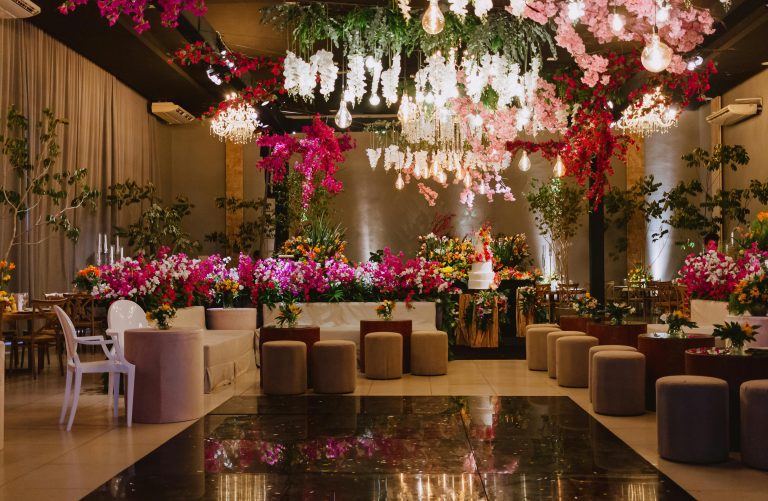
    Your venue is not just a backdrop. It shapes your budget, your guest experience, your timeline, your décor decisions and – if we’re being honest – your stress levels too. 

    And while it’s easy to fall in love with sweeping vineyard views or a dramatic ballroom ceiling, the prettiest venue in your saved folder can quickly become a logistical nightmare if you don’t ask the right questions upfront. 

    In 2026, couples are becoming far more intentional about venue selection. Flexibility, sustainability, weather contingency plans, accessibility and transparent pricing are now just as important as aesthetics. Experts are also seeing a rise in all-in-one venues, intimate guest experiences and multipurpose spaces that can seamlessly transition from ceremony to after-party. 

    So, before you put down a deposit or sign a contract, here are the questions every couple should ask first.

    What exactly is included in the venue fee?

    This is the question that separates the “reasonable” venue from the one quietly draining your budget. 

    Some venues include tables, chairs, glassware, staff, generators, lighting and coordination. Others hand you an empty space and charge extra for every little thing. Ask for a detailed breakdown of what’s actually included – in writing. 

    And don’t forget to ask about: 

    • Setup and breakdown 
    • Cleaning fees 
    • Security 
    • Corkage 
    • Cake-cutting fees 
    • Service charges 
    • VAT 

    Those “small extras” add up frighteningly fast.

    Are there any hidden costs we should know about?

    A venue may look affordable on paper until overtime fees, mandatory staffing costs or vendor restrictions enter the chat. 

    Ask: 

    • What happens if the wedding runs late? 
    • Are there penalties for extending the reception? 
    • Are gratuities included? 
    • Is there a minimum spend requirement? 
    • Are there seasonal pricing changes? 

    Transparency matters. If a venue feels vague about pricing, take that seriously. 

    What’s the real guest capacity?

    Not the “squeezed in shoulder-to-shoulder” number. The realistic one. 

    A venue may technically hold 200 guests, but once you add a dance floor, DJ booth, stage, dessert table and lounge seating, the space can feel cramped very quickly. 

    Ask the venue to show you examples of layouts for guest counts similar to yours.

    Is there a weather backup plan?

    This one is non-negotiable – especially for outdoor weddings. 

    Even if you’re getting married in the middle of summer, weather can still humble you. Ask: 

    • Is there an indoor backup option? 
    • Is tenting available? 
    • Who organises the weather contingency plan? 
    • Is the backup space included in the price? 
    • Will the backup still comfortably fit your guest count? 

    And here’s the important part: if you hate the backup option, do not book the venue hoping the weather will magically cooperate.

    What are the venue’s vendor policies?

    Some venues allow complete flexibility. Others require you to use their preferred caterers, florists or DJs. 

    Neither option is necessarily bad – but you need to know before booking. 

    Ask: 

    • Can we bring our own vendors?
    • Are outside vendors charged additional fees?
    • Do vendors need insurance?
    • What time can vendors access the venue for setup?

    This becomes especially important if you already have suppliers you love.

    Is the venue accessible for all guests?

    Couples are paying far more attention to accessibility in 2026 – and rightly so. 

    Think beyond aesthetics and consider your actual guests: 

    • Is there wheelchair access? 
    • Are there accessible bathrooms? 
    • Is parking nearby? 
    • Are elderly guests able to move around comfortably? 
    • Is the terrain manageable in heels? 

    A stunning mountaintop venue loses its charm very quickly if half your guests struggle to reach it.

    What happens if our guest count changes?

    Because it probably will. 

    Ask about: 

    • Minimum guest requirements 
    • Final headcount deadlines 
    • Pricing adjustments 
    • Whether the layout can be modified if numbers increase or decrease 

    Flexible venues tend to make the planning process far less stressful.

    How private is the venue?

    This is becoming a much bigger consideration for modern couples. 

    Some venues host multiple weddings simultaneously, while others remain open to the public during events. 

     Ask: 

    • Will there be another wedding happening at the same time? 
    • Are any areas shared? 
    • Are there public guests nearby? 
    • Is a full venue buyout possible? 

    Privacy affects everything from photos to the overall atmosphere.

    What are the timing and noise restrictions?

    Nothing kills the mood like being told to lower the music at 9pm. 

    Ask: 

    • What time does the reception need to end? 
    • Are there noise restrictions? 
    • Is there an after-party option? 
    • How early can setup begin? 
    • How late can vendors collect equipment? 

    This matters more than couples initially realise – especially if you want a proper dance floor moment.

    What does the lighting actually look like at night? 

    A venue can look dreamy at noon and completely different after sunset. 

    Visit the venue at the same time of day your wedding will take place if possible. Pay attention to: 

    • Natural lighting 
    • Sunset direction 
    • Reception lighting 
    • Outdoor visibility 
    • Generator or backup power options 

    Your photographer will thank you.

    What accommodation and transport options are nearby?

    Your venue experience doesn’t end once the reception does. 

    Ask: 

    • Are there nearby hotels or guesthouses? 
    • Is transport available? 
    • Is parking sufficient? 
    • Are there shuttle options for guests? 

    Destination-style weddings and weekend wedding experiences are still incredibly popular, so convenience matters.

    How sustainable is the venue?

    Sustainability is no longer a “nice extra” for many couples – it’s becoming an expectation. 

    Ask whether the venue: 

    • Uses energy-efficient systems 
    • Has recycling practices 
    • Sources local produce 
    • Minimises food waste 
    • Offers reusable décor or furniture options 

    Eco-conscious weddings continue to shape venue trends in 2026, particularly among younger couples wanting a more intentional celebration. 

    What’s written in the cancellation or postponement policy?

    Not the fun question. Still one of the most important. 

    Read the contract carefully and ask: 

    • Is the deposit refundable? 
    • What happens if we postpone? 
    • What qualifies as force majeure? 
    • Can the date be transferred? 
    • What happens if the venue cancels? 

    If anything feels unclear, ask for clarification before signing. 

    Choose a venue that feels right – not just one that looks good

    Because the truth is, your venue sets the tone for everything that follows. It’s where your memories will unfold, where your people will gather, and where the atmosphere of your entire celebration begins to take shape. 

    So yes – fall in love with the architecture, the views and the candlelit reception spaces. But don’t ignore the practical questions in the process. A venue should not only photograph beautifully; it should make your wedding day feel seamless, comfortable and genuinely reflective of you as a couple. 

    The right venue won’t leave you second-guessing every detail. It will give you clarity, confidence and the freedom to enjoy the experience you’ve spent months planning. 

    And honestly? That peace of mind is worth just as much as the aesthetic. 

    ALSO SEE: Enchanting Wedding Venues Across South Africa: From Vineyards to Safari

    Enchanting Wedding Venues Across South Africa: From Vineyards to Safari

    Featured image: Dhemer Gonçalves / Pexels
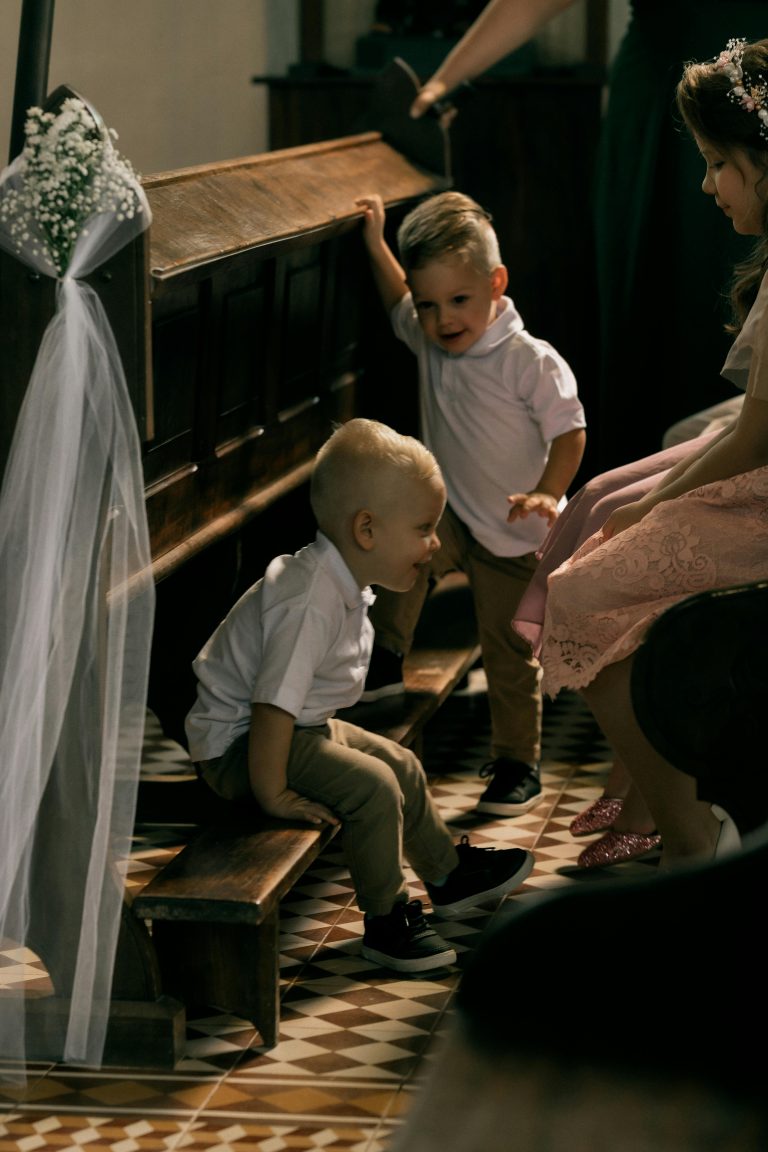
    Few wedding decisions spark debate quite like the kid-free wedding conversation. For some couples, an adults-only celebration feels obvious. For others, the idea comes with guilt, pressure or the fear of upsetting family members. 

    And honestly? Neither side is wrong. 

    Modern weddings are becoming increasingly intentional, with couples prioritising atmosphere, budget and personal experience over tradition for tradition’s sake. That shift has made child-free weddings far more common – and far more socially acceptable than they once were.  But just because it’s acceptable doesn’t mean it’s automatically right for your wedding. 

    The real question isn’t “Will people be offended?”

    It’s: What kind of celebration are you actually trying to create? 

    Be honest about the vibe you want

    A formal black-tie reception with candlelit tables, flowing champagne and a dance floor that carries into the early hours feels very different to a relaxed family-centred garden wedding where children running barefoot through the grass adds to the charm. 

    Neither is superior. They’re simply different experiences. Many couples opt for adults-only weddings because they want: 

    • A quieter ceremony  
    • A more elevated or formal atmosphere  
    • A late-night party environment  
    • Fewer logistical complications  
    • A smaller guest count  
    • More flexibility in the budget  

    And realistically, children do affect the flow of a wedding day. Crying during vows, early guest departures, overwhelmed parents and venue restrictions are all practical considerations – not personal attacks on parenthood.  

    At the same time, if your dream wedding centres around family, community and generational connection, excluding children may leave the celebration feeling emotionally incomplete. This decision is less about etiquette and more about alignment. 

    Your budget matters more than people admit

    Weddings in 2026 are trending toward intentional guest lists and more intimate experiences. And the reality is: children still count toward catering, seating, venue capacity and staffing. 

    When you’re paying premium per-head costs, adding 20 children can significantly impact your budget – sometimes at the expense of inviting other adults you genuinely want there. That doesn’t make you selfish. It makes you financially aware. 

    Couples are increasingly moving away from the pressure to accommodate everyone equally, especially when they’re funding weddings themselves. Still, if many of your VIP guests are parents of young children, a child-free wedding may also mean more declined invitations. That’s the trade-off many couples underestimate. 

    You cannot ask people to leave their children behind and resent them for being unable to attend. Both things have to coexist fairly. 

    Consider your venue before making the decision

    Sometimes the venue decides for you. Luxury estates, wine farms, rooftop venues and smaller boutique spaces often aren’t particularly child-friendly to begin with. Think open water features, breakable décor, steep staircases or receptions designed entirely around adult dining experiences. 

    On the flip side, destination weddings and weekend weddings can become difficult for parents if childcare options are limited.  The most practical approach is to assess: 

    • Safety  
    • Space  
    • Timing  
    • Noise levels  
    • Accessibility  
    • Whether children would realistically enjoy the experience  

    Because children being invited and children having a good time are not necessarily the same thing. Ironically, many kids don’t even enjoy adult-heavy weddings unless there are activities or other children around.  

    There’s also a middle ground

    A kid-free wedding doesn’t have to mean an anti-child wedding. 

    Many couples are now choosing hybrid approaches, including: 

    • Children at the ceremony only  
    • Immediate family children only  
    • Babies under 1 allowed  
    • Kids invited until a certain hour  
    • On-site childcare or kids’ tables  
    • Flower girls and ring bearers included, but no additional children  

    This tends to work best when the boundaries are clear and consistently applied. Because once exceptions start appearing randomly, things can get messy fast. 

    The biggest mistake couples make? Avoiding clarity

    If you decide to go child-free, own the decision politely and confidently.  Don’t bury it in tiny invitation text. Don’t make guests guess. And definitely don’t change the rules midway through planning because you feel pressured. 

    Clear communication matters far more than perfection. 

    Modern wedding etiquette increasingly supports adults-only weddings when they’re communicated respectfully. But guests are also allowed to decline if childcare, travel or finances make attendance difficult. 

    That’s not disrespect either. A wedding invitation is not a summons. 

    So… is a kid-free wedding right for you?

    If your ideal wedding feels intimate, editorial, late-night, highly curated or adult-focused, then yes – a child-free celebration may genuinely suit your vision. 

    If your happiest moments involve big family tables, children dancing badly to ABBA and cousins running around while aunties gossip near the dessert table, then including kids may actually make the day feel more like you. 

    The answer isn’t hidden in etiquette trends or internet debates.  It’s in whether the atmosphere you’re creating reflects your relationship honestly. 

    Because the best weddings (kid-free or not) are the ones that feel intentional rather than performative. 

    ALSO SEE: Kid-friendly wedding favours little ones will love

    Kid-friendly wedding favours little ones will love

    Featured image: Alexander Mass / Pexels

    There are few wedding-day moments as intimate as standing across from the person you love while someone guides you into your next chapter. And yet, when couples begin planning, the officiant is often treated like a last-minute booking rather than one of the most important decisions of the entire celebration.

    The truth? Your officiant sets the tone for the ceremony. They carry the energy of the room, calm nerves, direct emotion, and shape the experience your guests will remember long after the dance floor empties.

    Whether you’re planning a deeply traditional nikah, a modern garden ceremony, or something beautifully unconventional, finding the right officiant matters more than most couples realise.

    Here’s how to choose one that feels genuinely aligned with you.

    Decide what kind of ceremony you actually want

    Before you begin searching, ask yourselves one question: What do we want this ceremony to feel like?

    Do you picture something spiritual and faith-led? Romantic and relaxed? Short and simple? Emotional and story-driven? Formal and elegant? The answer will immediately narrow down the kind of officiant you need.

    Some couples want an officiant who feels warm and conversational, while others prefer someone more traditional and structured. Neither is wrong – but choosing someone whose style clashes with your vision can make the ceremony feel disconnected from the rest of the day.

    Your ceremony should feel like an extension of your relationship, not a script being read at you.

    Personality fit matters more than couples expect

    A technically qualified officiant is one thing. A good emotional fit is another entirely.

    You’ll be sharing vulnerable moments with this person. They’ll be speaking about your relationship in front of your closest friends and family. If the chemistry feels awkward, overly performative, or impersonal during your first conversation, trust that instinct.

    The right officiant should make you feel comfortable almost immediately. You should leave the meeting feeling calmer – not more stressed.

    Pay attention to whether they:

    • Listen well
    • Ask thoughtful questions
    • Respect your boundaries and beliefs
    • Understand your dynamic as a couple
    • Feel adaptable rather than overly rehearsed

    Because the best ceremonies never feel copy-and-pasted.

    Don’t ignore the legal side

    Romance aside, there’s paperwork involved – and this is where couples sometimes get caught out.

    In South Africa, your officiant must be legally authorised to solemnise marriages if you want the legal ceremony handled on the day itself. Some couples choose to do the legal signing separately and have a symbolic ceremony afterwards, which opens up more flexibility.

    Either way, clarify:

    • Whether they are legally registered
    • What documents are required
    • Whether they handle submissions to Home Affairs
    • If there are additional fees for travel or administration
    • Sorting out the logistics early prevents unnecessary stress later.
    • Ask to hear or read past ceremonies

    A polished Instagram page doesn’t always translate into a meaningful ceremony.

    Ask if they can share excerpts from previous ceremonies, testimonials, or videos. This gives you a better sense of their speaking style, pacing, warmth, and ability to hold a room emotionally.

    You’re looking for authenticity – not someone trying to go viral during your vows.

    Make space for personalisation

    The most memorable ceremonies are usually the ones that feel deeply personal.

    Maybe that means including cultural traditions, bilingual vows, a moment of prayer, family involvement, poetry, or a retelling of your love story that actually sounds like you. A good officiant will help shape those details naturally instead of forcing you into a rigid format.

    And if you’re a couple who hates being the centre of attention? Tell them. A skilled officiant knows how to create emotional impact without making the ceremony feel uncomfortable or theatrical.

    Don’t leave it too late

    Popular officiants book out months – sometimes more than a year – in advance, especially during peak wedding season.

    Once you’ve secured your venue and date, start researching officiants alongside your photographer and planner. Waiting until the final stretch often means settling for whoever is available instead of someone who genuinely fits your vision.

    Final thoughts

    Flowers wilt. Table settings get packed away. Even the smallest details guests swore they’d remember eventually blur together.

    But the ceremony? That stays with people.

    The right officiant doesn’t just conduct your wedding – they anchor it. They create the emotional heartbeat of the day and help turn a beautiful event into a meaningful memory.

    So, take your time. Ask questions. Trust your instincts. And choose someone who makes standing at the altar feel a little less nerve-wracking and a lot more like coming home.

    ALSO SEE: How to be the best wedding MC

    How to be the best wedding MC

    Featured image: Caleb Oquendo / Pexels

    Somewhere between the champagne tower and the sparkler exit, the wedding reception outfit change became a thing. Not just for celebrities or luxury weddings either – suddenly brides everywhere are slipping into feather-trimmed minis, satin slips and crystal-covered party dresses halfway through the evening.

    And honestly? We get the appeal.

    After hours of posing, greeting guests and navigating stairs in a gown that weighs approximately the same as a small child, changing into something lighter sounds less like vanity and more like survival. But with weddings becoming increasingly curated for content, the second-look trend also raises a fair question: is this genuinely practical… or are we just adding another expensive “must-have” to an already overwhelming day?

    The answer sits somewhere in the middle.

    Why brides are loving the second-look trend

    Reception outfit changes are having a major moment because weddings themselves are becoming more personalised and less rigid. According to wedding trend experts, 2026 weddings are leaning heavily into intentionality and self-expression rather than tradition for tradition’s sake.

    That shift naturally extends to fashion.

    For some brides, the ceremony dress is about drama and romance – the cathedral veil, the structured corset, the train that glides beautifully down the aisle. The reception look, though, is where personality comes out. Think playful minis, sleek satin gowns, tailored bridal suits or even sneakers paired with sequins.

    And practically speaking? It makes sense.

    Many modern bridal gowns are stunning, but not necessarily designed for six hours of dancing, hugging relatives and sprinting across the venue because your MC disappeared before speeches. Brides online consistently mention comfort, mobility and wanting to actually enjoy the party as the biggest reasons they opted for a second outfit.

    There’s also the photography factor. Reception looks photograph differently – often more editorial, more relaxed and more fashion-forward. A structured ceremony gown creates timeless portraits, while a reception outfit captures movement and energy.

    Essentially, brides are treating their wedding like chapters instead of one long aesthetic.

    But here’s the part nobody really talks about

    A second outfit can quietly double the stress.

    Because now you’re sourcing two bridal looks. Two sets of alterations. Two pairs of shoes. Possibly two hairstyles depending on the vibe shift. And if timelines aren’t planned properly, outfit changes can actually pull you away from the very reception you spent months planning. There’s also the financial reality.

    Wedding fashion trends in 2026 are undeniably more fashion-focused, with brides increasingly investing in multiple “moments” throughout the day. But not every wedding budget has room for a second custom look that might only be worn for two hours.

    And truthfully? Sometimes the pressure to have a reception dress feels less about practicality and more about social media expectations.

    Not every wedding needs a dramatic reveal moment. In fact, one recent viral wedding clip sparked debate after a bride’s second-look entrance barely registered with guests who were busy eating and talking. Brutal? Slightly. But also, a reminder that guests care far more about the atmosphere than outfit logistics.

    The smarter alternative brides are choosing

    Interestingly, some brides are moving away from full outfit changes altogether and opting for transformable gowns instead. Think detachable overskirts, removable sleeves, dramatic capes or convertible trains.

    You still get the “two looks” effect without disappearing for 20 minutes midway through dinner.

    It also feels more aligned with where bridal fashion is heading overall: versatility over excess. Bridal trends for 2026 are less about performing luxury and more about making choices that genuinely improve the experience.

    And honestly, that’s probably the healthiest shift the wedding industry could make.

    So… worth it?

    If changing outfits will make you feel more comfortable, confident or free enough to fully enjoy your reception? Absolutely worth it.

    If you’re only considering it because TikTok convinced you every bride needs a sparkly mini dress reveal? Probably not.

    Your guests will remember the energy of your wedding long before they remember whether you wore one outfit or three. The best bridal styling decisions are usually the ones rooted in practicality, personality and feeling like yourself – not just recreating a Pinterest board in real life.

    Because at the end of the day, the real flex is actually enjoying your wedding. Not surviving it in shapewear and regret.

    ALSO SEE: Non-white wedding dresses are no longer a bridal taboo

    Non-white wedding dresses are no longer a bridal taboo

    Featured image: Aynura Berdyyeva / Pexels 

    For years, the wedding veil played supporting actress to the dress. In 2026? It’s officially the main character.

    Brides are no longer treating veils as a last-minute accessory tossed on during fittings “just to complete the look.” Instead, veils are becoming deeply personal style statements – dramatic, editorial, romantic and, in many cases, entirely custom. Across recent bridal fashion weeks, designers leaned heavily into expressive accessories, proving that bridal styling is moving towards individuality rather than tradition for tradition’s sake.

    From pearl embellishments to mantilla lace and ultra-minimalist tulles, here are the veil trends dominating 2026 weddings.

    Pearl veils are still having a major moment

    If there’s one trend refusing to leave the bridal chat, it’s pearls.

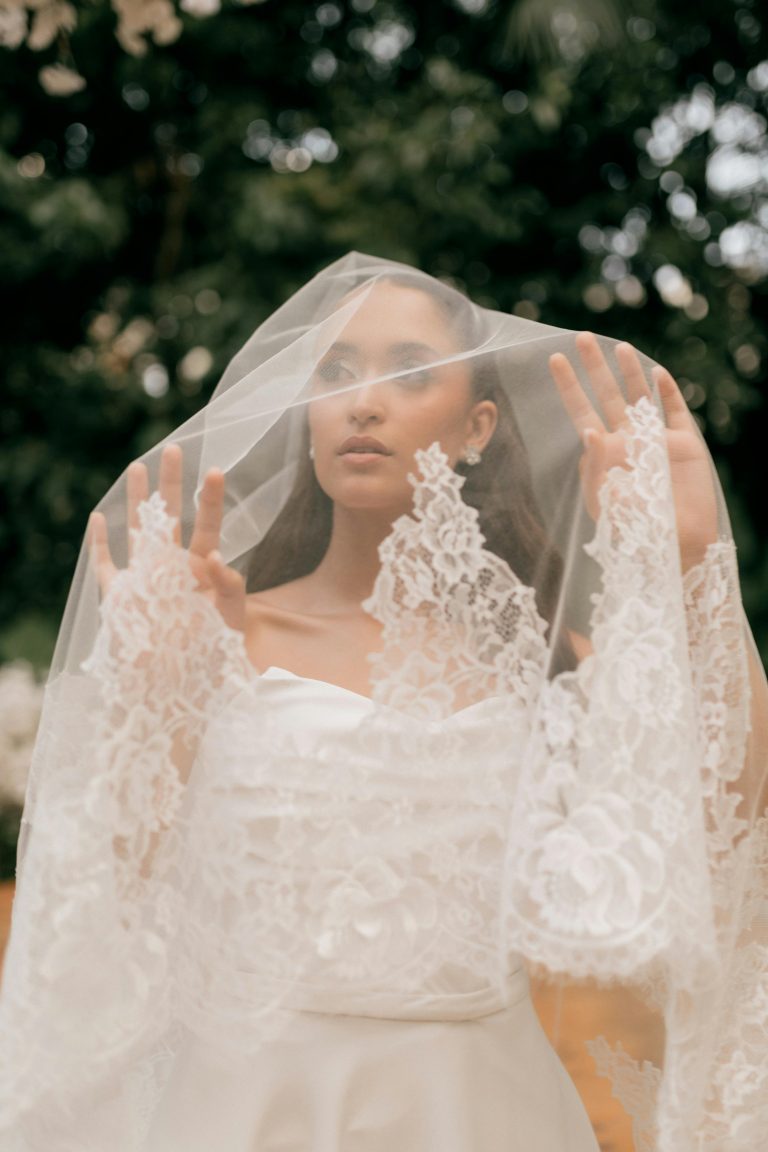
    But in 2026, pearl veils feel softer and more refined than the heavily embellished versions we saw a few years ago. Designers are favouring delicate scattered pearls across sheer tulle for a barely-there shimmer that catches beautifully in photographs and candlelight.

    The appeal? Versatility.

    Pearl veils pair effortlessly with minimalist satin gowns, but they also add texture to clean silhouettes without competing against intricate dresses. Brides are increasingly using the veil itself as the statement piece instead of relying on heavily embellished gowns.

    Cathedral veils are getting even more dramatic

    Cathedral veils remain one of the biggest bridal trends of the year, with extra-long lengths, pooling tulle and oversized silhouettes dominating bridal editorials and runway collections. What’s changed is how brides are styling them.

    Instead of pairing dramatic veils with equally dramatic gowns, many brides are choosing sleek crepe or mikado dresses and letting the veil create the impact. The contrast between clean tailoring and romantic movement feels modern, expensive and editorial.

    Honestly? This is one of the smartest styling shifts happening in bridal fashion right now. A simple gown with a breathtaking veil, photographs far more timelessly than an overly embellished dress-and-accessories combination fighting for attention.

    Lace-edged veils are making a comeback

    Lace never really disappears from bridal fashion, but 2026 is bringing back softer, more intentional lace detailing – especially on veils.

    We’re seeing:

    • Scalloped lace trims
    • Botanical embroidery
    • Delicate floral appliqué
    • Mantilla-inspired lace framing

    The overall aesthetic feels romantic and heirloom-inspired rather than overly traditional. Spanish-style mantilla veils in particular are quietly becoming one of the most fashion-forward bridal choices for 2026, especially for brides wanting a softer, old-world elegance.

    Minimalist veils are becoming more refined

    At the same time, minimalist brides are doubling down on simplicity. Raw-cut edges, ultra-fine illusion tulle and lightweight single-layer veils are everywhere right now.

    The goal is movement rather than volume. These veils float instead of drape, creating an effortless softness that works beautifully for modern city weddings, destination ceremonies and fashion-forward brides who want elegance without excess.

    Interestingly, bridal communities online are also steering brides with highly detailed gowns towards cleaner veils to avoid overwhelming the overall look.

    Vintage-inspired veils are rising again

    Bridal fashion’s current obsession with nostalgia is spilling into accessories too. Birdcage veils, Juliet caps and bandeau-inspired styles are all resurfacing for brides wanting something unconventional yet timeless.

    These styles are especially popular for:

    • Civil ceremonies
    • Reception outfit changes
    • Fashion-focused weddings
    • Intimate city celebrations

    The overall vibe feels less “traditional bride” and more editorial fashion moment – which fits perfectly with 2026’s broader bridal trend cycle focused on personality and individuality.

    Personalised veils are becoming non-negotiable

    Customisation might be the defining bridal trend of 2026 overall.

    More brides are adding:

    • Embroidered initials
    • Wedding dates
    • Meaningful phrases
    • Custom lace placements
    • Bespoke colours
    • Family-inspired details

    Celebrity weddings have also fuelled the rise of highly personalised veils, with dramatic embroidered storytelling becoming increasingly aspirational for brides wanting emotional significance woven into their look.

    Bows, soft structure and sculptural styling are trending

    2026 bridal fashion is leaning heavily into femininity again, and veils are following suit. Soft sculptural tulle, oversized bows and layered volume are increasingly appearing across bridal collections and runway styling.

    The result feels playful yet couture-inspired – especially when paired with sleek dresses or minimalist silhouettes.

    For brides wanting a fashion-forward bridal look without committing to a trend-heavy gown, this is an easy way to add personality while keeping the overall look timeless.

    The biggest bridal veil trend of 2026? Intention

    If bridal fashion in 2026 has made one thing clear, it’s this: veils are no longer an afterthought. Whether it’s a dramatic cathedral veil trailing behind a minimalist gown, delicate pearl embellishments catching the light, or a vintage-inspired birdcage moment for the fashion bride, veils have become one of the defining style elements of the modern bridal look.

    And perhaps that’s why they feel so exciting again.

    Brides are moving away from the pressure to look “traditionally bridal” and leaning into styling choices that feel personal, fashion-led and emotionally resonant instead. The veil is no longer just there to complete the outfit – it’s there to transform it.

    In 2026, the veil isn’t playing supporting actress anymore. It’s stealing the entire scene.

    ALSO SEE: Looking for the perfect wedding dress? Here are a few tips to find the one

    Looking for the perfect wedding dress? Here are a few tips to find ‘the one’

    Featured image: Alexander Mass / Pexels 

    Incorporating Mzansi flavour into your wedding is a lovely way to pay homage to your country or family. Whatever your heritage, here are some of the best ways to stay proudly South African on your big day.

    1. A sense of ceremony

    Are there poems, quotes or vows that are particular to your heritage or culture? Incorporate them into your ceremony and make sure to emphasise them in your programme. You could even elaborate on the origin and history of the words you include or ask whoever is marrying you to add these anecdotes as well.

    2. Your attire

    Is there a specific colour or print that has meaning in your family? Try and include it in a subtle way, for example, maybe a hairpin, brooch, pocket square or even a pair of shoes in a colour or pattern that represents your particular heritage.

    3. The food

    How about serving welcome drinks infused with flavours of well-known South African herbs and plants? Think buchu gin, geranium cordial, rooibos iced tea … the options are endless. And when it comes to food, traditional doesn’t have to mean boring. There are many ways you can transform much-loved homestyle dishes – from bredie to braai – into appetising, intricate canapés and sophisticated mains.

    4. Flowers & decor

    South Africa is blessed with an abundance of unique, exquisite flora. Instead of trying to get hold of exotic plants and flowers, try using indigenous, seasonal ones that are found in your hometown. Proteas, strelitzias and succulents can look striking paired with simple greenery, and will be a much more cost-effective option too! Consider texture as well: wooden, woven or African-print table runners and underplates work well when combined with minimalist elements.

    5. The music

    A wedding playlist is very personal and should include songs from some of your favourite moments together. Add a little twist by including a traditional song somewhere in the playlist – whether it be during your first dance or when people are grooving on the dance floor later.

    Celebrate your love, the Mzansi way

    At the heart of it all, adding a touch of Mzansi flair to your wedding is about celebrating where you come from and the people who helped shape your story. Whether it’s through music, food, fashion or meaningful traditions, these local touches create a wedding that feels warm, personal and unmistakably South African. The beauty of a Mzansi-inspired celebration is that there are no strict rules — just moments that honour your culture, your love story and the joy of bringing people together.

    ALSO SEE: 7 Fun-loving wedding ideas to move your wedding from traditional to funtastic

    7 Fun-loving wedding ideas to move your wedding from traditional to funtastic

    Featured image : Pinterest

    For years, destination weddings were seen as the ultimate modern fairytale: oceanfront vows, multi-day celebrations and Instagram-worthy scenery far away from home. But in 2026, couples are asking a much more practical question – are destination weddings still actually worth it?

    The answer is no longer as straightforward as it used to be. Between rising travel costs, guest fatigue and the growing shift towards intentional weddings, destination celebrations are evolving fast. Yet despite the challenges, they remain incredibly popular – just in a very different form than before.

    Destination weddings aren’t disappearing, they’re getting smaller

    One of the biggest misconceptions about destination weddings is that they’re fading out. In reality, they’re simply becoming more intimate.

    Across wedding trend reports, planners are seeing couples move away from huge overseas guest lists in favour of smaller, experience-focused celebrations with close family and friends only.

    The modern destination wedding is less about showing off and more about creating quality time. Instead of inviting 200 guests, many couples are hosting 30 to 70 people and investing more intentionally in the experience itself – boutique accommodation, curated dinners, welcome events and extended weekends together.

    Ironically, smaller guest lists are making destination weddings feel more luxurious and personal than ever.

    The cost conversation is changing

    The idea that destination weddings are always cheaper than traditional weddings is becoming increasingly outdated. While a smaller guest list can reduce overall costs, destination weddings come with their own financial pressures: travel logistics, accommodation coordination, vendor transport and multi-day hosting expectations.

    According to recent wedding budget breakdowns, destination weddings in 2026 can range anywhere from mid-tier affordability to ultra-luxury pricing depending on the location and guest count.

    At the same time, guests are becoming more vocal about the financial strain of attending weddings that require flights, leave days and expensive accommodation. Online discussions around “wedding guest fatigue” have exploded, with many people admitting they now decline destination weddings due to costs.

    That shift is forcing couples to think more carefully about accessibility, affordability and whether their dream location genuinely works for the people they want there most.

    Guest experience now matters more than aesthetics

    Perhaps the biggest shift in 2026 wedding culture is that couples are prioritising how a wedding feels – not just how it photographs.

    Wedding experts say guest experience has become one of the defining priorities for modern weddings.

    That means destination weddings only really work when logistics are handled thoughtfully. Couples are increasingly choosing destinations with easier travel access, group accommodation options and activities that feel worthwhile for guests making the trip.

    There’s also growing resistance to weddings that unintentionally burden guests financially. Viral social media debates and Reddit threads regularly criticise destination weddings that expect guests to overspend or navigate complicated travel arrangements with little support from the couple.

    In other words: the “worth it” factor often depends less on the destination itself and more on how considerate the planning is.

    Social media changed destination weddings, and couples are noticing

    For years, destination weddings exploded partly because of aspirational wedding content online. Beautiful villas in Italy, beach ceremonies in Bali and cliffside receptions in Greece became part of the modern wedding fantasy.

    But in 2026, there’s noticeable pushback against weddings designed primarily for aesthetics or content creation. Industry reports show couples are leaning towards more authentic, personal celebrations instead of recreating viral Pinterest weddings.

    That doesn’t mean destination weddings are “out.” It simply means couples are becoming more intentional about why they’re choosing them.

    A meaningful location, cultural connection or intimate travel experience now tends to resonate more strongly than choosing a venue purely because it’s trending online.

    So… are destination weddings still worth it?

    For the right couple, absolutely.

    Destination weddings still offer something traditional weddings often struggle to replicate – uninterrupted time with loved ones, immersive experiences and the feeling of stepping away from everyday life completely.

    But in 2026, successful destination weddings require balance. Couples are increasingly expected to think about guest budgets, convenience, genuine experience and not just aesthetics.

    The destination weddings that work best today are the ones rooted in intentionality rather than excess. Smaller guest lists, meaningful locations and carefully considered experiences are replacing the pressure to create the biggest or most extravagant celebration possible.

    And honestly? That shift might be what saves destination weddings from becoming just another passing trend.

    ALSO SEE: Honeymoon in Your Backyard: Luxury Destinations in South Africa That Couples Overlook

    Honeymoon in Your Backyard: Luxury Destinations in South Africa That Couples Overlook

    Feature image: Pinterest

    When planning your wedding reception, few decisions shape the atmosphere quite like the drink’s menu. From champagne towers to personalised cocktails named after your pets, modern weddings are moving far beyond the standard “red or white?” approach.

    One of the biggest questions couples face is whether to go all out with an open bar or opt for curated signature cocktails instead. While both options create a memorable guest experience, the right choice often comes down to your budget, guest list, venue style and the kind of celebration you want to create.

    So – which one actually works best?

    The case for an open bar

    An open bar is exactly what it sounds like: guests can order drinks throughout the reception without paying for them directly. Depending on your package, this could include everything from wine and beer to premium spirits and cocktails.

    For many couples, an open bar feels generous, luxurious and effortless. Guests don’t have to think about carrying cash or limiting themselves, which naturally creates a more relaxed and celebratory atmosphere.

    Why couples love it:

    • It feels inclusive and hospitality-driven
    • Guests have freedom to choose their preferred drinks
    • It keeps energy levels high during the reception
    • It suits large, social celebrations
    • Open bars also work especially well for formal evening weddings where the reception is expected to continue late into the night.

    The downsides of an open bar

    Of course, there’s a reason many couples hesitate before committing to one: cost.

    Open bars can become expensive very quickly, especially with larger guest lists or premium liquor selections. Some venues charge per person, while others bill based on consumption – which can make budgeting unpredictable.

    There’s also the reality that not every guest drinks equally. In some cases, couples end up paying significantly more for options many guests never touch.

    Another consideration is pacing. While most guests drink responsibly, unlimited access can occasionally lead to overindulgence, particularly at long receptions.

    Why signature cocktails are having a moment

    Signature cocktails have become one of the biggest modern wedding trends – and for good reason.

    Instead of offering a full open bar, couples create a smaller, curated drinks experience featuring one to three custom cocktails. These drinks are often personalised to reflect the couple’s personalities, relationship story or wedding aesthetic.

    Think:

    • A spicy margarita inspired by your first holiday together
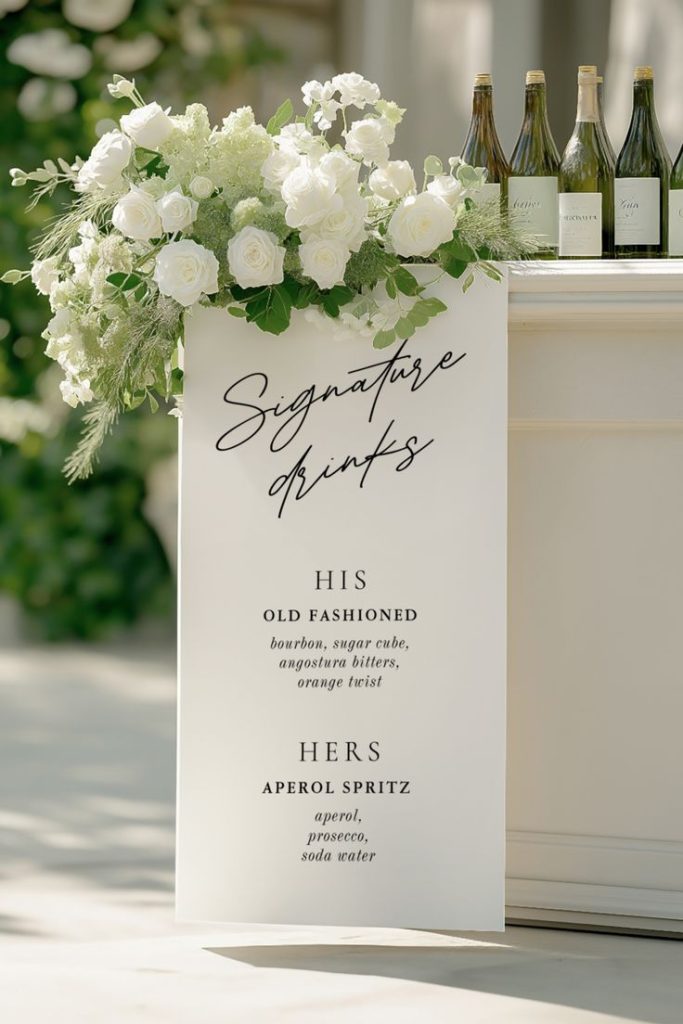
    • His-and-hers cocktails
    • A mocktail option for non-drinkers
    • Drinks named after pets, favourite cities or inside jokes

    Signature cocktails instantly make a wedding feel more intentional and personal. They also photograph beautifully, which certainly doesn’t hurt in the Instagram era.

    The biggest advantage? Budget control

    For many couples, signature cocktails offer the perfect middle ground between elevated and affordable.

    Because the menu is limited, costs become easier to manage. Bartenders can prepare drinks faster, ingredients can be purchased in bulk, and couples avoid paying for dozens of different spirits and mixers.

    This option also works particularly well for:

    • Daytime weddings
    • Intimate celebrations
    • Destination weddings
    • Garden or outdoor receptions
    • Couples prioritising aesthetics and experience over excess

    But will guests feel limited?

    That depends entirely on execution.

    Guests generally don’t mind a limited menu if the drinks feel thoughtful and well-designed. The key is variety. Offering one refreshing option, one stronger cocktail and a non-alcoholic choice usually keeps everyone happy.

    Problems only arise when couples overcomplicate the menu or choose drinks based solely on personal taste without considering guests.

    For example, a highly niche cocktail with unusual ingredients may sound exciting in theory, but not everyone wants smoked rosemary tequila at 2pm.

    The best signature cocktail menus balance personality with crowd appeal.

    So, what works best?

    There’s no universal answer – only what works best for your wedding style, priorities and budget.

    An open bar may suit you if:

    • You’re hosting a large evening reception
    • Guest experience is your top priority
    • Your budget allows flexibility
    • You want a traditional party atmosphere

    Signature cocktails may work better if:

    • You want a more curated, modern experience
    • You’re working within a tighter budget
    • You love personalised details
    • Your wedding aesthetic is experience-focused

    And honestly? Many couples are choosing a hybrid approach.

    A limited open bar paired with one or two signature cocktails often gives guests the best of both worlds. It keeps costs manageable while still creating a memorable, elevated experience.

    The final sip

    At the end of the day, your drinks menu should reflect the kind of celebration you want – not what social media says a wedding “needs.” Guests rarely remember whether the bar carried twelve whiskey options. They do remember how the wedding felt: welcoming, thoughtful and fun.

    Whether that comes through endless espresso martinis or one perfectly crafted signature cocktail is entirely up to you.

    SEE MORE: Creative ways to serve your wedding drinks

    Creative ways to serve your wedding drinks

    Featured image: Pinterest

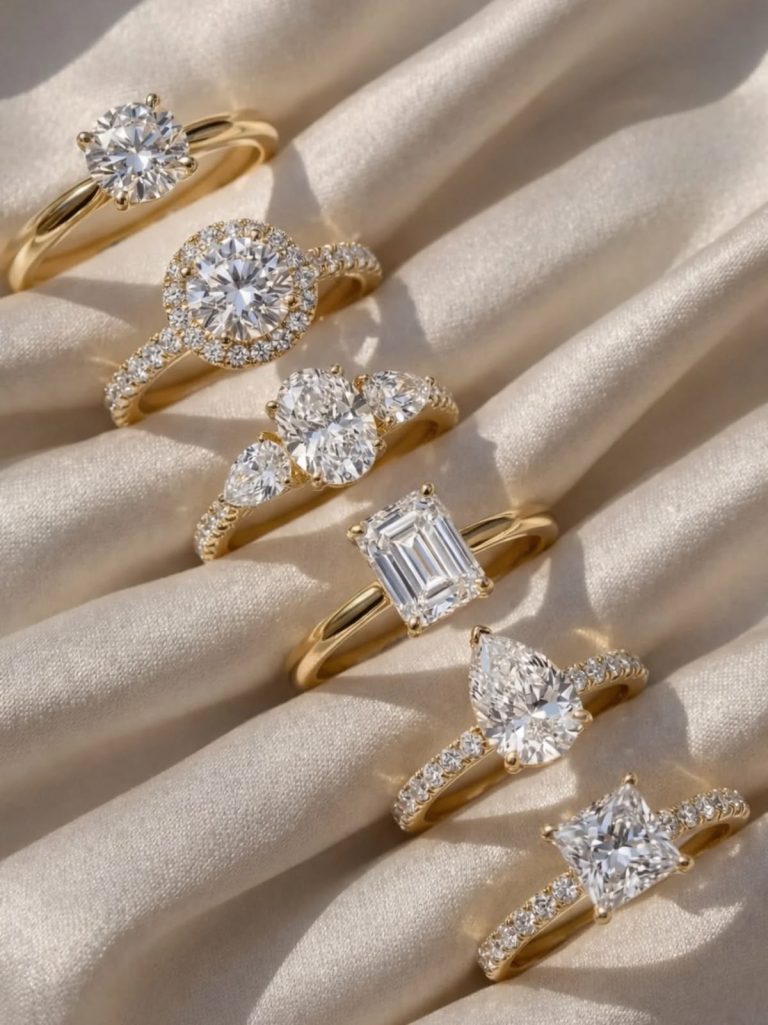
    There are many popular diamond shapes to choose from when it comes to engagement rings. The top ten are: round, princess, oval, marquise, pear, cushion, emerald, asscher, radiant and heart.

    The shape of the diamond refers the basic outline when viewed face up. The cut of a diamond refers to how the diamond’s facets are arranged and its ability to reflect light. The most common cutting style is brilliant (cut with 57 or 58 facets to maximise sparkle) and then there is also the step cut which is generally used when cutting square and rectangular shapes (used for cutting emerald and asscher shapes).

    Considering the 4 C’s — cut, colour, clarity and carat weight — alongside your budget is important when deciding on a diamond shape. Ultimately, though, it comes down to personal preference, as each shape offers its own unique charm and character.

    Round

    A round shaped diamond is the most popular choice for an engagement ring as it looks good on most hands and in most settings. Almost all round diamonds are cut brilliant which maximises the potential brightness. However, due to the high demand of this shape, the cost per carat is higher than other shapes.

    Princess

    This shape is also very popular due to the fact that it has a unique shape and has a slightly lower price per carat than the round shape. It also works in most ring setting styles, although it should be set with 4 prongs to protect all four corners. A brilliant cut princess diamond rivals the brilliant round because it offers that sparkle at a lower price. Its square shape also easily disguises imperfections meaning that you can choose pretty much any carat size.

    Oval

    This shape is becoming more popular and it is an adaptation of the brilliant cut round shape so it is perfect for those who like the sparkle of the round but want something a bit more unique. The elongated shape creates the illusion of a larger size and makes the finger appear longer and slimmer. It is also flexible in terms of setting styles and hides small imperfections.


    View this post on Instagram


    A post shared by Cape Diamonds (@capediamonds)

    Marquise

    This long and narrow shape has one of the largest surface areas in the upper part of the diamond of all the shapes. It makes the size appear larger than it is and makes the finger seem longer and slimmer, like the oval. Symmetry is important when cutting this shape as the two end points should align and the right and left sides should form a mirror image. It should be set with 2 prongs to protect the two points.

    Pear

    This shape is a combination of the round and marquise shapes with a tapered point on the one end. It also has the lengthening and slimming effect on the finger due to its asymmetry. It is feminine, unique and elegant. This shape also needs to be symmetrical and set with a prong at the point for protection. You can decide which direction you would like the point to face but positioning the point to face the fingernails is more flattering on the hand.

    Cushion

    Cushion cut is a square shape with rounded corners. This style shows clarity (imperfections) well which is something to take into consideration when deciding which of the 4 c’s is most important to you – high clarity in this case. This shape works well in vintage settings.


    View this post on Instagram


    A post shared by Cape Diamonds (@capediamonds)

    Emerald

    This shape was originally for cutting emeralds, hence the name. Due to the way it’s cut, it produces a hall of mirrors effect rather than the sparkle that comes with brilliant cuts. It also emphasises the symmetry that comes with this shape. It is flattering on the hand and the long lines and flashes of light that come with this shape bring a sense of elegance. It is not such a common choice for an engagement ring meaning that you can find more affordable options in higher quality than other shapes. However, this shape does not hide imperfections as well as shapes that are cut brilliant.


    View this post on Instagram


    A post shared by Ralph Jacobs (@ralphjacobssa)

    Asscher

    This shape has an antique feel to it and is similar to the square emerald but with larger facets. The more facets, the more sparkle. But like the emerald and because of the open and square cut corners, it does not hide imperfections well and so a high clarity is necessary.


    View this post on Instagram


    A post shared by Grand Diamonds (@granddiamondscpt)

    Radiant

    This shape is the first square shape to be cut brilliant, the second being princess. A square radiant shape is similar to princess but with cropped corners. It will often look the same as princess if it is set with four prongs covering each corner. A rectangular radiant shape is perfect for those who like the look of the emerald shape but want the shine that comes with the brilliant cut. Clarity is less of a concern with this shape as the many facets hide imperfections.


    View this post on Instagram


    A post shared by Ralph Jacobs (@ralphjacobssa)

    Heart

    This shape is a classic symbol of love but carat weight is important as the shape is difficult to achieve in diamonds smaller than 0.50 carats. Symmetry is also important in this shape. The irregular shape of a heart cut means it will need to be set with more prongs to protect the stone. The many facets that come with the cutting of this shape will ensure a lot of sparkle.

    Ultimately, choosing a diamond shape comes down to balancing personal style, practicality and budget. Some shapes maximise sparkle, others create the illusion of a larger stone, while certain cuts highlight clarity and symmetry more than others.

    If you love brilliance and shine, opt for a brilliant-cut shape like round, princess or radiant. If you prefer elegance and finger-lengthening silhouettes, oval, marquise and emerald cuts are timeless choices. And if vintage-inspired or distinctive styles appeal to you, cushion, asscher or pear shapes offer plenty of character.

    The best way to decide? Narrow your favourites down to two or three shapes and try them on in person. Seeing how each shape looks and feels on your hand will ultimately tell you more than any guide can.

    ALSO SEE: Unique wedding rings designed by local jewellers

    Unique wedding rings designed by local jewellers

    Featured image: Pinterest


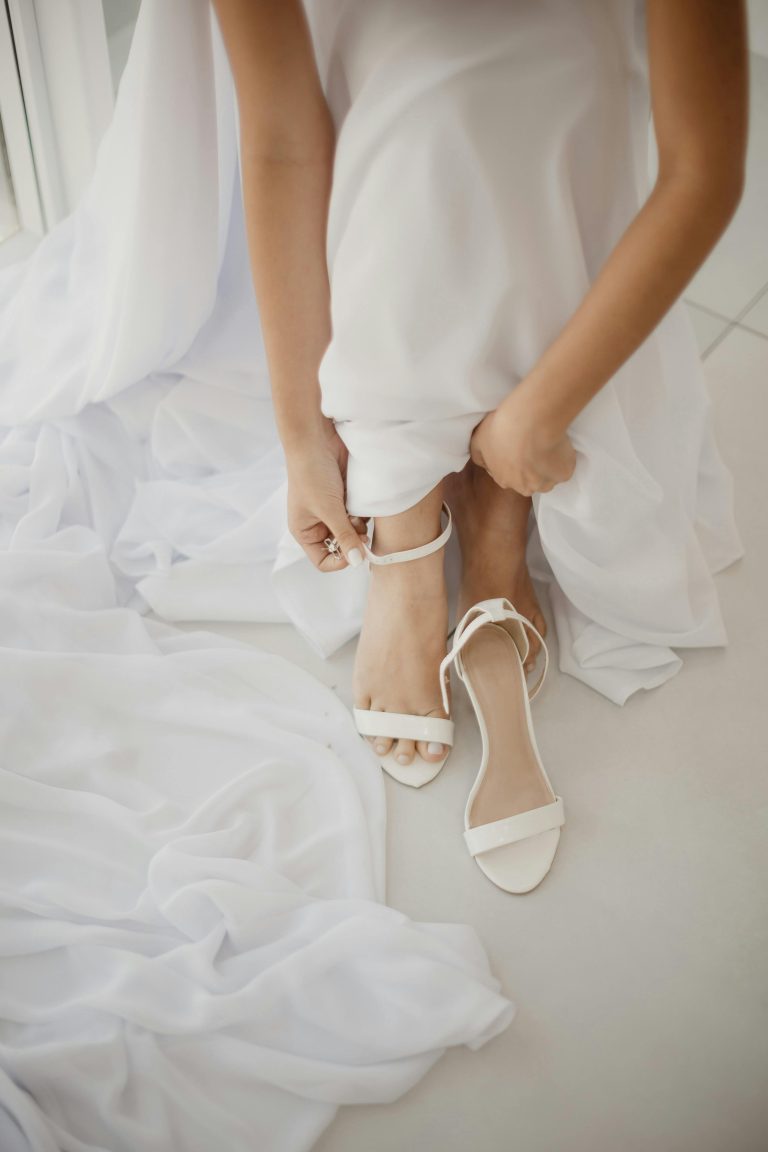
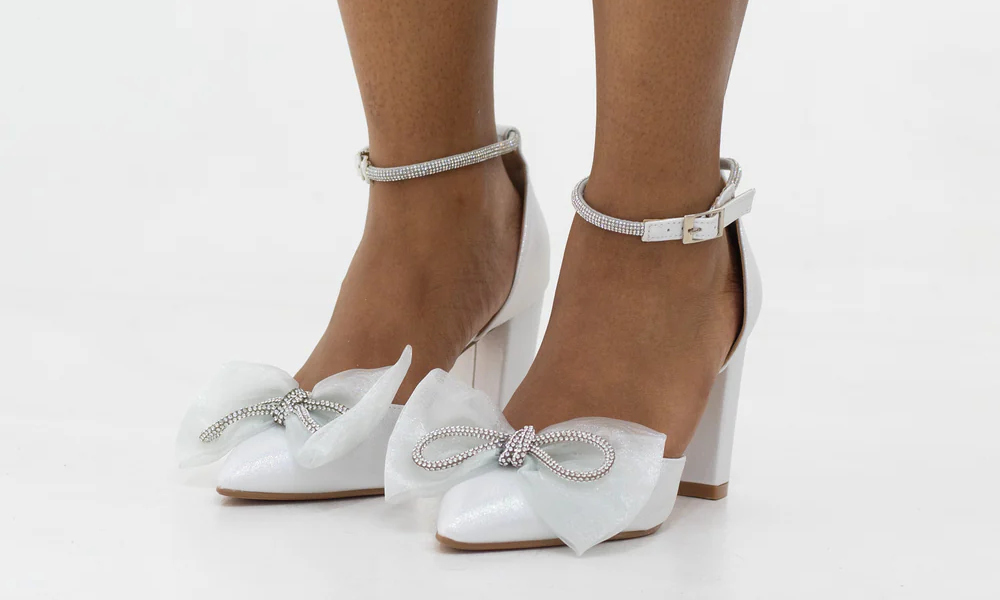
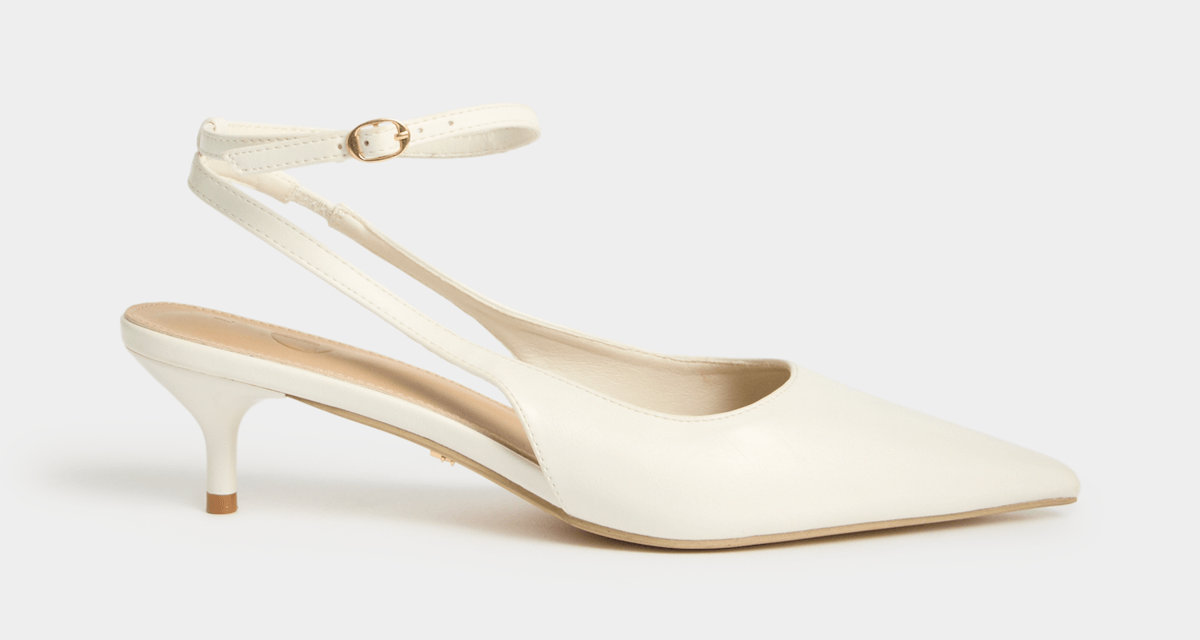
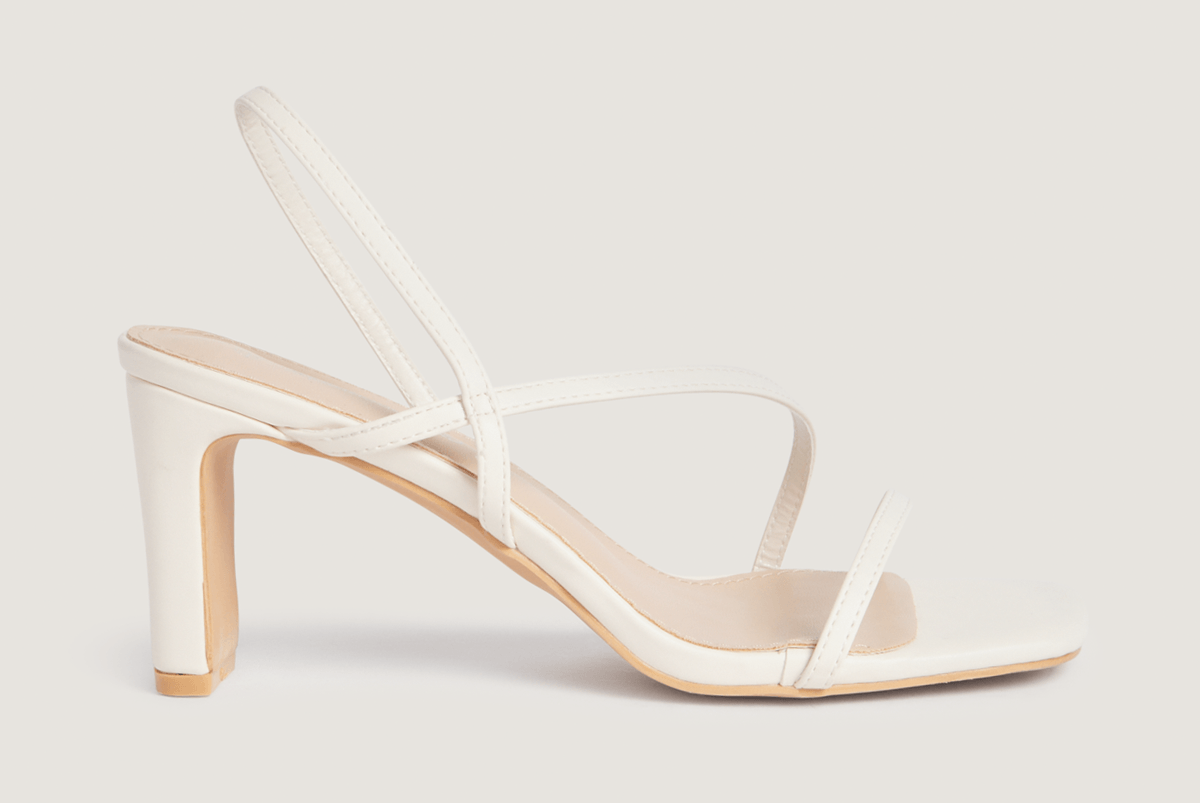
    You do not need to spend your entire wedding budget on one pair of shoes you will wear for a few hours. These days, budget-friendly bridal shoes are proving that style, comfort and affordability can absolutely go hand in hand.

    There are plenty of bridal shoes under R600 that look just as dreamy walking down the aisle as they do styled with jeans, dresses or tailored pants long after the wedding day is over. Because honestly, if you can rewear your wedding accessories after the big day, that is a win.

    We rounded up beautiful bridal shoes under R600 that are wedding-worthy, wearable beyond the aisle and proof that looking chic on your big day does not have to cost an arm, a leg or your two front teeth.

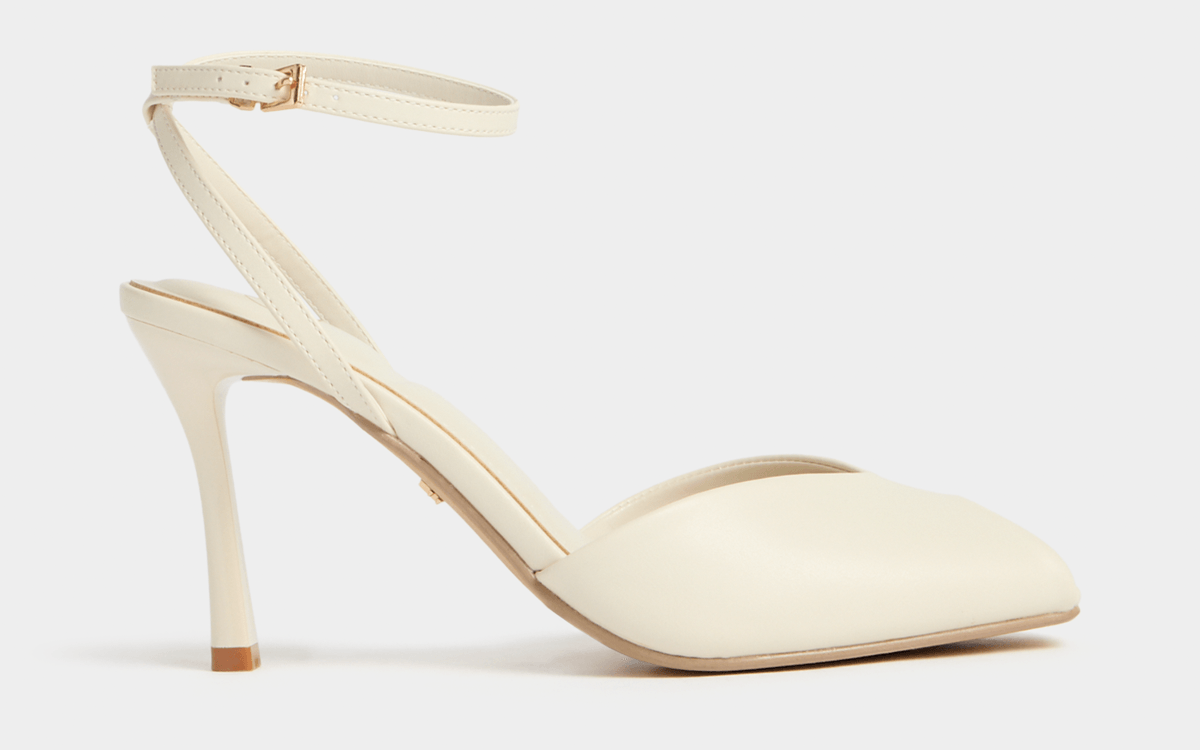
    Tori Satin 9cm Heel With Netted Trim Court Shoe, R550, Lamara Paris

    bridal shoes

    Pointy Slingback Kitten Heels, R459, Foschini

    bridal shoes

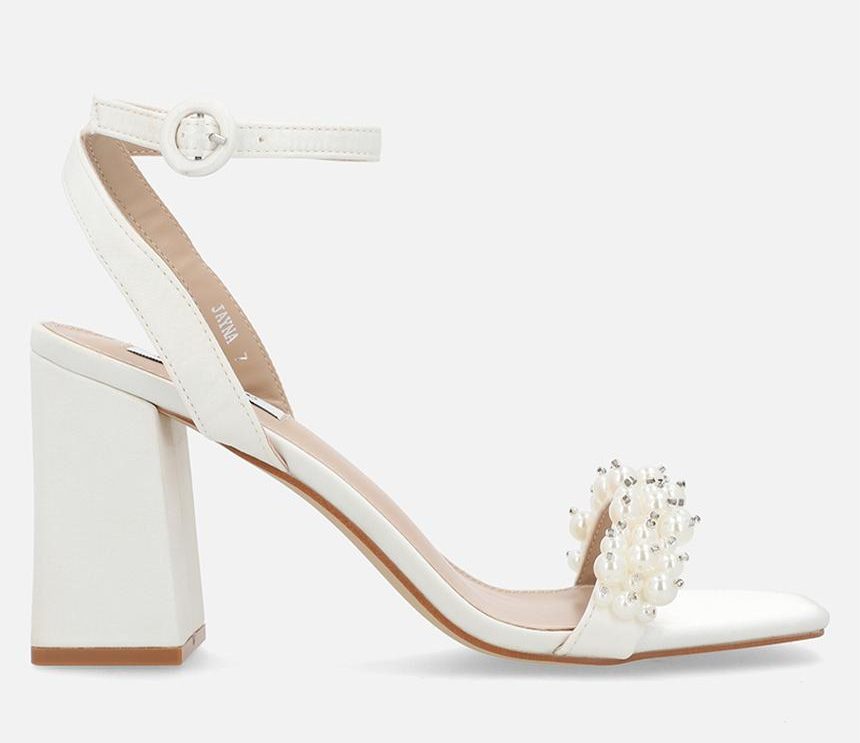
    Jayna Block Ankle Strap Heel, R519, Superbalist

    bridal shoes

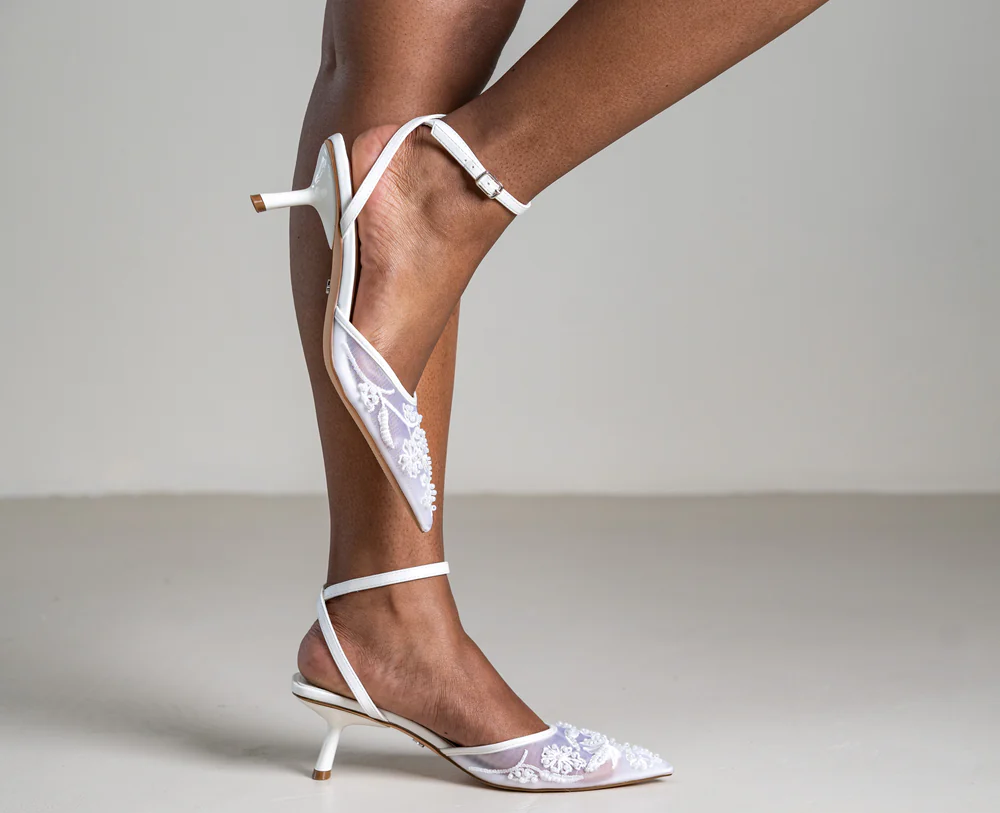
    Rasa Embroidered Slingback Pointed 4.5cm Heel, R500, Lamara Paris

    wedding shoes

    Peeptoe Ankle Tie Heels, R499, Foschini

    wedding shoe

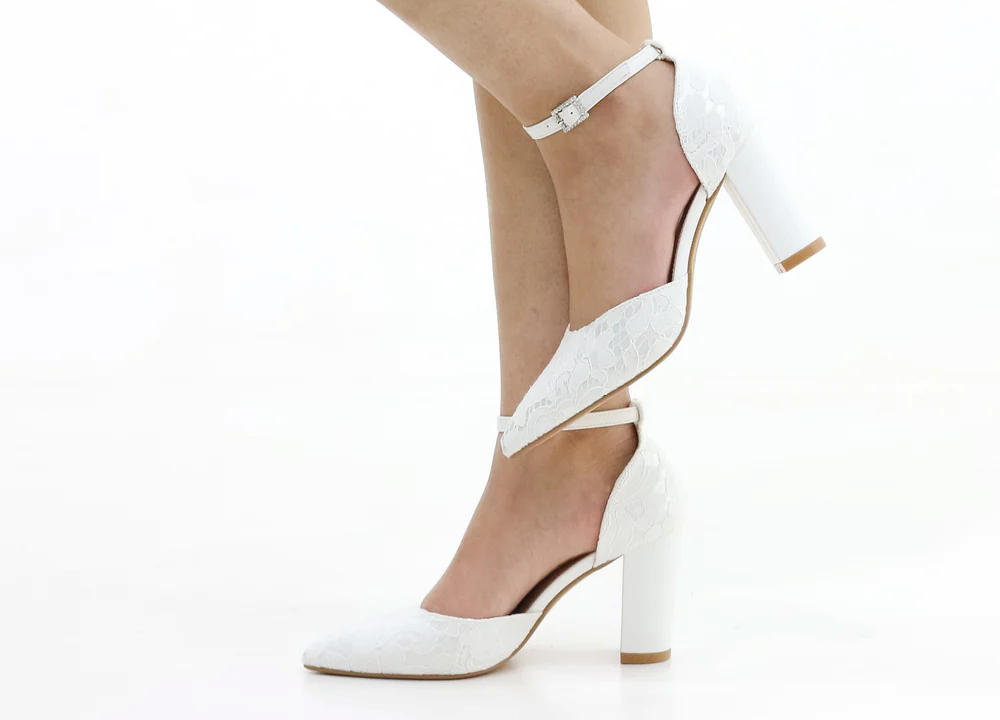
    Misty Block 9cm Heel Open Waist Cross Over Belts Glitter, R499, Lamara Paris

    Women’s Iconography Strappy Block Heel, R599, BASH

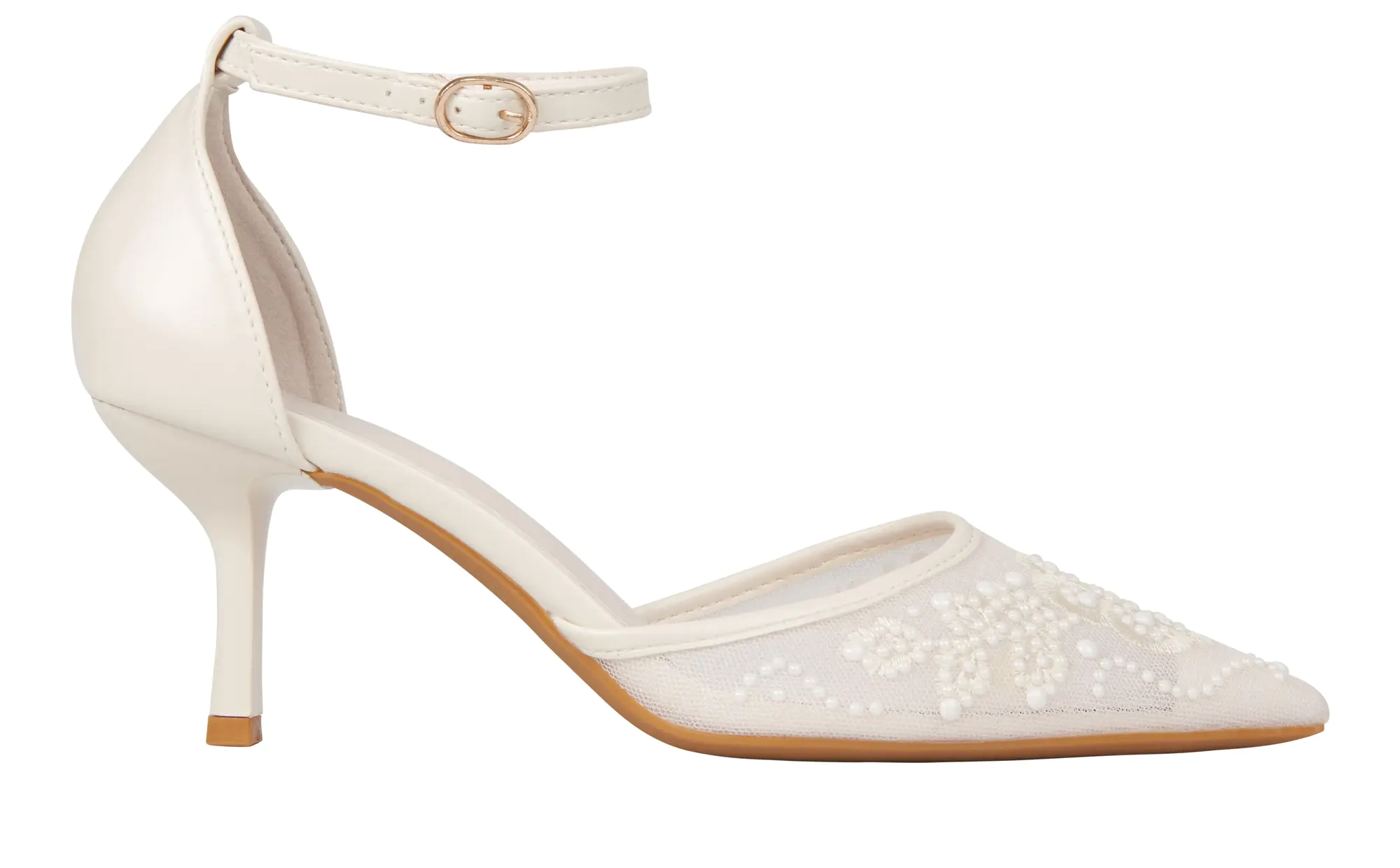
    Mesh And Beaded Shoe With Ankle Strap, R550, Queenspark

    ALSO SEE: Non-white wedding dresses are no longer a bridal taboo

    Non-white wedding dresses are no longer a bridal taboo

    Feature image: Pexels