• Tag

    wedding tips

    Browsing

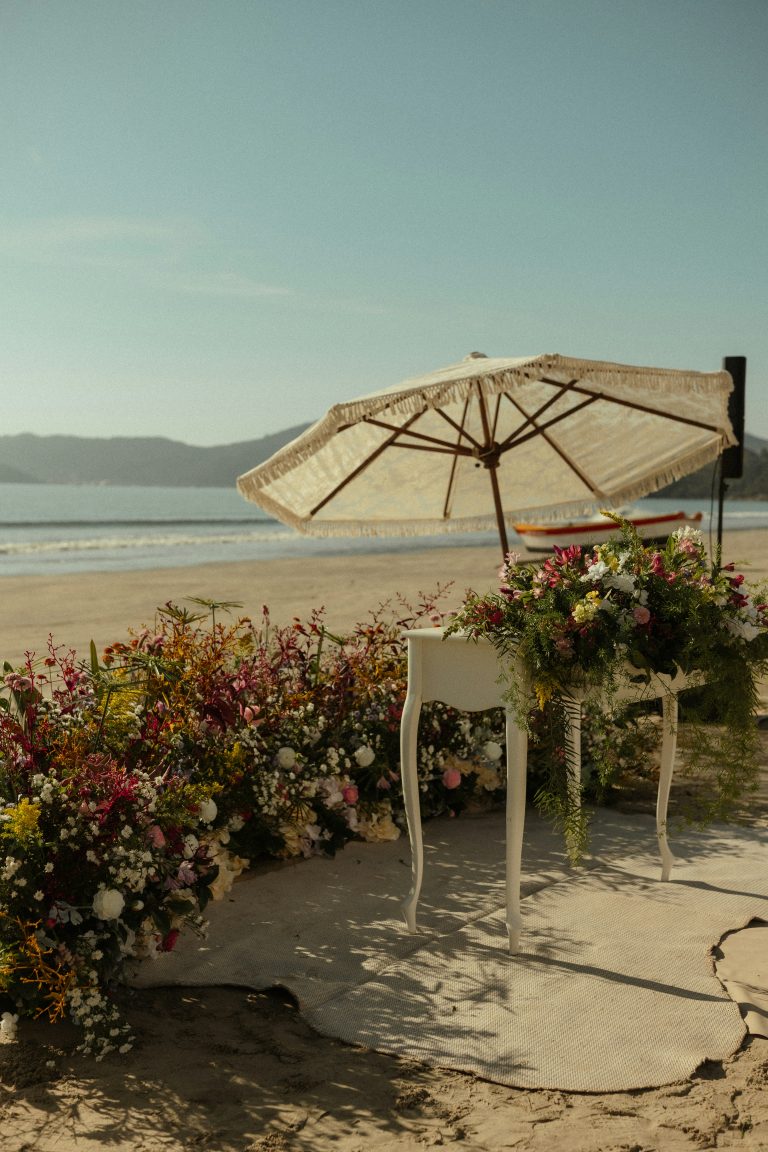
    There are few settings as effortlessly romantic as the beach. The sound of crashing waves, golden light and endless ocean views create a naturally breathtaking backdrop that needs little embellishment. But while a seaside ceremony may look effortless, pulling one off successfully requires thoughtful planning.

    From changing tides and coastal weather to guest comfort and eco-conscious choices, today’s beach weddings are about balancing style with practicality. Here’s how to create a celebration that’s every bit as memorable as the setting.

    1.Choose your beach carefully

    Not all beaches are created equal when it comes to weddings. Some offer dramatic scenery but are exposed to strong winds, while others provide calmer waters, easier access and better facilities.

    Before falling in love with a location, visit it at the same time of day as your planned ceremony. You’ll get a better feel for lighting, tides, crowds, parking and wind conditions. If you’re using a public beach in South Africa, check municipal permit requirements well in advance, as many beaches require official approval for ceremonies.

    2. Let nature set your timeline

    Golden hour remains one of the biggest wedding trends for good reason. Scheduling your ceremony shortly before sunset offers softer light for photography, cooler temperatures and a more comfortable experience for guests.

    Equally important is checking local tide charts. A ceremony planned at low tide could look very different a few hours later, so work with your planner or venue to ensure the ocean stays where it’s meant to.

    3. Have a weather backup you actually love

    Every outdoor wedding needs a Plan B, and the coast is no exception.

    Rather than treating your backup option as an afterthought, choose an alternative space that feels just as beautiful as your original vision. Whether it’s a glass-fronted venue overlooking the sea or an elegant sailcloth tent, you’ll enjoy the day far more knowing unexpected weather won’t derail your celebration.

    4. Dress for the setting

    A beach wedding is the perfect excuse to embrace effortless elegance.

    Lightweight fabrics such as chiffon, silk, crepe and linen move beautifully in the sea breeze while keeping everyone comfortable. Brides are increasingly opting for streamlined silhouettes, detachable overskirts and relaxed styling, while grooms are swapping heavy tuxedos for linen suits in soft neutrals.

    Footwear matters too. Block heels, wedges, embellished sandals or even barefoot ceremonies are all practical alternatives to stilettos disappearing into the sand.

    5. Keep your décor simple

    One of the greatest advantages of a beach wedding is that nature already provides the wow factor.

    Rather than competing with the scenery, lean into natural textures like linen, timber, rattan, glass and locally sourced florals. Neutral palettes inspired by sand, shells and ocean blues continue to dominate coastal weddings, creating a timeless look that complements the landscape instead of overwhelming it.

    6. Prioritise guest comfort

    Beautiful views won’t matter if guests are uncomfortable.

    Offer chilled water before the ceremony, provide fans or parasols on hot days and consider cosy blankets if temperatures are likely to drop after sunset. If elderly guests or anyone with mobility concerns will be attending, ensure there are accessible pathways or boardwalks to the ceremony space.

    Small touches like a shoe station or flip-flops for dancing can make a surprisingly big difference.

    7. Think beyond traditional catering

    Beach locations often come with logistical limitations, so your menu should suit the environment.

    Fresh seasonal ingredients, seafood, grazing tables and lighter dishes work well outdoors, while signature cocktails, mocktails and local wines add a personalised touch at the reception. If alcohol isn’t permitted on the beach itself, host your drinks and reception at a nearby licensed venue with ocean views.

    8. Protect the shoreline

    Sustainability has become one of the defining themes of modern weddings, and beach celebrations offer plenty of opportunities to tread lightly.

    Swap traditional confetti for biodegradable petals, rent décor instead of buying single-use items, source seasonal flowers locally and minimise unnecessary waste wherever possible. The less impact your celebration leaves behind, the more beautiful the coastline remains for future couples.

    10. Invest in great sound

    The ocean may provide the soundtrack, but it also creates one of the biggest challenges during a ceremony.

    Waves and wind can make it surprisingly difficult for guests to hear your vows. A professional sound system with discreet lapel microphones ensures everyone shares the moment without shouting over the surf.

    10. Embrace the relaxed atmosphere

    The most memorable beach weddings aren’t necessarily the most elaborate.

    They’re the ones that embrace the setting – barefoot first dances, sunset portraits, intimate guest lists and meaningful moments that feel authentic to the couple. Recent wedding trends continue to move away from overproduced celebrations in favour of thoughtful, experience-led weddings that prioritise connection over perfection.

    The final word

    A beach wedding will always come with a little unpredictability, but that’s part of its charm. With thoughtful planning, a flexible mindset and a respect for the natural surroundings, your seaside celebration can be as seamless as it is spectacular. After all, when the backdrop is the ocean, you don’t need much else to make the moment unforgettable.

    ALSO SEE: Are destination weddings still worth it in 2026?

    Are destination weddings still worth it in 2026?

    Featured image: Alexander Mass / Unsplash 

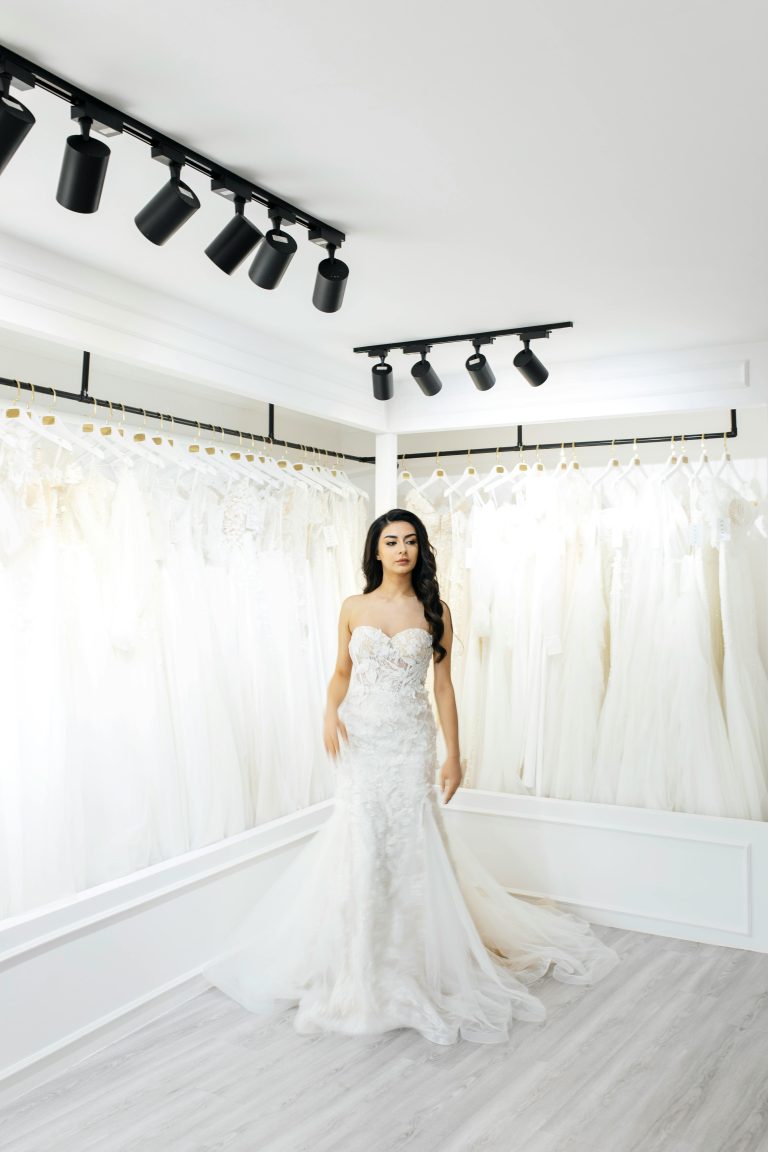
    When it comes to finding “the one” and having that movie-magic moment where your bridesmaids break into a sob after just one look of you in the perfect wedding dress, it all comes down to finding the right shape for your body. We’ve turned to the experts for this one, putting our ear close to the ground and listening to the suggestions that dress designers may have for some potential gown stumbling blocks.

    You’re fuller in the hip/thigh area: 

    Choose something you are comfortable in. If you are confident and love your curves, then there are ways to make a fitted dress accentuate all the right areas. If you are more conservative or feel self-conscious, then go with something that cinches in at the waist and naturally flows out from there.

    You have larger than average breasts: 

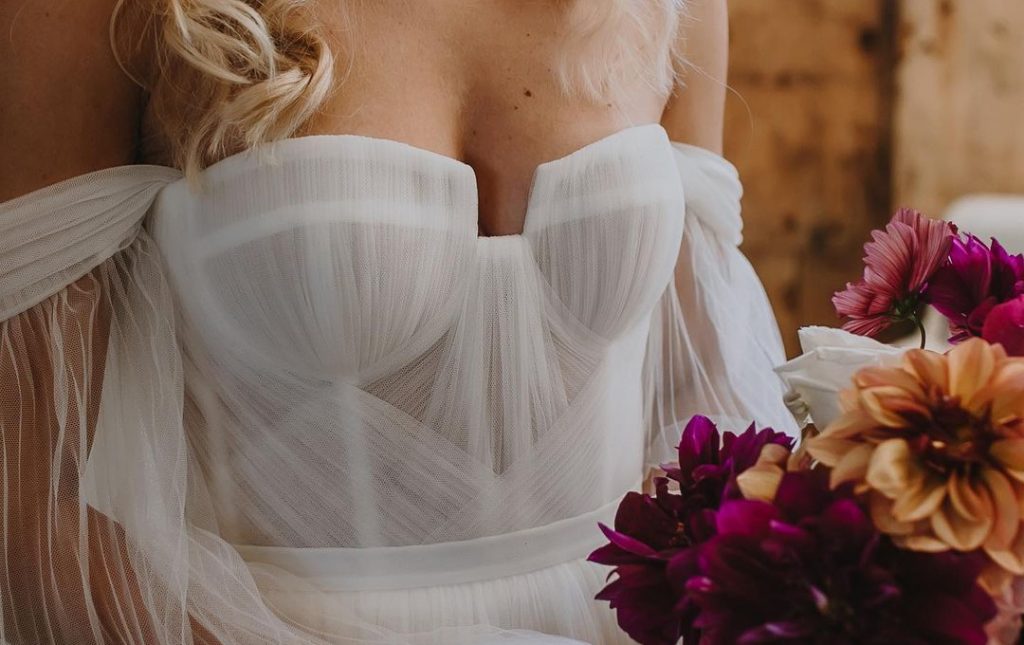
    Get a fully structured bustier if your bust needs that lift and support, or a daring plunge for those girls stay in place.

    You are petite

    If you are going for lace, something with smaller patterns would be best. If not, choose something streamlined and gorgeous! Even the princess look can work, if done right.

    You don’t look good in classic white or ivory

    Nude, toffee and sand shades are hot this season! Oyster is also a wonderful shade that suits a variety of skin tones.

    You’re not too keen on exposing a lot of skin 

    A beautiful, hand-engineered, appliquéd illusion sleeve is the best of both worlds!

    ALSO SEE: 10 things to know before going dress shopping

    10 things to know before going dress shopping

    Feature Image: @aglowceleste

    Finalising your guest list is where wedding planning starts to feel very real  (and very personal). Between budgets, venue limits and family expectations, deciding who gets a plus-one can quickly become one of the trickiest parts of the process.

    The good news? There’s no one-size-fits-all rule. With a clear approach (and a little confidence), you can make decisions that feel fair, thoughtful and aligned with your vision for the day.

    What is a wedding plus-one, really?

    A “plus-one” simply means a guest is invited to bring someone along — usually a partner, but sometimes a date or companion. It’s a lovely gesture, but not a requirement for every guest.

    Start with your non-negotiables

    Before diving into individual decisions, get clear on your limitations:

    • Budget: Every extra guest affects catering, seating and rentals
    • Venue capacity: Space will naturally cap your numbers
    • Wedding style: A large, lively celebration vs an intimate gathering

    Once you know your boundaries, it becomes much easier to make consistent calls.

    Who should get a plus-one?

    While every wedding is different, there are a few widely accepted guidelines that help keep things fair and respectful.

    Couples in committed relationships

    If a guest is married, engaged or in a long-term relationship, it’s generally expected to include their partner, even if you’ve never met them. It acknowledges their relationship as a meaningful part of their life.

    Your bridal party

    Your inner circle has likely shown up for every fitting, plan and pre-wedding moment. Offering them a plus-one is a simple but meaningful way to say thank you.

    Guests travelling or coming solo

    If someone is travelling far or won’t know many people at your wedding, allowing them to bring a guest can make the experience far more comfortable and enjoyable.

    Close friends and immediate family

    For your nearest and dearest, a plus-one can feel like a natural extension of their invite, even if they’re not in a serious relationship.

    Who doesn’t necessarily need one?

    This is where it gets a little more flexible and where your discretion comes in.

    Guests in casual or new relationships

    If someone has only recently started dating, you’re not obligated to extend a plus-one. You can always reassess closer to the wedding if things become more serious.

    Singles who know plenty of guests

    If your friend group overlaps or your family is tight-knit, solo guests are unlikely to feel alone — meaning a plus-one isn’t essential.

    Coworkers or distant connections

    If you’re inviting colleagues or acquaintances, it’s perfectly acceptable to keep the invite limited. Just make sure you’re consistent across the group.

    The golden rule: be consistent

    If there’s one thing that avoids awkward conversations, it’s consistency.

    For example:

    • All married and cohabiting couples get a plus-one
    • Only the bridal party receives one regardless of relationship status
    • Or, no plus-ones beyond serious relationships

    Whatever you decide, apply it across the board. It makes your choices easier to explain and easier for guests to accept.

    How to make it clear on your invitations

    Your invitation should do the talking for you.

    • Named guest only? That person is invited solo
    • “And Guest”? They have a plus-one
    • Both names listed? You’re inviting a specific couple

    You can also clarify your policy on your wedding website to avoid any confusion (or last-minute requests).

    When you can’t offer everyone a plus-one

    If your guest list is tight, don’t feel guilty. It’s completely acceptable to limit plus-ones, especially if you’re prioritising intimacy or working within a strict budget.

    If guests ask, a kind and honest response goes a long way: “We would have loved to include everyone, but due to venue limitations, we’ve had to keep things quite intimate.”

    ALSO SEE: Wedding guest dress code explained

    Wedding guest dress code… explained

    Feature image: Pexels
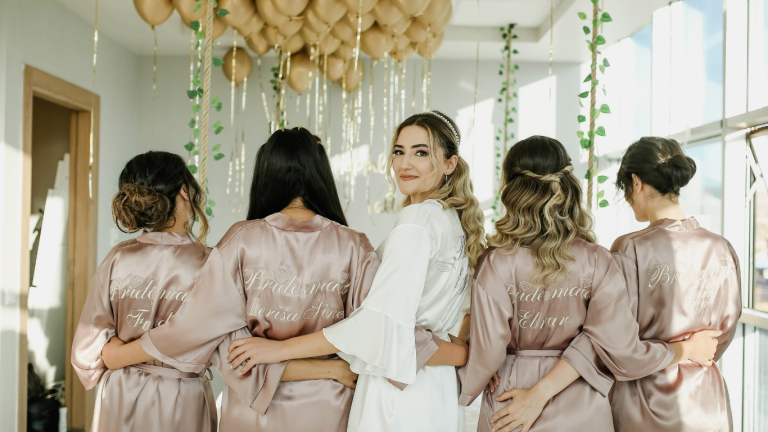
    Most women know what style of wedding dress they want. But have you considered the practicalities of finding your dream frock that have nothing to do with how it looks? Renowned local dress designer Janita Toerien lets us in on the little things you may overlook when shopping for your dress.

    WEAR THE RIGHT UNDERWEAR
    You head into the changing area with a pile of gorgeous dresses, you try on the first one and it is just so… anti-climactic. Why doesn’t it look like you imagined? Well, for one, you’re wearing a bright blue thong that throws off the whole look. Wear the right underwear so the G-string doesn’t make a shadow on the dress or you stress about panties that cut into your bum, says Janita. Fitting consultants won’t judge you on your granny panties or boy shorts! Wearing undies that match your skin tone and shape, and suck in where necessary, help smooth out the silhouette so you can see exactly how the dress is meant to fit.

    FACTOR IN WHERE YOU’RE GETTING MARRIED
    Janita says this is often forgotten: Is the dress practical for your wedding? Consider the physical aspects of where you’re getting married and how your dress will fit into that. For example, a heavy lace-trimmed train and veil will pick up little twigs and dirt as you walk down the aisle of a forest wedding. Or a heavy duchess satin dress will be uncomfortable hot at a midday beach wedding. Choose a dress in the style you love, but that will still allow you to be as comfortable as possible.

    THINK ABOUT THE GIRLS
    Don’t overlook the importance of your boobs: Too much cleavage can distract from your overall look; too covered up can look matronly, not to mention ensuring there’s no accidental spillage. Big busts always look great in a lower neckline, Janita says, but not too low – just enough to open up the chest and shoulder area. This can be a V-neck, off-the-shoulder or scooped neckline. But stay away from strapless, she pleads: “I could write a whole page about why, but for now just heed my advice.” For our flatter-chested sisters, your choices are much wider, but if you want your bust to appear larger, raise the neckline of the dress, she says. Whether it’s a halterneck, V-neck, boat or round neck, simply lift that line a few centimetres.

    WALK, SIT, CROUCH, BEND, DANCE!
    Standing in front of a mirror for 10 minutes isn’t going to give you the full effect of how a dress really wears. Does the top slip down? Do the straps fall off your shoulders? Does the bodice cut into your stomach when you sit? Do you trip on the hem? Get a feel for the dress by sitting, crouching, hugging your mom and busting out a move with your hands in the air. If at any point you have to readjust it, imagine doing that a couple of hundred times on the big day. If it can be fixed with alterations, get them done. If not, it’s probably best to move on.

    ASK ABOUT FABRICS
    Will it crease badly? Show sweat patches? Make you itchy? Don’t assume all dresses are made equal. Every kind of fabric has its own characteristics, Janita says, so a dress designer worth their salt will take the time to explain the different options and their pros and cons. Take bride fabric shopping to discuss exactly this. Does the fabric feel good on her skin? Does she perspire easily when under stress or does she have sensitive skin? These are all things to take into consideration.

    BUY FOR YOUR CURRENT SIZE, NOT YOUR IDEAL SIZE
    Many brides go on a weight-loss mission before the wedding. If you’re one of them, it’s best to try lose the weight (or close enough) before you start shopping around. You never know if you’re going to lose the weight in time, so don’t buy around what might happen. The last thing you want is an ill-fitting dress on your big day. It’s much easier to take a dress in with alterations than it is to let out, with much less risk of losing the dress completely.

    CLOSE YOUR CIRCLE
    What dress-shopping mistakes does Janita see brides making all the time?
    “They bring too many people with them, and do far too much shopping. First rule: when you start shopping, make sure you don’t want to have any more than three brides in your bridal party. Choose only two or three designers/boutiques to visit, and if you feel exhausted and overwhelmed at some point, take a step back, regroup and really think about what you want – ignore everyone else’s opinions.”

    EMERGENCY KIT:
    What should you pack for the day of the wedding?
    • Needle and thread
    • Double-sided tape
    • A pair of good scissors (Cut that train off if it gets in the way of dancing! Janita says)

    ALSO SEE: High-neck wedding dresses we love

    High-neck wedding dresses we love

    Written by Andrea Robertson for Wedding Etc. Summer 2019

    Feature image: Pexels
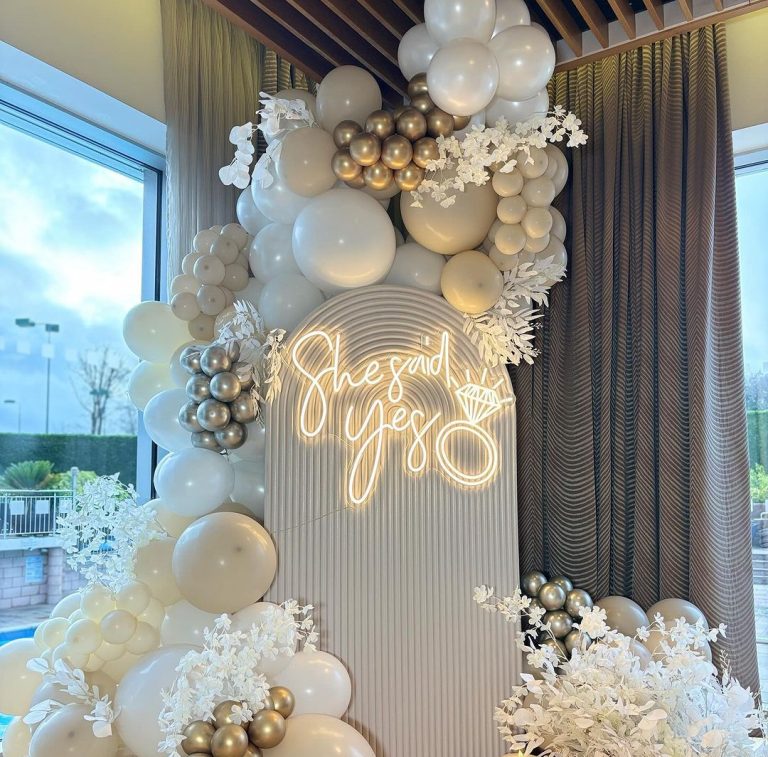
    As part of the wedding prep, the perfect rehearsal dinner will make for an evening of fun, love, and a chance to mingle before the big day. Lately, they’ve become known as extravagant evenings of dining, decor and preparations right before the wedding. But if you plan it right, you’ll be able to have a stress-free evening of celebration before your big day.

    STEP 1

    Make sure it’s clear who will be hosting and organising the event. It may be the groom’s side or the bride’s, or a combination. Make sure everyone is aware of their role to avoid any conflict or miscommunication on the night.

    STEP 2

    Decide on the kind of event you want to have. Do you prefer keeping it light and casual, or making it a big party? Let this set the precedent for the decor, the setting and the guest list.

    STEP 3

    Draw up the guest list. Aside from your bridal party, family and close friends, you may want to have certain people. This will depend heavily on the size of the event, the location and your personal preferences.

    STEP 4

    Whether you go big or small, creating a fun theme for the night will only add to the festivities. This can involve fun games and even some sneaky hints for the big day.

    STEP 5

    While it’s important to have a set schedule in place for how the evening will run, make room for surprises and deviations in the evening. For instance, you may have a set list of speakers, but if your other guests would like to say a few words then allow room for some extra time.

    You can also use your rehearsal dinner to spoil your guests with gifts for your bridal party and special thank yous to everyone who contributed to the planning of your special day.

    ALSO SEE: How to decide who gets an invite to your wedding

    How to decide who gets an invite to your wedding

    Image: Unsplash

    The art of paper folding often associated with Japanese culture has long fascinated Westerners – and for good reason. The intricate designs that result look gorgeous and are often a talking point.

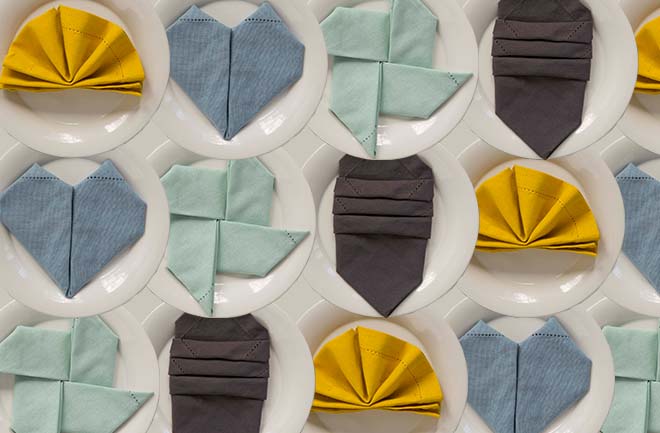
    Which is why, inspired by one of the real weddings featured in Issue 1-2017, we found four easy origami napkin styles to wow your guests.

    What you’ll need

    • Square napkins in the colour of your choice

    How to do it

    For the windmill:

    Origami napkin windmill KL Nash

    1 Fold all the corners into the centre of the napkin.

    Origami napkin windmill KL Nash

    2 Fold the bottom of the napkin upwards to meet the middle then do the same for the top.

    Origami napkin windmill KL Nash

    3 Fold the left side to the middle and repeat this on the right, ensuring both sides are equal.

    Origami napkin windmill KL Nash

    4 Turn the napkin over nd pull out the corners from the inside until all four corners are exposed. Repeat for as many napkins as required.

    Origami napkin windmill KL Nash

    Origami napkin windmill KL Nash

    For the heart:

    Origami napkin heart KL Nash

    1 Fold both sides into the middle, ensuring they are equal. Then fold in half lengthways.

    Origami napkin heart KL Nash

    2 Fold the top of the napkin down towards the bottom. The take the top and fold it sideways, creating a 90-degree line. Repeat on the opposite side by folding the bottom towards the top.

    Origami napkin heart KL Nash

    3 Turn the napkin over then take the top right corner and tuck it in. Repeat this on the left then turn over to see the end result. Repeat for as many napkins as required.

    Origami napkin heart KL Nash

    Origami napkin heart KL Nash

    For the three-fold:

    Origami napkin three-fold KL Nash

    1 Fold the napkin in half from side to side, then fold from top to bottom to create a smaller square.

    Origami napkin three-fold KL Nash

    2 Using the top piece of fabric, roll the right corner into a tube. Do the same with the next two pieces of fabric on the right.

    Origami napkin three-fold KL Nash

    3 Turn the napkin so the tubes of fabric are horizontal then turn over the napkin and fold the right and left corners into the middle until they meet. Turn over once more to see the end result. Repeat for as many napkins as required.

    Origami napkin three-fold KL Nash

    For the sitting fan:

    Origami napkin sitting fan KL Nash

    1 Fold the napkin in half then fold the bottom about 1 cm upwards.

    Origami napkin sitting fan KL Nash

    2 Fold the same section for 1 cm towards the alternate side of the napkin. Continue folding for 1 cm on alternate sides until you have about 3 cm left.

    Origami napkin sitting fan KL Nash

    Origami napkin sitting fan KL Nash

    3 Fold the napkin in half with the folded pieces horizontal. Then fold the leftover fabric into the centre and pull out all the folds into a fan. Repeat for as many napkins as required.

    Origami napkin sitting fan KL Nash

    ALSO SEE: The wedding colour trend that quietly won us over in 2025

    The wedding colour trend that quietly won us over in 2025

    Text Robyn Lane
    Styling Francoise Jeanne de Villiers
    Photography Kendall-Leigh Nash/HMimages.co.za

    When a bride asks her closest friends or family members to stand by her side, she isn’t just inviting them to look beautiful in matching dresses, she’s inviting them into one of the most meaningful support roles in her wedding journey. The roles of the maid of honor and bridesmaids remain rooted in tradition, yet they’ve adapted to modern needs, expectations, and challenges. In this article, we’ll explore what these roles truly mean today, what’s expected before, during, and after the big day, and tips for both bride and bridal party to make the experience fulfilling (and fun).

    The Difference Between the Maid of Honor & Bridesmaids

    • The maid of honor (or matron of honor, if married) is the lead among the bridal attendants, the bride’s primary support person, organizer, go-between, and often the point person for logistics and emotional support.

    • Bridesmaids serve as the bride’s supportive team: helping with tasks, being present emotionally, assisting on wedding day logistics, and sharing the load.

    • In many modern weddings, the bride will clarify in advance how involved she wants her maid or bridesmaids to be — heavy coordination or lighter “on-call” help.

    • Whether or not the maid of honor is older, married, or otherwise, the title is a matter of role, not ranking.

    Core Responsibilities: Before, On & After the Wedding

    To make this practical, here’s a breakdown of duties across timelines, highlighting what’s often expected of the maid of honor and what bridesmaids might do alongside her.

    Before the Wedding

    Maid of Honor:

    • Serve as the bride’s confidante and emotional anchor: check in regularly, listen, relieve stress.

    • Lead communication among the bridal party: set up group chats, share timelines, collect availability and budgets.

    • Coordinate or host pre-wedding events: bridal shower, bachelorette party, or bridal weekend.

    • Assist in vendor meetings, décor decisions, stationery, seating charts, based on the bride’s needs.

    • Help bridesmaids with logistical tasks, such as dress fittings, accessory coordination, and deadlines.

    Bridesmaids:

    • Be responsive, reliable, and proactive: help when asked, volunteer for tasks.

    • Attend dress fittings, share opinions sensitively, help with alterations or styling support.

    • Contribute towards shared costs (shower, travel, accommodation) transparently and respectfully.

    • Help with crafts, DIY décor, favors, and logistical preparations as needed.

    On the Wedding Day

    Maid of Honor:

    • Produce an “emergency kit” (safety pins, tissues, sewing kit, stain wipes, pain reliever).

    • Manage the schedule: keep everyone on time, liaise with vendors, act as a point of contact.

    • Assist the bride with her dress, veil, train, bustle, jewelry, and other day-of needs.

    • Hold the bridal bouquet during the ceremony, carry essentials (phone, tissues), coordinate with the officiant or coordinator.

    • Sign as a witness on the marriage license (if required) and deliver gifts & cards to secure spots.

    • Give a toast or speech at the reception: heartfelt, concise, balanced between sincerity and celebration.

    Bridesmaids:

    • Help escort guests, assist with seating, and be welcoming presence.

    • Aid in photo coordination: helping position dresses, holding bouquets, and arranging bridal party.

    • Be available for quick fixes: fix stray hair, help with makeup, lend a hand backstage.

    • Help maneuver dresses in restrooms, bustle skirts at reception, assist with logistics like ushering.

    • Stay alert: watch the bride’s comfort, hydration, food, and emotional needs.

    After the Wedding

    Maid of Honor:

    • Help collect, transport, and deliver gifts, cards, décor returns, and items.

    • Assist with thank-you notes or aid the bride with vendor follow-ups.

    • Be a friend in the weeks after: help her settle post-wedding fatigue, document memories, share photos.

    Bridesmaids:

    • Offer to help with logistics (returns, clean-up, photo sharing).

    • Celebrate with her in quieter moments, send photos, reminisce, stay in touch.

    Tips for a Strong, Healthy Bridal Party Relationship

    1. Set expectations early
      Right after asking someone to be a bridesmaid or maid of honor, have an honest conversation about what the role entails and how involved the bride wants them to be. This avoids misunderstandings. Brides+1

    2. Respect boundaries
      Some brides want full support, others prefer to retain control. Let the bride define and delegate tasks instead of assuming.

    3. Be communicative and transparent
      When budgets, travel, or timing constraints arise, speak up early. It’s okay to decline certain tasks if it’s burdensome, better to do fewer things well than overcommit.

    4. Plan in small teams
      The maid of honor doesn’t have to do everything alone — divide tasks among bridesmaids. This keeps morale high and reduces burnout.

    5. Be a calming influence
      Emotions run high in wedding planning. Be the voice of reason, a sounding board, and a stress-buffer for the bride.

    6. Celebrate together
      Take breaks, have fun with the bride, and enjoy the journey. The best memories often come from behind-the-scenes laughter and bonding.

    To be maid of honor or a bridesmaid is more than a title, it’s a promise to care, to support, and to stand by the bride through excitement, stress, and magic. When the roles are handled with clarity, respect, and teamwork, they don’t just help the wedding run smoothly, they deepen friendships and create memories that last far beyond the aisle.

    Featured Image: Canva

    Congratulations, you’re engaged! This is the start of a life long journey with the person you love the most. You’ll no doubt want to celebrate. But the reality is many people have never thrown an engagement party before and might not even know where to start.

    So we’ve put together a short guide to help you.

    Why Engagement Parties Matter

    Source: Photo by Gift Habeshaw on Unsplash

    Getting engaged is one of life’s most memorable milestones, and for many couples, it deserves more than a quick phone call or dinner. An engagement party sets the tone for your wedding journey. It’s the perfect excuse to gather both families, your closest friends, and anyone you want to share this exciting new chapter with.

    Unlike the wedding day itself, engagement parties are usually less formal. Guests mingle, enjoy food and drinks, and celebrate in a relaxed setting. In South Africa, it’s not uncommon for couples to blend traditions—think vibrant music, shared platters, and heartfelt speeches—making it both personal and memorable.

    Plus not everyone will get and invitation to your wedding, so an engagement party is a good way for more people to share the start of your new journey, without anyone feeling completely left out.

    Who Hosts And Pays?

    Traditionally, the bride’s parents hosted and paid for the celebration. Today, those rules are more fluid. Some couples host the party themselves, while others split costs between both families. Whoever takes on hosting duties typically covers the essentials:

    • Venue hire or set-up at home

    • Food and drinks

    • Décor and flowers

    • Photography, if included
      (Tip:  there’s are apps such as  GuestCam  that allow multiple guests to take pictures on their phones and upload it. This is a good way to see how your event went from your guest’s POV and also a great way to capture some special and candid moments that a photographer might not always get.)

    Many couples now view the engagement party as a shared responsibility, with both sides of the family contributing.

    When Should You Celebrate?

    Timing is everything. Planners recommend hosting an engagement party two to three months after the proposal. This gives you time to enjoy the excitement, set a date, and spread out other wedding-related events like bridal showers and bachelor/bachelorette parties.

    If your engagement is long, you can delay the celebration, but try to host it while the news still feels fresh.

    Guest List Etiquette

    A key rule of thumb: if someone is invited to your engagement party, they should also receive a wedding invitation. This avoids awkwardness and keeps expectations clear.

    Engagement parties are also the perfect opportunity to introduce your families and friendship circles in a more casual environment before the wedding. Whether it’s 30 people in your backyard or 100 at a hired venue, keep the guest list consistent with your future wedding plans.

    Invitations: Paper Or Digital?

    Your invitations set the mood. Here are your options:

    • Formal dinner: Printed invitations are a timeless and elegant choice.

    • Casual gathering: Digital invitations are fun, budget-friendly, and easy to personalise.

    Pro tip: don’t include registry details on your invites. Instead, add a link on your wedding website or share it personally with guests who ask. Gifts at engagement parties are thoughtful but never required.

    Can You Have More Than One Party?

    Yes, and many couples do. If your families live in different cities—or if you want to celebrate separately with friends and colleagues—it’s perfectly acceptable to host more than one event.

    If you come from different cultural backgrounds, you may want to have two seperate parties to celebrate each of your cultural backgrounds respectively.Each gathering can reflect a different side of your life as a couple.

    Can You Combine It With Another Celebration?

    If you got engaged during a festive time of year, you can combine your engagement party with another celebration, such as a birthday or anniversary. Just try to avoid dates that clash with major holidays like Christmas, Easter, or Valentine’s Day, when guests are likely to have other commitments.

    Step-By-Step Guide To Planning

    1. Decide Who’s Hosting
    Choose whether you, your family, or your friends will take the lead. This will determine the budget and scale of the event.

    2. Pick A Date And Venue
    Aim for within three months of your engagement. Backyard braai? Private restaurant room? Wine estate? The venue should reflect the tone you want—relaxed or formal.

    3. Create The Guest List
    Keep it in line with your wedding invite plans. Decide early if this will be an intimate gathering or a larger affair.

    4. Send Invitations
    Mail or email your invites at least a month in advance. Always include an RSVP date so you can finalise numbers.

    5. Plan The Menu
    The food doesn’t need to be extravagant but should match the setting. For a cocktail party, serve canapés and bubbly. For a garden gathering, opt for a braai or grazing tables. For formal dinners, a plated menu works beautifully.

    6. Set The Scene
    Décor sets the mood. Flowers, candles, and fairy lights create warmth, while bold centrepieces can add drama. Choose colours or themes that reflect your personalities.

    7. Choose Your Outfit
    Many brides-to-be wear white or pastels as a nod to the wedding ahead, but bold prints or florals also make a stylish statement. Grooms usually go for smart-casual but can elevate the look with tailored jackets or cultural attire.

    Final Thoughts

    An engagement party is more than just a celebration—it’s the first chapter in your wedding story. Whether you host a simple gathering at home or an elegant dinner at a venue, the goal is the same: bringing your loved ones together to celebrate your decision to spend your lives as one.

    The beauty of planning an engagement party today is that there are no hard rules. Make it as casual, formal, traditional, or unconventional as you like. At the end of the day, it’s about joy, connection, and setting the tone for all the memories still to come.

    Planning a wedding is an exciting journey, but it can also be overwhelming. One of the first decisions you’ll face is whether to plan your wedding yourself or hire a professional wedding planner. Each approach has its advantages and challenges. This guide will help you weigh the pros and cons, provide insights into effective wedding planning, and offer a basic budget plan to get you started.

    Pros and Cons: DIY Wedding Planning vs. Hiring a Wedding Planner

    DIY Wedding Planning

    Sourced: Pixels

    Pros:

    • Cost Savings: Planning your own wedding can save you money, as you won’t need to pay for a wedding planner’s services.

    • Creative Control: You have the freedom to personalize every detail, from the theme to the decor, ensuring the wedding reflects your unique style.

    • Hands-On Experience: Managing the planning process allows you to learn and grow as a couple, strengthening your teamwork skills.

    Cons:

    • Time-Consuming: Wedding planning requires a significant time investment, which can be challenging if you have a busy schedule.

    • Stress and Pressure: Handling all the details can be stressful, especially as the wedding day approaches.

    • Limited Expertise: Without professional experience, you might overlook important details or face challenges in vendor negotiations.

    Hiring a Wedding Planner

    Sourced: Pixels

    Pros:

    • Expert Guidance: Wedding planners bring professional experience, helping you navigate the complexities of wedding planning.

    • Vendor Connections: Planners often have established relationships with vendors, potentially securing better deals and reliable services.

    • Stress Reduction: With a planner handling logistics, you can focus on enjoying your engagement and the lead-up to your big day.

    Cons:

    • Additional Cost: Hiring a planner is an added expense, which might strain your budget.

    • Less Personal Control: You may have to compromise on certain aspects to align with the planner’s suggestions or availability.

    Wedding Planning Insights and Tips

    • Start Early: Begin planning at least 12 months in advance to ensure ample time for decision-making and coordination.

    • Set a Realistic Budget: Determine how much you’re willing to spend and allocate funds to different categories accordingly.

    • Choose an Off-Peak Date: Selecting a wedding date during off-peak seasons or weekdays can lead to cost savings. (The Budget Savvy Bride)

    • Limit the Guest List: Reducing the number of guests can significantly decrease costs for catering, seating, and favors.

    • DIY Decor: Consider creating your own decorations or opting for minimalistic designs to save money.

    Basic Wedding Budget Breakdown

    Here’s a general guide to how you might allocate your wedding budget:

    Category Percentage of Total Budget
    Venue 40%
    Catering 20%
    Attire (Bride & Groom) 10%
    Photography/Videography 10%
    Entertainment 5%
    Flowers & Decor 5%
    Stationery 3%
    Miscellaneous 7%

    Note: These percentages are approximate and can be adjusted based on your priorities and preferences.

    Deciding between planning your own wedding and hiring a wedding planner depends on your budget, time, and desire for control. If you have the time and enjoy organizing, a DIY approach can be rewarding. However, if you prefer to reduce stress and benefit from professional expertise, hiring a planner might be the best choice.

    Featured Image: Pixels