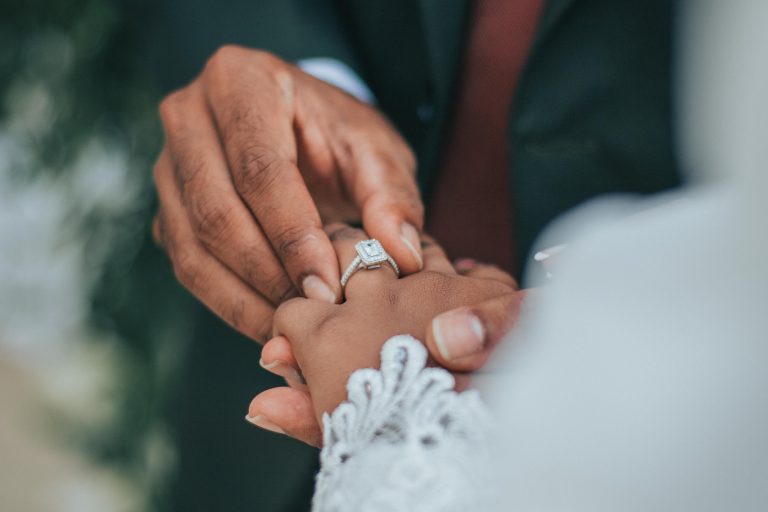
Some love stories begin with a proposal. Others begin generations earlier.
For couples looking for meaning over mass production, heirloom engagement rings are becoming one of the most compelling jewellery trends of the moment. Instead of starting from scratch, more brides are choosing to reset, redesign and reinvent family diamonds into something that feels deeply personal – preserving the story while creating a ring they actually want to wear every day.
And in 2026, that shift feels bigger than trend forecasting. It feels cultural.
The modern engagement ring isn’t necessarily newer, larger or more expensive. Increasingly, it’s more intentional.
Why heirloom diamonds are having a moment
For years, engagement ring conversations centred around bigger stones, whiter diamonds and price tags. But today’s couples are asking different questions.
- Does this feel like us?
- Will I still love this in twenty years?
- What already exists that we can give a second life to?
Jewellery experts continue to see growing interest in heirloom resetting and personalised ring design, with couples moving toward pieces that carry meaning and individuality rather than following one “perfect ring” formula.
There’s also a sustainability conversation happening here. Reworking an existing diamond avoids new extraction and gives an existing piece a new chapter – something many couples see as both emotionally and environmentally meaningful.
But beyond the practical benefits, there’s something quietly powerful about wearing a stone that has already witnessed generations of love.
First things first: Don’t assume you need to redesign everything
One of the biggest misconceptions around heirloom jewellery is that updating it means completely dismantling it.
Not always. In fact, many jewellers suggest starting with the least invasive changes first.
Sometimes a professional clean, resizing, polishing or repairing worn prongs is enough to completely transform how a ring feels. Other times, pairing an inherited engagement ring with a contemporary wedding band creates contrast without sacrificing sentiment.
The goal isn’t to erase history – it’s to make space for your own.
The smartest update? Change the setting, not the stone
If there’s one expert-backed rule that consistently comes up, it’s this: rethink the setting before touching the diamond.
Resetting allows you to modernise the entire feel of a ring while preserving the original stone.
Small design shifts can completely change the personality of a piece:
- Swap white gold for warm yellow gold
- Lower a high-set diamond for everyday wear
- Add a hidden halo for subtle sparkle
- Choose a bezel setting for a cleaner, more contemporary finish
- Rotate elongated stones into an east-west orientation
- Introduce mixed metals for contrast
- Add discreet side stones or meaningful birthstones
Current engagement trends show a move toward sculptural silhouettes, thicker gold bands, bezel settings and personalised details that feel less trend-driven and more future heirloom.
But know when not to reset
Not every heirloom should become an engagement ring.
If the original setting is rare, historically significant or an intact vintage design (particularly genuine antique styles), preserving the original piece may be the better choice.
There’s also growing conversation among jewellery communities around keeping heirlooms intact and creating a modern companion piece instead. Some couples now wear inherited rings as right-hand rings, anniversary pieces or pendants and create a separate engagement ring for daily wear.
Because not every legacy needs to be rewritten, sometimes it simply needs to be worn differently.
Questions to ask before you redesign an heirloom ring
Before booking a consultation, consider:
- What do I love about the original piece?
- What doesn’t feel wearable anymore?
- Is the sentimental value in the stone, the setting or both?
- Would I regret changing this permanently?
- Could small updates achieve the same result?
- Am I creating something trend-led – or timeless for me?
And most importantly: Would I choose this ring if I met it for the first time today?
If the answer is no – that doesn’t mean you love the history any less.
The takeaway
An heirloom engagement ring doesn’t need to stay frozen in time to remain meaningful.
The most beautiful redesigns aren’t the ones that erase the past – they’re the ones that carry it forward.
Because a family diamond isn’t valuable simply because it survived generations.
It becomes valuable again when someone chooses to wear it.
ALSO SEE: What to consider when resetting your engagement ring
Featured image: Maahid Photos / Pexels