• Tag

    advice for brides

    Browsing

    Dreaming of a small, intimate wedding sounds simple enough – until you start writing the guest list. 

    For couples with large families, trimming the numbers can quickly become one of the most emotionally charged parts of wedding planning. Suddenly, every name carries a story, every invitation feels political, and every decision seems capable of causing unintended hurt feelings. 

    Yet intimate weddings continue to grow in popularity for a reason. Couples are increasingly choosing meaningful celebrations over large-scale events, prioritising quality time with loved ones, budget flexibility, and experiences that feel deeply personal. 

    The challenge? Balancing your vision with family expectations. 

    If you’re trying to keep your wedding small without upsetting half the family tree, here’s how to navigate the process with grace. 

    Start with your non-negotiable number

    Before names enter the conversation, determine your ideal guest count. 

    Whether your venue has a strict capacity limit or you’re working within a budget, having a clear maximum number creates an objective framework for decision-making. It’s far easier to explain that your venue only accommodates 80 guests than to justify why one cousin made the list while another didn’t. 

    Once you’ve settled on a number, stick to it. Expanding “just a little” for one branch of the family often opens the floodgates for everyone else. 

    Create guest list tiers

    One of the most effective strategies is to organise potential guests into categories. 

    Tier 1: Immediate family, closest friends, and people actively involved in your life. 

    Tier 2: Extended relatives and friends you see regularly. 

    Tier 3: Distant relatives, family acquaintances, and people you feel obligated to invite rather than genuinely want present. 

    This exercise quickly reveals where your priorities lie and helps ensure that the people attending are those who truly matter to you as a couple. 

    Decide on a consistent family rule

    Consistency is your best defence against family drama. 

    Perhaps you’re inviting only first cousins. Maybe you’re limiting invitations to aunts and uncles but not their adult children. Some couples choose a “household-only” rule, while others invite only relatives they’ve maintained an active relationship with. 

    Whatever approach you choose, apply it fairly across both families. 

    A clear, consistent guideline feels less personal and helps reduce accusations of favouritism. 

    Have difficult conversations early

    One of the biggest mistakes couples make is avoiding uncomfortable conversations until invitations are sent. 

    If you know certain family members may be disappointed, it’s often kinder to explain your plans beforehand. A personal phone call can go a long way toward preserving relationships and preventing misunderstandings. 

    Be honest, warm, and direct. 

    You don’t need to apologise for wanting an intimate wedding. Instead, explain that you’ve had to make difficult decisions to stay within your guest count and that the choice isn’t a reflection of how much you value the relationship. 

    Remember that parents may have expectations too

    In many families, weddings are viewed as community celebrations rather than purely personal events. 

    Parents may have long-standing friendships, cultural expectations, or family obligations they feel should be honoured. While it’s important to hear their perspective, it’s equally important to establish boundaries around who ultimately makes the final decisions. 

    If parents are contributing financially, discussing guest list expectations early can help avoid conflict later in the planning process. 

    The goal isn’t to win an argument – it’s to find a compromise that still feels authentic to your vision. 

    Consider alternative ways to include loved ones

    Not everyone needs to be physically present to feel included. 

    Couples are increasingly finding creative ways to involve extended family, such as: 

    • Hosting a casual engagement celebration before the wedding 
    • Planning a post-wedding family lunch or gathering 
    • Sharing professional photographs and wedding videos afterwards 
    • Including personal messages or updates for relatives who couldn’t attend 

    These gestures help loved ones feel remembered, even if space limitations prevent an invitation. 

    Resist the guilt

    Perhaps the hardest part of planning an intimate wedding is accepting that not everyone will be happy. 

    Some disappointment is inevitable, particularly in large families where weddings have traditionally been expansive affairs. However, your wedding day shouldn’t become a performance designed to satisfy every expectation. 

    Years from now, you are unlikely to regret having a celebration that reflected your values, your budget, and your relationship. 

    What you’ll remember most is how the day felt. 

    Keep the focus where it belongs

    At its heart, a wedding isn’t about numbers. It’s about bringing together the people who have genuinely shaped your journey as a couple. 

    An intimate guest list allows for deeper conversations, more meaningful moments, and the chance to spend quality time with every person in the room. 

    While navigating family dynamics may not be easy, staying true to your vision can result in a celebration that feels more personal, intentional, and unforgettable. 

    Sometimes, less really is more.

    ALSO SEE: 5 ways to avoid a family takeover at your wedding 

    5 ways to avoid a family takeover at your wedding

    Featured image: Beniam / Pexels
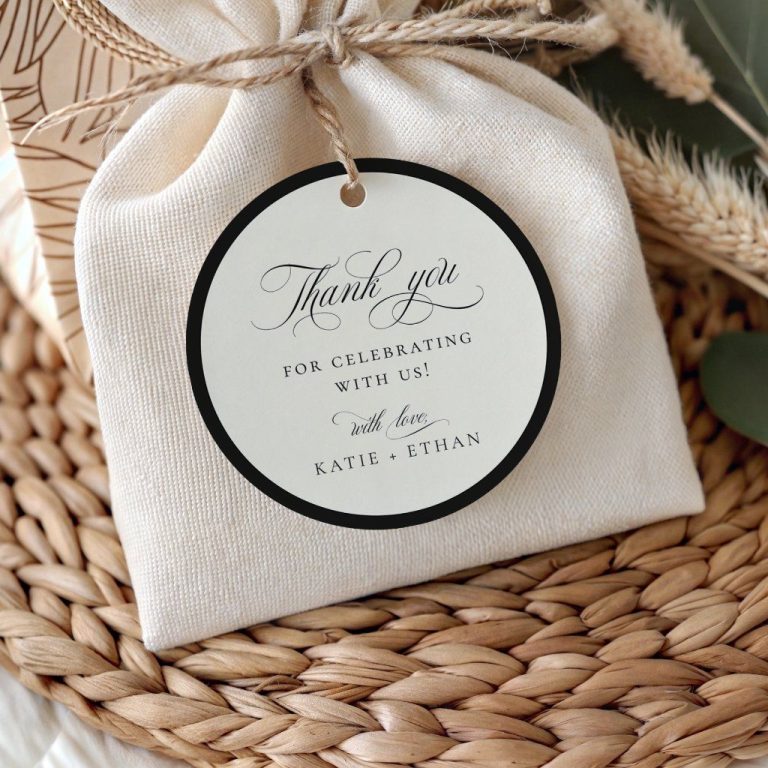
    Modern weddings are changing – and fast. Couples are rethinking everything from formal seating plans to bouquet tosses, choosing experiences and intentional details over traditions that no longer feel relevant to them. And somewhere in the middle of that conversation sits the question of wedding thank-you gifts.

    Are they still a meaningful gesture guests appreciate? Or have they quietly become another wedding expense couples feel pressured to include?

    The truth is wedding favours are no longer the automatic “must-have” they once were. But that does not necessarily mean they are outdated either.

    Why wedding thank-you gifts became such a staple

    Wedding favours have long symbolised gratitude, good luck and appreciation. Traditionally, couples would gift guests small keepsakes as a way of thanking them for being part of the celebration.

    Over the years, those gifts evolved into everything from personalised candles and chocolates to miniature olive oil bottles, succulents and custom keyrings. For a while, wedding favours became almost expected – another detail on the never-ending wedding planning checklist.

    But couples are approaching weddings differently now. Budgets are being prioritised more intentionally, guest experiences are taking centre stage, and many couples are asking themselves whether certain traditions still feel meaningful.

    Guests remember the feeling more than the favour

    Here’s the reality: most guests are far more likely to remember the atmosphere of your wedding than the physical favour they took home.

    They will remember:

    • The energy on the dance floor
    • The incredible food
    • The emotional ceremony
    • The thoughtful hosting
    • The way your wedding felt personal and true to you

    That does not mean thank-you gifts cannot add something special – they absolutely can. But the pressure to include them simply because “everyone does” is slowly disappearing.

    And honestly? Guests are not usually leaving a wedding disappointed because they did not receive a monogrammed candle.

    The modern shift toward intentional gifting

    The biggest wedding trend right now is intentionality – and thank-you gifts are no exception.

    Couples are moving away from generic favours that get left behind on reception tables and leaning toward gifts that feel more personal, practical or experience-driven instead.

    Some of the most popular ideas include:

    • Late-night snack stations
    • Handwritten thank-you notes
    • Mini local treats or cultural products
    • Recovery kits for the next morning
    • Personalised drink stirrers or place settings guests can keep
    • Photo booth prints or Polaroid moments

    In many cases, the “gift” is becoming part of the overall guest experience rather than a separate wedding tradition.

    When wedding favours still work beautifully

    There are still plenty of weddings where thank-you gifts feel incredibly thoughtful and well-suited to the celebration.

    They tend to work especially well when:

    • The wedding is intimate and highly personalised
    • Guests are travelling long distances
    • The couple wants to honour cultural traditions
    • The favour ties naturally into the wedding aesthetic
    • The gift feels useful or genuinely memorable

    Destination weddings often benefit from welcome bags or locally inspired gifts that help guests feel looked after from the moment they arrive.

    Couples are no longer afraid to skip traditions

    One of the best things about current weddings is that couples are becoming far more comfortable choosing what matters to them.

    Not every wedding needs:

    • A cake cutting
    • Matching bridesmaid dresses
    • A bouquet toss
    • Wedding favours
    • Or even a perfectly traditional timeline

    The pressure to “do everything” is fading – and weddings are becoming better for it.

    If thank-you gifts fit naturally into your budget and vision, they can absolutely elevate the experience. But if they feel forced, unnecessary or financially stressful, couples should feel completely comfortable skipping them.

    So… outdated tradition or wedding must-have?

    Wedding thank-you gifts are no longer an expectation – and perhaps that is exactly why the meaningful ones still stand out.

    The modern approach is less about obligation and more about thoughtfulness. If your favours genuinely reflect your personality, your guests or your wedding experience, they can still leave a lasting impression.

    But at the end of the day, guests will always remember how your wedding made them feel far more than the gift they carried home.

    ALSO SEE: 6 DIY thank-you gifts that won’t break the bank

    6 DIY thank-you gifts that won’t break the bank

    Featured image: Pinterest 

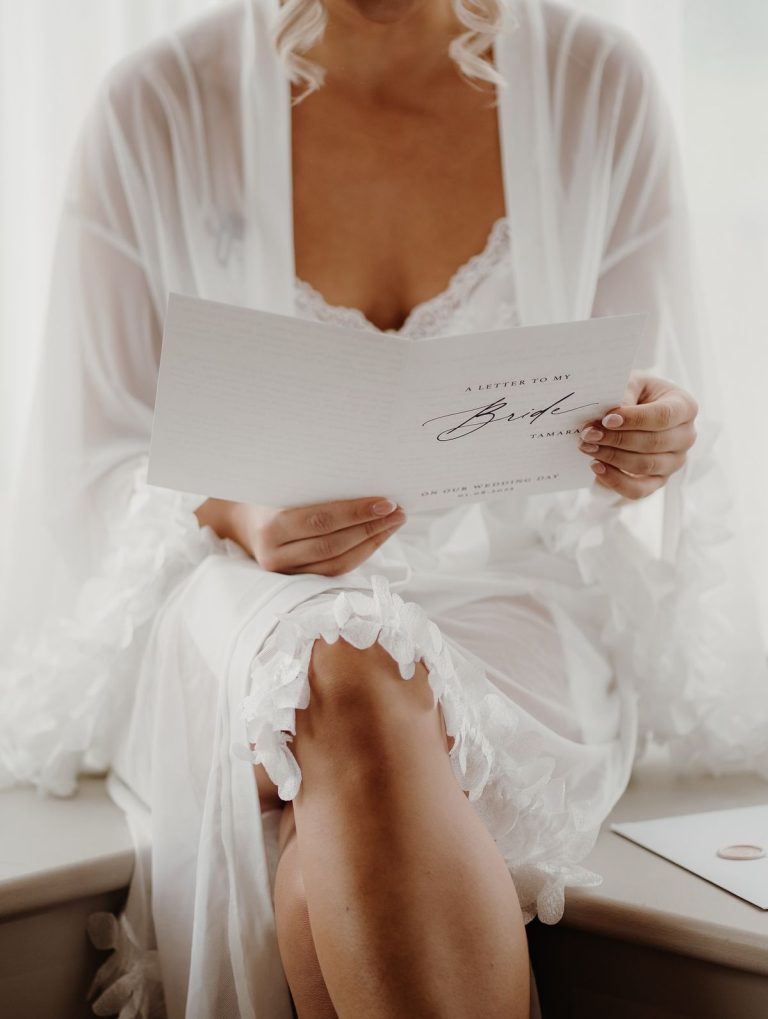
    For all the energy that goes into planning the perfect wedding, the wedding morning itself is often treated like an afterthought. But ask almost any bride, photographer or makeup artist, and they’ll tell you the same thing: the tone of the morning sets the tone for the entire day.

    And while social media tends to romanticise matching robes, champagne towers and perfectly curated flat lays, the reality is that wedding mornings can become overwhelming very quickly.

    The good news? Most of the stress brides experience before the ceremony comes from a few very avoidable mistakes.

    Here are five wedding morning mistakes brides often regret – and what to do instead.

    Trying to manage the entire wedding from the bridal suite

    If you’re answering supplier calls while getting your hair done, your morning is already becoming more stressful than it needs to be. One of the biggest mistakes brides make is feeling like they need to oversee every detail until the very last second.

    But the truth is, your wedding morning is not the time to coordinate logistics, troubleshoot décor issues or respond to timeline questions.

    That’s exactly why coordinators, bridesmaids and trusted family members exist. Choose one person to handle any problems or supplier communication on the day and let them protect your peace a little. Most issues can be solved without involving you at all.

    Because the reality is: you only get this morning once. You deserve to experience it.

    Forgetting to eat and hydrate

    It sounds obvious, but this happens far more often than people realise. Between nerves, excitement and early glam call times, many brides unintentionally survive the morning on coffee, champagne and adrenaline alone – which usually catches up to them halfway through photos or during the ceremony itself.

    Low energy, headaches, dizziness and emotional overwhelm are often made worse simply because the body hasn’t been looked after properly.

    A proper breakfast and consistent hydration genuinely make a difference. Nothing overly heavy – just enough to keep your energy stable throughout the day.

    Your makeup will sit better, your body will feel better, and you’ll enjoy the celebration instead of trying to recover from exhaustion by sunset.

    Turning the bridal suite into a Pinterest set

    There’s nothing wrong with wanting beautiful details and aesthetic moments. That’s part of the fun. But sometimes wedding mornings become so focused on creating content that the atmosphere starts feeling chaotic instead of calm.

    Too many personalised items, unnecessary props, overcrowded spaces and excessive décor can quickly make the room feel stressful – especially once photographers, hairstylists, makeup artists and bridesmaids are all moving around simultaneously.

    Ironically, the most beautiful wedding morning photos usually come from spaces that feel natural, relaxed and emotionally present.

    Keep the meaningful details. Let go of the pressure to make every corner “Instagram-worthy.”

    Not leaving enough buffer time

    Wedding mornings almost always take longer than expected. Someone forgets earrings. Hair takes an extra thirty minutes. Steamers stop working. A bridesmaid suddenly needs safety pins. Something will happen.

    And when the schedule is too tight, even small delays create unnecessary panic.

    One of the smartest things couples can do is intentionally build breathing room into the timeline. Aim to be ready earlier than necessary instead of exactly on time.

    Because rushing changes the entire energy of the morning – and, unfortunately, it’s often one of the things brides remember most afterwards.

    Forgetting to be present in the moment

    This is probably the biggest one of all.

    The wedding morning moves fast – faster than most brides expect. One minute you’re sitting in pyjamas with coffee, and the next you’re stepping into your dress preparing to walk down the aisle. And somewhere between the glam, timelines and excitement, many brides forget to pause and absorb what’s happening.

    Take a few quiet moments if you can. Put your phone down occasionally. Look around the room. Hug your people properly. Let yourself feel the day instead of racing through it. Because years from now, you probably won’t remember every tiny detail that went right or wrong.

    But you will remember how the morning felt.

    The best wedding mornings rarely look perfect

    Ironically, the wedding mornings people remember most fondly are usually the ones that felt genuine – not flawless.

    It’s the laughter while getting ready. Your mom crying while saying, “But you were just a little girl yesterday.” The “this is the last time we’re doing this before you’re a wife” comments, or a sibling casually stealing your glass of water while you’re trying not to smudge your lipstick. The quiet, intimate presence of the people you love surrounding you while everything is about to change.

    Not because everything was perfectly in place, but because everything was felt deeply.

    Raw emotion. Real connection. Authentic love in a room that will never feel exactly like that again. And somehow, that’s what stays with you the most.

    ALSO SEE: 5 Ways to practice self care while planning your wedding

    5 Ways to practice self care while planning your wedding

    Featured image: Pinterest 

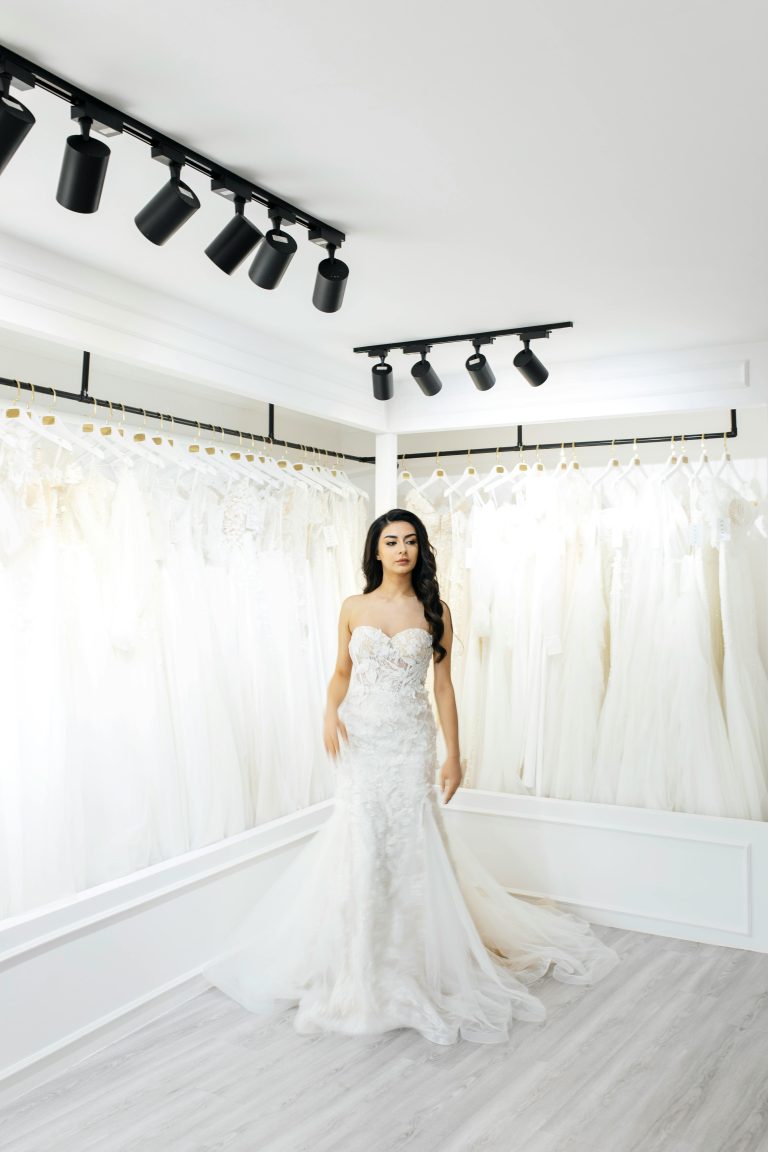
    Most women know what style of wedding dress they want. But have you considered the practicalities of finding your dream frock that have nothing to do with how it looks? Renowned local dress designer Janita Toerien lets us in on the little things you may overlook when shopping for your dress.

    WEAR THE RIGHT UNDERWEAR
    You head into the changing area with a pile of gorgeous dresses, you try on the first one and it is just so… anti-climactic. Why doesn’t it look like you imagined? Well, for one, you’re wearing a bright blue thong that throws off the whole look. Wear the right underwear so the G-string doesn’t make a shadow on the dress or you stress about panties that cut into your bum, says Janita. Fitting consultants won’t judge you on your granny panties or boy shorts! Wearing undies that match your skin tone and shape, and suck in where necessary, help smooth out the silhouette so you can see exactly how the dress is meant to fit.

    FACTOR IN WHERE YOU’RE GETTING MARRIED
    Janita says this is often forgotten: Is the dress practical for your wedding? Consider the physical aspects of where you’re getting married and how your dress will fit into that. For example, a heavy lace-trimmed train and veil will pick up little twigs and dirt as you walk down the aisle of a forest wedding. Or a heavy duchess satin dress will be uncomfortable hot at a midday beach wedding. Choose a dress in the style you love, but that will still allow you to be as comfortable as possible.

    THINK ABOUT THE GIRLS
    Don’t overlook the importance of your boobs: Too much cleavage can distract from your overall look; too covered up can look matronly, not to mention ensuring there’s no accidental spillage. Big busts always look great in a lower neckline, Janita says, but not too low – just enough to open up the chest and shoulder area. This can be a V-neck, off-the-shoulder or scooped neckline. But stay away from strapless, she pleads: “I could write a whole page about why, but for now just heed my advice.” For our flatter-chested sisters, your choices are much wider, but if you want your bust to appear larger, raise the neckline of the dress, she says. Whether it’s a halterneck, V-neck, boat or round neck, simply lift that line a few centimetres.

    WALK, SIT, CROUCH, BEND, DANCE!
    Standing in front of a mirror for 10 minutes isn’t going to give you the full effect of how a dress really wears. Does the top slip down? Do the straps fall off your shoulders? Does the bodice cut into your stomach when you sit? Do you trip on the hem? Get a feel for the dress by sitting, crouching, hugging your mom and busting out a move with your hands in the air. If at any point you have to readjust it, imagine doing that a couple of hundred times on the big day. If it can be fixed with alterations, get them done. If not, it’s probably best to move on.

    ASK ABOUT FABRICS
    Will it crease badly? Show sweat patches? Make you itchy? Don’t assume all dresses are made equal. Every kind of fabric has its own characteristics, Janita says, so a dress designer worth their salt will take the time to explain the different options and their pros and cons. Take bride fabric shopping to discuss exactly this. Does the fabric feel good on her skin? Does she perspire easily when under stress or does she have sensitive skin? These are all things to take into consideration.

    BUY FOR YOUR CURRENT SIZE, NOT YOUR IDEAL SIZE
    Many brides go on a weight-loss mission before the wedding. If you’re one of them, it’s best to try lose the weight (or close enough) before you start shopping around. You never know if you’re going to lose the weight in time, so don’t buy around what might happen. The last thing you want is an ill-fitting dress on your big day. It’s much easier to take a dress in with alterations than it is to let out, with much less risk of losing the dress completely.

    CLOSE YOUR CIRCLE
    What dress-shopping mistakes does Janita see brides making all the time?
    “They bring too many people with them, and do far too much shopping. First rule: when you start shopping, make sure you don’t want to have any more than three brides in your bridal party. Choose only two or three designers/boutiques to visit, and if you feel exhausted and overwhelmed at some point, take a step back, regroup and really think about what you want – ignore everyone else’s opinions.”

    EMERGENCY KIT:
    What should you pack for the day of the wedding?
    • Needle and thread
    • Double-sided tape
    • A pair of good scissors (Cut that train off if it gets in the way of dancing! Janita says)

    ALSO SEE: High-neck wedding dresses we love

    High-neck wedding dresses we love

    Written by Andrea Robertson for Wedding Etc. Summer 2019

    Feature image: Pexels