
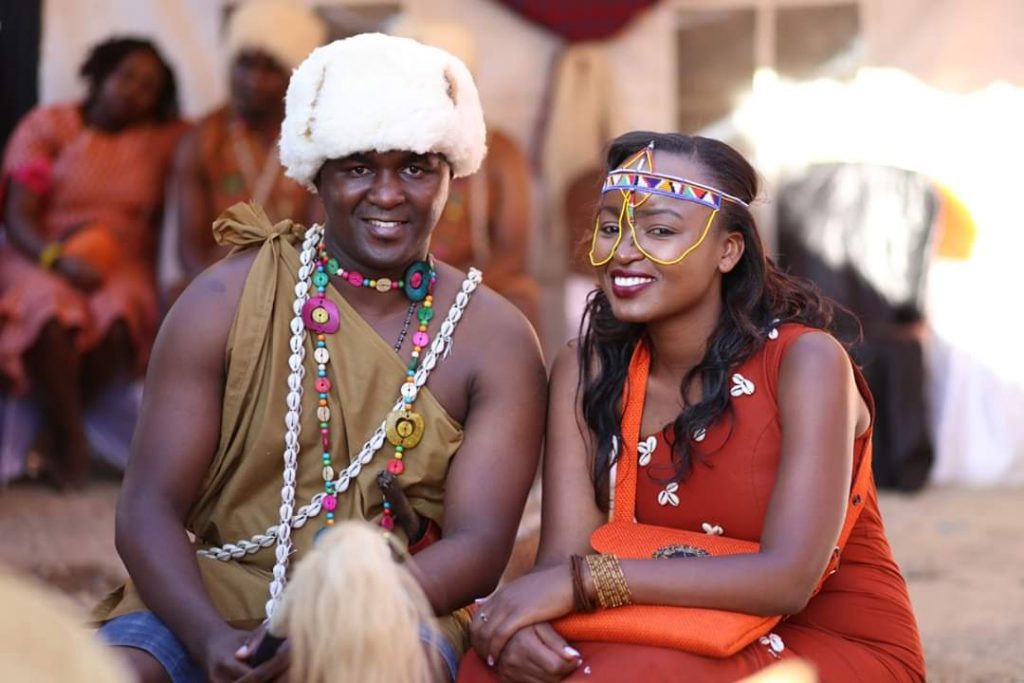
Within Kenya, there are a variety of different tribes (more than 40), and each tribe has its own traditions. Of course, this includes practices for weddings.
According to a blog called African Wedding Traditions, some of these practices have been let go of in modern times, and others are re-enacted to pay tribute to tradition. Each one has been passed down through Kenyan history.
Love Matters Africa reports that, in most cases, there will be two to three meetings between the families before the wedding – no matter which tribe they are from. The bride’s parents are visited by the groom and his father and uncles to show his interest in marriage with their daughter, then there are dowry negotiations, and finally, the dowry is paid and the wedding plans are finalized.
Often, the groom is not allowed to speak in any of these meetings, with most of the talking being done by his father and uncles. The bride-to-be is commonly not present until all of these meetings are complete.
Of course, there are variations among tribes with these meetings, however, most include it in some form or other.
Here are some other wedding traditions from various tribes:
Rendille Tribe
For men who are part of the Rendille tribe, a marriage proposal is more than just a simple question. He has to send beads to the woman he is interested in marrying, and if she accepts them they they will become engaged.
The woman’s parents must then show that they approve of the marriage. To do so, her mother places an ornament made of wood on top of the beads.
Just before the pair are set to marry, the woman must have her ears pierced, and must get various symbolic tattoos applied to her body. The man, on the other hand, must provide his wife-to-be’s family with camels.
Kikyuyu Tribe
A traditional Kikyuyu wedding is called the “ngarario”. On this day, the groom visits the bride’s family home with his parents and other members of his family. They are not allowed to enter the house at first.
The “kuhura hoti” takes place, in which women within the groom’s family sing outside the house and carry gifts. Women who are part of the bride’s family also sing inside the house.
Eventually, the front door is opened and they are let inside. Following this, another practice called “gucagura muka wake” is performed. The groom must find his bride in a group of women who are all dressed exactly the same. If he picks the wrong woman, he must pay a fine.
Samburu Tribe
At a wedding ceremony of a couple who form part of the Samburu Tribe, members of the tribe cross wooden sticks while the couple is being married. This is symbolic of the fact that the new marriage will have lasting roots, and will maintain the strength and natural life force of trees.
Masai Tribe
Brides who are part of the Masai tribe shave their heads in preparation for their nuptials. Thereafter, they apply lamb fat and oil to their scalps, according to Voltaire Diamonds.
After the marriage ceremony, the bride leaves with her spouse and it is said that she should not, under any circumstances, look back or she will turn to stone. Voltaire Diamonds also reports that members of the groom’s family insult the couple as they leave, in order to ward off evil spirits and misfortune.
Pokot Tribe
Grooms in the Pokot Tribe must pay a bride price. They must also provide their brides with a leather wedding band, which they place on her wrist at the wedding ceremony.
Image: Antony Trivet Photography
Another celebrity couple has reached an exciting milestone in their relationship. Actors Zoë Kravitz and Karl Glusman celebrated their one-year wedding anniversary yesterday, June 29. Kravitz took to…
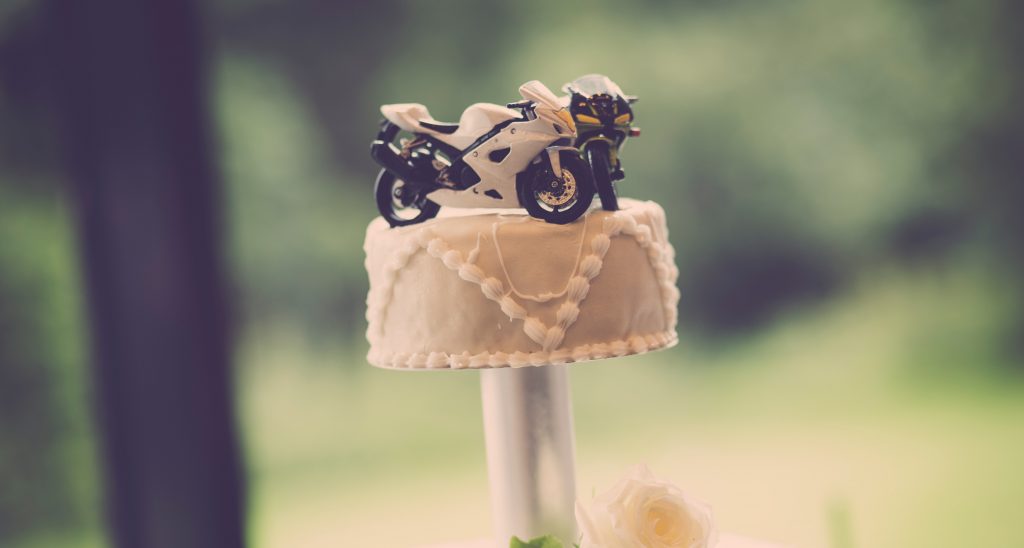
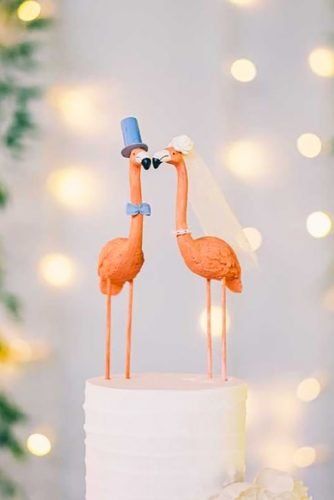
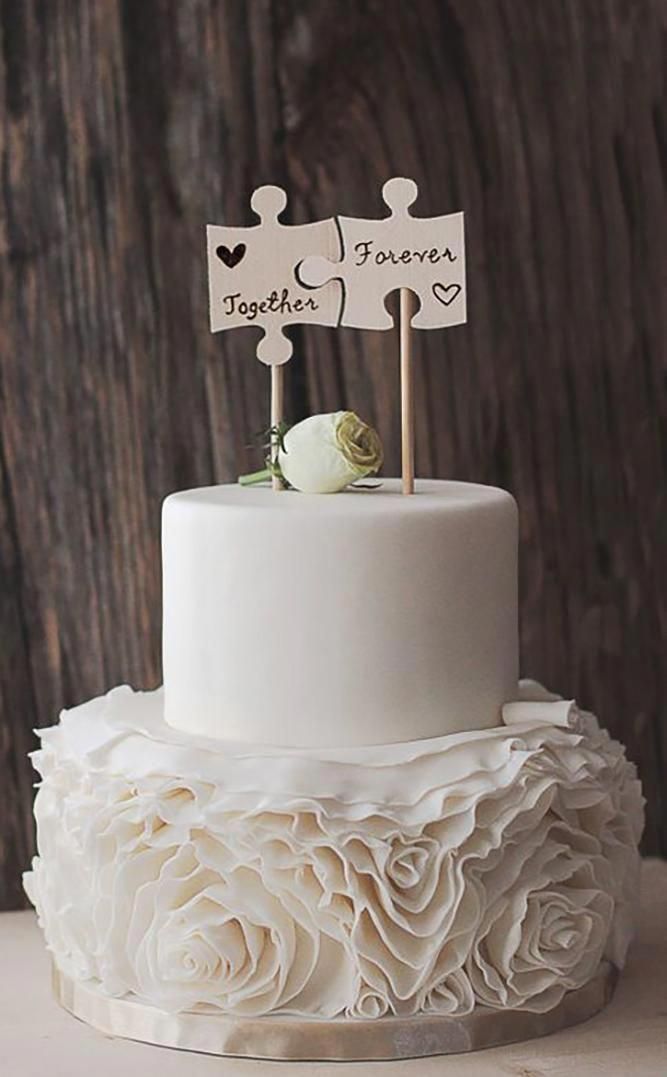
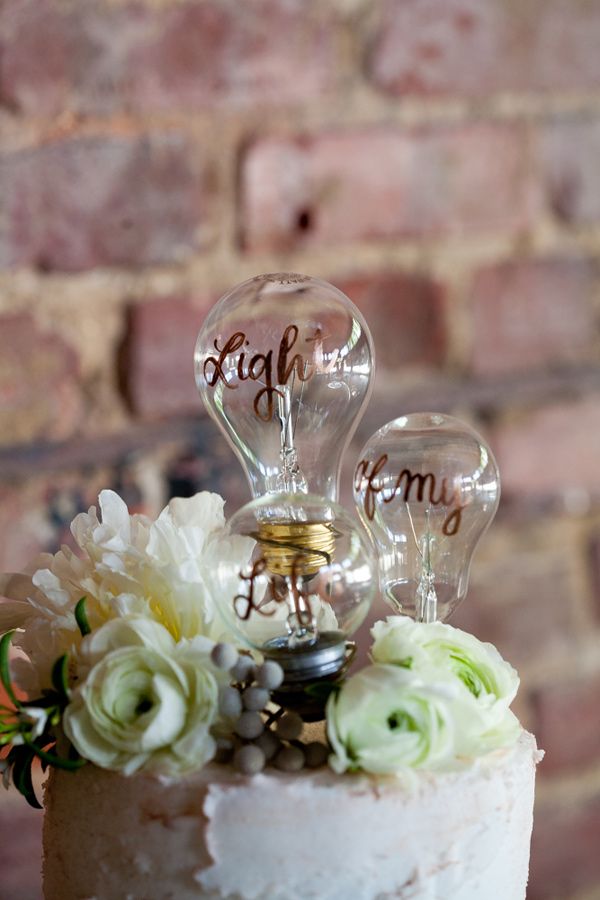
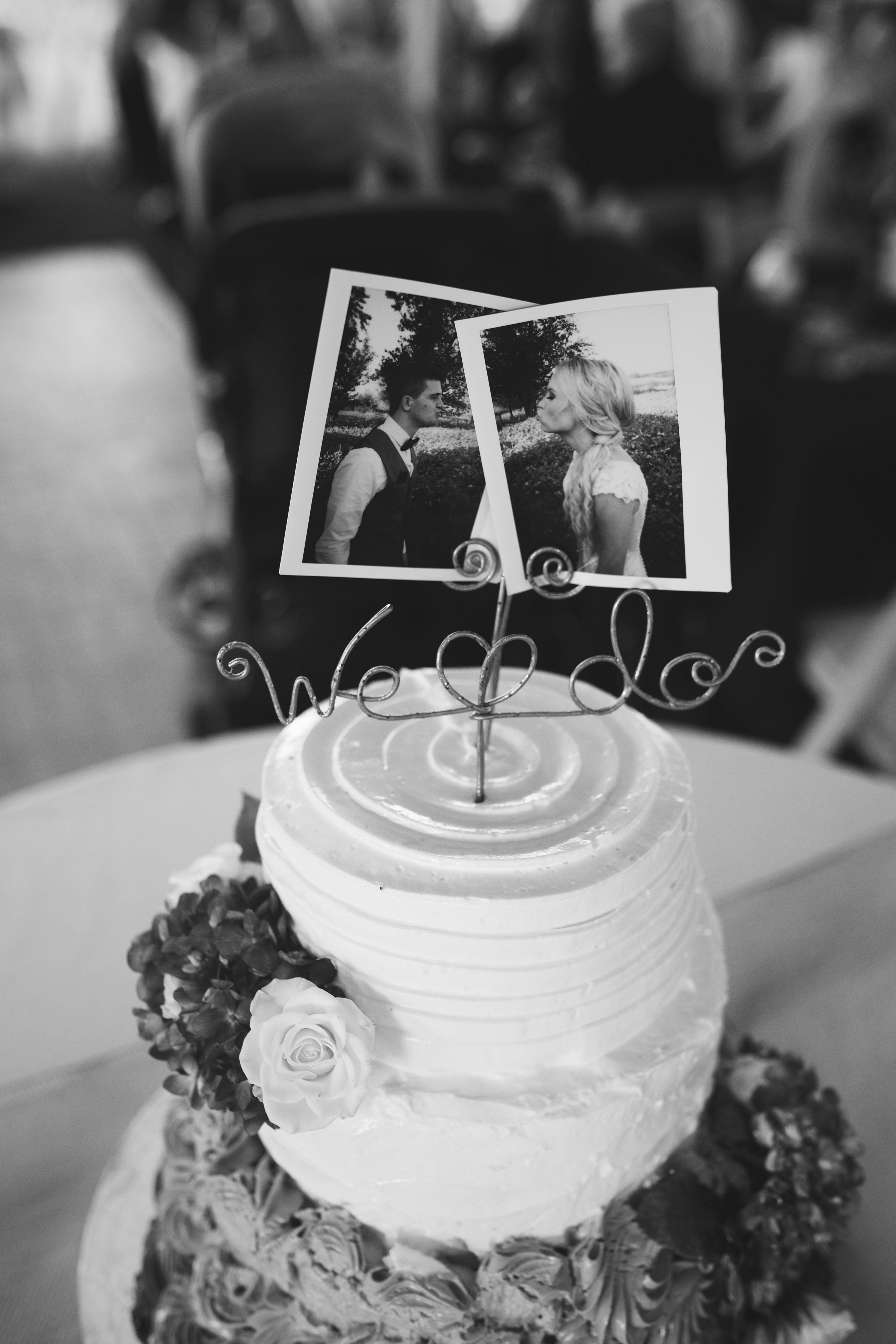
A wedding cake topper is the final element of your wedding cake, giving that last touch to your perfect dessert. These toppers work wonders in personalising your cake.
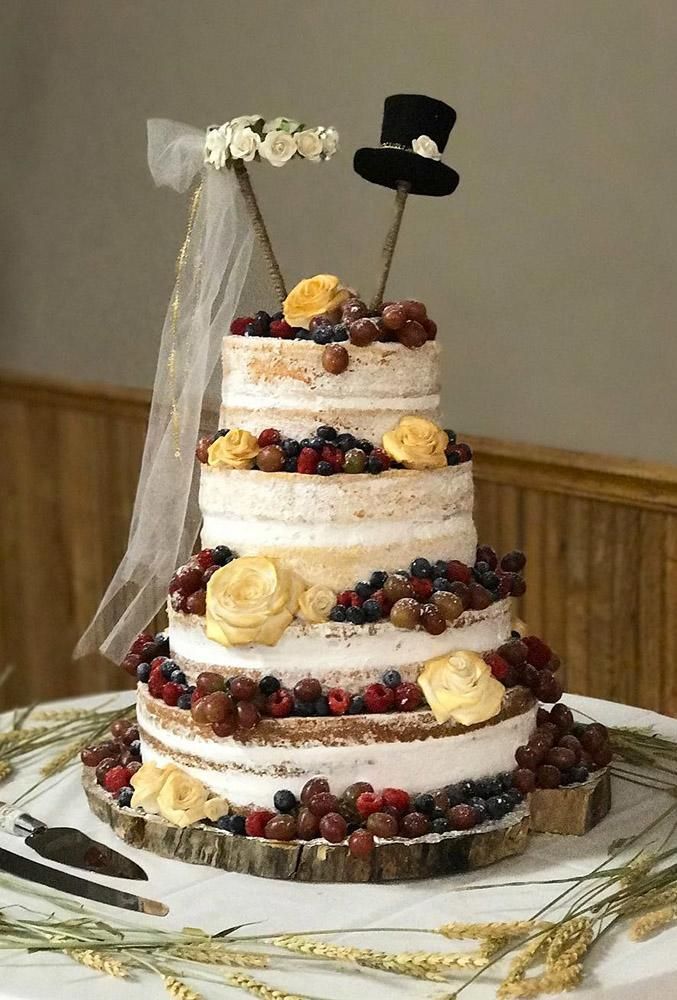
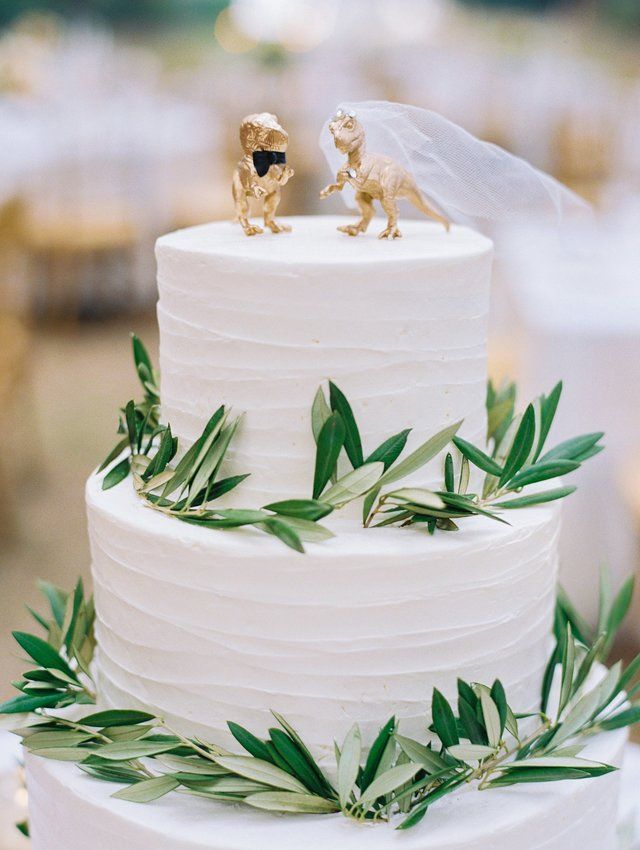
Wedding cake toppers have decreased in popularity over the decades, with many couples preferring the cake’s detail to be the focus. However, those opting for simpler cake designs will benefit from a unique and quirky cake topping that speaks to the couple’s personality.
From adorable animals to Lego creations, here are some creative toppers to act as the cherry on top of your cake:
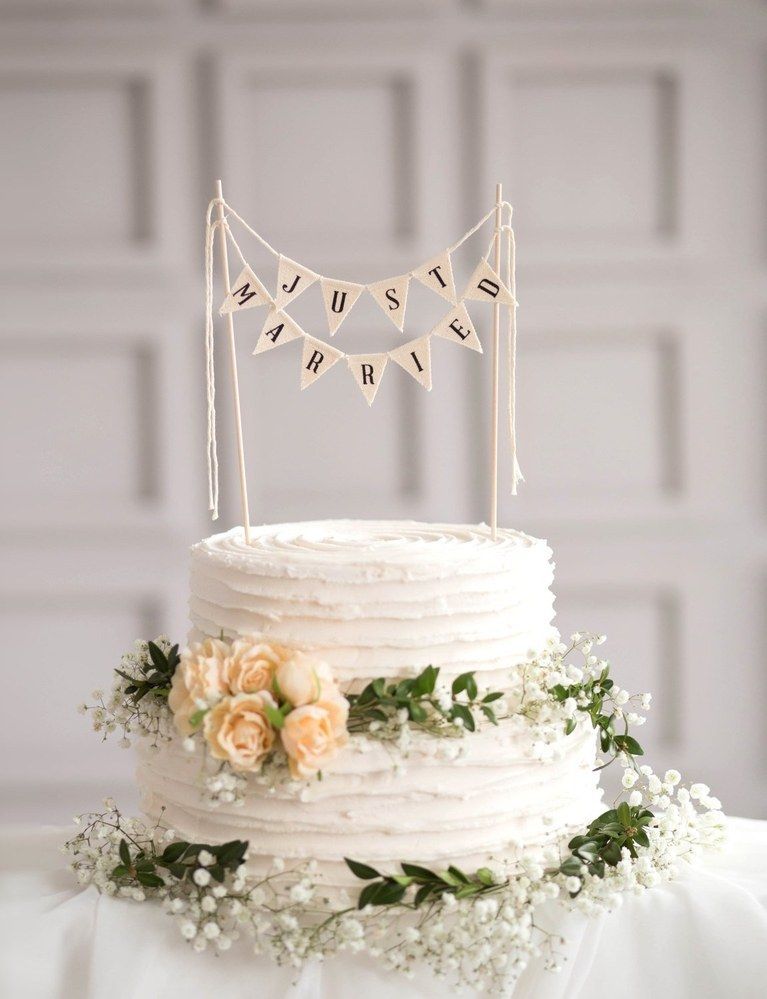
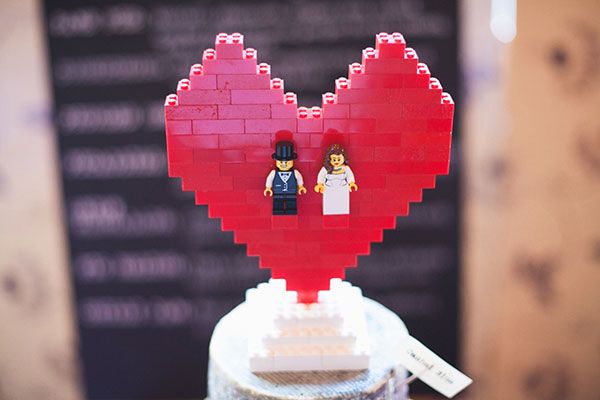
Feature image: Pexels
Peridot may be an unusual and largely unknown stone for an engagement ring, but that’s exactly what makes it so special. Modern brides wanting to be different should…
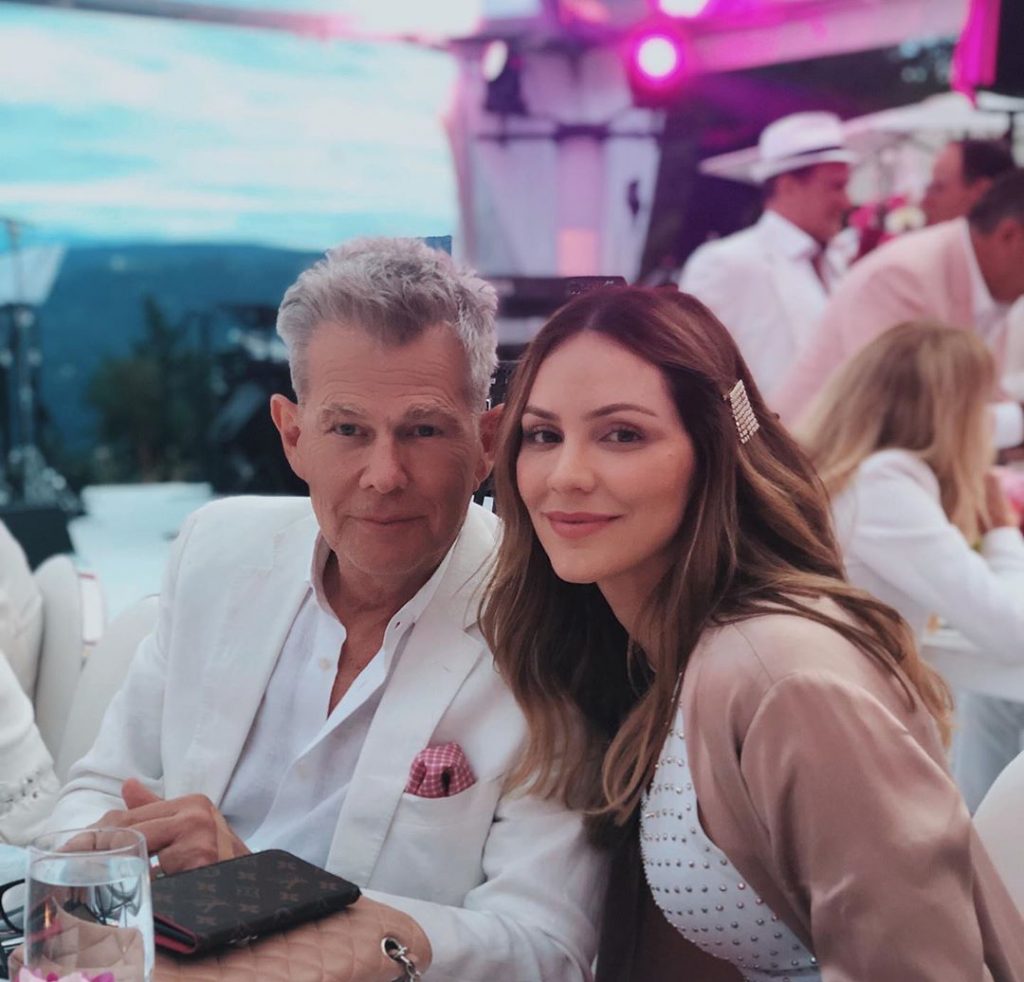
Congratulations are in order for Katherine McPhee and David Foster, who recently celebrated one year of marriage.
The actress and singer and her music executive husband both took to social media to express their love for each other on their special day.
“A year ago today I married the love of my life. Thank you for always loving me and inspiring me in all aspects of my life. I love you. Here’s to the future! (Oh and happy anniversary to the other love of my life – this dreamy dress! ?? thank you @ZacPosen!!)” McPhee wrote on Instagram.
https://www.instagram.com/p/CB_XBsRjVpc/?utm_source=ig_web_copy_link
Foster was a little more short and sweet with his message, simple writing “happy anniversary to the love of my life!! Last summer at the beautiful Miramar!!”
https://www.instagram.com/p/CB_bmMGnr9_/?utm_source=ig_web_copy_link
The couple met in 2006 on the set of American Idol, when McPhee was a contestant and Foster was a mentor. They only began dating in 2017 and got engaged a year later.
They married in 2019 at the Church of Saint Yeghiche in South Kensington, London. It was the second marriage for McPhee and fifth for Foster, who was previously married to Real Housewives of Beverly Hills star and mother to Gigi and Bella Hadid, Holanda Hadid. He was also married to singer Linda Thompson, the first ex-wife of Caitlin Jenner.
The couple, who have a 35-year age gap, had planned to return to London to celebrate their anniversary, but scrapped those plans amid the COVID-19 pandemic. Instead, they had a small celebration with friends and family.
Feature image: Instagram / Katherine Foster
The COVID-19 pandemic may have changed the world, but it won’t stop love. A Cape Town couple proved just that when they tied the knot this past weekend…
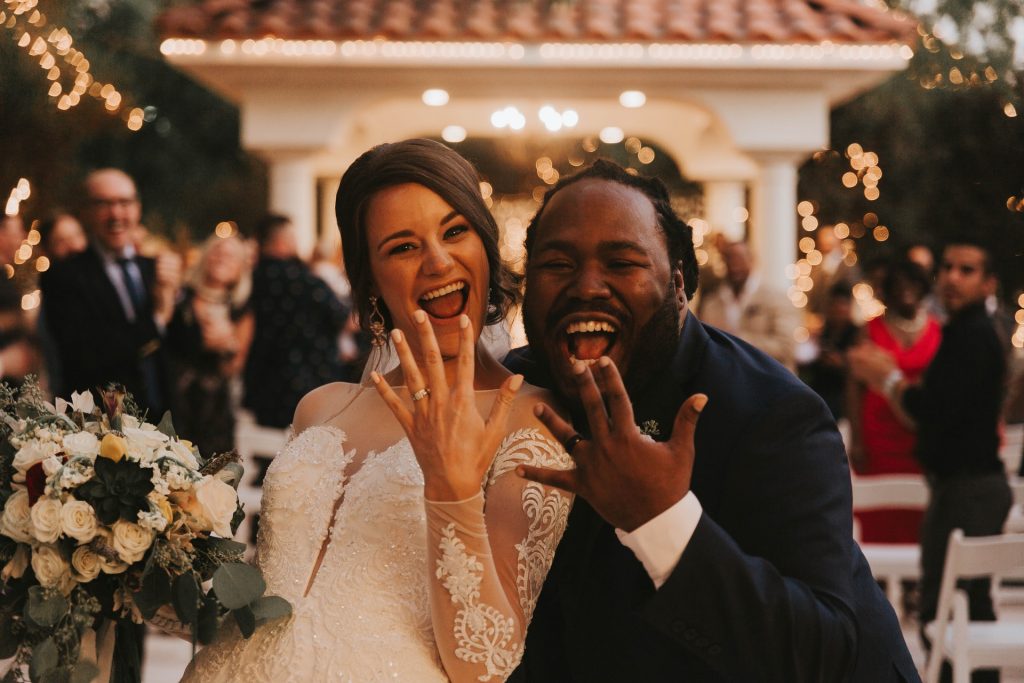
Today, South Africa prefers to be known as the Rainbow Nation, a country with wide diversity, who is accepting of everyone. Anyone can marry whoever they’d like to. However, this was not always the case.
Under Apartheid, marriage between people of certain races was prohibited. After the National Party (NP) came into power in 1948, they promulgated various racist laws. One of these was the Prohibition of Mixed Marriages Act, Act No 55 of 1949. It was one of the first pieces of legislation they enacted after gaining power, according to Thought Co.
The act banned marriages between “Europeans and non-Europeans”. In plain English, this meant that white people could not marry anyone who was not considered to be white. In addition, the law made it a criminal offense for a marriage officer to perform a ceremony between a white person and a person of colour.
According to SA History, the new law also rendered interracial marriages that took place outside of South Africa to be null and void. Many were arrested for breaking the provisions set out by the new laws.
The law was justified as the government claimed to want to “protect the purity” of the white race and to ensure that people of colour do not “infiltrate” the “dominant” race. To really ensure that this didn’t happen, the Apartheid government also passed the Immorality Act No. 23 of 1957 (which repealed the 1927 act) to prohibit sexual intercourse or “immoral or indecent acts” between white people and people of colour.
To clarify, the law did not prevent mixed marriages between people of colour (for example if a black citizen wanted to marry a coloured citizen).
Thought Co reported that even without the law that had been put in place, mixed marriages between white people and people of colour were already rare. They averaged under 100 per year, between ’43 and ’46.
Many opposed the Prohibition of Marriage Act. However, in most cases it was not because whites wanted to have mixed marriages, but rather because they felt insulted at the thought that they would intend to. They thought the law was not necessary.
Years later, actual opposition to the laws built up. In 1976, approximately 260 people were convicted for violating the law, according to Thought Co. The next year, 1977, the opposition became so strong that it divided the cabinet.
On June 19 1985, the laws were repealed by the Immorality and Prohibition of Mixed Marriages Amendment Act, according to SA History. This Act allowed interracial marriages and relationships.
According to the BBC, South Africa’s first interracial marriage (supposedly the first legal one, since there were cases of people being convicted for contravening the laws prior to the legalisation), was between a white woman named Suzanne Leclerc and a black man named Protas Madlala.
Today, of course, thousands of interracial marriages exist in the country. Mixed couples creating beautiful families are easily found and widely celebrated.
Image: Unsplash