• Tag

    weddingplanning

    Browsing

    So you’re engaged, and although it’s an exciting and thrilling time for both you and your significant other, conflict is bound to arise, often in the form of your soon-to-be family-in-law. Some cases may be worse than others, but we’d like to help you lessen the load. Read on for some practical tips and thoughts on how to keep them happy, and, appropriately involved.

    Acceptance

    First of all, you need to make peace with the fact that your wedding planning journey will come with a fair share of stress, drama and mishaps, but all of this could be managed easily by not stressing about the things you cannot change. That goes for the family you’re marrying into as well. If you’ve known the person you’re marrying for a good amount of time, you probably know their family too – including their habits and preferences. Just because you’re getting married doesn’t mean those things will change, so make it easier for yourself by making peace with it – you’d want your S.O to do the same for you.

    You marry the family, too.

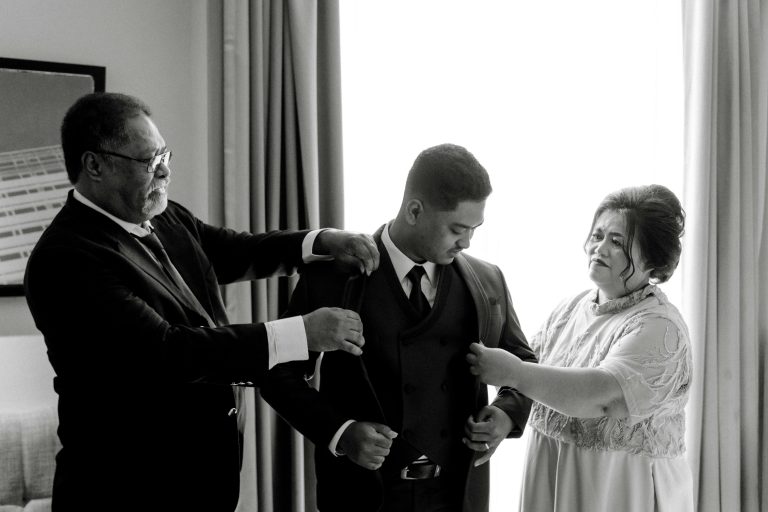
    That said, your new spouse’s family is accepting a new member into theirs, as your family is too, so be mindful about including them in the planning process. Your wedding is a celebration of not only two people coming together, but two families uniting, so they need to feel that their opinions matter too. This doesn’t mean that you have to take every suggestion they make to heart, but they’ll feel much more included if you make an effort to hear them out and make some compromises.

    Take a stand

    Sometimes, keeping the peace means taking a stand. It’s extremely difficult to avoid hurting the feelings of someone who simply wants to help, but sometimes their need to help is greater than your need for it. Don’t allow yourself to get into a situation too deep before realising that you’re allowing things to happen that will ultimately make you unhappy. Say no when you need to, but explain your feelings and reasoning behind it so that a mutual understanding can be reached.

    Same page

    You and your S.O absolutely need to be on the same page when it comes to making the decisions in your planning process. This will allow you to adequately explain your reasoning to your families, without throwing anyone under the bus. However, if your parents are paying for some parts of the wedding, you need to be on the same page with them too. Be open about what you want, your visions and expectations to avoid unnecessary conflict, especially if you’re not the one paying for it.

    Lessen the load

    Just because it’s your wedding doesn’t mean you have to plan, take care of and do everything. Make your vision clear and allow your mother-in-law, father-in-law or whoever-in-law to help you out with making calls, DIY projects, collections or whatever it is you may need. This will allow them to feel involved, but not in an overwhelming way where they have the ability to make decisions for you. However, looking at the other side of the spectrum could be just as tricky. Maybe your father-in-law is great at building things with his hands, but up until now you haven’t been getting along that well. Take the plunge and ask him for help with your DIY projects – it might be the starting point for the relationship you’ve been looking for.

    ALSO SEE: 8 guidelines for father of the groom

    8 guidelines for father of the groom

    Feature image: Pexels

    Planning a wedding can be both exciting and overwhelming. To help you stay organized and ensure nothing is overlooked, we’ve crafted a month-by-month checklist tailored for South African couples. Whether you’re dreaming of a beachside ceremony in Cape Town or a vineyard celebration in Stellenbosch, this guide will keep you on track.

    12 Months Before: Laying the Foundation

    • Set Your Budget: Determine your overall budget and discuss contributions with family members if applicable.

    • Draft Your Guest List: Start compiling a list of guests to estimate the size of your wedding.

    • Choose Your Wedding Date: Select a date that works for you and your key vendors.

    • Research and Book Key Vendors: Secure your venue, photographer, and caterer early, as they can book up quickly.

    • Create a Wedding Vision Board: Gather inspiration for themes, colors, and styles that resonate with you.

    6 Months Before: Finalizing Details

    • Send Save-the-Dates: Inform your guests about your wedding date and location.

    • Order Wedding Attire: Begin shopping for your wedding dress and the groom’s attire.

    • Book Additional Vendors: Secure services like florists, entertainment, and transportation.

    • Plan the Honeymoon: Research destinations and make necessary bookings.

    • Register for Gifts: Set up a wedding registry for your guests.

    3 Months Before: Confirming Arrangements

    • Send Invitations: Mail out your wedding invitations with RSVP details.

    • Finalize Menu and Cake: Confirm your catering choices and cake design.

    • Schedule Hair and Makeup Trials: Book appointments to test your wedding day look.

    • Plan the Rehearsal Dinner: Choose a venue and send invitations to the bridal party.

    • Apply for a Marriage License: Ensure you meet all legal requirements for marriage in South Africa.

    1 Month Before: Final Preparations

    • Confirm RSVPs: Follow up with guests who haven’t responded.

    • Create a Seating Plan: Organize your seating chart for the reception.

    • Have Final Dress Fitting: Ensure your wedding attire fits perfectly.

    • Prepare Payments: Organize payments for vendors and tips for the wedding day.

    • Pack for the Honeymoon: Get your travel documents and luggage ready.

    By following this structured timeline, you can ensure a smooth and memorable wedding day. Remember, the key to a successful wedding is staying organized and enjoying the journey. Happy planning!

    Featured Image: Canva

    When planning your wedding in South Africa, one of the key decisions is whether to buy or hire suits for the groom and groomsmen. Both options have their advantages and costs, and the best choice depends on your budget, style preferences, and how often you anticipate wearing the suit again.

    Buying a Tailored Suit

    Pros:

    • Custom fit tailored to your measurements.

    • Personalized fabric and style choices.

    • Long-term investment for future events.

    Cons:

    • Higher upfront cost.

    • May require additional alterations.

    Cost:

    • A 2-piece suit from a reputable tailor like Kale & Co Bespoke starts at R15,500, excluding VAT.

    • Tailored suits from brands such as The Tux Tailor and Tip Top Tailor are available from R5,500 to R6,000.

    Hiring a Suit

    Pros:

    • Lower upfront cost.

    • No need for storage or maintenance.

    • Ideal for one-time events.

    Cons:

    • Limited customization options.

    • May not fit as perfectly as a tailored suit.

    Cost:

    • Suit hire prices range from R550 to R1,590, depending on the package and accessories included.

    Cost Comparison

    Option Starting Price (ZAR) Customization Ideal For
    Buying R5,500 – R18,500 High Frequent wear
    Hiring R550 – R1,590 Low One-time events

    Which Option is Right for You?

    • Buy a suit if you plan to attend multiple formal events or want a personalized fit and style.

    • Hire a suit if you’re looking for a cost-effective solution for a single event without the need for long-term storage.

    Local Suit Hire and Tailoring Options

    • Mr Suit Hire: Offers a range of suits for hire starting from R550.

    • The Dress Suit: Provides complete outfit hire packages, including suit, shirt, waistcoat, cravat, hanky, and cuff links for R1,590.

    • Kale & Co Bespoke: Specializes in high-end tailored suits starting from R15,500.

    • The Tux Tailor: Offers tailored suits from R5,500.

    Choosing between buying and hiring a suit depends on your personal preferences, budget, and how often you anticipate wearing the suit again. Consider the long-term value of owning a tailored suit versus the immediate cost savings of hiring. Whichever option you choose, ensure it aligns with your wedding vision and personal style.

    Featured Image: Canva