• Tag

    Wedding planning South Africa

    Browsing

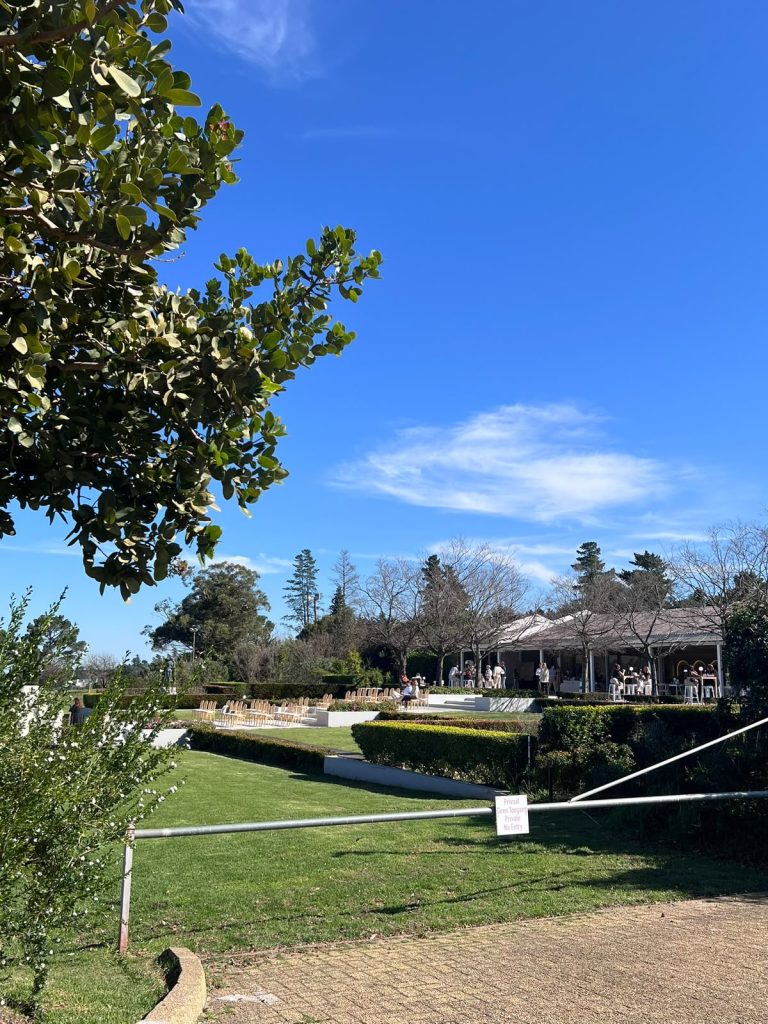
    There is something undeniably magical about walking into a space where every detail has been thoughtfully curated around one of life’s biggest celebrations. From the moment I arrived at the Lourensford Bridal Showcase at Lourensford Wine Estate on 1 August, it was clear that this wasn’t just another wedding expo. It was an immersive experience designed to inspire couples as they begin planning their journey to “I do.”

    A warm welcome at Lourensford Wine Estate

    The beautiful Cape Winelands setting provided the perfect backdrop for the day. As I entered the venue, an incredibly friendly team welcomed me. They immediately set the tone for the day. Guests received beautifully prepared goodie bags before collecting a welcome drink and enjoying the light bites on offer. Even the smallest interactions reflected genuine hospitality. At one point, with my hands full of brochures, samples and my camera, one of the staff members kindly stepped in to help without hesitation. It was a simple gesture, but one that perfectly captured the warmth of the day.

    Bridal fashion takes centre stage

    The showcase officially began with a bridal fashion show by Fender Bridal, accompanied by the enchanting sounds of live violin music performed by Donné Violinist. The combination was nothing short of magical.

    Fender Bridal presented a collection for every type of bride. The runway featured timeless classics alongside modern silhouettes with hints of old-world luxury. Every gown felt elegant, sophisticated and wearable. Whether you’re envisioning sleek contemporary styling, romantic lace, structured silhouettes or flowing fabrics, the collection demonstrated that today’s brides truly have endless options.

    Adding another layer of romance was Donné Violinist, whose live performance transformed the fashion show into an unforgettable experience. The music created an atmosphere that felt whimsical, intimate and effortlessly elegant, proving just how much live entertainment can elevate a wedding celebration.

    Once the runway concluded, guests were encouraged to explore the various exhibitors before gathering for an educational wedding planning workshop. This gave everyone the opportunity to chat directly with suppliers, ask questions and discover services tailored to every stage of wedding planning.

    Cake, conversations and wedding inspiration

    One of my favourite stops was The Cake Patisserie Studio. Their tasting station quickly became a crowd favourite, offering guests a selection of beautifully crafted cupcakes in various flavours. I sampled both the chocolate fudge and carrot cupcakes, and both were incredibly moist, flavourful and beautifully balanced. Safe to say my cake craving had officially been satisfied for the day.

    The workshop itself was informative, practical and engaging. Rather than overwhelming couples with endless inspiration, the speakers focused on the realities of planning a successful wedding while still creating an unforgettable experience.

    Expert advice for every couple

    The first presentation came from Trunk Events. The founder effortlessly blended professionalism with warmth and humour while discussing one of the biggest aspects of wedding planning: the budget. She explained why establishing a realistic budget should always be the starting point and highlighted the value that an experienced wedding planner brings, helping couples manage timelines, suppliers and unexpected challenges so they can fully enjoy their wedding day.

    Galilee Image Consultant followed with valuable advice on personal styling. From choosing colour palettes and bridal party attire to selecting hairstyles and makeup looks, the session centred around one important message: your wedding should still feel like you. Rather than chasing trends, couples were encouraged to embrace styles that reflect their personalities and make them feel confident and comfortable.

    Beyond the workshop, the showcase brought together an impressive collection of local wedding professionals, each offering something unique.

    Meet the wedding suppliers

    • Fender Bridal specialises in beautifully crafted bridal gowns that cater to a variety of styles, body shapes and wedding aesthetics. Their collections combine modern design with timeless elegance, helping brides find a dress that feels uniquely theirs.
    • Cake Patisserie Studio creates bespoke wedding cakes and luxury desserts, offering couples beautifully designed centrepieces that taste every bit as good as they look.
    • Angelic Aesthetics provides professional bridal hair and makeup services. Their bespoke approach helps brides achieve a polished look that reflects their personal style while lasting from the ceremony through to the final dance.
    • Nélané Jewellery offers handcrafted jewellery, including engagement rings, wedding bands and bespoke fine jewellery designed to commemorate life’s most meaningful milestones.
    • Galilee Image Consultant helps brides and bridal parties refine their personal style through image consulting, colour analysis and styling guidance that ensures every wedding look feels authentic.
    • Walker Media specialises in wedding videography and cinematic storytelling, documenting weddings through beautifully produced films that preserve every emotion of the day.
    • Trunk Events is a full-service wedding planning and event management company, assisting couples with everything from concept development and supplier coordination to flawless on-the-day execution.
    • Abundance Catering creates tailored catering experiences, offering beautifully presented menus designed to suit each couple’s vision while delivering exceptional hospitality.
    • The Photo Booth Parlour brings a fun, interactive element to weddings through stylish photo booth experiences complete with instant keepsakes for guests.
    • Donné Violinist provides live violin entertainment for ceremonies, cocktail hours and receptions, adding a romantic soundtrack to every stage of the celebration.
    • Bits for Brides offers thoughtfully curated bridal accessories and finishing touches that help complete the wedding day look.
    • Love Wildly specialises in wedding stationery and bespoke event signage, creating personalised paper goods that tie together every visual detail of a celebration.
    • The Collectiv captures weddings through modern photography, focusing on genuine emotion and timeless storytelling that reflects each couple’s unique journey.

    Throughout the afternoon, what stood out most wasn’t simply the beautiful displays or expertly styled tables. It was the atmosphere. There was no pressure to make immediate bookings or rushed conversations. Instead, suppliers took the time to genuinely connect with couples, answer questions and share their expertise. The result was an event that felt welcoming, informative and refreshingly relaxed.

    A showcase worth adding to your wedding planning calendar

    For newly engaged couples, the Lourensford Bridal Showcase offers far more than wedding inspiration. It provides the opportunity to meet trusted suppliers face-to-face, experience their work first-hand and gain practical advice that can make planning considerably less overwhelming.

    As I left with my goodie bag a little fuller than when I arrived and plenty of inspiration to take home, one thing was certain: the Lourensford Bridal Showcase has established itself as a standout event on the local wedding calendar. If this year’s showcase is anything to go by, next year’s event is already worth looking forward to.

    ALSO SEE: 5 Magical wedding venues in the heart of Gauteng

    5 Magical wedding venues in the heart of Gauteng

    Feature image: Zayaan Marthinus

    Winter weddings have often played second fiddle to spring and summer celebrations, but that’s changing fast. Across South Africa, more couples are choosing cooler months for their big day, thanks to lower venue costs, cosy styling opportunities and a chance to embrace the season rather than fight it.

    According to Corné Alberts, National Marketing Manager at ANEW Hotels & Resorts, winter weddings continue to grow in popularity as couples look for celebrations that feel warm, intimate and memorable.

    If you’re planning a cold-weather “I do”, these are the biggest winter wedding trends in South Africa to keep on your radar.

    1. Tailored groom style is a hit

    For years, bridal fashion has dominated the spotlight, but winter is giving grooms their own fashion moment.

    Expect plenty of textured tweeds, tailored waistcoats, earthy colour palettes and classic English countryside-inspired styling. Think timeless rather than trendy, with accessories like pocket watches, patterned ties and flat caps adding personality without feeling over the top.

    The cooler weather also makes layering practical, allowing grooms to stay comfortable while looking polished throughout the day.

    2. Long-sleeve wedding dresses are having a moment

    Winter is the perfect excuse to wear a long-sleeved wedding dress without overheating.

    Delicate lace sleeves remain a favourite, while detachable sleeves are becoming increasingly popular for brides wanting two looks in one. They provide extra warmth during the ceremony before easily being removed for the reception and dancing later in the evening.

    It’s a practical trend that’s especially useful in regions where temperatures drop quickly after sunset.

    3. Midweek weddings continue to save couples money

    One of the biggest benefits of getting married in winter? Your budget stretches further.

    Many venues and suppliers offer lower rates from Monday to Thursday, allowing couples to spend more on the parts of the wedding that matter most to them. That could mean upgrading the menu, investing in beautiful floral arrangements, extending the honeymoon or simply reducing overall costs.

    Some couples are even splitting celebrations across several days, hosting the legal ceremony during the week before celebrating with family and friends over the weekend.

    4. Rich winter colour palettes replace all-white decor

    Winter weddings are embracing colour in a big way.

    Instead of traditional white-on-white styling, expect to see:

    • Burgundy
    • Deep plum
    • Forest green
    • Burnt terracotta
    • Warm neutrals

    Seasonal flowers also help bring these palettes to life. Proteas and fynbos are naturally in season during winter, making them both beautiful and cost-effective choices for South African weddings.

    5. Cosy details become part of the decor

    Guest comfort is becoming just as important as aesthetics.

    Rather than simply decorating a venue, couples are creating warm, inviting spaces with thoughtful touches such as:

    • Fireplaces and fire pits
    • Cosy lounge areas
    • Baskets of blankets
    • Candlelight
    • Warm welcome drinks

    These additions naturally encourage guests to gather, chat and linger throughout the celebration.

    6. Matcha and chai stations replace signature cocktails

    While cocktails aren’t disappearing completely, warm drinks are becoming a popular addition to winter wedding receptions.

    Coffee carts remain a favourite, but couples are also introducing:

    • Matcha lattes
    • Chai tea stations
    • Hot chocolate bars
    • Glühwein or mulled wine
    • Traditional Old Brown Sherry as a nostalgic South African welcome drink

    It’s a simple way to keep guests warm while adding another memorable detail to the day.

    7. Potjie pots are replacing traditional buffets

    Winter menus naturally lean towards comforting food, and the humble potjie is making a big comeback.

    Instead of light summer dishes, couples are opting for hearty favourites like:

    • Butternut soup served with fresh sourdough
    • Slow-cooked lamb potjie
    • Vegetable potjie
    • Fragrant curries
    • Rich desserts served warm

    Cooking over an open fire also creates a relaxed atmosphere, encouraging guests to gather around while dinner is prepared.

    8. Winter weather can be surprisingly reliable

    Although the Western Cape’s rainy season requires a backup plan, many inland regions enjoy dry, crisp winter days with clear blue skies.

    Couples marrying in Gauteng, the Free State, North West and parts of KwaZulu-Natal often choose winter specifically for its more predictable weather.

    For Cape weddings, umbrellas are becoming both a practical necessity and a stylish wedding favour should the weather decide to make an appearance.

    9. Winter weddings pair perfectly with romantic honeymoons

    Many couples are embracing the contrast of a cosy winter wedding followed by a sunny honeymoon overseas.

    Popular European destinations like Italy, Spain and Greece are enjoying their summer months while South Africa experiences winter, making July and August ideal for combining a local wedding with warm-weather travel abroad.

    Others are leaning into the season entirely, choosing luxury lodges with fireplaces, mountain cabins or spa retreats for a slower, more intimate honeymoon closer to home.

    Winter weddings are here to stay

    Winter weddings are no longer simply the budget-friendly alternative. They’re becoming a style choice in their own right.

    From dramatic colour palettes and comforting food to thoughtful guest experiences and timeless fashion, embracing the season can create a celebration that feels both personal and unforgettable.

    If you’re planning your wedding during South Africa’s cooler months, working with the season rather than against it could be the secret to creating a day your guests will remember long after the last dance.

    ALSO SEE: Before you book anything: The wedding planning order experts swear by

    Before you book anything: The wedding planning order experts swear by

    Feature image: Unsplash

    One minute you’re admiring a ring on your finger. The next, everyone wants to know the date, the venue, the dress, the flowers, the guest list and whether you’ve chosen your first dance song.

    Slow down. Getting engaged is a milestone in its own right, not simply the starting line for wedding planning. Yet it’s remarkable how quickly the excitement of saying “yes” can be replaced by a never-ending stream of questions.

    “So… when’s the wedding?” For some couples, the answer comes easily. They’ve already been planning for months. Others would rather sit in this new chapter for a while before diving into spreadsheets, budgets and seating plans. And that’s more than okay.

    Your engagement deserves its own moment

    Think about it. The proposal itself is a story you’ll probably tell for decades. Maybe it happened on a mountain after an exhausting hike. Perhaps it was during a weekend away, over breakfast at home, or completely unexpectedly while walking the dog. Maybe everything went according to plan. Or maybe absolutely nothing did.

    Those imperfect moments often become the best stories. Long after the wedding photos have been framed, you’ll still laugh about the ring almost falling into the ocean, someone accidentally interrupting the proposal, or how nervous your partner was that they could barely get the words out. It’s worth taking the time to enjoy that chapter before rushing into the next one.

    There isn’t a deadline

    Social media can make it feel as though engagements follow a strict timeline. Announcement photos. Venue booked. Dress shopping. Countdown begins.

    Real life doesn’t work like that. Some couples marry within months. Others stay engaged for several years. Neither is more “correct” than the other.

    There are countless reasons why you might want to wait before planning a wedding. Maybe you’re saving for the celebration you really want. Perhaps you’ve just bought a home or are focused on your careers. There could be family commitments, health concerns or a new baby on the way. Or maybe there isn’t a reason at all.

    Maybe you’re simply enjoying being engaged. That’s reason enough.

    Weddings are expensive

    Let’s be honest. Weddings aren’t cheap. For many South African couples, planning a wedding also means saving for one. Rushing into deposits and big decisions before you’re financially comfortable can add unnecessary pressure to what’s supposed to be an exciting time.

    Waiting a year — or even longer — doesn’t make your engagement any less meaningful. If anything, it gives you time to plan the day you actually want, rather than the day you feel pressured to have.

    Set the pace together

    One of the best things you can do early on is decide, as a couple, what works for you.

    If you’re choosing to wait before planning, let people know politely but confidently. A simple “We’re enjoying being engaged for now, and we’ll share our plans when we’re ready” is often enough. Setting those boundaries now can make the entire wedding-planning journey feel a little less overwhelming later.

    Don’t skip this chapter

    It’s easy to think of an engagement as the bit between dating and getting married. But it deserves celebrating too.

    Go on dates. Take engagement photos if you want to. Wear the ring proudly. Tell your proposal story for the hundredth time.

    Dream about the future without feeling like every conversation has to end with a colour palette or venue tour. The wedding will come. For now, enjoy the fact that you’ve found your person. The planning can wait.

    ALSO SEE: Old soul, new sparkle: How modern couples are reimagining heirloom engagement rings

    Old soul, new sparkle: How modern couples are reimagining heirloom engagement rings

    Feature image: Unsplash

    Durban knows how to throw a wedding – but if there’s one thing local couples know too well, it’s that weather can change plans faster than a seating chart can. Which is exactly why indoor wedding venues are having a moment.

    From grand ballrooms and elegant blank-canvas spaces to hidden gems that work beautifully for intimate celebrations, indoor venues offer the kind of predictability that still feels magical. Think air-conditioning, backup power, flexible styling and spaces that photograph beautifully regardless of what’s happening outside.

    If you’re venue hunting in Durban and dreaming of a celebration that feels polished, practical and unforgettable, here are some indoor wedding venues worth adding to your shortlist.

    1.  Sky Venue – For city glamour and ocean views

    Perched within Durban’s beachfront hotel strip, this venue is ideal for couples wanting a polished, hotel-style wedding without leaving the city.

    Location: Southern Sun Elangeni & Maharani, Snell Parade, Durban
    Estimated pricing: From approximately R45 000–R90 000+ depending on guest count, catering and package selection
    Best for: Elegant receptions, destination weddings, formal evening celebrations
    Contact: +27 31 362 1300 / [email protected]
    Website:  Southern Sun Elangeni & Maharani

    Why we love it: The indoor setting means uninterrupted celebrations, while the beachfront location delivers that iconic Durban feeling without relying on outdoor weather.

    2. The Stamford – For couples who want a blank canvas

    One of Durban’s more versatile event spaces, this venue works especially well for couples who already have a strong décor vision.

    Location: Greyville, Durban
    Estimated pricing: Around R20 000–R45 000 venue hire (varies by guest count and inclusions)
    Best for: Modern weddings, cultural celebrations, custom décor concepts
    Contact: +27 67 577 9326 / [email protected]
    Website: The Stamford

    Why we love it: Spacious interiors, full air-conditioning and flexibility make this one a strong option for couples wanting to build the wedding around their own aesthetic.

    3. 20 On Barham – For intimate luxury

    If your Pinterest board is filled with understated elegance and garden-party energy (without depending entirely on the outdoors), this Westville favourite deserves attention.

    Location: Westville, Durban
    Estimated pricing: Approximately R35 000–R75 000+ depending on package and guest count
    Best for: Boutique weddings, refined receptions, intimate celebrations
    Contact: +27 31 465 1716 / [email protected]
    Website: 20 On Barham 

    Why we love it: It feels intimate without feeling small – something increasingly popular with modern Durban couples.

    4. The Bond Shed – For industrial-chic weddings

    Warehouse-inspired spaces continue trending and this one delivers a more contemporary wedding atmosphere.

    Location: Point Waterfront, Durban
    Estimated pricing: Around R30 000–R70 000+ depending on setup requirements
    Best for: Editorial-style weddings, contemporary receptions, statement décor
    Contact: +27 63 887 9865 / [email protected]
    Website: The Bond Shed

    Why we love it: High ceilings and a clean architectural backdrop make décor transformations feel dramatic.


    View this post on Instagram


    A post shared by The Bond Shed (@thebondshed_events)

    5. Nour Venues – For modern celebrations with elevated styling

    This venue has been quietly building a reputation among couples wanting a polished indoor setup.

    Location: Durban North
    Estimated pricing: Approximately R25 000–R60 000+ depending on package
    Best for: Nikah celebrations, receptions, contemporary weddings
    Contact: +27 72 677 7770 / [email protected]
    Website: Nour Venues

    Why we love it: It already carries a styled-event feel, which can reduce décor pressure elsewhere in the budget.


    View this post on Instagram


    A post shared by Nour Venues (@nourvenues)

    6. The Venue Shongweni – Shongweni Valley – For couples wanting countryside romance indoors

    Technically outside central Durban but firmly worth the drive.

    Location: 1 Bushbuck Rd Outer West Durban 3701
    Estimated pricing: Approximately R45 000–R85 000+ depending on season and package
    Best for: Couples wanting indoor comfort with scenic surroundings
    Contact: +27 64 908 9556 / [email protected]
    Website: The Venue Shongweni

    Why we love it: It gives destination wedding energy without asking guests to travel too far.

    What Durban couples should ask before booking

    Before paying a deposit, ask:

    • Is backup power included?
    • Is there air-conditioning?
    • Are tables, chairs and staffing included?
    • Is catering in-house or external?
    • What happens in case of weather disruptions?
    • Is setup and breakdown included in venue hire?

    Note: Durban wedding venue pricing changes quickly depending on season, guest count and package inclusions – so treat these as realistic starting estimates and always request a formal quotation before committing.

    Choosing a Space that Holds the Day

    Indoor wedding venues in Durban aren’t just a practical backup plan – they’re what give you control in a city where weather, timelines and logistics don’t always play along. But beyond that, they shape the atmosphere of your entire day.

    The right space won’t just “host” your wedding. It will hold it – the noise, the nerves, the laughter, the soft in-between moments you don’t plan for but remember most.

    So instead of asking which venue is the most impressive, ask which one still feels like you when the room is full, the music is playing, and everything else fades out for a second.

    That’s the one worth booking.

    ALSO SEE: City Chic: The Most Beautiful Urban Wedding Venues Across South Africa 

    City Chic: The Most Beautiful Urban Wedding Venues Across South Africa

    Featured image: Pinterest

    Gone are the days when weddings in South Africa meant hundreds of guests and sprawling venues. In 2025, many couples are reshaping their expectations, prioritising intimacy, authenticity, and sustainability. Micro‑weddings, with guest lists under 50, are on the rise. Surveys like The Knot Worldwide’s reveal that 48% of couples are considering this option, climbing to 57% among those already engaged (The Knot Worldwide). Locally, wedding planners in Cape Town and Johannesburg report more requests for boutique vineyard ceremonies and private estate celebrations over traditional ballrooms.

    Yet, traditional weddings remain powerful, rooted in rich cultural heritage, multi-day celebrations, and the involvement of extended family. Whether you’re debating a micro ceremony or a grand celebration, it’s less about right or wrong and more about what represents your love story best.

    What Is a Micro‑Wedding?

    Micro‑weddings in South Africa typically feature 10 to 50 guests, often held at boutique vineyards, private gardens, luxury guesthouses or even family estates. These weddings emphasize meaningful interactions, with every detail carefully curated: personalised vows, bespoke cocktails, intimate seating, or handcrafted favours.

    Industry reports in SA highlight that micro‑weddings with a luxe twist (featuring custom cocktails, live cooking stations, bespoke stationery, and elevated décor) are especially in demand (Hidden Gems Venues). Local planners in Cape Town confirm couples love venues like boutique wine estates in Stellenbosch, Paarl, or boutique hotels in Franschhoek.

    Celebrants also note that micro‑weddings lend themselves to immersive experiences, think live caricature artists, private mixologists crafting cocktails, or small interactive food stations, enriching every moment with luxury despite a smaller budget.

    The Traditional South African Wedding

    Traditional weddings in SA often feature 100+ guests, involving extended families, cultural rituals, and multi-day festivities. They remain particularly prevalent within Zulu, Indian, Afrikaans, and other cultural communities. These ceremonies typically involve religious services, traditional attire, and large venue rentals such as hotels, church halls or large safari lodges.

    For example, Avianto in Gauteng and The Forum Embassy Hill in Cape Town or safari lodges like Zulu Nyala remain popular choices. These venues offer multi-function capacity and cultural flexibility. While these events are often more expensive, costing R150,000–R500,000+, they reflect deep cultural connections and communal celebration.

    Even large religious ceremonies continue across SA: for instance, the International Pentecost Holiness Church in Heidelberg recently hosted a mass wedding for around 3,000 participants, some entering polygamous customary marriages, an extreme example of tradition upheld at scale (apnews.com).

    Cost Comparison: Savings vs Splurge

    In South Africa, micro‑weddings typically cost between R40,000–R120,000, thanks to smaller catering, rental, décor and guestlist management. Many couples splurge instead on high‑end photography, fine dining or bespoke décor to maintain luxury within budget.

    Traditional weddings can range from R150,000 to over R500,000, especially when guest numbers exceed 150, venues require large halls or marquees, and cultural rites require multiple events such as wine ceremonies or separate receptions.

    With micro‑weddings, savings are found in reduced scale, but couples still invest in quality. For instance, luxury food stations, featuring local produce and interactive elements like build‑your‑own sushi or braai‑style cooking, often dominate guest experiences, even in intimate settings (Hidden Gems Venues),(Dear Diary).

    Emotional & Social Considerations

    A micro‑wedding’s intimacy can deepen connection, but may also strain family expectations. Some planners note that couples often wrestle with limiting the guest list: deciding which friends or extended relatives to invite can be emotional. As one planning guide puts it, micro‑weddings “offer intimate connections and cost savings but limit guest participation” while larger weddings welcome entire communities, with added complexity (Dear Diary).

    Many SA planners report that micro‑weddings appeal to couples prioritising mindfulness and authenticity over tradition. Families may push for larger gatherings, but couples are increasingly finding ways to compromise, for example, hosting a separate, smaller post‑wedding party for extended family or streaming their ceremony virtually.

    Legal & Logistical Differences

    Legal marriage requirements with Home Affairs remain unchanged regardless of scale. However, micro‑weddings often simplify logistics dramatically: fewer vendors, straightforward seating and layout needs, and reduced exposure to problems like load-shedding. Private venues often don’t require extensive event permits, so planning becomes more streamlined.

    What SA Couples Are Choosing in 2025

    National and global data point toward rising interest in micro‑weddings: international reports show 48%–57% of engaged couples leaning this way (The Knot Worldwide). In South Africa, planners in Cape Town and Johannesburg confirm this especially in eco-conscious, boutique-centric areas.

    Different regions trend differently: in Cape Town, eco-luxe micro‑weddings held at vineyards or boutique estates are especially popular. In Gauteng, hybrid models, small ceremonies followed by larger receptions or streamed events are gaining traction. In Durban, traditional Indian and Zulu weddings remain strong, often resisting the micro‑trend given cultural importance of broader familial gathering.

    What Feels Right for You

    There’s no right or wrong when choosing between micro‑weddings and traditional celebrations in South Africa. It’s about balancing your vision, budget, and cultural or family values. Micro‑weddings offer intimacy, personalization, and cost control, ideal for meaningful moments. Traditional large-scale celebrations offer cultural richness, community involvement, and a communal experience.

    Talk with your partner and planner about what matters most, guest experience, meaningful traditions or financial flexibility. Consider hybrid options or post‑event celebrations to satisfy everyone. Above all, your wedding should reflect your story, not tradition by default.

    Featured Image: Pixels

    Dreaming of an ocean‑front “I do” in 2025? Here’s a brutally honest breakdown of Western Cape vs KwaZulu‑Natal venues so you can make an informed decision (before thousands go on décor and sneaky permit fees).

    The Beach Wedding Dream vs. Coastal Reality

    A beach wedding calls to mind barefoot brides, sunset walkways, and soft ocean breezes. It’s Instagram‑perfect in concept, relaxed, romantic, budget‑smart.

    But anyone who’s run sand through a pair of heels knows the beach bar vibe doesn’t come without thorny logistics:

    • Permits & bylaws: Most public beaches require municipal approval. (No permit = no ceremony.)

    • Weather surprises: gusty wind on the Atlantic side or humidity and bugs on the Indian Ocean coast.

    • Noise & privacy issues: waves drown out sound, and public beaches = unpredictable foot traffic.

    • Vendor challenges: transporting gear across dunes, generator needs, and finding reliable local teams.

    So let’s dig into the two leading coastal provinces where most couples are drawn for their “wedding‑day forever” shots… and sometimes, one too many course corrections.

    Western Cape Coastal Venues: Gorgeous, but Demanding

    📍 Popular Picks

    Camps Bay, Llandudno, Noordhoek, Hermanus‑area beaches like Grotto, and Paternoster Coast make the top list due to dramatic mountain‑by‑sea views and upscale nearby venues.

    Sourced: thebayhotel.com
    • The Bay Hotel in Camps Bay, for example, offers a full beach‑wedding package including beach gazebo, planner, photographer, but enforces strict no‑alcohol policies on the public sand area and helps with permits from the City of Cape Town. (thebayhotel.com)

    Sourced: @stm_travel
    • Camps Bay Retreat Boutique requires exclusive property booking and no more than ~50 guests on the actual sand strand for exclusivity.(campsbayretreat.com)

    Sourced: campsbayretreat.com

    Pros

    1. Photogenic vistas: Table Mountain backdrop + wide white sand—perfect light, year‑round.

    2. Reliable vendors: Cape Town is wedding‑central in SA; planning companies, photographers, caterers, transport and packing are premium and plentiful.

    3. More settled flow of guests: Domestic/international flights into Cape Town more frequent and accessible.

    4. Cool, dry summers: Most weddings held between late October and early April for warm sun and minimal rain.

    Cons

    1. Wind worries: The notorious Cape Doctor can roar through midday; March–April may offer calmer weather but still requires contingency.

    2. Cold Atlantic Ocean: Most people in Turks or floaties once snapping toes. Swimming is not the highlight.

    3. Permit hurdles: You’ll need a permit for most public beaches; costs vary from R 300 – R 6 000+, must be filed at least one week in advance; no guarantee of exclusivity.

    4. Premium pricing: High demand means bookings open a year in advance and prices rise sharply during December – January.

    What to Consider

    • Latest Cape Town bylaws require environmental & noise clearance for weddings above 50 guests.

    • Access for elderly/elderly‑mobility guests can be tricky on dunes. Many vendors offer beach‑accessible walkways and portable platforms, ask in venue tours.

    KwaZulu‑Natal Coastal Venues: Warm, Lush and Season‑Sensitive

    📍 Well‑Known Spots

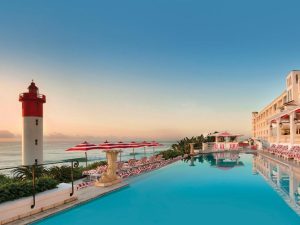
    Umhlanga Beach (Oyster Box, Umhlanga Rocks Hotel), Ballito (Salt Rock, Sala Beach House, Baron Beach House), Southbroom, Zinkwazi Beach, and Kosi Bay are popular for their tropical backdrops and warmer water.

    Sourced: Facebook Baron Beach House
    • Oyster Box Hotel offers classic ocean‑front ceremonies with Indian Ocean breezes and wedding planners behind the scenes. Reviews like:

    “If you’re thinking of getting married at OBH, do it, it’s a once in a lifetime experience … Ginny Eslick is the best wedding planner ever.” (tripadvisor.com)

    Sourced: X @Mamu_Travel
    • Baron Beach House in Umhlanga prides itself on being “relaxed without being rustic… upmarket without being pretentious. We marry ‘ballgowns and flip flops’” for the boho‑beach vibe it delivers  (theumhlangamagazine.co.za).

    Sourced: Facebook Baron Beach House

    Pros

    1. Indian Ocean heat: Seawater typically registers ~23–27 °C → great for photos, guests and babes alike.

    2. Tropical greenery & flowers: Indoor/outdoor venue lines fade in lush coastal trees and modern beachfront resorts.

    3. Year‑round warmth: Mild winters (16–24 °C average in May–September; Durban rainfall ~56 mm to ~35 mm).

    4. Lower baseline pricing: Still cheaper than Cape Town premium—even resort‑tier hotels like Ballito stretch staff rates predictably lower. saltrockbeach.co.zasalabeach.co.za.

    Cons

    1. Humidity + bugs: December through February days can reach 28–32 °C highs with high humidity. Mosquitoes and sand flies may appear in beachfront evenings.

    2. Rain risk: KZN’s rainy season peaks between November and April (November ~102 mm average in Durban)
      responsiblevacation.com, weather-and-climate.com.

    3. Occasional storms: Cyclonic activity in coastal KZN can force disruptions in January or early February.

    4. Infrastructure hiccups: While sustained load‑shedding has dropped by 2025 (!), outages remain possible during peak summer demand, backup generator planning is smart.

    5. Vendor variety: Fewer specialist planners or photographers compared to Cape Town, though most resorts partner with local suppliers.

    What to Consider

    • Durban eThekwini municipality requires a wedding permit for public beachfront ceremonies (though many resorts use private beachfront areas), and offshore marine parks (e.g. iSimangaliso) require 10 working days for permit processing, no permits issued in high‑season summer school holidays
      isimangaliso.com.

    • Some venues cut power out of necessity too, ask how much generator backup you’ll need in March/April.

    • Transport: King Shaka Airport (Durban) to Ballito/Umhlanga takes 30–40 min by car. For smaller towns like Zinkwazi or Kosi Bay, budget a 3–4‑hour transfer by road.

    Key Practical Considerations

    Consideration Western Cape (Cape Town region) KwaZulu‑Natal Coast
    Permits & Authority City of Cape Town (1 week+) – public beaches cost R 300–R₶ 6000. For protected areas (SANParks), submit to SANParks as well Pink Book Weddingscapetown.gov.za EThekwini Municipality (public sites). iSimangaliso and other nature reserves need 10 working days permit, not accepted during school holidays isimangaliso.com
    Best Weather Timing Late Oct–Apr (warm, lower rain), calmest Mar–Apr; Oct and Nov shoulder season special rates Pink Book Weddings May–Sep is warmest + driest, but hotel‑rates rise. Summer (Nov‑Apr) hotter/rainy, plan indoor or shade back‑up
    Guest Access Flights into Cape Town, superb infrastructure, many pet‑friendly and large‑hotel options Flights to Durban, then limited connections north, Ballito/Umhlanga are well served
    Vendors & Services Virtually unlimited planners, photographers, cake bakers, rentals Resort packages help; fewer standalone vendors, early booking advised
    Backup Plan Mandatory due to wind/rain risks, tents or indoor backup essential Backup for late‑season storms and electricity drops is recommended
    Budget Expectation Higher per‑head costs during peak season; downward in Mar/Apr Generally better value; all‑inclusive packages with minimal add‑ons
    Water & Climate Atlantic waters ~16–20 °C; windy; photos at golden hour more forgiving Indian Ocean ~23–27 °C; humid; glowing foliage; richer florals, insects possible

    What Real Couples Have to Say

    “If you’re thinking of getting married at OBH, do it, it’s a once‑in‑a‑lifetime experience … Ginny Eslick is the best wedding planner ever.”
    — Oyster Box Hotel reviewer (TripAdvisor), seen winter 2024 tripadvisor.com

    “We are relaxed without being rustic, we are upmarket without being pretentious. We marry ‘ballgowns and flip flops’ … boho beach chic.”
    — The Umhlanga Magazine reviewing Baron Beach House weddings, April 2025 Nubian Bride+1facebook.com+1

    “Marriage officer here. March and April are good in Cape Town—not too hot, not too windy. Still, every couple should budget for alternative venue.”
    — Reddit user, r/capetown (August 2024 thread consulted in spring 2025) reddit.com

    Those sentiments echo our guide: both regions sparkle, but each offers reality checks of its own.

    Who Wins the Coastal Wedding Battle?

    There’s no single winner, just the best fit for your vision, season, and priorities.

    • Chic, polished, and cooler – The Western Cape is ideal if you’ve got a tight timeline (Oct–Apr), want designer coastal views, strong infrastructure, and cold‑water photography magic. Just prepare for stricter permitting and possible wind.

    • Warm, vibrant, and tropical – KZN delivers lush scenery, beach‑swimming comfort, and budget flexibility, particularly if you pick winter (May–September) for drier air and better rates.

    Often couples choose Cape Town for dramatic landscape shots plus honeymoon stays at vineyards nearby, and KZN if they want tropical wedding brunches and swimming guests. Keep your season in mind: marrying in peak summer (Dec–Jan) increases rain risk in KZN, while in Cape Town, December is crowded and windy.

    Best Tips for Any Beach‑side Couple

    1. Lock in your venue 9–12 months ahead, peak summers sell out early in both regions.

    2. Apply for wedding permits ASAP, especially earlier in school‑holiday season.

    3. Plan a backup (tiers of plan A, B and C: canopy → tent → indoor hall).

    4. Beach‑proof your attire & décor, use wind‑rated décor, shoes, and lighting.

    5. Ask about electricity and backups, winter 2025 promises low load‑shedding risk, but summer surges and storms still carry outage potential.

    6. Visit the beach sites at the planned ceremony hour, preferably at high season, to feel wind/sound/lighting dynamics.

    Final Take

    • Western Cape = sweeping vistas, crisp weather (if timed well), and seamless vendor support.

    • KwaZulu‑Natal = warm water, lush vibes, and better baseline pricing, but be prepared for humidity and rain.

    Your beach wedding should feel dreamy, not disappointing. Visit in person if you can, envision midday and sunset hours, and align your venue with your guest‑comfort goals and finances. With planning and smart timing, both options can deliver a breathtaking coastal wedding experience.

    Featured Image: Canva