• Tag

    creative alternatives

    Browsing

    For years, weddings followed a familiar formula: separate mornings, formal entrances, endless group photos, a three-course dinner, cake cutting, sparkler exit. Beautiful? Sure. Necessary? Not always.

    The modern wedding landscape looks different now.

    Today’s couples are building celebrations around how they want the day to feel – calmer, more intentional, more connected and often a lot more fun. Personalisation isn’t just a trend anymore; it’s become the standard. Couples are choosing experiences over expectations and reworking traditions to fit real life instead of forcing themselves into a template.

    If you’ve ever found yourself saying, “Do we actually have to do that?” – this is your permission slip.

    1. Start the day together instead of apart

    One of the biggest mindset shifts happening in weddings? Couples are reclaiming the hours before the ceremony.

    Instead of spending the entire morning separated, more couples are choosing shared breakfasts, private coffee moments, handwritten letters or even getting ready in the same space.

    It softens the nerves and reminds you what the day is actually about: the two of you.

    Not every wedding needs a dramatic aisle reveal.

    2. Make your guest list smaller – and your experience bigger

    Bigger doesn’t automatically mean better.

    Couples are trimming guest lists and redirecting that budget into things guests genuinely remember: exceptional food, immersive styling, upgraded entertainment, meaningful details and more quality time with the people who matter.

    Fewer people often means:

    • More meaningful conversations
    • Better food and drinks
    • Less logistical stress
    • More room for unexpected moments

    3. Read your vows privately first

    Public vows aren’t for everyone.

    Private vow readings are becoming increasingly popular for couples who want emotional intimacy without performing for a crowd.

    Read them during a first look. Exchange letters before the ceremony. Keep the ceremony itself shorter and lighter.

    Sometimes the most meaningful moments happen off-stage.

    4. Ditch the rigid timeline

    Who decided weddings needed to run like military operations?

    Some of the most memorable celebrations right now look completely different:

    • Sunrise ceremonies followed by brunch
    • Long-table lunches instead of formal dinners
    • Cocktail-style receptions
    • Weekend-long celebrations
    • Shorter weddings that end before midnight

    The best schedule is the one that matches your energy – not tradition.

    5. Do your portraits before the ceremony

    This one is practical and underrated.

    Getting portraits and family photos done early means you actually get to attend your own cocktail hour.

    You’ll spend less time disappearing for staged shots and more time living the moments you paid for.

    Photography trends are also moving toward documentary-style coverage and authentic interaction over endless posing.

    6. Walk down the aisle together

    There’s no rule that says one person has to wait while the other makes an entrance.

    Walking in together feels symbolic, modern and surprisingly emotional – a visible reminder that this is something you’re entering as equals.

    7. Replace formal dining with something people actually talk about later

    Formal plated dinners will always have their place.

    But experience-led dining is becoming one of the strongest wedding shifts for 2026:

    • Food stations
    • Shared feasts
    • Grazing tables
    • Interactive dessert moments
    • Late-night comfort food
    • Family-style service

    Guests remember how they felt – and food plays a huge role in that.

    8. Stop treating photos like a checklist

    You probably don’t need 47 family combinations.

    Couples are becoming more selective and prioritising candid moments instead of marathon photo sessions.

    Choose the portraits that matter and then get back to your party.

    9. Skip the wedding party if it doesn’t fit

    Not everyone wants bridesmaids, matching outfits or group chats with 14 opinions.

    Your wedding party can be:

    • One person
    • Mixed gender
    • Family only
    • Children only
    • Nobody at all

    There’s no prize for making things harder.

    10. Create experiences instead of entertainment

    Think less “scheduled fun” and more moments people discover.

    Ideas guests genuinely love:

    • Audio guestbooks
    • Tattoo stations
    • Espresso bars
    • Board game lounges
    • Personal trivia moments
    • Interactive food experiences
    • Curated playlists built by guests

    Community conversations around modern weddings consistently point to comfort, meaning and interaction outperforming traditional formalities.

    11. Consider separating the legal ceremony from the celebration

    More couples are choosing to handle paperwork separately and keep their wedding day emotionally focused.

    It removes admin, pressure and timing constraints – especially if you want a highly personalised ceremony.

    12. End the night your way

    No sparkler exit. No forced afterparty. No staying until 2am because weddings “should”.

    Order burgers.
    Open champagne in bed.
    Sit together and replay your favourite moments.

    You don’t need a grand finale if the whole day already felt unforgettable.

    The final dance

    The best weddings in 2026 aren’t the ones breaking traditions for shock value.

    They’re the ones asking better questions.

    Does this feel like us?
    Will we remember this?
    Will our guests enjoy this?

    Because once the flowers are packed up and the dress is hanging in the wardrobe, what stays isn’t whether you followed every wedding rule.

    It’s whether the day felt unmistakably yours.

    ALSO SEE: 7 Fun-loving wedding ideas to move your wedding from traditional to funtastic 

    7 Fun-loving wedding ideas to move your wedding from traditional to funtastic

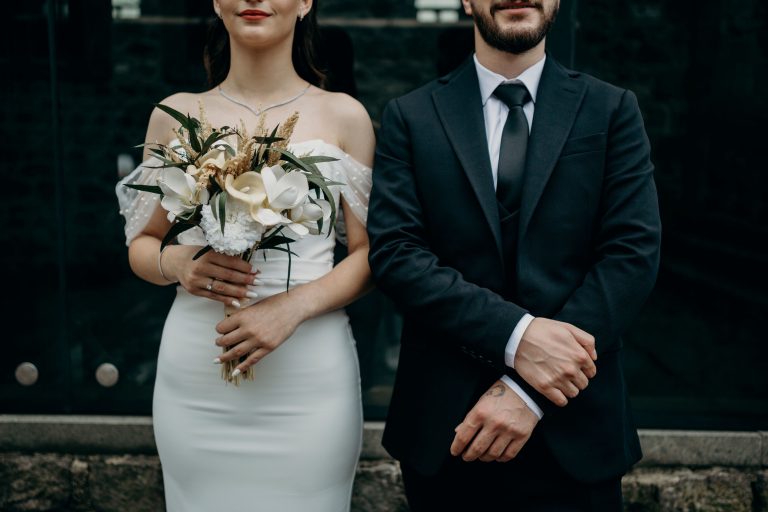
    Featured image: Yusuf Rendecioglu art / Pexels
    There’s something poetic about the final moments of a wedding.

    Long after the vows have been exchanged, the speeches have wrapped and the dance floor has emptied, your grand getaway becomes the closing scene – the moment guests remember driving home and the one that often ends up in the final frames of your wedding album.

    Yet strangely, it’s also one of the most overlooked parts of wedding planning.

    Back in the day, a decorated getaway car and a handful of tied-on tins felt like enough. Today’s couples are approaching their exits differently. The trend isn’t necessarily bigger or louder – it’s more intentional, more personal and designed to feel like an extension of the celebration rather than an afterthought.

    Here’s how to leave your wedding in a way that feels unforgettable.

    Match the exit to the energy of your day

    The most memorable exits aren’t random. A black-tie city wedding may call for a vintage car moment under glowing streetlights, while a vineyard celebration might feel better suited to a lantern-lit walk through the vines.

    Think of your exit as the final sentence of your wedding story. If your celebration leaned playful and social, your send-off should feel high-energy. If your day felt intimate and romantic, choose something quieter and cinematic.

    The goal isn’t to impress guests – it’s to create emotional continuity.

    Reimagine the classic getaway car

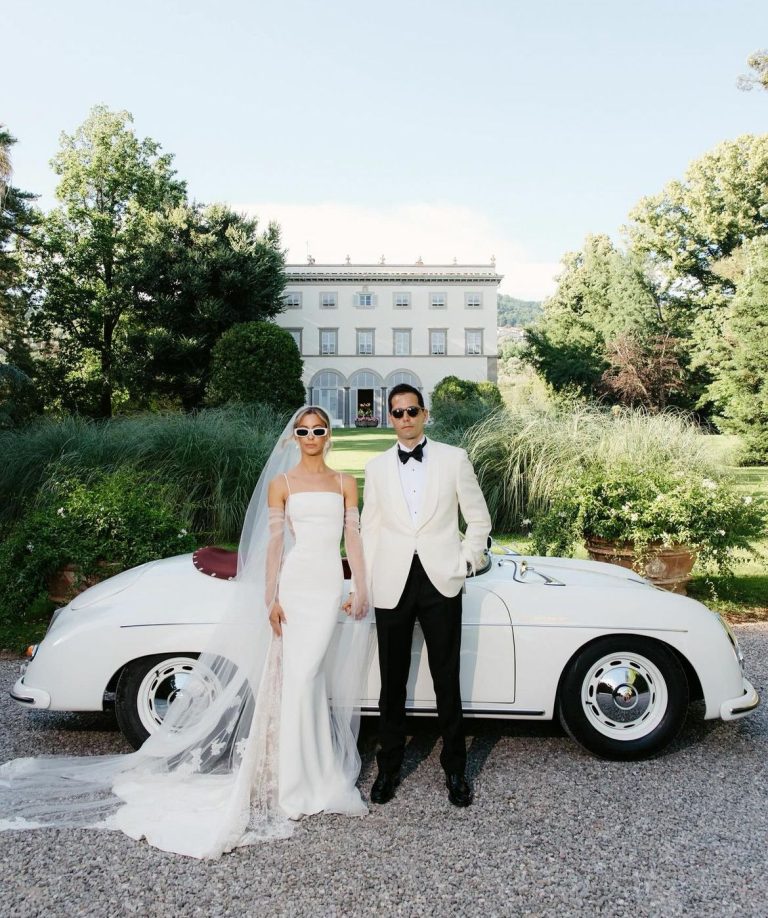
    The vintage car exit remains timeless for a reason. But couples are styling them differently now: personalised signage, monochrome ribbon details, florals that mirror the tablescape and editorial-style photography that feels more fashion campaign than tradition.

    For destination weddings, local transport is becoming part of the storytelling too – whether that’s a coastal vehicle, a retro bus or something tied to the setting itself.

    Your transport doesn’t need to be extravagant. It just needs to feel considered.

    The sparkler exit still works – but smarter

    Few wedding moments photograph as beautifully as a sparkler tunnel. But today’s couples are making practical adjustments: longer sparklers for timing, coordinated guest positioning and designated organisers to keep the moment smooth instead of chaotic.

    Before committing, confirm venue policies and fire restrictions. And if flames aren’t practical? There are alternatives.

    Think:

    • Bubbles
    • Ribbon wands
    • Glow sticks
    • Biodegradable confetti
    • Dried flower petals
    • Streamers

    Eco-conscious send-offs are becoming increasingly popular, especially as couples prioritise lower-waste celebrations.

    The private last dance is quietly becoming the luxury move

    One of the most talked-about shifts in modern weddings isn’t actually an exit at all. It’s the private last dance.

    Once guests move outside to prepare for the send-off, couples stay behind for one final song together in an empty reception space – no cameras in your face, no hosting duties, no timeline pressure. Just a minute to absorb what just happened.

    It feels cinematic. And for couples who spent months planning, it creates something rare on the wedding day: stillness.

    Outfit changes are changing the getaway moment too

    The rise of second bridal looks has created a whole new category of grand exits.

    Mini dresses, tailored white sets, sleek satin silhouettes and comfortable statement shoes are increasingly becoming the final look of the night – especially for couples heading into after-parties.

    Your exit outfit doesn’t need to replace your dress. It simply gives your wedding a final chapter.

    Remember: your guests want a moment, not a production

    Interestingly, couples are moving away from exits that feel performative and towards moments that feel emotionally memorable. Weddings in 2026 are leaning into experiences that prioritise connection over spectacle.

    That means the best getaway isn’t necessarily fireworks.

    Sometimes it’s walking hand in hand through your favourite people while they cheer. Sometimes it’s sneaking away quietly. Sometimes it’s one final dance before the lights come up.

    The final send-off

    You spend months thinking about how to arrive – but how you leave deserves equal attention.

    Your grand getaway is more than transport. It’s the final feeling your guests take home and your first moment stepping into married life together.

    Make it feel like an ending worth remembering.

    ALSO SEE: Ten creative ways to exit your wedding 

    Ten creative ways to exit your wedding

    Feature image: Pinterest

    Wedding planning has changed dramatically over the last few years, and one of the biggest shifts has been how couples invite their guests.

    While traditional paper invitations still hold a special place in many weddings, digital wedding invitations have become a practical, stylish, and increasingly popular alternative. From instant delivery and RSVP tracking to reduced costs and environmental benefits, it’s easy to see why more South African couples are choosing to go paperless.

    If you’re weighing up your options, here’s why digital invitations deserve a place on your wedding planning checklist.

    A more budget-friendly option

    Let’s be honest: weddings are expensive.

    By the time you’ve factored in design, printing, envelopes, and postage, traditional invitation suites can quickly become a significant line item in your budget.

    In South Africa, professionally printed invitation suites can cost anywhere from R25 to R100+ per invitation, depending on the paper quality, finishes, and quantity ordered. For a guest list of 100 guests, that can easily add up to several thousand rand before you’ve even paid for postage.

    Digital invitations, on the other hand, typically cost a fraction of that amount. Many couples create custom digital invitations for between R500 and R3 000, while some online platforms offer beautifully designed templates for even less.

    The savings can be redirected towards other priorities, whether that’s upgrading your menu, booking a content creator, or extending your honeymoon.

    Simplified RSVPs

    One of the biggest frustrations for couples is chasing guests for responses.

    Digital invitations often include built-in RSVP functionality, allowing guests to confirm attendance with a single click. Many platforms also allow couples to collect dietary requirements, song requests, accommodation details, and travel information in one place.

    Instead of juggling spreadsheets and WhatsApp messages, everything is automatically organised and updated in real time. Digital RSVP systems have become one of the biggest reasons couples choose electronic invitations.

    Perfect for South African guest lists

    South African weddings often involve guests travelling from different cities, provinces, or even countries.

    Whether your guests are spread between Cape Town, Johannesburg, Durban, Gqeberha, or overseas, digital invitations arrive instantly. There’s no waiting for postal services or worrying about invitations getting lost in transit.

    They’re also incredibly easy to share via email, WhatsApp, or a wedding website, making communication much more efficient.

    An eco-conscious choice

    For couples trying to make more sustainable wedding decisions, digital invitations are an obvious win.

    Choosing a paperless invitation reduces the need for paper, ink, packaging, and transportation. While no wedding is completely waste-free, digital invitations are one simple way to lessen your environmental impact without sacrificing style.

    They feel more personal than ever

    Gone are the days when digital invitations meant sending a simple PDF.

    Today’s digital invitations can include:

    • Animated designs
    • Engagement photos
    • Video messages
    • Interactive RSVP buttons
    • Google Maps links
    • Wedding websites
    • Accommodation information
    • Countdown timers

    Many couples are even incorporating short videos or personalised animations to create an experience that feels every bit as special as opening a traditional invitation.

    The rise of the hybrid invitation

    Not ready to completely give up paper?

    You don’t have to.

    Many modern couples are embracing a hybrid approach: sending digital invitations to most guests while reserving printed invitations for immediate family members, older relatives, or keepsake purposes.

    This approach offers the best of both worlds – maintaining tradition where it matters while reducing overall costs and waste. Hybrid invitation strategies are becoming increasingly common, particularly for formal weddings and multi-generational guest lists.

    Are digital wedding invitations right for you?

    Digital invitations work particularly well for:

    • Modern weddings
    • Destination weddings
    • Smaller guest lists
    • Eco-conscious celebrations
    • Budget-conscious couples
    • Tech-savvy guests

    However, if you’re hosting a highly formal or traditional wedding, you may still prefer the timeless elegance of a printed invitation suite.

    Ultimately, the best choice is the one that suits your wedding style, your guests, and your priorities.

    Final thoughts

    Wedding invitations are about more than sharing a date and venue – they’re the first glimpse your guests get into your celebration.

    Whether you choose a beautifully printed suite, a fully digital invitation, or a combination of both, the goal remains the same: creating an experience that reflects your story as a couple.

    And in a world where weddings are becoming more personal, intentional, and flexible, digital invitations are proving that sometimes the simplest option can also be the smartest.

    ALSO SEE: Dos and Don’ts of wedding invitations 

    Dos and Don’ts of wedding invitations

    Featured image: Recep ÇELİK / Pexels