• Tag

    buying wedding dress

    Browsing

    Celebrity weddings have always influenced bridal trends- but every now and then, a wedding look doesn’t just trend. It rewrites the bridal mood board for years afterwards.

    From royal-level lace moments to quiet luxury minimalism, these are the celebrity weddings that genuinely shifted what brides started pinning, saving and taking to fittings.

    And yes – some of these happened decades ago.

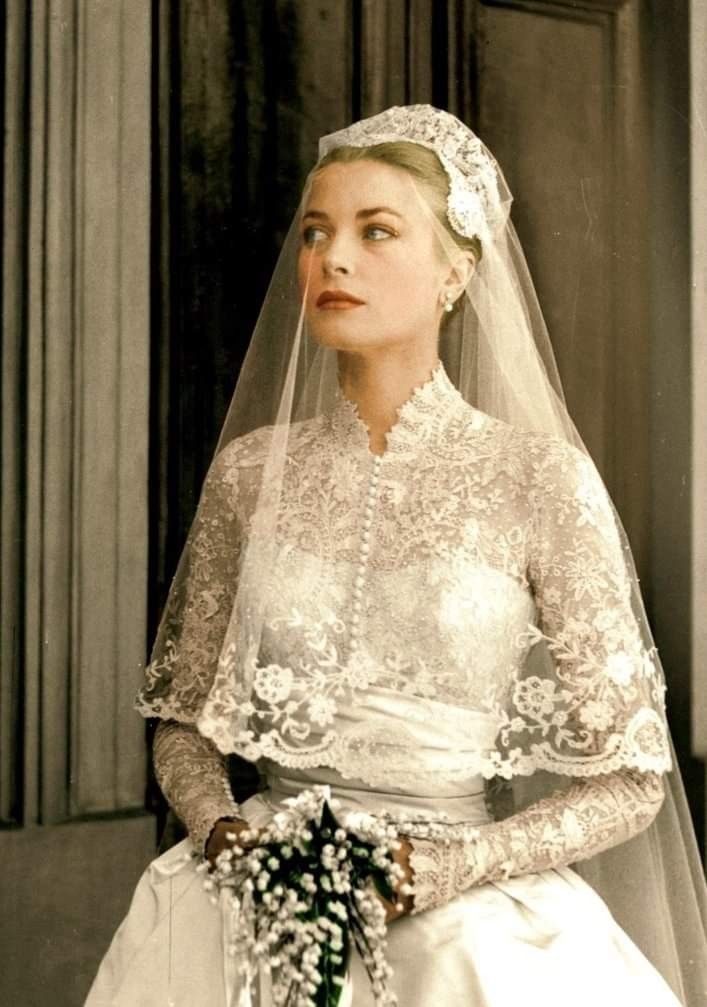
    1. Grace Kelly (1956): The original blueprint for timeless bridal dressing

    Before Pinterest boards and TikTok wedding diaries, there was Grace Kelly.

    When the Hollywood actress married Prince Rainier III of Monaco in 1956, her now-iconic gown by costume designer Helen Rose became the standard for regal bridal dressing. Long lace sleeves, a fitted bodice, a high neckline and delicate detailing created one of the most copied wedding silhouettes in history.

    The influence is still visible today in modern royal-inspired gowns and soft romantic styling.

    Fashion impact:

    • Elevated lace into luxury territory
    • Made covered-up bridal feel elegant rather than conservative
    • Inspired generations of royal and celebrity brides

    1. Princess Diana (1981): The dress that made bridal maximalism cool

    No conversation about bridal fashion exists without Princess Diana.

    Her ivory silk taffeta gown by David and Elizabeth Emanuel featured dramatic puff sleeves, a voluminous skirt and a 25-foot train that became one of the most famous bridal moments ever photographed.

    After Diana, weddings became bigger, dresses became fuller and drama became aspirational.

    Fashion impact:

    • Launched the era of oversized sleeves
    • Cemented cathedral trains as bridal fantasy
    • Defined 1980s wedding style

    1. Carolyn Bessette-Kennedy (1996): The woman who invented quiet luxury before it had a name

    Minimalist brides owe Carolyn everything.

    Her bias-cut silk slip dress by Narciso Rodriguez rejected the excess of the decade and quietly introduced a completely different bridal language.

    Simple. Clean. Uncomplicated.

    Nearly three decades later, the slip dress remains one of bridal fashion’s strongest categories.

    Fashion impact:

    • Started modern minimalist bridal
    • Made sleek silhouettes aspirational
    • Influenced contemporary labels globally

    1. Kate Moss (2011): Vintage-boho became bridal currency

    When Kate Moss married Jamie Hince in a custom John Galliano gown, she gave bohemian bridal dressing a fashion-industry stamp of approval.

    The soft silhouette, sheer embellishment and undone styling sparked years of relaxed luxury weddings.

    Fashion impact:

    • Popularised vintage-inspired bridal
    • Introduced cool-girl wedding dressing
    • Encouraged softer, less structured silhouettes

    1. Catherine, Princess of Wales (2011): The modern royal reset

    The moment Catherine stepped out in Sarah Burton for Alexander McQueen, bridal fashion changed overnight.

    Her dress balanced structure with softness — lace sleeves, defined waist and timeless proportions.

    Brides everywhere suddenly wanted elegance over excess.

    Fashion impact:

    • Revived long sleeves
    • Reintroduced traditional silhouettes
    • Sparked a global return to classic bridal styling

    1. Solange Knowles (2014): Bridal minimalism got fashion-forward

    Solange didn’t just wear one look – she gave us a bridal wardrobe.

    Her cream jumpsuit and sleek Humberto Leon for Kenzo ceremony dress proved bridal didn’t have to mean princess.

    Fashion impact:

    • Expanded what bridal could look like
    • Helped popularise bridal separates
    • Opened the door for modern tailoring

    1. Meghan Markle (2018): The era of understated luxury begins

    Meghan’s custom Givenchy gown designed by Clare Waight Keller felt almost radical in its restraint.

    Clean lines. Architectural shape. Minimal embellishment.

    The result? Brides shifted toward refined simplicity.

    Fashion impact:

    • Popularised clean, sculptural gowns
    • Reduced reliance on heavy embellishment
    • Elevated tailoring within bridal

    1. Priyanka Chopra Jonas (2018): Maximum drama, maximum romance

    Priyanka’s Ralph Lauren gown became legendary for its craftsmanship and veil.

    Detailed embroidery and larger-than-life proportions delivered a couture bridal fantasy.

    Fashion impact:

    • Revived dramatic veils
    • Made couture bridal detail feel relevant again
    • Encouraged statement ceremony looks

    1. Ariana Grande (2021): The return of Old Hollywood

    Ariana’s custom Vera Wang gown proved that minimal doesn’t mean boring.

    Her strapless column silhouette paired with a soft bow veil triggered renewed interest in elegant, timeless bridal styling.

    Fashion impact:

    • Reintroduced classic glamour
    • Revived column gowns
    • Made minimalist veils feel modern

    1. Lily Collins (2021): The fairytale bride for women who wanted something different

    Okay. We need to talk about Lily.

    Because this wasn’t just a wedding dress.

    For her intimate Colorado wedding to Charlie McDowell, Lily wore a custom Ralph Lauren gown with a dramatic hooded lace cape instead of a traditional veil – blending British Victorian romance with Western Americana. The gown reportedly took nearly 200 hours to handcraft and featured Calais-Caudry lace, Swarovski micro-flowers and silk organza detailing.

    Everything about it felt cinematic.

    At a time when bridal fashion was moving toward simplicity, Lily reminded everyone there was still room for fantasy – if it felt intentional.

    Fashion impact:

    • Reintroduced statement veils and capes
    • Made modest silhouettes feel editorial
    • Proved unconventional bridal can still feel timeless

    (And honestly? That hooded veil remains one of the most unforgettable celebrity bridal moments of the last decade.)

    Final thoughts

    The most influential celebrity wedding dresses aren’t necessarily the most expensive or dramatic.

    They’re the ones that shift how brides imagine themselves.

    Right now, bridal fashion is moving toward personal expression over tradition – whether that looks like royal lace, quiet luxury, vintage romance or a hooded Ralph Lauren cape you think about years later.

    ALSO SEE: 10 things to know before going dress shopping

    10 things to know before going dress shopping

    Featured image: Pinterest
    Finding the one is one of the most exciting parts of wedding planning – but for many brides, the search for the perfect wedding dress can also feel overwhelming. Between boutique appointments, fittings, budgets and timelines, it’s no surprise that more brides are looking beyond traditional bridal stores.

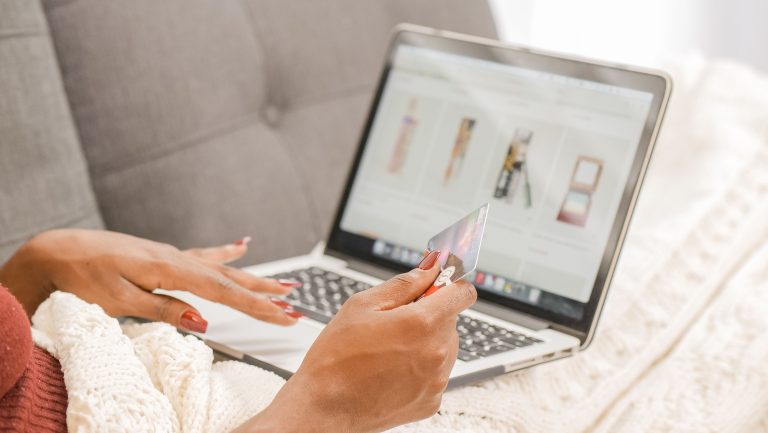
    Buying a wedding dress online has become increasingly popular, offering brides access to thousands of styles, international designers and more affordable options. But while the convenience is tempting, ordering your dream gown from a screen comes with its own set of considerations.

    So, should you buy your wedding dress online? Here’s everything you need to know before clicking “add to cart”.

    The pros of buying your wedding dress online

    1. It can be more budget-friendly

    One of the biggest reasons brides consider buying online is cost. Online retailers often have lower overheads than traditional bridal boutiques, which can mean more affordable gowns.

    For brides working with a specific budget, online shopping can open the door to styles that may have been out of reach in-store – from minimalist satin gowns to detailed lace designs.

    However, remember that the listed price is not always the final price. Factor in possible import duties, shipping fees, alterations and professional steaming before comparing costs.

    2. More variety & access to global styles

    Shopping online means you are no longer limited to the designers or styles available locally. Brides can browse thousands of gowns from international retailers, independent designers and made-to-order brands.

    Whether you’re searching for a modern wedding dress, a vintage-inspired gown, a destination wedding look or something completely unique, online platforms offer endless inspiration.

    3. You can shop from the comfort of your home

    Wedding planning is already a busy process. Between venue decisions, guest lists and vendor meetings, finding time for multiple bridal appointments can be challenging.

    Online shopping allows brides to explore options at their own pace, save favourites and compare styles without the pressure of making a decision during a boutique appointment.

    4. It’s easier to find non-traditional options

    Not every bride dreams of a traditional ball gown. Online shopping has made it easier to find fashion-forward options, including sleek slip dresses, short wedding dresses, bridal separates and modern designs.

    For brides wanting something different (or even a second outfit for the reception) – online retailers can be a great place to explore.

    The cons of buying your wedding dress online

    1. You can’t try it on before buying

    The biggest challenge with buying online is the unknown.

    A dress may look perfect in photos but feel completely different when it arrives. Fabric quality, colour, structure, fit and finishing details can be difficult to judge through a screen.

    A wedding dress is also a garment that relies heavily on fit – and even small differences in measurements can affect how the gown sits.

    2. Sizing can be complicated

    Wedding dress sizing often differs from everyday clothing sizes, and international sizing charts can vary significantly.

    Always check the brand’s measurement guide carefully and compare your measurements against their chart rather than relying on your usual dress size.

    It’s also worth remembering that most brides will need alterations, whether they purchase online or from a boutique.

    3. Alterations may be necessary (and they can add up)

    A gown arriving in your size does not always mean it will fit perfectly.

    Common alterations include:

    • Adjusting the length
    • Taking in or letting out the bodice
    • Adding support
    • Adjusting straps or sleeves
    • Reshaping certain areas for a better fit

    For more complex gowns, alterations can become a significant additional cost – so include this in your wedding budget from the beginning.

    4. Returns may be difficult

    Before ordering, always read the return policy carefully.

    Some online bridal retailers do not accept returns on made-to-order gowns, personalised dresses or items that have been altered.

    If the dress arrives and it is not what you expected, you need to know what options you have before committing.

    If you decide to buy your wedding dress online

    1. Order early

    Unlike buying a dress off the rack, online gowns can involve production and shipping times.

    Give yourself enough time for:

    • Delivery delays
    • Customs/import processes
    • Alterations
    • Unexpected changes

    Ideally, avoid leaving your wedding dress purchase until the last minute.

    2. Research the seller thoroughly

    Before buying, look beyond the beautiful photos.

    Check:

    • Verified customer reviews
    • Real bride photos
    • Fabric details
    • Return policies
    • Shipping information
    • Company reputation

    A dress with thousands of likes is not necessarily a dress with thousands of happy brides.

    3. Request fabric samples if possible

    If the retailer offers fabric samples, take advantage of this.

    Seeing and feeling the material can help you understand the quality before committing to the full gown.

    4. Don’t ignore alterations

    Even if the dress looks perfect online, budget for professional alterations.

    A skilled bridal seamstress can often transform a good dress into one that feels custom-made for you.

    5. Be careful with unrealistic expectations

    One of the biggest mistakes brides make is expecting a budget online gown to look identical to a designer runway piece.

    Pay attention to the details:

    • Fabric type
    • Construction
    • Boning and structure
    • Beading quality
    • Lining
    • Finishing

    The more realistic your expectations, the happier you’ll be with your choice.

    So, is buying a wedding dress online worth it?

    For the right bride, absolutely.

    Buying online can be a fantastic option if you are budget-conscious, comfortable with some uncertainty and willing to allow time for alterations.

    However, if trying on dresses, experiencing the boutique moment and having expert guidance are important parts of your bridal journey, a traditional appointment may still be the better choice.

    At the end of the day, your wedding dress should not only look beautiful – it should make you feel confident, comfortable and completely yourself when you walk down the aisle.

    Whether you find it hanging in a bridal boutique or arrive at your door in a carefully packaged box, the perfect dress is the one that feels like you.

    ALSO SEE: How wedding dress trends have changed through the decades 

    How wedding dress trends have changed through the decades

    Featured image:  Kindel Media / Pexels

    One of the first questions many brides ask after setting a wedding date is surprisingly simple: When should I start shopping for my wedding dress?

    The answer? Probably sooner than you think.

    While it may be tempting to leave dress shopping until closer to the big day, modern bridal fashion operates on timelines that can stretch for months. Between finding the one, ordering, shipping, fittings and alterations, a wedding gown often takes far longer to arrive than brides expect. Industry experts generally recommend beginning the process between 9 and 12 months before the wedding, with some designer and custom gowns requiring even longer lead times.

    The good news? Knowing the timeline upfront can help you avoid unnecessary stress and make the dress-shopping experience far more enjoyable.

    The Ideal timeline: 12 months before the wedding

    If your wedding is a year away, you’re in the sweet spot.

    Starting your search around the 12-month mark gives you plenty of time to explore different silhouettes, visit bridal boutiques, compare designers and make decisions without feeling rushed. It also allows for production delays, shipping times and alterations that may arise later in the process. Experts increasingly recommend shopping between 12 and 18 months before the wedding, especially if you’re considering a designer gown, customisations or a made-to-order dress.

    At this stage, focus on inspiration, budgeting and understanding what styles make you feel most confident.

    9–10 months before: Time to say yes to the dress

    Once you’ve found your gown, aim to place your order around 8 to 10 months before the wedding. Most made-to-order dresses require several months for production and delivery, with many designers quoting lead times of four to six months or longer.

    Ordering within this window ensures you’ll have access to a wider range of styles, sizes and customisation options while avoiding costly rush fees.

    2–3 months before: Alterations begin

    Even the most perfectly chosen dress usually needs some tailoring.

    Most bridal alteration specialists recommend beginning fittings approximately eight to ten weeks before the wedding. This allows enough time for adjustments to hems, bodices, sleeves, trains and bustles, as well as multiple fitting appointments if necessary.

    Remember to bring your wedding shoes and undergarments to every fitting to ensure the final result is flawless.

    What if your wedding is less than six months away?

    Don’t panic.

    While a shorter timeline may limit your options, many brides successfully find beautiful gowns with just a few months to spare. Off-the-rack dresses, sample sales, ready-to-wear collections and certain local designers can often accommodate tighter deadlines. Some retailers also offer expedited production services, although additional fees may apply.

    The key is to be upfront about your wedding date from your very first appointment so consultants can guide you toward realistic options.

    Trends are changing how brides shop

    Today’s brides are approaching dress shopping differently than previous generations. Personalisation, versatility and sustainability are shaping bridal fashion in 2026, with many brides opting for convertible gowns, detachable elements, vintage-inspired pieces and even pre-loved dresses. Others are choosing multiple outfits for different parts of the celebration, from the ceremony to the after-party.

    These choices can affect your timeline too, making early planning even more valuable.

    Your wedding dress timeline at a glance

    12–18 months before: Start researching styles and booking bridal appointments.
    9–12 months before: Choose and order your dress.
    8–10 weeks before: Begin alterations and fittings.
    1–2 weeks before: Final fitting and collection.
    Wedding Day: Step into your dream dress with confidence.

    The final stitch

    Finding your wedding dress should feel exciting, not stressful. By starting early, you give yourself the freedom to explore, dream and make decisions without pressure. Whether you’re falling for a couture masterpiece, a modern minimalist gown or a vintage-inspired treasure, the best dress is the one that makes you feel unmistakably like yourself.

    And when it comes to timing? The earlier you start, the more options you’ll have waiting at the end of the aisle.

    ALSO SEE: Practical tips to find your perfect wedding gown 

    Practical tips to find your perfect wedding gown

    Featured image: Los Muertos Crew / Pexels

    Your wedding dress isn’t just another line item on your budget – it’s the emotional centrepiece of your entire wedding story. But in South Africa right now, brides are asking a very practical question alongside the emotional one: Do I buy it… or do I hire it?

    And the answer isn’t as simple as it used to be.

    With bridal fashion evolving, budgets shifting, and more flexible options available than ever before, the decision now sits somewhere between sentiment, strategy, and style.

    Here’s how to figure out what actually makes sense for you in 2026.

    What it really costs in South Africa right now

    Before you decide, you need clarity on pricing – because the gap between buying and hiring isn’t always as wide as people think.

    Recent South African bridal market insights show:

    • Buying a new wedding dress: ± R14,000 – R60,000+ depending on designer, fabric, and detail
    • Average boutique gowns: around R13,000 – R30,000
    • Pre-loved/sample dresses: from ± R6,500 – R15,000
    • Hiring a dress: typically around R14,000 – R22,000 (sometimes up to 75% of retail value)

    Here’s the truth most brides only realise later: hiring is not always the “cheap option” – it’s often just the “short-term option.”

    Buying your wedding dress: the emotional investment

    Buying a dress is about ownership – but also control.

    Why brides choose to buy:

    • Full freedom for custom alterations and fit
    • Ability to preserve it as a keepsake or heirloom
    • More styling options (especially for modern trends like detachable sleeves or second looks)
    • Ability to resell or rewear for future events

    In 2026, we’re also seeing a shift toward multi-use bridal gowns – dresses designed with removable elements so brides can transform their look from ceremony to reception without changing outfits entirely.

    The reality check:

    • Higher upfront cost
    • Alterations and cleaning add extra budget
    • Storage and preservation become your responsibility

    Buying makes sense when your dress is part of your identity – not just your outfit.

    Hiring your wedding dress: the practical luxury option

    Hiring has evolved a lot. It’s no longer “basic budget brides only” – it’s now a structured bridal service, often with designer gowns available.

    Why brides choose to hire:

    • Lower upfront commitment
    • Access to designer or luxury gowns at a fraction of retail price
    • No storage or preservation stress after the wedding
    • Cleaning often included

    But here’s what you need to know:

    • Alterations are usually limited
    • You’re restricted by availability and booking dates
    • Costs can still climb to 50–75% of retail price

    Hiring works best when you prioritise convenience over long-term ownership.

    The 2026 bridal shift: why this decision is changing

    Bridal fashion is no longer just about tradition it’s about identity.

    Across global and South African bridal trends, we’re seeing:

    • A rise in personalised, fashion-forward gowns
    • More brides choosing pre-loved and sustainable options
    • A move away from rigid “white only” tradition into soft tones and expressive silhouettes
    • Increased demand for versatile dresses that can transform during the day

    In other words: brides are no longer choosing between “buy or hire” in a vacuum they’re choosing how much permanence they want in a fashion moment that is increasingly expressive and fluid.

    So… how do you actually decide?

    Ask yourself these 4 questions:

    1. Do I want to keep my dress after the wedding?

    If yes → buying is your lane.

    1. Is my priority budget flexibility or long-term value?

    If short-term ease matters more → hiring works.

    1. Do I want full control over fit and design?

    If yes → buying wins by a mile.

    1. Will I regret not owning it?

    Be honest here – this is usually the deciding factor.

    Final thought

    There is no “correct” choice anymore only what aligns with your priorities, your budget, and the story you want your wedding to tell.

    Some brides want a dress they can keep forever. Others want a designer moment without long-term responsibility.

    Both are valid. What matters is choosing intentionally, not emotionally pressured or financially rushed.

    ALSO SEE: Transforming your mom’s wedding dress 

    Transforming your mom’s wedding dress

    Featured image: Rewan Ahmed / Pexels