
After two years of travel bans and lockdown restrictions, it feels as though we have a new lease on life! Travel is back on the cards and wedding couples are taking full advantage. Bridal couples worldwide have spoken and they’re dishing the dirt on the best destinations to tie the knot in 2022.
From the historical ruins of Europe to the rugged landscapes of Africa, here’s where bridal couples are saying “I do”:
1. Zimbabwe
There are multiple venue options for planning a wedding in Zimbabwe. If it’s a safari wedding that you’re after, you cannot beat Chengeta Safari Lodge located just outside of Harare. This stunning venue gives you the chance to say ‘I do’ surrounded by the raw beauty Zimbabwe offers, all while zebra graze nearby on the 13,000-hectare private game reserve, allowing you endless photogenic landscapes to choose from.
If it’s a waterside you’re imagining, try Lake Kariba Houseboats which delivers unforgettable scenery thanks to the vast man-made lake that will feature in every photo.

2. Italy
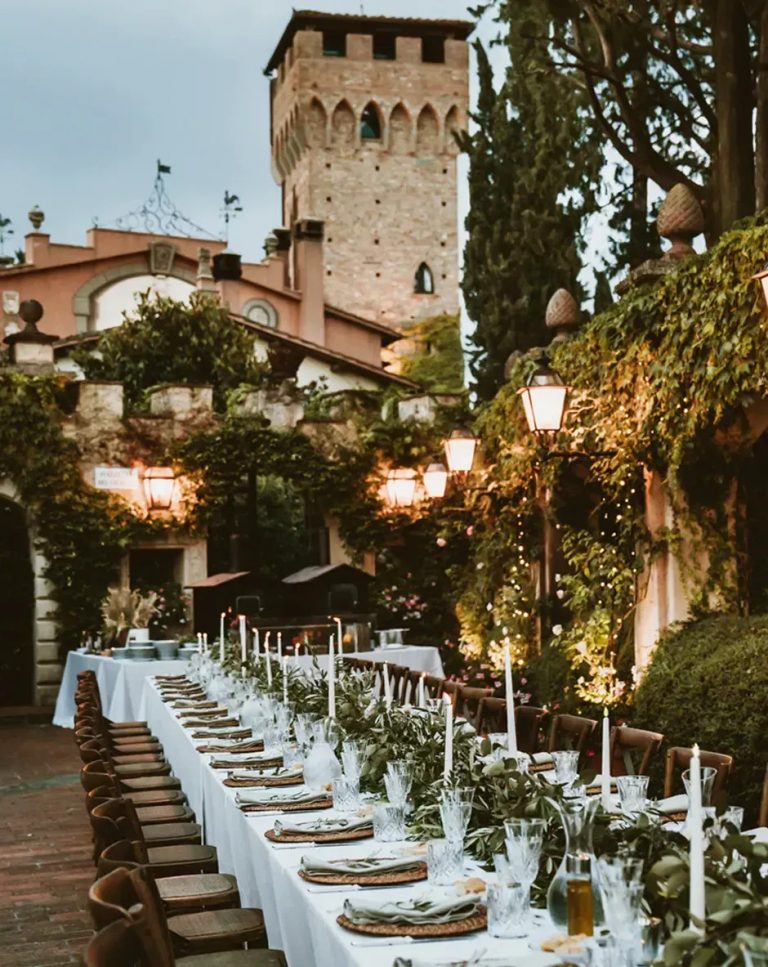
The European nation has been in pop culture news recently after the oldest Kardashian said ‘I do.’ It’s not difficult to see why this nation, bursting with culture and good food is the perfect destination for wedding couples. A stunning villa with views of the rolling hills of Tuscany to the breathtaking architecture of Rome, Italy oozes romance from every angle.
For those with a luxury wedding in mind, Palazzo Gori Pannilini is the perfect place to get married. It is a five-star hotel just outside of Florence that is full of Italian charm and history which will be perfect for the big day.
3. South Africa
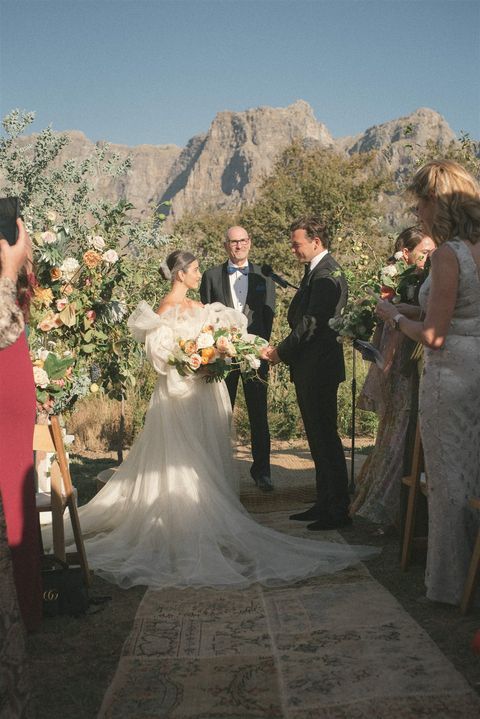
South Africa offers a huge range of locations and settings where couples can tie the knot. Cape Town is the perfect location for the cosmopolitan types with The Bay Hotel being one of the most highly commended wedding venues in the city. The luxury venue has a rotunda for those who want a lavish, classy and whimsical day or couples can opt for their exclusive private beach club with views of Camps Bay for a more relaxed setting.
4. Portugal
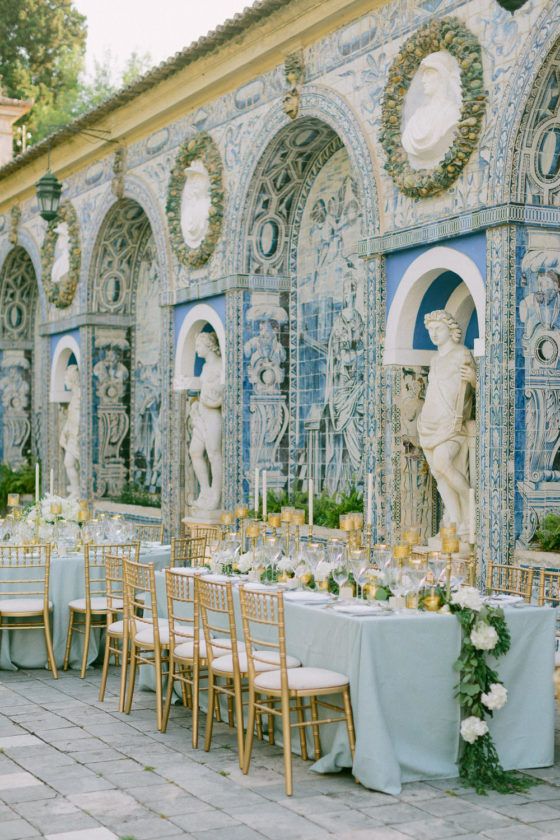
Thanks to warm weather and being surrounded by the clear blue seas of the Meditteranean, Portugal has become a popular wedding destination offering a whole host of luxury venues. For smaller ceremonies, there are multiple world-class golf clubhouses in Algarve that are sure to be an idyllic setting.
But for those who want more room for a bigger wedding, you cannot beat Gremio Palace in the heart of Lisbon; it’s a small secret garden hidden behind the doors of a beautiful pink palace in the historic district that offers all the charm and romance of the city.
5. Kenya
Kenya’s tranquil setting surrounded by the sounds of the bush is so romantic that even Prince Williams chose it as the location to propose to the now Duchess of Cambridge, Kate Middleton. If it’s a safari wedding that you’re after, Kichwa Tembo Tented Camp is the venue for you! It is et on a private concession to ensure your big day is still intimate and it boasts abundant iconic wildlife and panoramic Masai Mara views, for a sophisticated and contemporary safari feel.
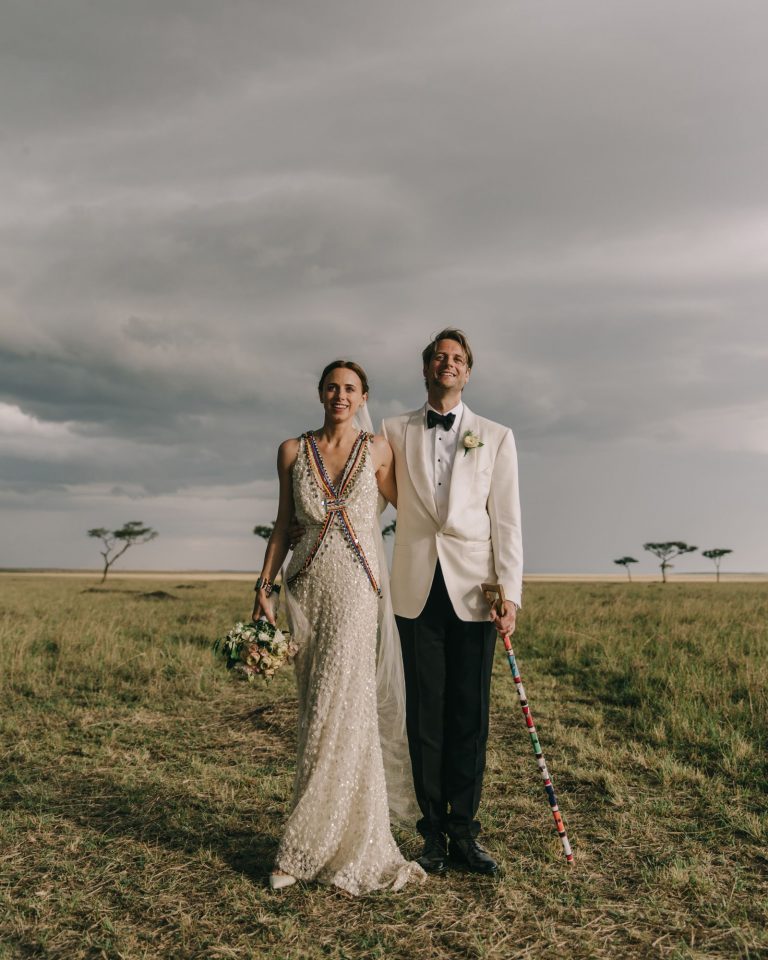
6. Thailand
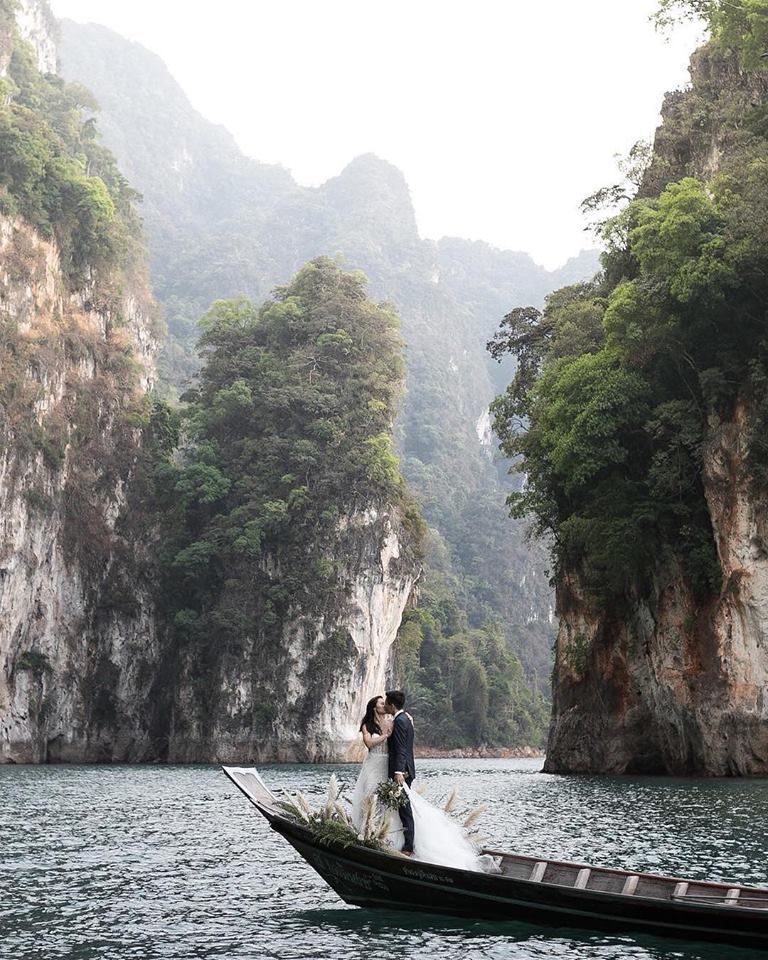
It is hard to imagine a more beautiful setting than the many gorgeous beaches in Thailand. In Koh Samui, couples can book out the 5-star The Tongsai Bay Hotel which has been dubbed the ultimate romantic hideaway, as it gives access to the large freeform pool overlooking ocean views, you can marry on the beach beneath a floral canopy, including a traditional Thai water blessing to create everlasting memories.
Or if you want a truly unforgettable venue, how about the limestone caves surrounding Rayavadee in Krabi? They overlook the turquoise waters of Phranang beach meaning your wedding photos will be exceptionally beautiful.
7. Jamaica
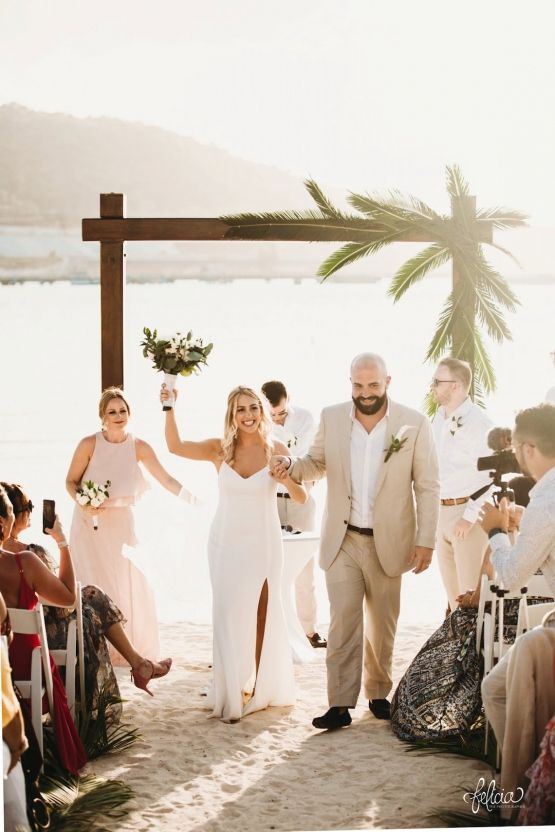
To be on an island surrounded by the irresistible Caribbean spirit is such an iconic way to start married life with your partner. It’s not just stunning beaches with Insta-worthy sunsets though, you can also opt for ceremonies in the verdant mountains or around the glittering waterfalls. Couples can get married at Ocho Rios waterfalls to embrace being amidst the tropical rainforest with a perfect waterfall as the backdrop. To continue to celebrations, you can host the reception at the Sandals Ochi Luxury Resort.
8. Morocco
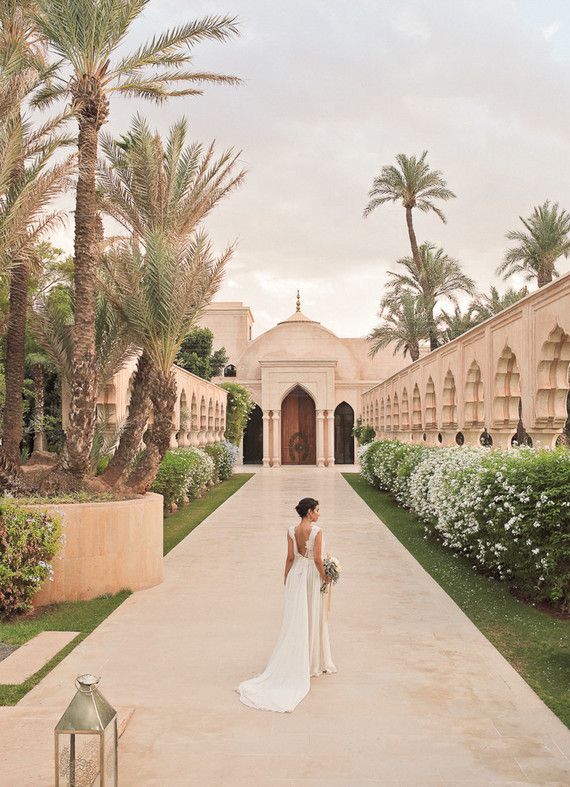
Fete in the foothills of the Atlas mountains at the Marrakech retreat, The Capaldi, which has a rooftop terrace with expansive views of the surrounding olive groves – perfect for a spectacular wedding day! Despite being contemporary and stylish, it still has traditional Moroccan touches with rich textiles and opulent antiques that create an atmosphere of understated luxury.
9. Brazil
Fancy a private peninsula for your special day? The Ponta dos Ganchos Exclusive Resort is the place for you. You and your guests will be surrounded by Brazilian bungalows on the edge of a sparkling emerald sea and you can host your wedding reception in the gazebo at the end of the wooden bridge where you can have the most romantic wedding breakfast ever.
But if you want a setting more inland, take a look at Botanique Hotel and Spa in São Paulo. It is surrounded by a unique natural environment that is authentic Brazilian culture making for a more peaceful setting.
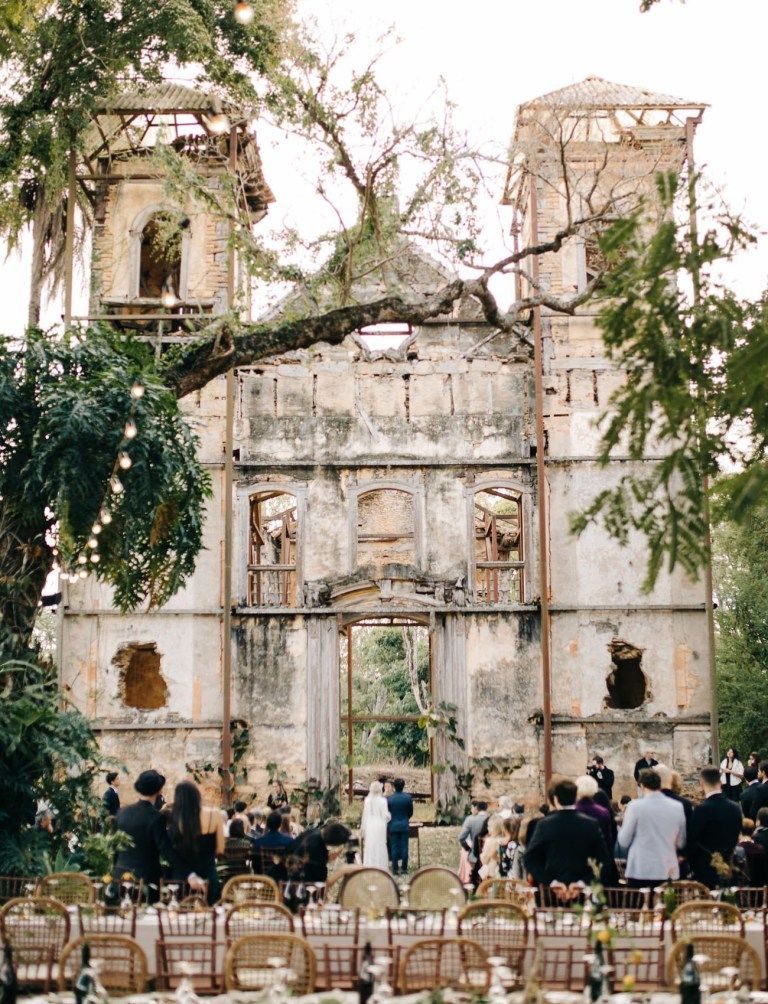
10. Mexico
If you want to get married in a place where many A-listers have tied the knot, then Mexico is a good place to start. Michael Phelps and Nicole Johnson chose to get wed in Cabo (formally known as Los Cabos) because it beautifully captures both the panoramic desert landscapes and turquoise waters.
The Cape is a truly magical hotel option if you want to recreate a similar wedding day, it is immersed in the natural beauty of the Los Cabos and will work for a romantic sunset wedding or even a formal celebration, The Cape can be transformed into the vision you have for your big day.
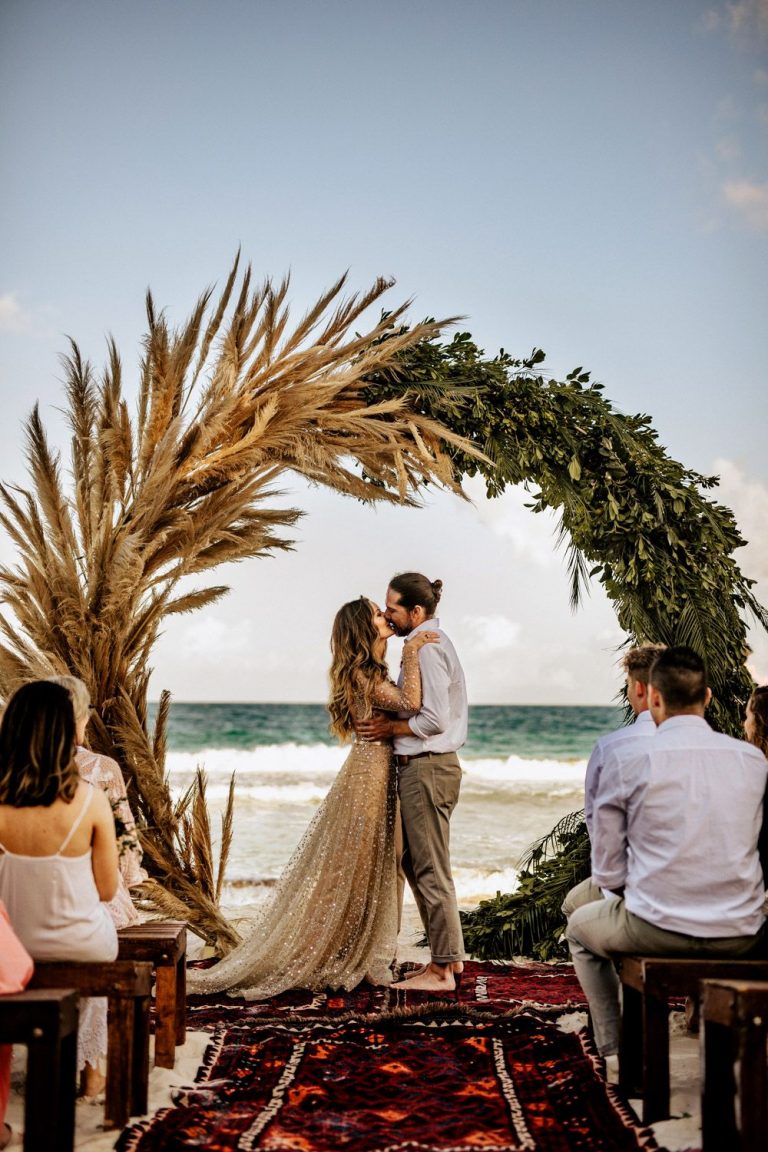
Feature Image: Martijn Roos
When the news surfaced that Kourtney Kardashian and Travis Barker had gone lowkey with their wedding (a simple courthouse ceremony with a guest list you could count on…
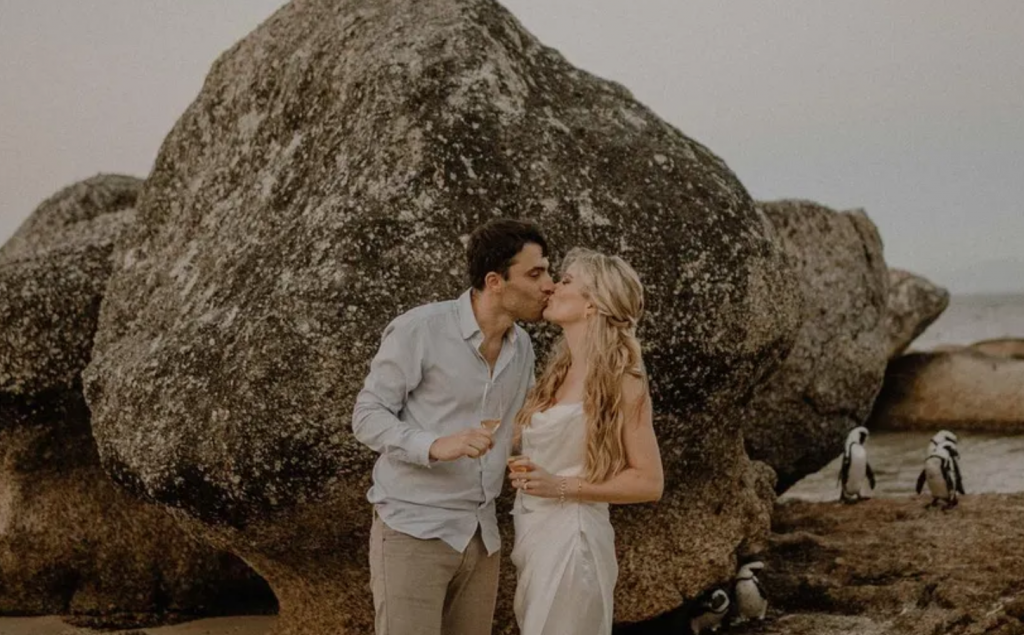
You’re looking for the perfect spot to pop the question (or you keep imagining the magical place that will serve as your proposal setting, soon to be hinted at when you spontaneously take your partner there).
However, with so many options in places like Cape Town, picking one place can be overwhelming for the best of us.
Before we drop the deets on 6 special spots to ‘pop the question’ in Cape Town, it’s worth noting a few disclaimers.
1. No matter where you choose, even if it’s the comfort of your own garden, it will still be a special moment. The place doesn’t define the importance of asking someone to spend their life with you, the person does!
2. Too much pressure on getting everything perfect can take away from your own enjoyment of the moment, or your partners.
3. Some of the most magical and tear-jerking proposals have happened in the most obscure places, or the ones that are personal to your relationship. If your partner is sentimental, then proposing at their favourite sunset spot, the place you went on your first date, or somewhere where you both remember laughing for hours can mean far more than a place boasting grandeur or tantalising views.
Now, for those who are all about scenery, and places that are known for their romantic spins, here are some top picks in the Mother City:
1.The Rock sunset spot
Known for its incredible views, The Rock sunset spot marries intimacy and Cape sunsets are their finest, an incredible spot to share with the person to whom you’d give the whole sunset eternally if you could. The Rock is a perfect ‘pop the question spot’ that applies to any kind of lover, but fits best for the one who always ensures that watching the sunset together is on the cards.
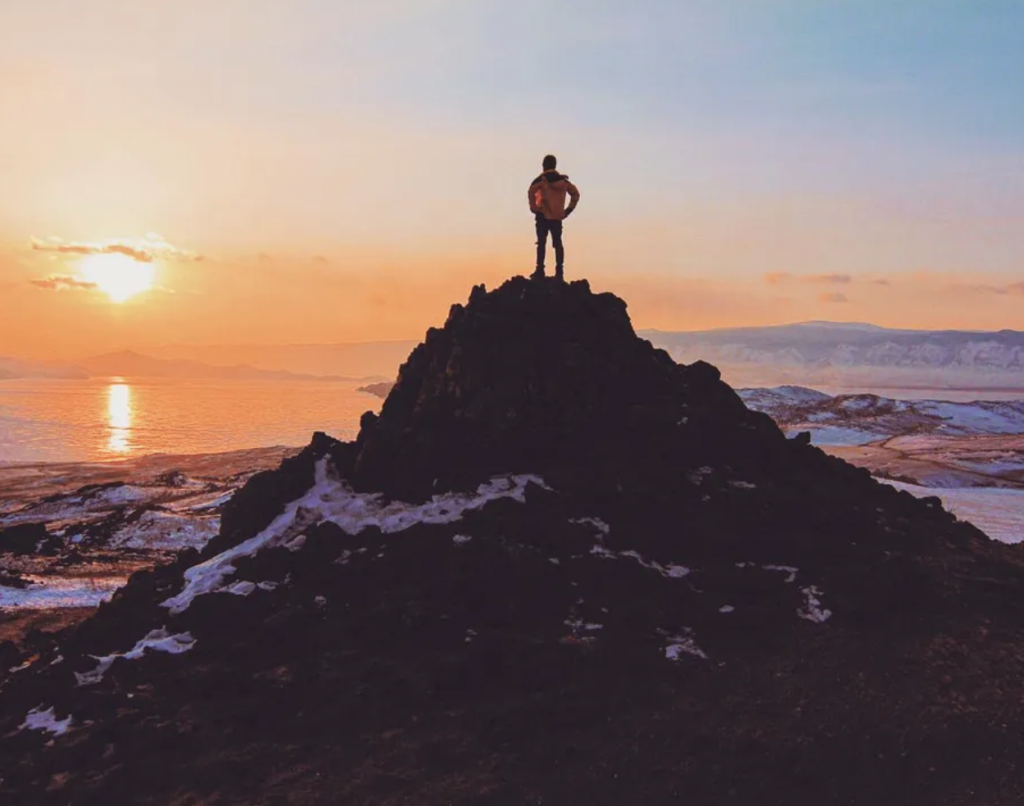
- Where:405 Ocean View Drive, Bantry Bay
2. Kirstenbosch National
Kirstenbosch National Botanical Gardens homes everything a nature lover could hope to experience in one epic garden. Not many people can say they made the special decision to be together forever and always at a new 7th Wonder of The World, but you can. The Boomslang Walkway is one of the most sought after spots in the Gardens, hosting breathtaking views and an explorer’s thrill. To add an even more romantic spin, have a picnic with Fynkos and enjoy nature’s bounty as rolling lawns and flowers surround you. For someone who loves mother Earth almost as much as they love you, Kirstenbosch will certainly serve as that fairytale backdrop.
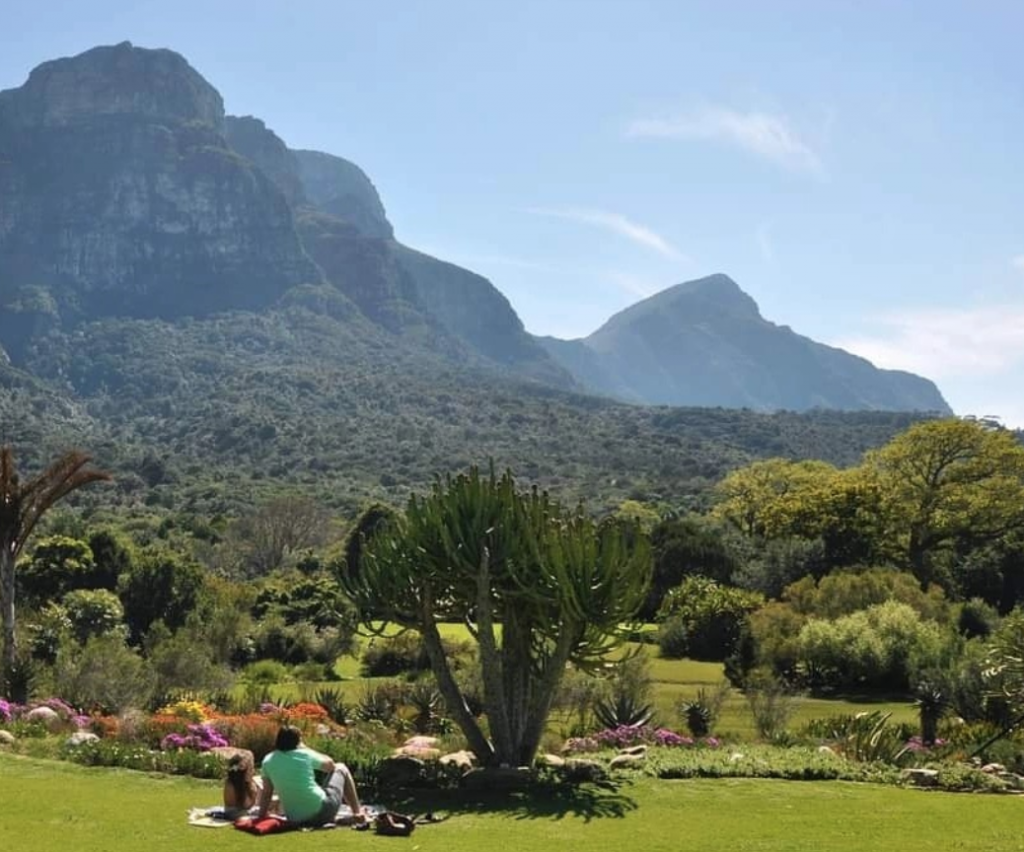
- Where:Rhodes drive, Newlands
3. The Paris of Cape Town – Franschoek
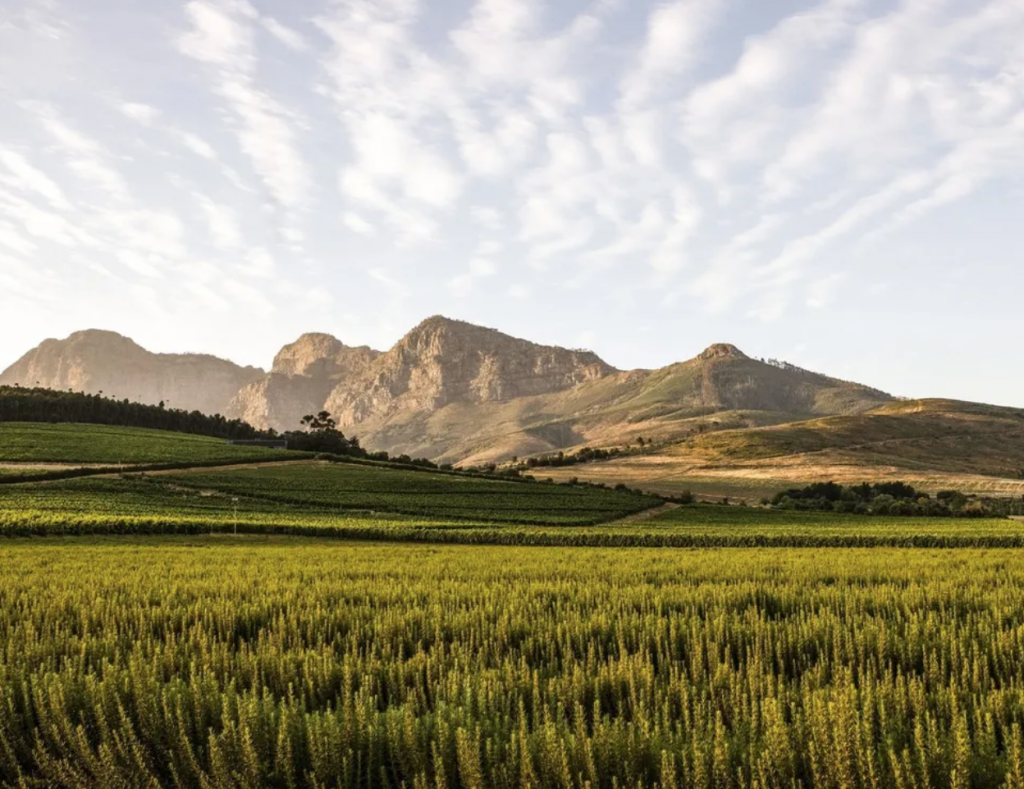
Franschhoek is renowned for its romantic energy, challenging the Parisians on their notions of love being in the air. A trip to Franschoek means divine food, lots of wine and even perfume-making – all leading up to the big ask. For a classic proposal, try Le Petite La Colombe, which is not only one of the top restaurants in the world but a Wineland’s favourite for proposals. If your partner is all about grandeur and would sell a kidney to live in France, then this spot fits the bill. If you’re looking for something a little different, Babylonstoren boasts spoils of romantic magic, from the greenhouse to a gorgeous canoe trip – arguably one of the most romantic spots.
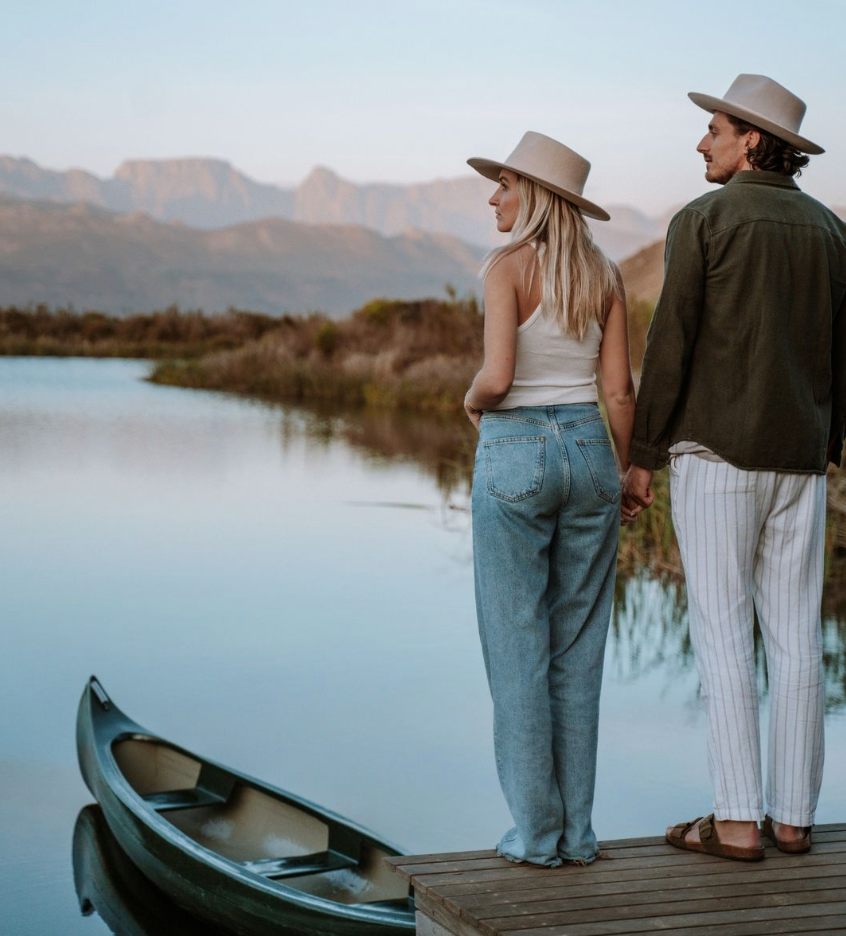
- Where: Le Petit Colombe | Leeu Estates, Dassenberg Rd, Franschhoek
- Babylonstoren | Klapmuts – Simondium Rd, Simondium
4.At the top of the Cape Wheel
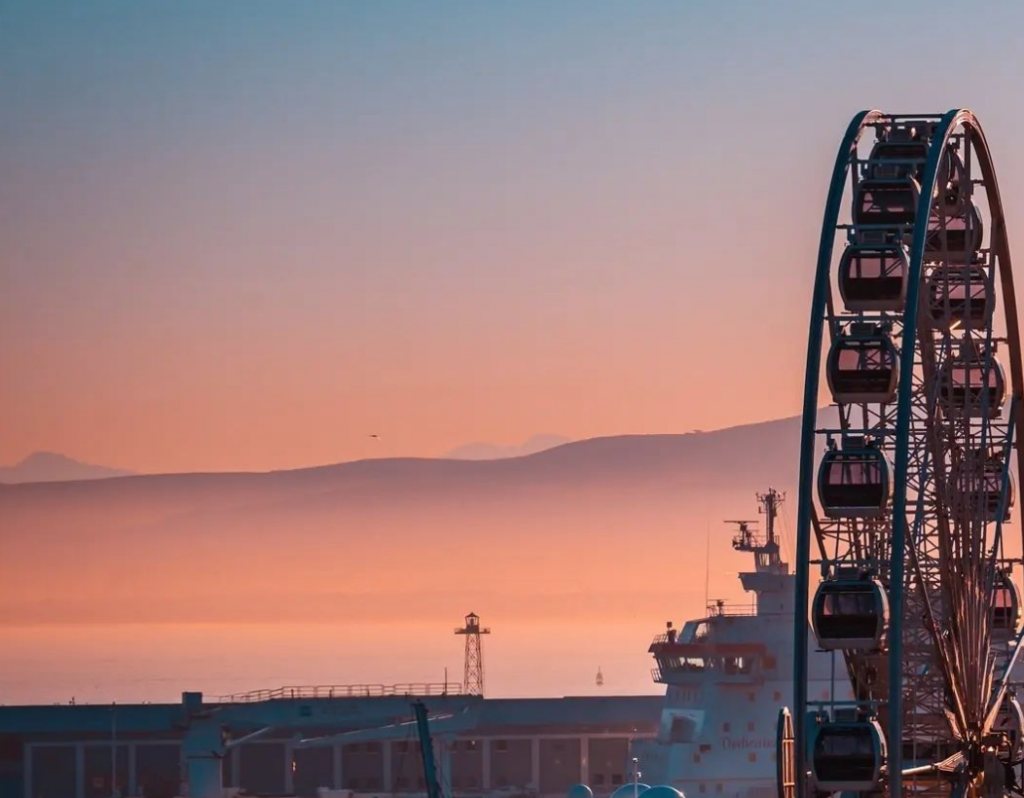
They make you feel like you’re on top of the world, so why not capitalise on it romantically? The Waterfront’s famous Cape Wheel offers picnic options where you can add some champagne and truly cheers to a beautiful future amongst the stars. If your relationship has always felt like a film plot, then entering the next chapter this way will certainly be Nicholas Sparks approved.
- Where: Dock Rd, V&A Waterfront
5.Norval Art Foundation
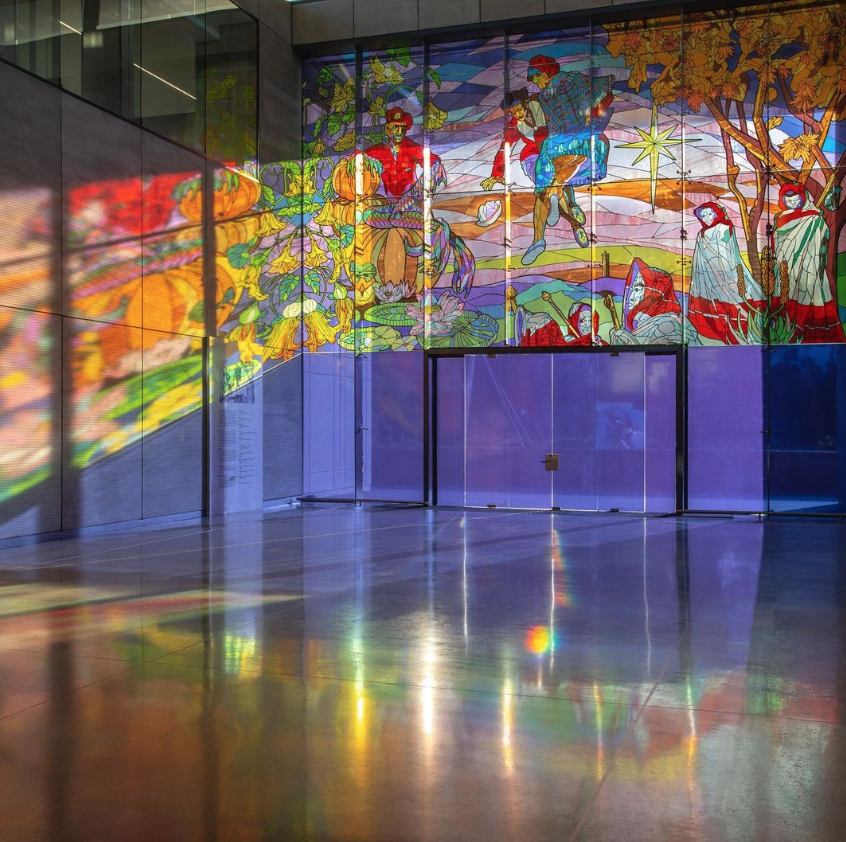
Art is tangible and visible emotion. Norval Art Foundation is easily one of the most aesthetic places to propose, and for the art lover in your relationship, it’s a perfect painting. Who wouldn’t want to make such a special decision surrounded by art as your audience? Norval Art Foundation hosts so many curious spots to share the most romantic moments of your life, with new exhibitions constantly in the works, ready to build your audience.
- Where:4 Steenberg Rd, Tokai
6. Table Mountain, of course
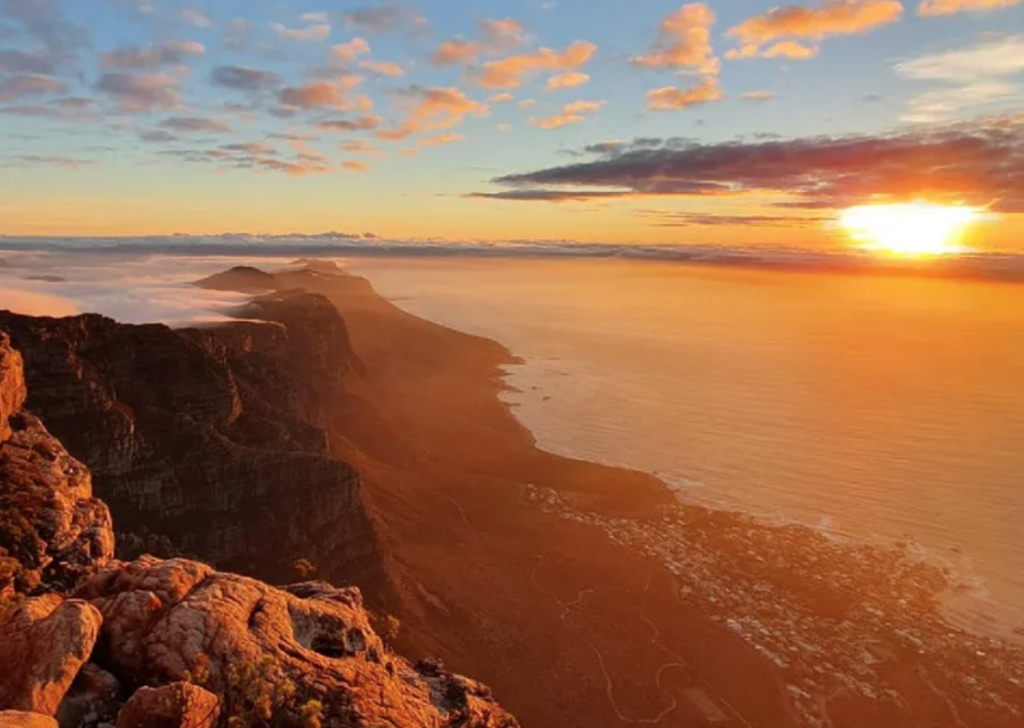
This list wouldn’t be complete without vouching for a seat at the finest table in Cape Town. Whether you decide to take a hike along Table Mountain National Park’s trails, ride the cableway all the way to the top or go to the new TAP bar (an addition part of the Aerial Cable Way’s delicious ‘above the world’s experiences) you simply can’t go wrong with the gem of our city.
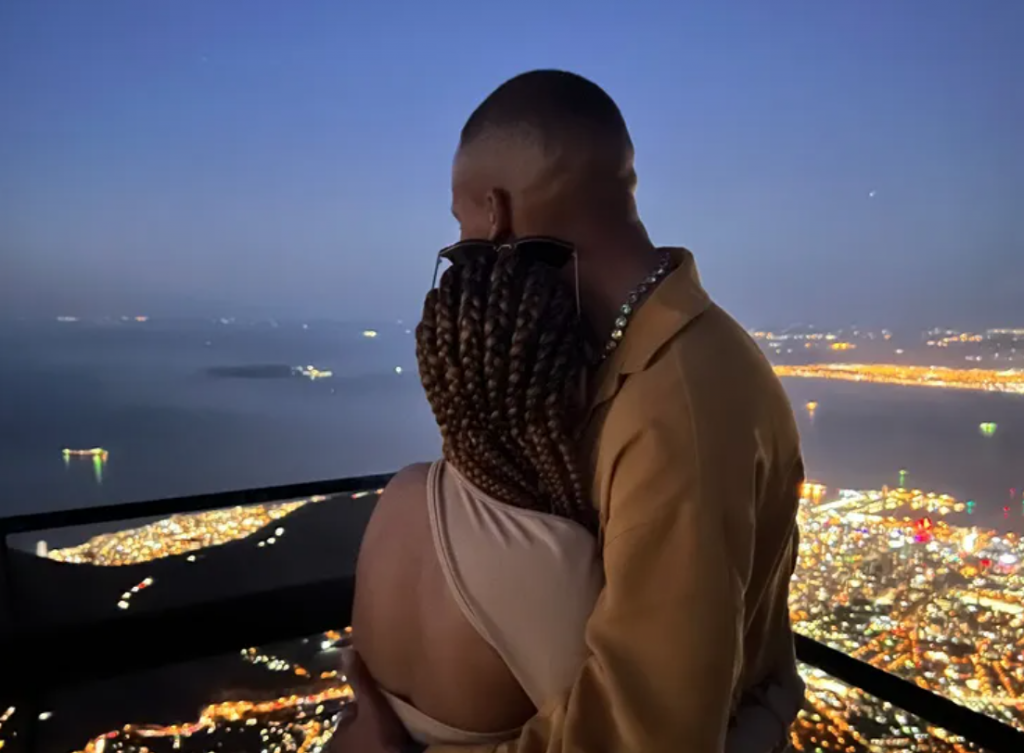
- Where: Table Mountain National Park
Picture: @gracecharlottephoto
In a low-key courthouse ceremony, Kourtney Kardashian and Travis Barker officially tied the knot. Now, a Kardashian having a downplayed wedding isn’t exactly on brand, but for Kourtney…
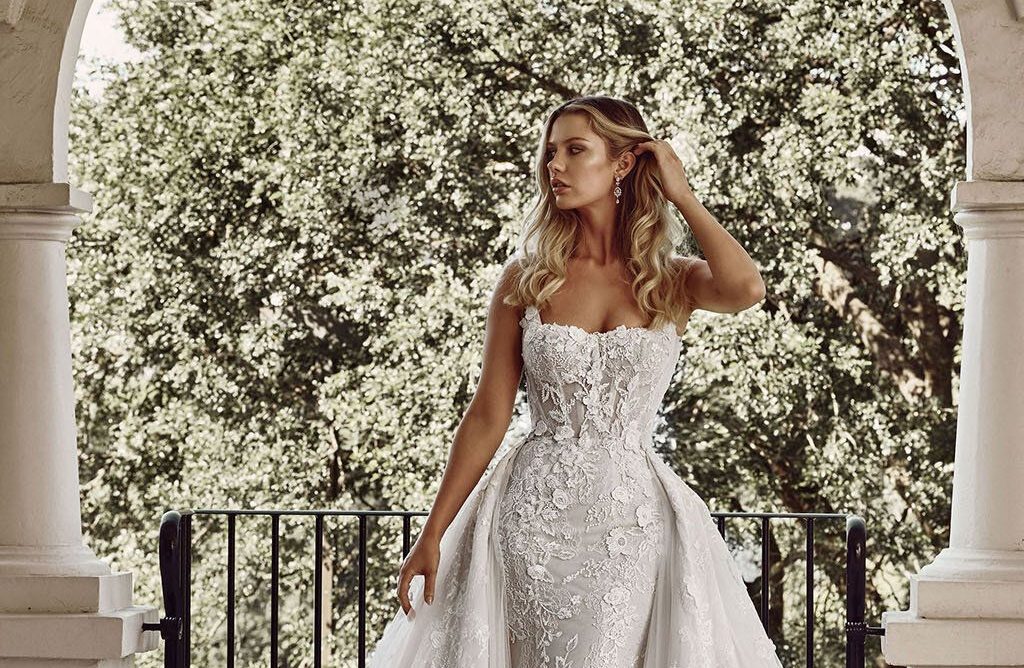
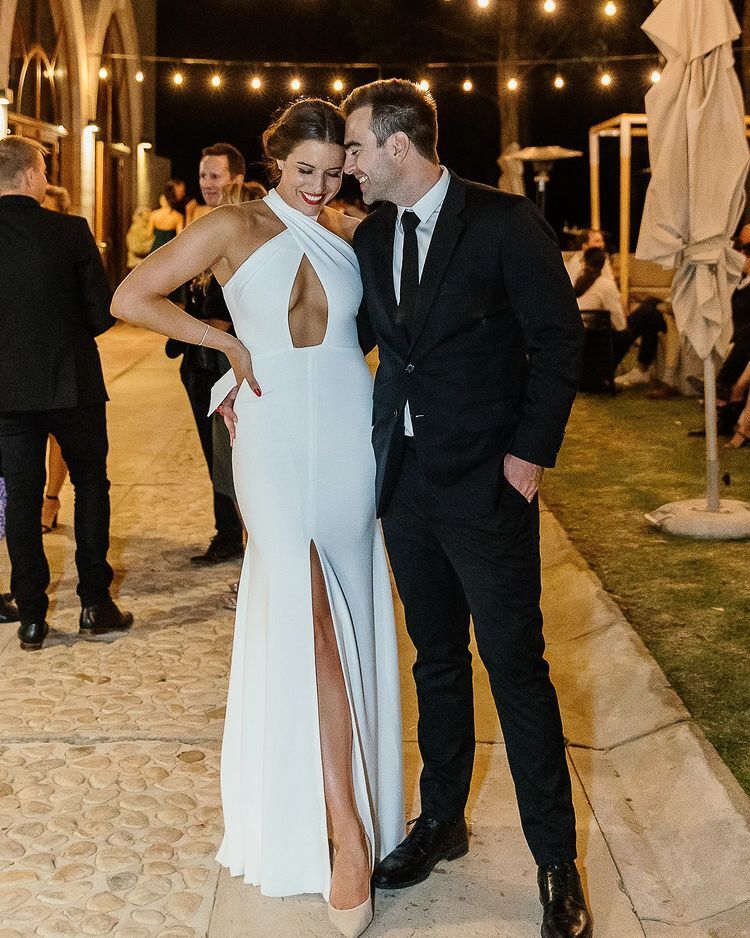
Who said a bride can’t look sexy on her wedding day? One of the most important aspects of choosing a wedding dress is making sure that you feel good because the worst thing you can do is look back on your big day and regret one of the most important aspects of the day – your wedding dress.
If you’ve been browsing wedding boutiques and you’ve finally found your killer bridal style, but you’re looking to add a sprinkle or dollop of sexy, your in luck. From subtly sexy to raunchy, we’ve found a variety of wedding dresses that may just inspire you to step into the more bold, sexy and tantalising bride that you are:
A sexy halter
Side step into Sexy

Sexy with a bohemian twist
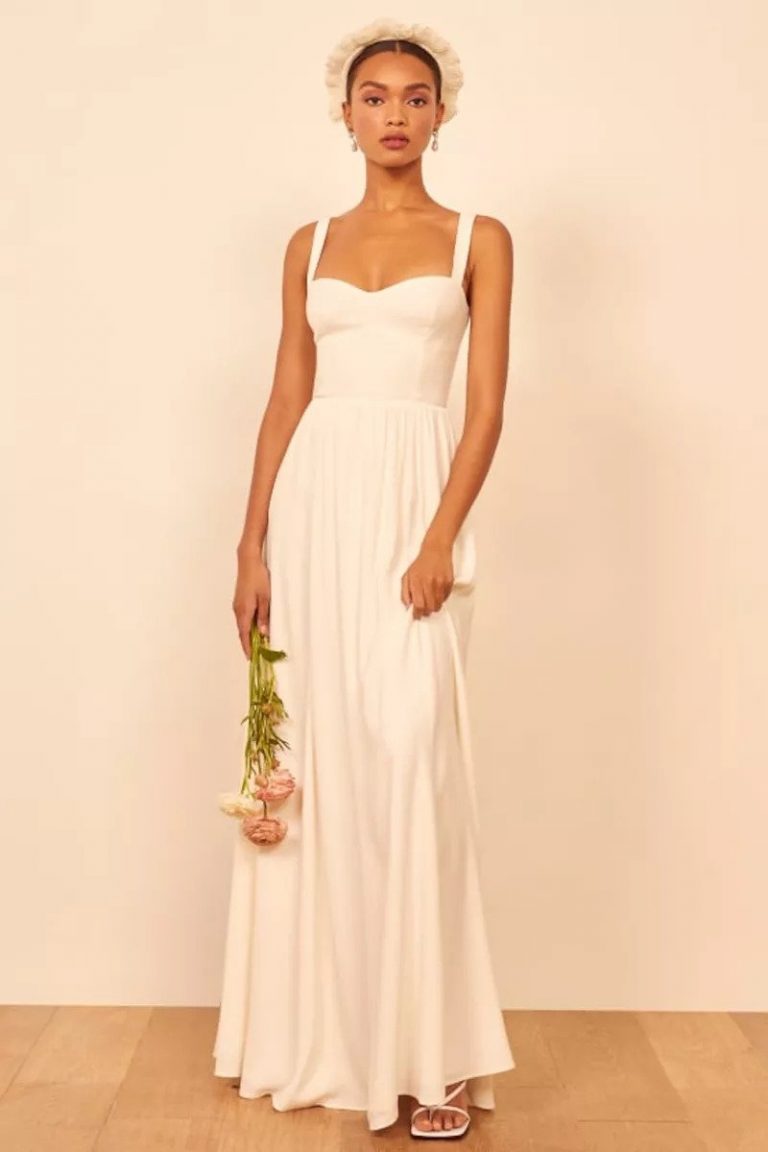
Off the Shoulder Sexiness
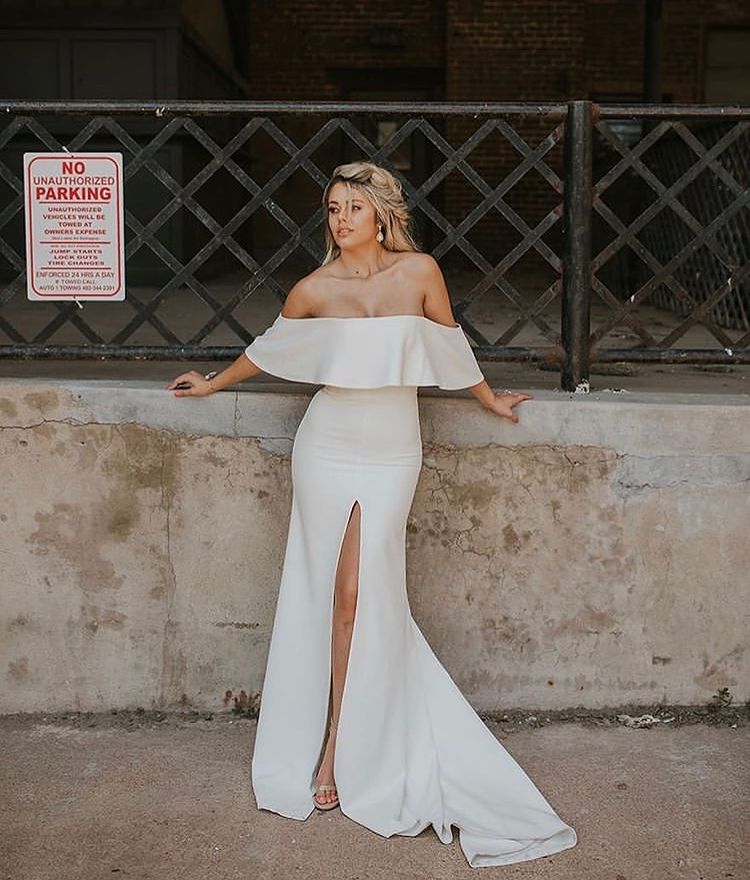
Can’t go wrong with a mini
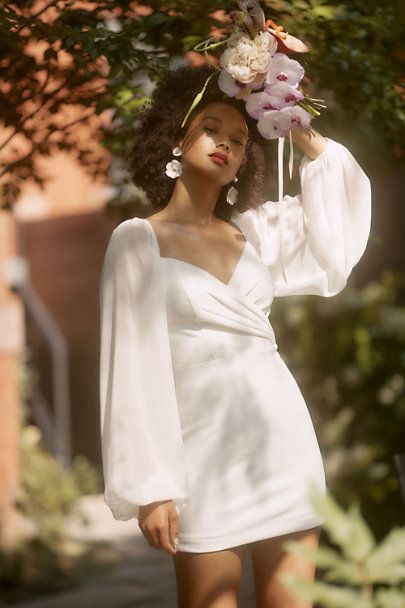
Timeless Beauty

Feature Image: Pinterest
With the constant evolution of wedding themes, trends and styles, picking an appropriate and stylish wedding outfit can seem like a challenging task. But with more modern traditions…
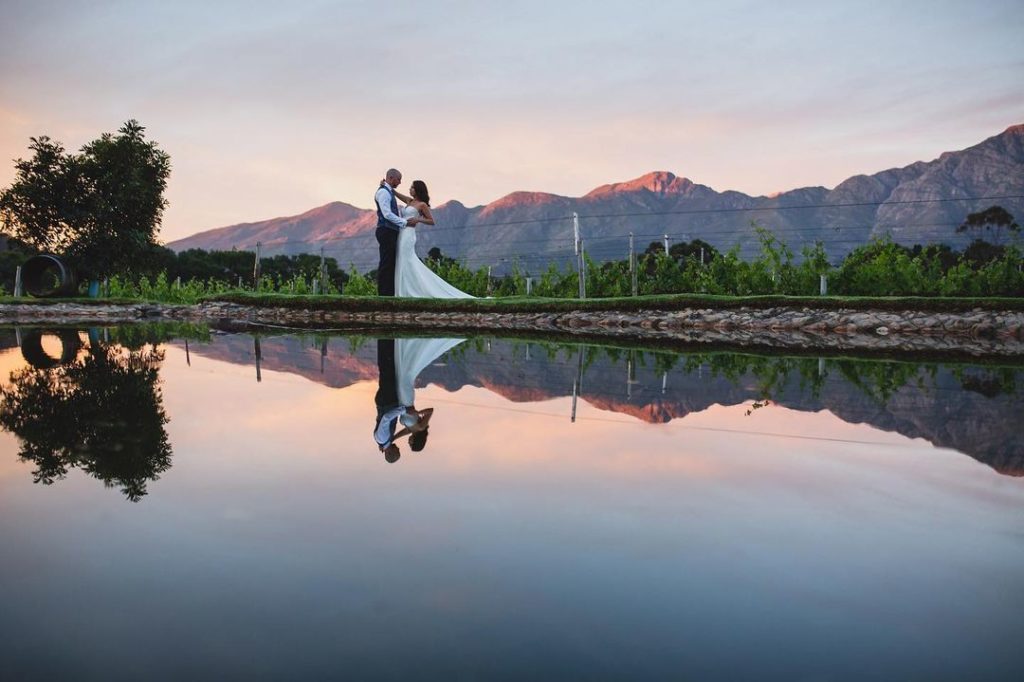
Searching for one of the best wedding destinations in the world? You may not need to travel far and wide if you’re South African, as Cape Town as recently been crowned the second-best wedding destination in the world for 2022!
The Iconic jewellery brand Daniel Cristopher announced the ranking, news that comes after Cape Town was named third “Greatest City on Earth” by the UK’s Telegraph this week.
The brand, operating since 1960, compiled a list of places and made the final judgement based on a number of factors, including weather conditions, the price of luxury hotels, and LGBTQ+ friendliness.
Maybe all the love in the Cape air blew us into right into the second spot, but we’re still tickled pink to be right up there with some of the most spectacular destinations.
Here are the Top 10 wedding destinations listed:
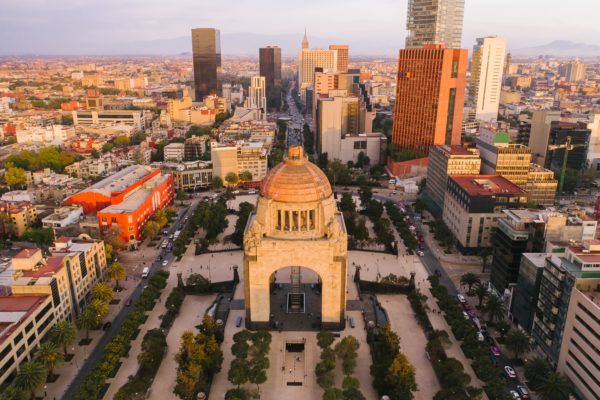
1. Mexico City
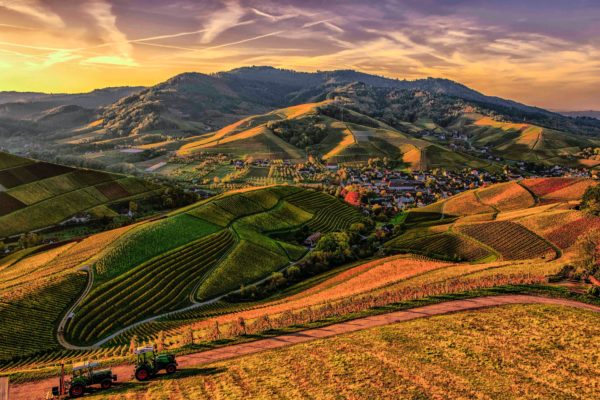
2. Cape Town
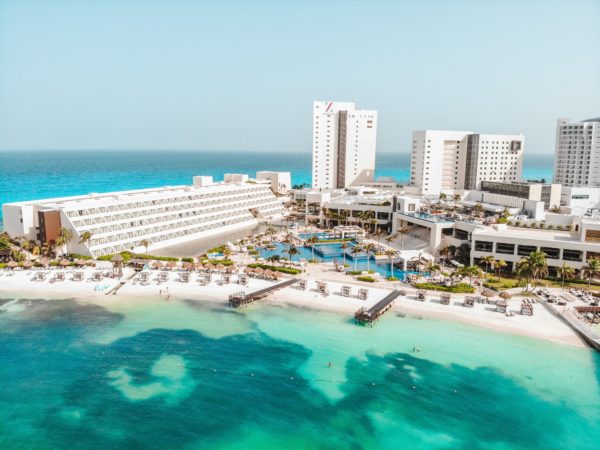
3. Cancun
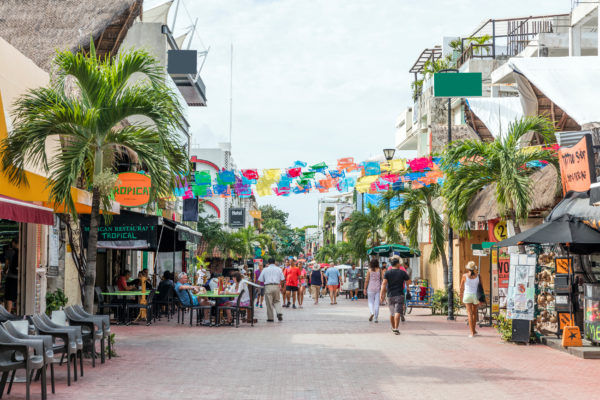
4. Playa Del Carmen
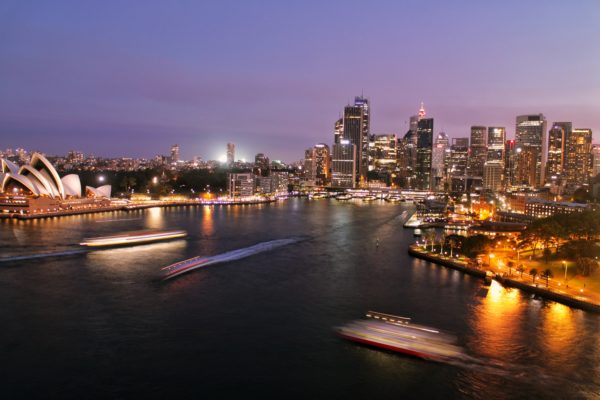
5. Sydney
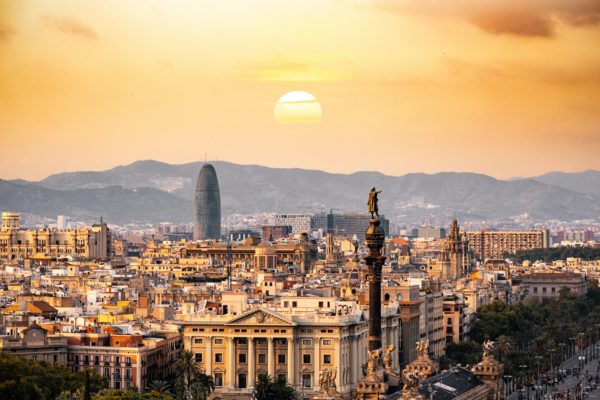
6. Barcelona
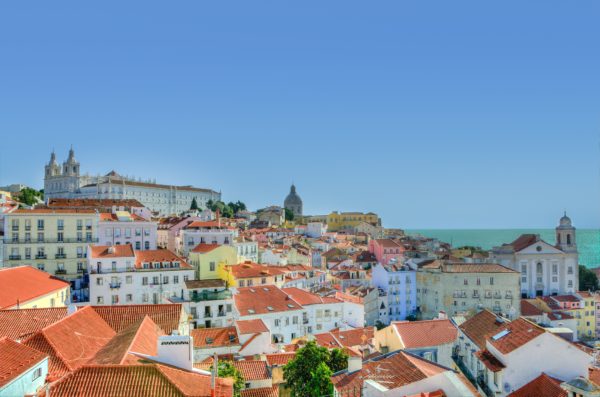
7. Lisbon
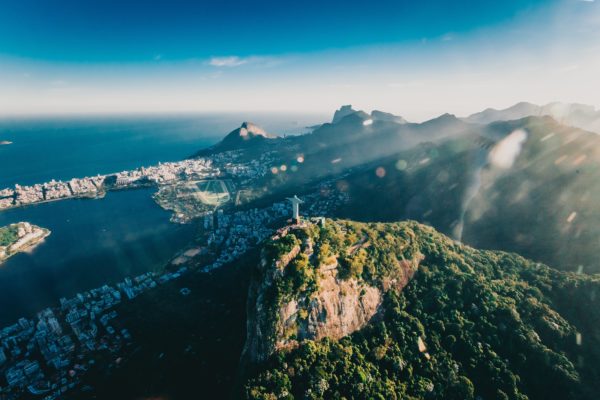
8. Rio de Janeiro
9. Buenos Aires

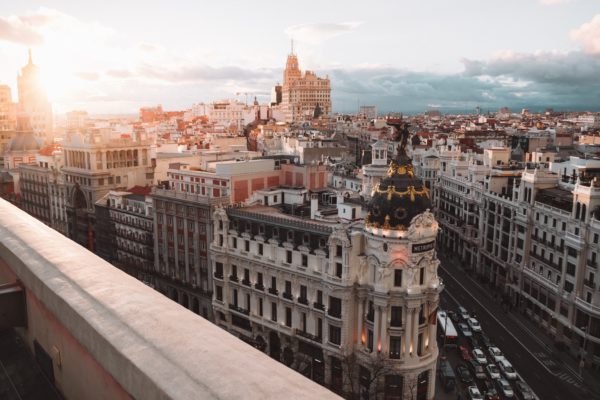
10. Madrid
Picture: @gavincaseyweddings / Wedding Photographer / Cape Town