
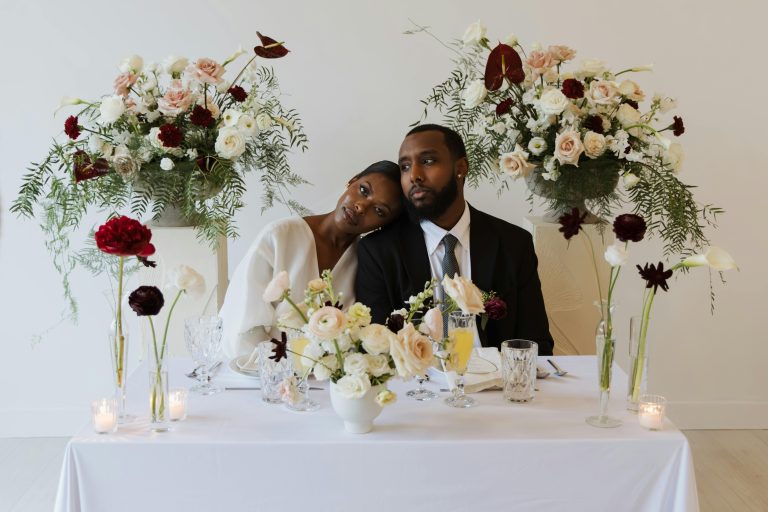
Dreaming of a small, intimate wedding sounds simple enough – until you start writing the guest list.
For couples with large families, trimming the numbers can quickly become one of the most emotionally charged parts of wedding planning. Suddenly, every name carries a story, every invitation feels political, and every decision seems capable of causing unintended hurt feelings.
Yet intimate weddings continue to grow in popularity for a reason. Couples are increasingly choosing meaningful celebrations over large-scale events, prioritising quality time with loved ones, budget flexibility, and experiences that feel deeply personal.
The challenge? Balancing your vision with family expectations.
If you’re trying to keep your wedding small without upsetting half the family tree, here’s how to navigate the process with grace.
Start with your non-negotiable number
Before names enter the conversation, determine your ideal guest count.
Whether your venue has a strict capacity limit or you’re working within a budget, having a clear maximum number creates an objective framework for decision-making. It’s far easier to explain that your venue only accommodates 80 guests than to justify why one cousin made the list while another didn’t.
Once you’ve settled on a number, stick to it. Expanding “just a little” for one branch of the family often opens the floodgates for everyone else.
Create guest list tiers
One of the most effective strategies is to organise potential guests into categories.
Tier 1: Immediate family, closest friends, and people actively involved in your life.
Tier 2: Extended relatives and friends you see regularly.
Tier 3: Distant relatives, family acquaintances, and people you feel obligated to invite rather than genuinely want present.
This exercise quickly reveals where your priorities lie and helps ensure that the people attending are those who truly matter to you as a couple.
Decide on a consistent family rule
Consistency is your best defence against family drama.
Perhaps you’re inviting only first cousins. Maybe you’re limiting invitations to aunts and uncles but not their adult children. Some couples choose a “household-only” rule, while others invite only relatives they’ve maintained an active relationship with.
Whatever approach you choose, apply it fairly across both families.
A clear, consistent guideline feels less personal and helps reduce accusations of favouritism.
Have difficult conversations early
One of the biggest mistakes couples make is avoiding uncomfortable conversations until invitations are sent.
If you know certain family members may be disappointed, it’s often kinder to explain your plans beforehand. A personal phone call can go a long way toward preserving relationships and preventing misunderstandings.
Be honest, warm, and direct.
You don’t need to apologise for wanting an intimate wedding. Instead, explain that you’ve had to make difficult decisions to stay within your guest count and that the choice isn’t a reflection of how much you value the relationship.
Remember that parents may have expectations too
In many families, weddings are viewed as community celebrations rather than purely personal events.
Parents may have long-standing friendships, cultural expectations, or family obligations they feel should be honoured. While it’s important to hear their perspective, it’s equally important to establish boundaries around who ultimately makes the final decisions.
If parents are contributing financially, discussing guest list expectations early can help avoid conflict later in the planning process.
The goal isn’t to win an argument – it’s to find a compromise that still feels authentic to your vision.
Consider alternative ways to include loved ones
Not everyone needs to be physically present to feel included.
Couples are increasingly finding creative ways to involve extended family, such as:
- Hosting a casual engagement celebration before the wedding
- Planning a post-wedding family lunch or gathering
- Sharing professional photographs and wedding videos afterwards
- Including personal messages or updates for relatives who couldn’t attend
These gestures help loved ones feel remembered, even if space limitations prevent an invitation.
Resist the guilt
Perhaps the hardest part of planning an intimate wedding is accepting that not everyone will be happy.
Some disappointment is inevitable, particularly in large families where weddings have traditionally been expansive affairs. However, your wedding day shouldn’t become a performance designed to satisfy every expectation.
Years from now, you are unlikely to regret having a celebration that reflected your values, your budget, and your relationship.
What you’ll remember most is how the day felt.
Keep the focus where it belongs
At its heart, a wedding isn’t about numbers. It’s about bringing together the people who have genuinely shaped your journey as a couple.
An intimate guest list allows for deeper conversations, more meaningful moments, and the chance to spend quality time with every person in the room.
While navigating family dynamics may not be easy, staying true to your vision can result in a celebration that feels more personal, intentional, and unforgettable.
Sometimes, less really is more.
ALSO SEE: 5 ways to avoid a family takeover at your wedding
Featured image: Beniam / Pexels