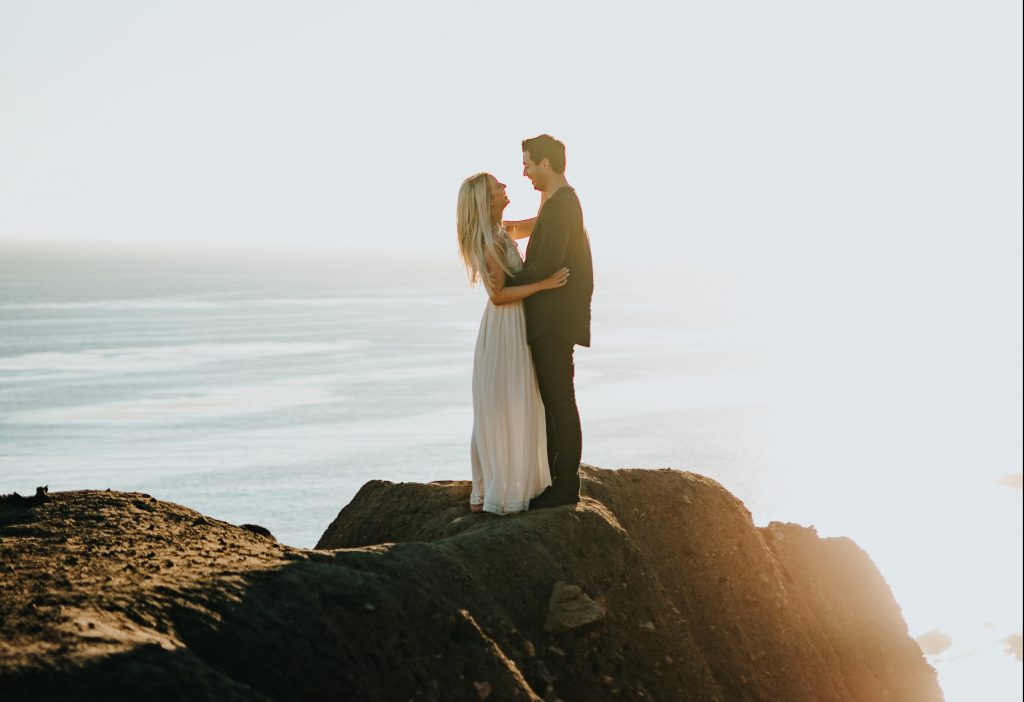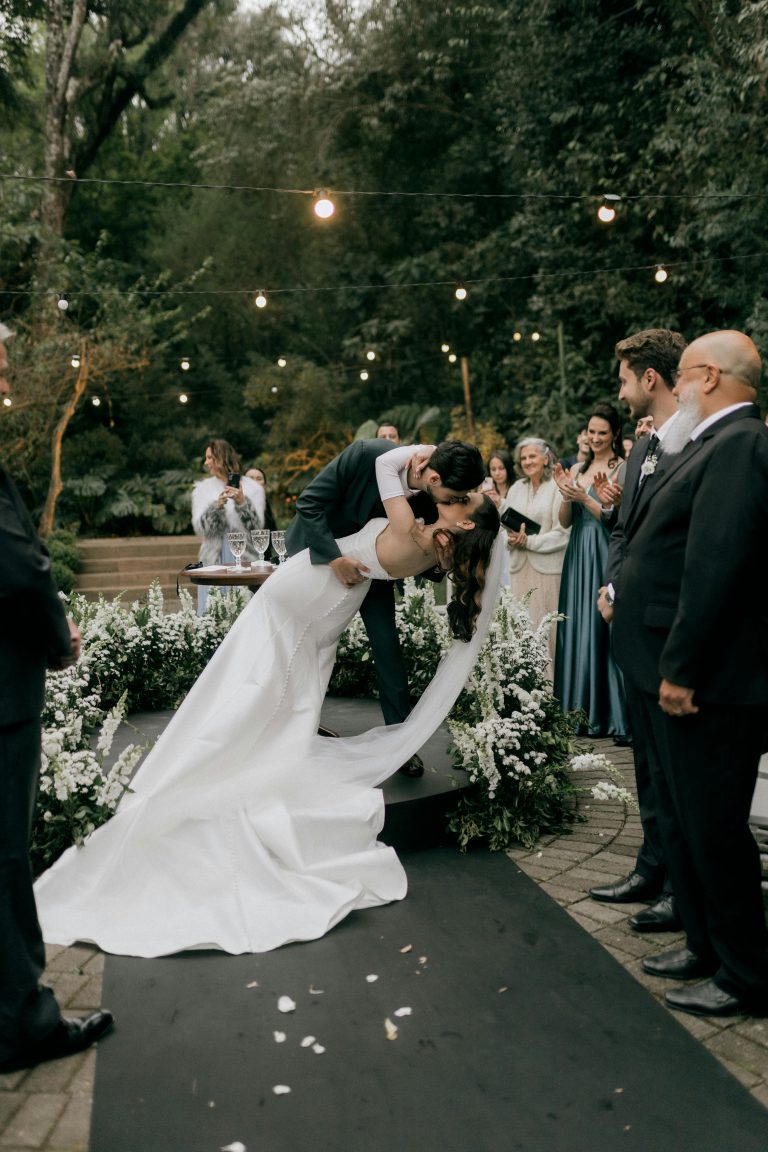
Couples are moving away from rigid traditions and Pinterest-perfect pressure, choosing instead to create celebrations that actually feel like them.
Here are the biggest wedding micro trends set to define 2026.
Tiny guest lists are becoming the norm
One of the clearest shifts for 2026? Couples are trimming their guest lists dramatically.
Instead of inviting every distant cousin, old school friend, and obligatory plus-one, many couples are choosing to celebrate with only their nearest and dearest. Smaller weddings not only feel more intimate, but they also allow couples to spend quality time with every guest rather than rushing through quick greetings all night.
There’s also the budget factor. With wedding costs continuing to rise, many couples would rather host 40 people beautifully than stretch their budget across 150 guests they barely see.
Other priorities are winning over huge weddings
Another major shift? Couples are prioritising what comes after the wedding day.
Instead of pouring every cent into a single event, many are scaling back on decor, guest numbers, or extravagant formalities so they can invest in a dream honeymoon, a home deposit, renovations, or future financial goals.
For some, that means a chic courthouse wedding followed by two weeks in Italy. For others, it’s a backyard celebration that makes room in the budget for safari lodges, island escapes, or finally buying furniture that isn’t “temporary.”
There’s a growing understanding that the wedding is one day, but the marriage, honeymoon memories, and home life last much longer.
Smaller ceremonies, bigger celebrations
Long, formal ceremonies are slowly falling out of favour. Many couples are now opting for intimate vow exchanges — sometimes completely private — before inviting guests to join them purely for the celebration afterwards.
Rather than spending an hour seated through formalities, guests arrive straight into the atmosphere: cocktails flowing, music playing, candles glowing, and food stations already open.
Multi-day weddings are becoming more relaxed
Interestingly, while guest lists are shrinking, many celebrations are stretching over an entire weekend — just in a far less formal way.
Think welcome pizzas the night before, a wedding day that feels like a dinner party, and a relaxed poolside brunch the next morning. It’s less “packed itinerary” and more quality time with the people closest to you.
Destination weddings within South Africa are also playing into this trend, with couples turning wine farms, coastal cottages, bush lodges, and countryside escapes into full weekend experiences.
One statement ring instead of two
Traditional engagement ring and wedding band pairings are slowly being replaced by one standout piece.
Rather than stacking multiple rings, many couples are investing in a single ring they genuinely want to wear every day.
Wedding cakes are getting weird
Minimal white tiered cakes are making way for cakes that look more like sculptural art pieces.
Couples are leaning into textured icing, unusual shapes, metallic finishes, asymmetrical layers, vintage piping, oversized bows, and cakes inspired by everything from candle wax to retro desserts.
Some couples are even skipping traditional cakes entirely in favour of giant tiramisus, croquembouches, crème brûlée towers, pavlovas, or nostalgic desserts with elevated presentation.
Candles are outshining flowers
Florals will always have a place at weddings, but they’re no longer the main character.
Couples are creating moodier, more layered tablescapes with candles, fruit, vintage decor pieces, coloured glassware, interesting ceramics, and personal objects taking centre stage. The overall look feels less like a styled shoot and more like an incredibly beautiful dinner party.
Mismatched table settings are especially popular, adding warmth and personality to receptions.
And candle-heavy receptions? They photograph beautifully.
Traditional gift registries are fading away
Formal wedding registries are quietly losing favour, especially among couples who already live together before marriage.
Instead of asking for cookware or matching serving spoons, many couples are opting for honeymoon contributions, charitable donations, personalised keepsakes, experiences, or meaningful locally made gifts.
ALSO SEE: 5 Magical wedding venues in the heart of Gauteng
Feature image: Pexels