• Tag

    marriage advice

    Browsing

    One minute you’re admiring a ring on your finger. The next, everyone wants to know the date, the venue, the dress, the flowers, the guest list and whether you’ve chosen your first dance song.

    Slow down. Getting engaged is a milestone in its own right, not simply the starting line for wedding planning. Yet it’s remarkable how quickly the excitement of saying “yes” can be replaced by a never-ending stream of questions.

    “So… when’s the wedding?” For some couples, the answer comes easily. They’ve already been planning for months. Others would rather sit in this new chapter for a while before diving into spreadsheets, budgets and seating plans. And that’s more than okay.

    Your engagement deserves its own moment

    Think about it. The proposal itself is a story you’ll probably tell for decades. Maybe it happened on a mountain after an exhausting hike. Perhaps it was during a weekend away, over breakfast at home, or completely unexpectedly while walking the dog. Maybe everything went according to plan. Or maybe absolutely nothing did.

    Those imperfect moments often become the best stories. Long after the wedding photos have been framed, you’ll still laugh about the ring almost falling into the ocean, someone accidentally interrupting the proposal, or how nervous your partner was that they could barely get the words out. It’s worth taking the time to enjoy that chapter before rushing into the next one.

    There isn’t a deadline

    Social media can make it feel as though engagements follow a strict timeline. Announcement photos. Venue booked. Dress shopping. Countdown begins.

    Real life doesn’t work like that. Some couples marry within months. Others stay engaged for several years. Neither is more “correct” than the other.

    There are countless reasons why you might want to wait before planning a wedding. Maybe you’re saving for the celebration you really want. Perhaps you’ve just bought a home or are focused on your careers. There could be family commitments, health concerns or a new baby on the way. Or maybe there isn’t a reason at all.

    Maybe you’re simply enjoying being engaged. That’s reason enough.

    Weddings are expensive

    Let’s be honest. Weddings aren’t cheap. For many South African couples, planning a wedding also means saving for one. Rushing into deposits and big decisions before you’re financially comfortable can add unnecessary pressure to what’s supposed to be an exciting time.

    Waiting a year — or even longer — doesn’t make your engagement any less meaningful. If anything, it gives you time to plan the day you actually want, rather than the day you feel pressured to have.

    Set the pace together

    One of the best things you can do early on is decide, as a couple, what works for you.

    If you’re choosing to wait before planning, let people know politely but confidently. A simple “We’re enjoying being engaged for now, and we’ll share our plans when we’re ready” is often enough. Setting those boundaries now can make the entire wedding-planning journey feel a little less overwhelming later.

    Don’t skip this chapter

    It’s easy to think of an engagement as the bit between dating and getting married. But it deserves celebrating too.

    Go on dates. Take engagement photos if you want to. Wear the ring proudly. Tell your proposal story for the hundredth time.

    Dream about the future without feeling like every conversation has to end with a colour palette or venue tour. The wedding will come. For now, enjoy the fact that you’ve found your person. The planning can wait.

    ALSO SEE: Old soul, new sparkle: How modern couples are reimagining heirloom engagement rings

    Old soul, new sparkle: How modern couples are reimagining heirloom engagement rings

    Feature image: Unsplash

    Your wedding day may have been unforgettable, but marriage is where the real story begins.

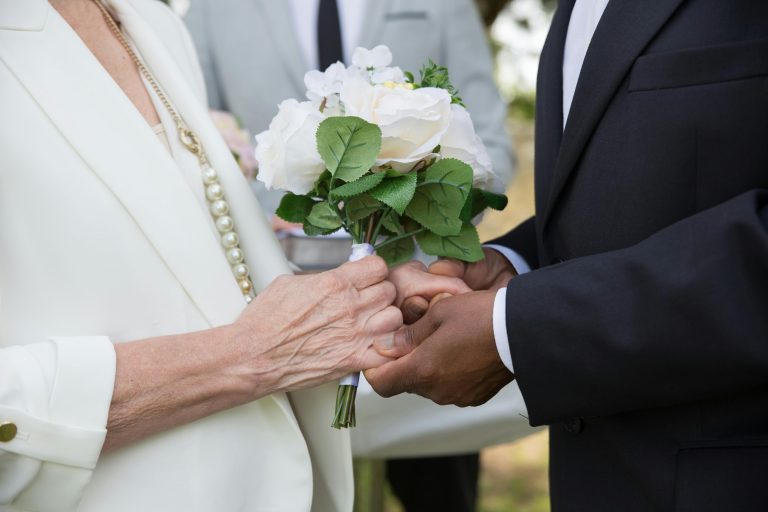
    Years of shared milestones, challenges, growth, laughter, and love can make many couples feel inspired to celebrate their journey in a new way. Enter the vow renewal: a heartfelt opportunity to reaffirm your commitment, reflect on how far you’ve come, and honour the life you’ve built together.

    And while vow renewals have always held a special place in the wedding world, they’re experiencing a noticeable resurgence. Wedding experts have reported growing interest from couples who either had scaled-back celebrations, want to include children who weren’t part of the original wedding, or simply want a moment to celebrate their relationship as it stands today.

    Whether you’re celebrating five years or fifty, here’s how to plan a vow renewal that feels authentic, personal, and worth remembering.

    What exactly is a vow renewal?

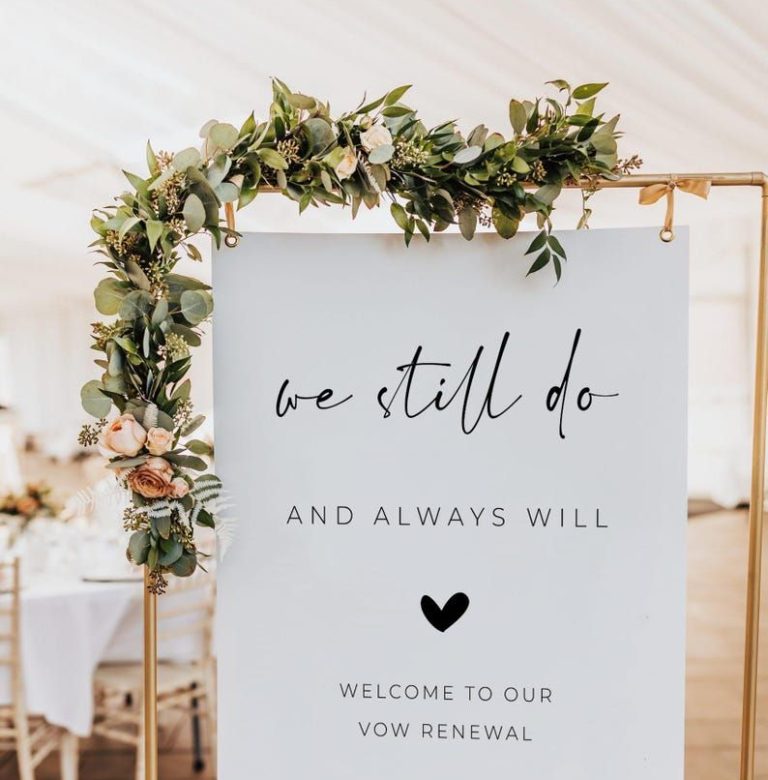
    A vow renewal is a symbolic ceremony where a married couple reaffirms their commitment to one another. Unlike a wedding, it isn’t legally binding, meaning there are no marriage licences, paperwork requirements, or strict traditions to follow. The beauty lies in its flexibility – you can make it as intimate or elaborate as you wish.

    Why couples choose to renew their vows

    No two vow renewals are alike because no two marriages are alike.

    For some couples, a milestone anniversary feels like the perfect reason to celebrate. Others use the occasion to honour overcoming significant life challenges, from health scares to periods of separation and reconciliation. Many couples who opted for small ceremonies or elopements also choose vow renewals as a chance to have the celebration they originally envisioned.

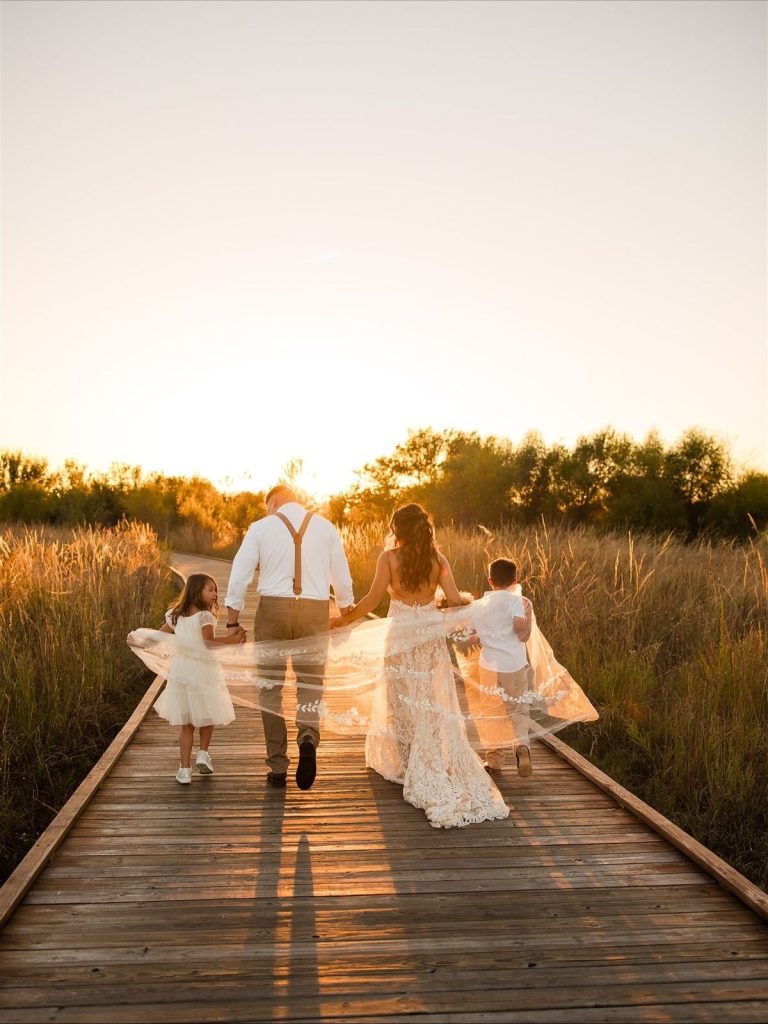
    Increasingly, couples are also choosing vow renewals as a way to involve their children in the ceremony, creating new family memories and celebrating the evolution of their relationship.

    Choose a style that reflects your journey

    One of the biggest differences between a wedding and a vow renewal is that expectations are far lower – and that’s a good thing.

    Some couples host an intimate sunset ceremony with just their children present. Others throw a full-scale celebration complete with a reception, live music, and a dance floor packed with loved ones.

    Current trends show couples moving towards highly personalised experiences rather than recreating their original wedding day. Think destination vow renewals, private beach ceremonies, garden gatherings, weekend getaways, or even themed celebrations that reflect shared interests and adventures.

    Write vows for who you are now

    Your original vows were written by the people you were then.

    Your renewal vows can reflect the people you’ve become.

    Many couples choose to acknowledge the realities of married life—the triumphs, the difficult seasons, the lessons learned, and the promises they want to carry into the future. Rather than focusing on the unknown, these vows celebrate resilience, growth, and the conscious choice to continue choosing each other every day.

    Include the people who matter most

    One of the most meaningful aspects of a vow renewal is the opportunity to involve loved ones in new ways.

    Children can walk down the aisle, read poems, hold rings, or share memories. Close friends and family members can perform readings, officiate the ceremony, or offer blessings and well-wishes. Many couples also choose to honour family members who have passed away through tributes woven into the ceremony.

    What should you wear?

    The short answer? Whatever feels right.

    There are no rules. Some brides slip back into their original wedding dress, while others opt for a modern bridal look, a sleek cocktail dress, or even something completely unexpected. Current vow renewal style trends favour personal expression and understated elegance over traditional bridal expectations.

    The same goes for your partner. Whether that’s a tailored suit, smart-casual attire, or something destination-appropriate, the goal is to feel comfortable and authentically yourself.

    Vow renewal etiquette: what guests need to know

    Unlike weddings, gifts aren’t generally expected at vow renewals. Most couples simply want to celebrate with the people they love rather than receive presents. If guests ask about gifts, many couples suggest charitable donations or simply request their presence.

    It’s also helpful to clearly state on invitations that the event is a vow renewal celebration so guests understand the nature of the occasion.

    The most important rule? Make it yours

    A vow renewal isn’t about recreating your wedding day.

    It’s about celebrating everything that happened after it.

    Whether you gather hundreds of guests or exchange private promises on a quiet beach, the most meaningful vow renewals are the ones that reflect the reality of your love story—not the expectations of anyone else.

    After all, there’s something incredibly romantic about looking at the person you’ve built a life with and saying, once again: I’d still choose you.

    ALSO SEE: Why personal vows are stealing the spotlight 

    Why personal vows are stealing the spotlight

    Featured image: Kampus Production / Pexels

    Why Couples Choose To Say “I Still Do”

    Marriage isn’t a straight line—it’s a winding journey filled with highs, lows, and countless “we’ll figure it out” moments. Over the years, many couples realise that love looks different than it did on their wedding day. Between raising kids, career changes, or surviving life’s curveballs, your vows become more than poetic promises—they’re proof of endurance.

    That’s why more couples are choosing to renew their vows. It’s not just about romance; it’s a reminder that after everything, you’d still choose each other. Relationship strategist Elizabeth Overstreet calls it “a reaffirmation that the good continues to outweigh the challenges,” a symbolic act of resilience and recommitment.

    The Milestone Years That Matter Most

    Traditionally, couples celebrate milestones every five years: wood for the 5th, silver for the 25th, gold for the 50th. But in reality, the “right” anniversary is deeply personal. Maybe your 12th year felt more meaningful than your 10th because you overcame a rough patch or welcomed your first child.

    Experts say couples often choose the 5th, 10th, 25th, or 50th anniversary as natural points to renew vows. Others prefer moments of personal triumph—such as recovering from illness, surviving financial strain, or simply rediscovering their spark.

    In South Africa, where family remains central to community life, many couples use vow renewals to bring generations together. It’s a way to remind children and loved ones that love, like ubuntu, grows stronger when shared.

    Things To Consider Before Planning A Vow Renewal

    Before diving into Pinterest boards and floral quotes, take a step back. Even small vow renewals need planning, a bit of budgeting, and emotional intention.

    Your Guest List

    Decide who you want to share the moment with. Some couples opt for a quiet exchange under a tree or in their backyard; others invite family and close friends for a full celebration. Wedding planner Alicia Mae says many use vow renewals to do what they couldn’t the first time—whether that means adding personal touches or skipping the stressful parts.

    Budget And Costs

    Vow renewals can range from simple to extravagant. A small garden ceremony may cost just a few thousand rand, while a venue or resort celebration can easily run into tens of thousands. Costs vary depending on location, décor, and photography, but experts say a renewal can be as intimate or lavish as you wish—it’s the meaning that counts.

    Timing And Significance

    Think beyond the numbers. Choose a date that reflects your shared story—maybe the year you survived something tough together, or when you moved cities and started anew. This emotional anchor often makes the ceremony more memorable than the anniversary itself.

    Destination Ideas For Your Vow Renewal

    From vineyards in the Cape Winelands to beaches in St. Lucia, vow renewals today span the globe. Some South Africans even turn their milestone into a travel experience.

    Beach Escapes

    Couples often head to coastal resorts for an intimate “I Do for Two” experience—like a secluded ceremony at sunset with just the sound of waves and champagne in hand.

    Vineyard Celebrations

    Wine farms remain a timeless choice. Places like Franschhoek or Stellenbosch offer breathtaking views, fine wine, and that old-world romance perfect for a small renewal surrounded by nature.

    Family Retreats

    Others choose to rent a small boutique hotel or lodge, bringing their families along for a weekend celebration. It’s less about formality and more about connection—recreating the joy of a wedding without the stress.

    The Heart Of It All

    Whether it’s your 5th or 25th anniversary, renewing your vows isn’t about redoing your wedding—it’s about rediscovering each other. It’s saying, “After all these years, through every version of us, I still choose you.”

    And in a world that often rushes past the quiet, meaningful moments, that might be the most romantic gesture of all.

    Featured Image Source: Pinterest 

    Before the wedding bells ring and the vows are exchanged, it’s worth asking: are you and your partner truly aligned on what matters most? Beyond flowers, venues, and guest lists, it’s the invisible glue of shared values that determines whether your marriage will thrive long after the honeymoon phase ends.

    In South Africa, where diverse cultures meet and marriage often brings two families together, shared principles aren’t just about personal happiness — they shape how you grow as a unit, navigate challenges, and even raise future generations.

    Let’s explore the seven non-negotiable values every couple should talk about before saying “I do.”

    Communication

    Every strong marriage begins with communication. Being able to speak honestly, listen actively, and understand one another prevents small misunderstandings from turning into big issues. Healthy communication means saying what you mean — and meaning what you say — without blame or judgment.

    Couples who talk openly about their worries, goals, and expectations tend to feel more connected and respected. Remember, communication isn’t just about solving problems; it’s about staying emotionally in tune.

    Respect

    Respect is what keeps love grounded. It’s found in everyday acts — listening when your partner speaks, supporting their dreams, and valuing their opinions even when you disagree. Without respect, affection fades and resentment takes its place.

    When couples treat each other as equals, they create an environment where both can thrive. Mutual respect keeps your marriage balanced, especially when life throws challenges your way.

    Trust

    Trust is the quiet assurance that your partner has your back, no matter the distance or the doubt. It’s the foundation of emotional security, allowing both people to show up as their authentic selves.

    If trust breaks down, everything else starts to crumble. Building and maintaining trust takes consistency and transparency — it’s a daily choice to believe in your partner and in the bond you share.

    Forgiveness

    Every couple fights, but the healthiest ones know how to forgive. Letting go of grudges doesn’t erase the hurt; it allows both of you to heal and move forward. Holding onto resentment only creates emotional distance.

    Forgiveness means prioritizing love over pride and choosing to grow together rather than apart. It’s an act of courage and compassion that keeps relationships alive through even the hardest seasons.

    Boundaries

    In love, boundaries aren’t barriers — they’re protection. They remind you that it’s okay to say no, to ask for space, and to nurture your individuality within the relationship. Without boundaries, it’s easy to lose yourself in trying to please your partner.

    Setting healthy limits builds respect and trust. It shows that you value your wellbeing and your partner’s too. When both people know where they stand, the relationship becomes a space of freedom instead of pressure.

    Honesty

    Honesty is more than telling the truth — it’s about being authentic. When you’re honest with your partner, you create a bond rooted in transparency and emotional intimacy. There’s no second-guessing, no pretending, just real connection.

    Of course, honesty can be uncomfortable, especially when tough conversations arise. But facing truth with empathy builds strength and deepens mutual understanding. In marriage, that’s priceless.

    Religion

    Faith often shapes family traditions, holidays, and daily routines — especially in South Africa, where spiritual diversity runs deep. Whether you share the same religion or come from different beliefs, conversations about faith are vital before marriage.

    Discuss how you’ll celebrate religious holidays, raise children, or attend services. These discussions don’t have to divide you; they can help you create a shared spiritual foundation that reflects both your worlds.

    Moving Forward

    Marriage isn’t just about love — it’s about alignment. When two people share core values, they create a partnership that can weather any storm. Before walking down the aisle, take the time to talk deeply about what truly matters. Because when your values match, your love only grows stronger.

    Featured Image: Foto Petinne on Unsplash

    Marriage isn’t just about the wedding day. It’s about the long road after the confetti and celebrations have settled—the arguments, the quiet moments, the decisions that shape your future together. While no couple can predict every twist and turn, asking the right questions before you say “I do” can help you step into marriage with clarity, confidence, and compassion.

    These conversations aren’t about being pessimistic. They’re about being prepared. As one local relationship coach puts it, “Anything you don’t resolve before marriage will come up stronger after it.” In South Africa, where family dynamics, cultural traditions, and financial realities can add extra layers of complexity, it’s even more important to talk things through.

    Here are 18 questions that can make the difference between just surviving marriage and truly thriving in it.

    1. What Does Marriage Mean to You?

    To some, it’s a lifelong partnership. To others, it’s a legal agreement or a spiritual bond. If your definitions don’t align, expectations will clash. Start here.

    2. What Are Your Financial Goals?

    Money is one of the biggest sources of stress in marriages. Talk about debt, savings, spending habits, and whether you’ll merge accounts. Better to unpack it now than fight about it later.

    3. How Can I Support You When You’re Stressed?

    Some need space. Others need hugs. Learn what helps your partner cope before life throws curveballs your way.

    4. Do You Want Children—and What If We Struggle?

    It’s not just about whether you want kids, but how you’ll handle challenges like IVF, adoption, or infertility. Shared values here will save heartache later.

    5. What Are Your Parenting Expectations?

    Who cooks, who cleans, who changes nappies, and who works late? Gender roles and cultural traditions can shape parenting—talk through your vision of family life.

    6. Where Do You See Yourself Living in 5–10 Years?

    Dreaming of a Cape Town city apartment while your partner imagines a farm in Limpopo? Location matters more than you think.

    7. What’s Your Communication Style?

    Do you need time to think before responding? Do you talk things out immediately? Knowing this will prevent countless arguments.

    8. What’s Your Love Language?

    Words, gifts, acts of service, quality time, or physical touch—what makes you feel most loved?

    9. What Are Your Deal-Breakers?

    From religion to career ambitions, deal-breakers can end marriages if ignored. Be upfront about yours.

    10. How Much Alone Time Do You Need?

    Needing space doesn’t mean being distant. Clarify what alone time looks like for each of you.

    11. What Are Your Views on Religion or Spirituality?

    In a diverse country like South Africa, differences in faith can create friction. Discuss how you’ll navigate traditions, values, and future children’s beliefs.

    12. What Does Retirement Look Like to You?

    It may feel far away, but whether you dream of retiring in Durban or chasing adventure abroad, it’s worth exploring.

    13. What’s Your Biggest Fear?

    Marriage isn’t just about sharing dreams—it’s about sharing vulnerabilities. Fears open the door to deeper understanding.

    14. How Do We Handle In-Laws?

    Family is central in South African culture, but it can complicate marriage. Boundaries matter.

    15. What Are Your Marriage Fantasies?

    Do you imagine weekly date nights, constant travel, or traditional home life? Align your visions.

    16. What Are Your Expectations Around Sex?

    Intimacy changes over time. Talk openly about what you expect, and how you’ll adapt in different seasons.

    17. What Do You Want Our Social Life to Look Like?

    Do you want weekends filled with family braais, or cozy nights in? Agreeing on this balance avoids conflict.

    18. How Do You Prioritize Us?

    At the end of the day, marriage means creating a “team of two.” Ask: how will we keep choosing each other, even when life gets complicated?

    Why These Questions Matter

    In many South African households, people don’t always grow up seeing healthy marriages modeled. That’s why conversations like these are crucial. Social media has even become a space where couples share how premarital counseling or asking tough questions saved them from mismatched expectations.

    Talking about these things won’t guarantee a perfect marriage, but it will give you a good roadmap. And in a world where divorce rates are rising, a roadmap is worth gold.

    So grab some coffee, sit down with your partner, and ask the uncomfortable questions. It might just be the most loving thing you do before walking down the aisle.

    Featured Image Source: Photos by Lanty on Unsplash

    When two people marry and bring children, histories, and family cultures into one new unit, a wedding becomes more than a union of two, it becomes a moment of family creation, redefinition, and embrace. Blended family weddings require extra sensitivity, communication, and intention. In this article, we’ll explore practical advice for honoring traditions, managing expectations, and cultivating healthy relationships as you walk into this new chapter together.

    Understanding the Complexity of Blended Families

    Blending families is not an event; it’s a process. It takes time, grace, and willingness from everyone involved. Some of the challenges that couples commonly face include:

    • Differing parenting styles, rules, and boundaries

    • Grief, loyalty conflicts, and emotional baggage from past relationships

    • Uncertainty from children about their place, voice, or trust

    • Ex-spouse roles and boundaries

    • Expectations from extended families about traditions and rituals

    According to HelpGuide, successful blended families cultivate strong communication, clear boundaries, gradual bonding, and respect for each person’s history.

    Because a wedding symbolizes more than just the couple’s union, it offers a unique chance to begin intentionally crafting a shared identity that honors everyone’s place.

    Merging Traditions & Expectations

    Have open, early conversations

    Before the planning begins, sit down together (and ideally with children, if age-appropriate) to discuss hopes, fears, favorite traditions, and nonnegotiables. Transparency helps avoid surprises later on.

    Questions to explore:

    • Which traditions from each family are most meaningful and why?

    • Are there customs one partner holds sacred that the other may not fully understand?

    • How much involvement do past spouses or biological parents have (if relevant)?

    • How do children want to be involved, do they wish to have roles or tasks?

    Honor both histories (without forcing uniformity)

    You don’t always have to merge everything, sometimes respecting and weaving in elements from both sides is more meaningful than forcing full equality. For instance:

    • Use a unity ritual (sand pouring, puzzle pieces, handprint canvas) that allows each individual—couple and children—to contribute.

    • Include symbolic gestures for children: presenting a medallion, placing their handprint on a canvas, or inviting them to pour sand in their own color.

    • Invite children to walk down the aisle, read a poem or blessing, or play a special role.

    • Create new rituals unique to your blended family, rather than forcing one family’s tradition wholesale. This gives space for ownership and unity.

    Clarify roles, rules & expectations

    Often tension arises when roles are ambiguous. Clarify:

    • Who disciplines or enforces rules, and when?

    • Which household rules are unified, and which may remain separate (e.g. individual freedoms, discipline preferences)?

    • How will decision-making happen (especially regarding children’s schedules, vacations, holidays)?

    • What boundaries exist with ex-partners or external caregivers?

    • How will you allocate “family time,” couple time, and individual time?

    In establishing structure, many blended families find it useful to craft a shared set of values and then translate them into household norms.

    Respect the pace of relationship building

    Acceptance, trust, and real connection rarely happen overnight. Be patient and consistent.

    • Let children adjust at their own pace; don’t force closeness too quickly.

    • Provide intentional one-on-one time with stepchildren or biological children.

    • Show small acts of kindness, listening, affirmation — over time, they build trust.

    • Avoid comparisons between children or overcompensating through favoritism.

    Include the ex(s) wisely & respectfully

    If ex-spouses or co-parents are in the mix, manage communication tactfully:

    • Establish clear boundaries and respectful communication patterns.

    • Keep conflicts out of sight of children and avoid triangulation.

    • Clarify roles during the wedding (if exes attend) so everyone feels respected.

    • If possible, maintain civility and collaboration for the sake of children’s emotional well-being.

    On the Wedding Day: Rituals & Inclusion

    The wedding ceremony is a powerful platform to acknowledge and celebrate your blended family. Some ideas:

    • Use a blended family unity ceremony (colored sand, puzzle, painting, or other ritual) that includes both children and adults.

    • Ask children to read a blessing, poem, or vow.

    • Let children walk you down the aisle or take part in the processional.

    • Make a special family proclamation or blessing during the ceremony that addresses the new family dynamic.

    • Do a grand, unified family entrance or announcement (e.g. “presenting the [your new family name] family”).

    • Take photos that highlight new connections: step-parent with stepchild, siblings, etc.

    These moments signal to children and guests alike that they belong, are valued, and are part of the newly formed family.

    Managing Emotions & Conflict Along the Way

    Blending families is emotionally layered. You’ll want strategies to navigate:

    • Allow for ambivalence — it’s normal for children (or adults) to have conflicting emotions of loyalty, grief, resistance, or fear.

    • Practice active listening — validate feelings, avoid minimizing difficulties.

    • Use “we” language — reinforce the idea that you’re building together, not competing.

    • Seek professional support if tensions escalate — counselors or stepfamily therapists can help mediate or guide transitions.

    • Celebrate small wins: positive interactions, cooperation, shared laughter — note incremental growth.

    • Protect the marriage — schedule couple time, maintain your connection, so you don’t get swallowed entirely by family dynamics.

    Long-Term Success: Building a Thriving Blended Family

    • Keep communication open and regular. Hold family meetings where everyone can voice thoughts.

    • Reassess and adapt rules, roles, and routines as children age or circumstances change.

    • Continue creating shared rituals, holiday norms, and traditions unique to your new family.

    • Nurture relationships respectfully: spend time with each child, celebrate individuality.

    • Model unity and respect — children mirror what they see.

    • Be generous with grace — everyone brings their emotional history; patience and forgiveness go a long way.

    Featured Image: Canva