

A new study has found that variations in a specific gene could possibly determine how successful your marriage is in the first few years of your union.
Data by researchers at the University of Arkansas published in the journal Nature Scientific Report indicates that a variation called ‘CC’ in the gene CD38 is linked with increased levels of gratitude. The University’s Anastasia Makhanova, along with her colleagues studied a group of genotyped newlyweds to explore whether this gene variation had a relationship with levels of trust, forgiveness and marriage satisfaction.
“We were interested in seeing if some of the reasons that people might have a harder time maintaining relationship satisfaction in the newlywed period is due to some potential underlying genetic predispositions,” explained Makhanova.
The research team analysed 71 couples which amount to 142 newlyweds. They collected data over the course of the first three months of their marriages and had them complete a survey every four months for three years.
Analysts then compared the survey results between those with and without the CD38 variation and found that those with the variation reported higher levels of positive perceptions around their relationship, especially when it came to trust.
“CC individuals felt more grateful for their partner, reported higher trust in their partner, were more forgiving of their partner, and were more satisfied with their marriages than were AC/AA individuals,” the study read.
They thus conclude that there may be a possible genetic link to marriage satisfaction. However, it is important to note that this does not mean that those without the variation are doomed to a loveless marriage.
Makhanova explains: “So it’s not that people who don’t have the CC genotype are doomed to have problems. It’s just that they’re more likely to have issues in some of these domains, and so those people might have to work a little bit more in those domains.”
Picture: Pexels
Let’s be honest, food is a crucial part of your big day. After spending tons of money on a gift and an outfit, your guests will be looking…
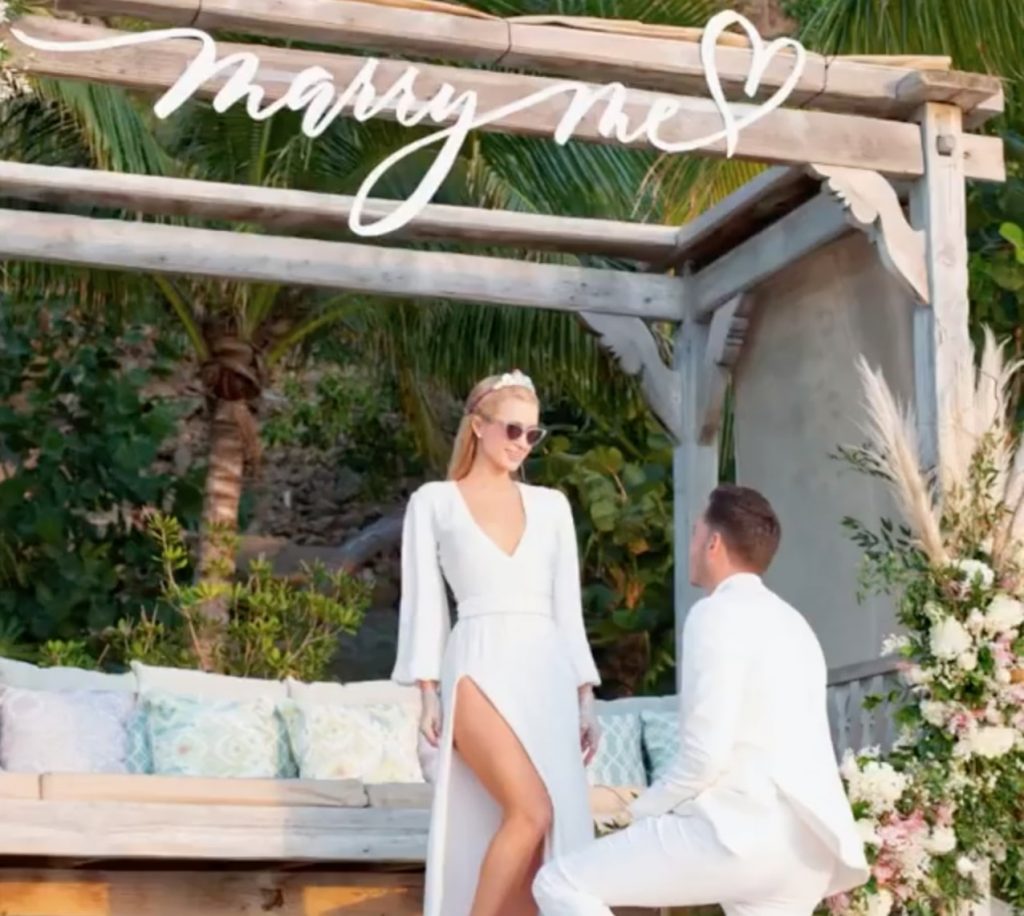
Paris Hilton is engaged! The socialite turned entrepreneur and DJ said yes to boyfriend Carter Reum on Saturday, February 13 after being together for over a year.
Reum popped the question while on a trip on a private island to celebrate Hilton’s 40th birthday on February 17.
Taking to social media, Hilton announced their exciting news with a sweet caption.
“When you find your soulmate, you don’t just know it. You feel it. My love & I have been together since our first date, and for my birthday, he arranged a special trip to tropical paradise. As we walked to dinner along the beach, Carter led us to a cabana adorned with flowers and dropped to one knee. I said yes, yes to forever. There’s no one I’d rather spend forever with.”
View this post on Instagram
Her engagement ring was designed by Jean Dousset, the great-grandson of Louis Cartier, reports PEOPLE Magazine.
After the proposal, the pair enjoyed an intimate celebration with family members, such as Hilton’s sister Nicky.
Hilton and Reum, a businessman and family friend, have been dating since November 2019. They have known each other for 15 years, and have been together for over a year.
“I’ve known him for 15 years. Then [Reum’s sister Halle Hammond] invited us to Thanksgiving and we just had this incredible chemistry. We had our first date and haven’t spent a night apart since. It’s pretty amazing,” she told People Magazine.
“After my last breakup, I thought I was going to be alone forever,” she says. “I was like, I give up. I’ll just focus on myself. I don’t need anyone. So to have actually fallen in love, I just feel so grateful.”
This is the starlet’s fourth engagement. Hilton was previously engaged to model Jason Shaw and Greek shipping heir Paris Latsis in the 2000s, and called off her engagement to actor Chris Zylka in 2018.
Picture: Instgram / Paris Hilton
There is more to an engagement ring that its stone. The type of metal you choose is just as crucial to your overall finish and durability. A classic…
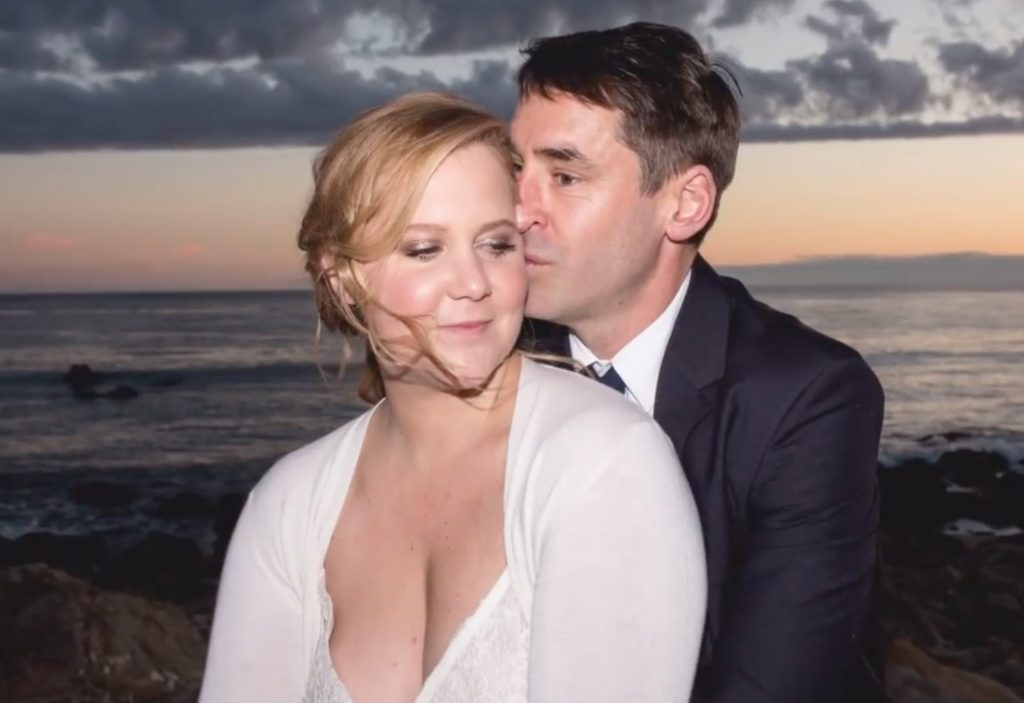
Comedian Amy Schumer is opening up and giving fans an inside look at her secret 2018 wedding to Chris Fischer in honour of their third wedding anniversary.
The pair tied the knot in a secret ceremony at a private mansion in Malibu on February 13, 2018.
Taking to Instagram, Schumer shared a video recapping moments from their special day. The video revealed that her bridesmaids wore pink lace gowns and flower crowns.
Watch her recap here:
View this post on Instagram
Schumer told Howard Stern that she had planned their impromptu wedding in a mere four days, and invited her guests via a text that read: “I’m getting married on Tuesday. I hope you can come.”
Celebrity pals Jennifer Aniton and Jennifer Lawrence were among the guests at this short notice soiree.
Schumer and award-winning chef Fischer met through her assistant Molly, who is Fischer’s sister. The pair welcomed their first child together, a son named Gene David, in May 2019.
Picture: Screenshot from video
For decades the rose has held the privileged position as the most romantic flower. As such, it’s rare to come across a wedding venue that hasn’t been decorated…
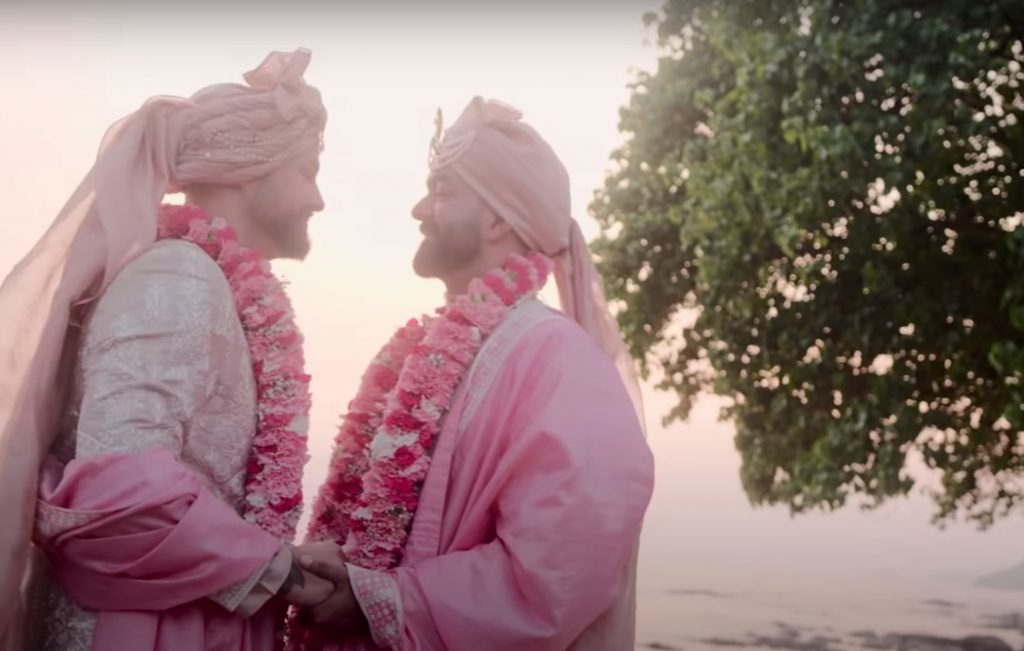
Netflix continues its foray into the wedding world and has just launched a new show delving into India’s extravagant multi-billion dollar wedding industry.
The Big Day follows six engaged couples as they plan their perfect day, showing readers what it takes to pull off a truly lavish Indian wedding with no expenses spared. Of course, readers will also learn more about Indian culture and tradition, and fall in love with the couples.
“A dash of crazy and an overdose of love, that’s what all shaadis are meant to be, right? The Big Day takes a deep dive into the multibillion-dollar Indian wedding industry, through six extravagant Indian weddings, across the globe. It takes us on an insider’s journey, giving us a glimpse into what goes behind crafting every happily ever after. Catch the madness unfold in The Big Day, on 14th February, only on Netflix,” the streaming service writes.
The first three episodes of Collection 1 premiered on Valentine’s Day, February 14, and another collection is expected soon.
Watch the trailer here:
The show comes off the success of shows like Love is Blind, Indian Matchmaking and Say ‘I Do’, all of which premiered in 2020 and were internationally lauded.
Picture: Screenshot from video