

Gauteng is a treasure trove of breathtaking wedding venues, offering diverse settings for every couple’s dream day—from verdant gardens and elegant estates to rustic countryside escapes. Here are some truly enchanting options to consider:
Shepstone Gardens – Johannesburg
Nestled in the heart of Jozi, this picturesque venue features lush gardens, a historic stone chapel, and a glass-roofed marquee. Ideal for sunset ceremonies that blend historic charm with nature’s beauty.

Morrells Boutique Estate – Northcliff
This elegant estate evokes Provençal romance with manicured gardens and fragrant lavender and olive groves, perfect for an intimate, luxurious wedding experience.

The Munro Boutique Hotel – Johannesburg
An urban gem offering panoramic views of Johannesburg’s green belt. Expect boutique-class sophistication, chic indoor spaces, and a lush poolside perfect for romantic receptions.

The Moon and Sixpence – Muldersdrift
A serene countryside venue featuring rustic gardens and a charming thatched-roof chapel—ideal for nature-loving couples seeking a tranquil, romantic setting.


Oakfield Farm – Muldersdrift
This award-winning venue combines rural charm with modern elegance. The glass-walled ceremony space surrounded by greenery creates a breathtaking, storybook wedding atmosphere.
Inimitable Wedding Venue – Muldersdrift
Stylishly contemporary, this venue offers riverside chapels and chic reception halls with striking glass and steel architecture, a modern luxury experience.


Memoire Wedding Venue – Muldersdrift
Surrounded by majestic willows and oaks, Memoire presents a refined and glamorous setting with delightfully designed chapels and reception spaces.

The Forest Walk Venue – Midrand
A magical woodland venue featuring a forest chapel and draped reception area—perfect for a fairytale, nature-inspired wedding.

Cradle Valley Venue – Cradle of Humankind
Rustic elegance meets heritage in this natural venue. Stone chapels and sweeping views of the surrounding reserve make this spot ideal for intimate, countryside celebrations.

Benedetto On Vaal – Vanderbijlpark
Nestled along the Vaal River, this picturesque venue combines rustic charm with contemporary comforts—complete with a chapel, garden island, and scenic garden photo corners.


Riverside Country Estate – Near Johannesburg
A waterside jewel with romantic gardens and willow trees. Choose from the intimate Willow Hall (40–120 guests) or the more grandiose Wisteria Hall for larger celebrations.

The Blades – Roodeplaat
Set against a peaceful dam, this versatile venue offers chapel, hall, and garden ceremony options. Fairy lights and waterfront views craft a magical, elegant atmosphere.

Real Couple Insights
Anecdotal recommendations from recently married couples add authenticity and a personal touch:
“Oakfield Farm in Muldersdrift has a semi-open chapel surrounded by massive trees… the reception hall has big windows looking out over a lovely garden. It was gorgeous.”
“Forest Walk Venue, honestly stunning, they have an outdoor glass chapel too.”
Gauteng’s wedding venues offer a rich tapestry of styles, from garden romance to urban luxury, rustic countryside to heritage estates. Whether your heart is set on verdant gardens, forest backdrops, architectural elegance, or water-side serenity, you’re sure to find a venue that makes your 2025 wedding unforgettable.
Featured Image: Riverside Country Estate
Featured Image Source: Teodor Kuduschiev on Unsplash Your honeymoon isn’t just a holiday. It’s the first chapter of your new shared story. While Paris has its romance and Bali its…
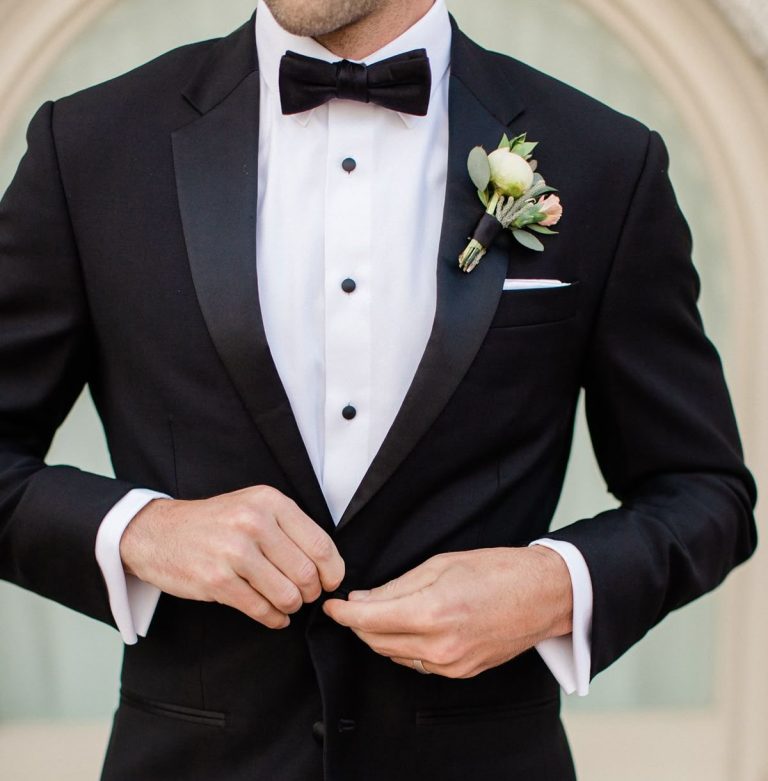
The Modern Groom’s Guide to Wedding Tuxedos
There’s something about a tuxedo that immediately sets the tone. Walk into a wedding in one, and it’s clear the day is not just s regular Saturday afternoon — it’s a once-in-a-lifetime celebration. Since the late 1800s, tuxedos have been linked with refinement, exclusivity, and glamour, from high-society events in London and New York to red carpets in Hollywood. Today, that same air of sophistication makes the tuxedo a go-to for weddings across the globe, including here in South Africa.
But tuxedos are not just about tradition. Like many things on the wedding scene, they’re evolving, offering grooms and wedding parties endless ways to stand out. Whether you’re considering a midnight-blue dinner jacket, a velvet lapel, or a crisp ivory look, there’s a tuxedo to fit every type of wedding vibe.
So here’s your guide on picking the right tuxedo:
Why a Tuxedo Still Matters
Modern weddings are increasingly personal, yet formality still holds its place. If your wedding invitation says black tie or black tie optional, a tuxedo isn’t just recommended — it’s expected. More importantly, it signals respect for the occasion and the couple.
Stylists put it best: a suit can look sharp, but a tuxedo tells a different story. It’s about ceremony, luxury, and making a memory that feels distinct from every other big night out. Even if you’re not the groom, showing up in a tuxedo when the dress code calls for it helps elevate the shared atmosphere of the special occassion.
Tuxedo vs. Suit: Spotting the Difference
The line between tuxedos and suits can feel blurry, especially as fashion gets more creative. Here are the signature differences:
-
Lapel Fabric: Tuxedos feature satin, silk, or grosgrain lapels. Suits use the same material throughout.
-
Buttons and Pants: Tuxedo buttons match the lapel fabric, while trousers may include a satin stripe down the side. Suits usually come with plain buttons and standard belt loops.
-
Belts vs. Suspenders: Tuxedo trousers don’t use belts — they’re built for suspenders or side adjusters.
-
Shirts: Suits pair with standard dress shirts, but tuxedos require wingtip, pleated, or tuxedo-specific shirts.
-
Accessories: Tuxedos traditionally call for bow ties, cufflinks, and formal shoes. Suits offer more flexibility.
Understanding these details helps grooms avoid walking into a wedding looking “underdressed” in a standard suit when the occasion calls for something more elevated.
 Image Sources: Pinterest
Breaking Down the Tuxedo: Key Elements
Lapels
Lapels aren’t just decorative — they define the formality of your look.
-
Shawl Lapel: Rounded and smooth, often associated with old-Hollywood glamour. Best for grooms who want to channel James Bond energy.
-
Peak Lapel: Angled sharply upwards, creating broader shoulders and a trimmer waistline. The most traditional black-tie choice.
-
Notch Lapel: The least formal, bridging the gap between a tuxedo and a business suit. Popular for modern weddings.
Shirt Collars
Tuxedo shirts come in distinctive collar styles:
-
Wingtip Collar: The most formal, designed to show off a bow tie.
-
Spread Collar: Modern, versatile, and flattering with both bow ties and slim neckties.
-
Cutaway Collar: A bold, fashion-forward choice, often styled with suits but creeping into tuxedo looks.
Bow Tie vs. Necktie
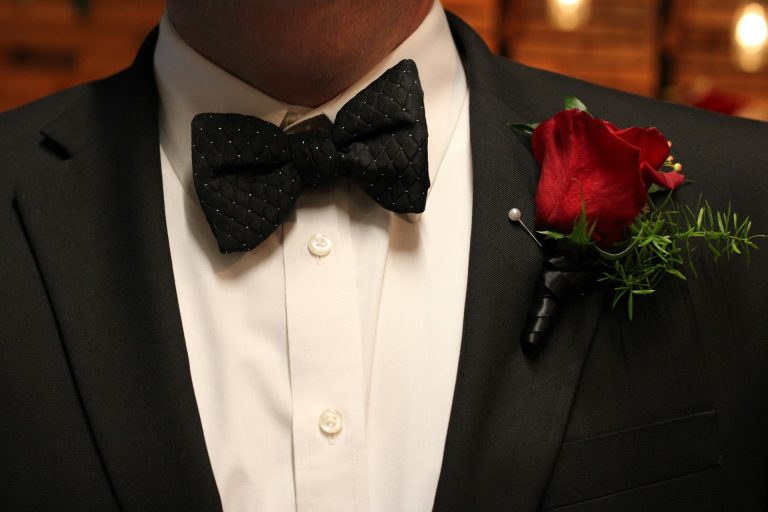
Traditionally, bow ties reign supreme. They feel polished and ceremonial. However, more grooms today are choosing slim silk neckties for a fresh twist. The rule of thumb: if you choose a necktie, it must be in a fabric and finish that matches the tuxedo’s elegance.
Colors and Fabrics
Black remains the king of tuxedos, but modern options go far beyond:
-
Midnight Blue: Favored for evening weddings — it looks richer than black under artificial lighting.
-
Ivory or White Dinner Jackets: Popular in warm climates or summer weddings, offering a striking alternative to black.
-
Velvet Jackets: Deep jewel tones like emerald, burgundy, or navy are trending for grooms who want personality with sophistication.
Tuxedos in South African Wedding Culture
South Africa’s diverse wedding scene has given the tuxedo new life. In Johannesburg, grooms often pair classic tuxedos with subtle African-inspired touches — think patterned bow ties, pocket squares in shweshwe fabric, or velvet jackets in earthy tones that echo local landscapes.
At wine estate weddings in Stellenbosch, midnight-blue tuxedos are a favorite, blending formality with a softer romantic tone. On the coast, ivory tuxedos or white dinner jackets feel more natural against a seaside backdrop.
Local tailors are also innovating, offering custom designs that mix old-world luxury with cultural pride. Instagram posts from South African grooms show everything from traditional black-tie looks to daring printed tuxedo jackets that still feel celebratory and refined.
Tips for Grooms, Groomsmen, and Guests
-
Grooms: Make sure your tuxedo complements your partner’s attire. If their look is dramatic, you can go bolder. If it’s minimalist, stick to classic elegance.
-
Groomsmen: Match the groom’s level of formality, but avoid drawing attention away from him. Subtle differences like tie style or pocket square color are fine.
-
Guests: If the invitation says black tie, don’t improvise with a dark suit. Respect the dress code — it’s part of celebrating the couple’s vision.
Tux vs Wedding Suits: The Choice is Up to You
A tuxedo is more than fabric and tailoring. It’s a visual way of saying, this is a day worth remembering. Whether you go traditional in black satin or break the rules with velvet and bold colors, the right tuxedo transforms the occasion and leaves a lasting impression.
For grooms, it’s not just about looking sharp — it’s about matching the moment. And in the world of weddings, that’s what style is truly about.
Featured Image Source: Temi Otedola on X When Afrobeats meets high fashion, the result is nothing short of spectacular. That’s exactly what fans witnessed as Nigerian music superstar…
Source: Photo by Emily Studer on Unsplash
Being asked to be someone’s best man is one of those phone calls (or these days, WhatsApp messages) you’ll never forget. It’s an honour, a responsibility, and let’s be honest, a little bit of pressure too.
Whether you’re the groom’s brother, his best mate, or a lifelong partner-in-crime, this role isn’t just about showing up in a fancy suit and giving a toast. You’re the groom’s right-hand man from the months leading up to the big day until the last dance at the reception.
So, what exactly does the job involve — and more importantly how do you get it right? If you’re feeling overwhelmed, don’t panic just yet, we’ve put together a great guide to help you. Let’s break it down:
Who Really Is the Best Man?
 Source:Photo by Carson Vara on Unsplash
Traditionally, the best man is the groom’s closest male confidant — often a brother or best friend. But times have changed. Some grooms appoint a sister, cousin, or even their father. In those cases, the role might be referred to as “best person.”
What hasn’t changed is the significance of the role. You’re there to guide, support, and sometimes rescue the groom when nerves, logistics, or unexpected hiccups appear.
In South Africa and many other places, the best man has also become something of a cultural figure — the one who rallies the groomsmen, plans the bachelor party, and makes sure the groom doesn’t arrive at the altar with mismatched socks (usually).
Pre-Wedding Duties That Matter:
Let’s get into the pre-wedding duties that require some of your attention:
Organize the Bachelor Party
 Source:Photo by Kats Weil on Unsplash
This is the part most people think of first, and yes, it’s on you. But don’t make it about what you want — consult the groom. Some gents may want a big night out, while others prefer a weekend golf trip. Others want a relaxed braai whilst the rugby or football is on with their closest friends.
Your job is to plan, coordinate, and make the bachelor party as memorable as possible without making it stressful. Don’t overthink it.
Suit Up and Show Up
 Source: Photo by Asdrubal luna on Unsplash
Helping the groom choose his attire — and making sure every groomsman has their suit fitted and ready — is a very important part of your role. In some cases, you might even be the one running around collecting cufflinks, ties, or emergency items on the morning of the wedding.
Lead the Groomsmen Gift Effort
 Source: Pinterest
It’s common for groomsmen to give the groom a thoughtful gift. The best man usually collects contributions and makes the purchase. Whether it’s a vintage bottle of whisky or a personalized keepsake, it might seem like a small gesture but could really mean a lot to the groom.
Be the Emotional Anchor
Weddings aren’t just logistics. They’re emotional, sometimes stressful, and often overwhelming for everyone involved. One of your most important roles as the best man is simply listening to the groom, offering reassurance, and reminding him that everything is going to be fine.
The Big Day: Your Time to Shine:
Here’s what your role entails on the big day:
Keep the Day on Schedule
Source: Pinterest
You’re the unofficial timekeeper. From getting the groomsmen dressed to making sure everyone gets to the ceremony on time, the groom will rely on you to keep things running smoothly, so try not to let him down.
Guard the Rings
 Source: Pinterest
This might be the most nerve-wracking responsibility: guarding the rings. And you – yes you, will hold onto them until the big moment arrives and the couple say “I do”. No pressure at all.
Witness the Marriage
Most couples need two witnesses to officiate their marriage, and the best man is usually one of them. Bring a pen, just in case.
Deliver the Toast

Source: Photo by Thomas William on Unsplash
This is where you’ll stand in front of everyone and tell stories, crack a few jokes, and most importantly, celebrate the couple. Your speech will need to balance humor with heartfelt sincerity. Whilst you may want to put a lot of emphasis on how wonderful your mate is, don’t forget to say something nice about the bride too.
Keep the Party Alive
 Photo by Wesley Tingey on Unsplash
From hitting the dance floor early to making sure the reception flows, the best man often acts as the groom’s social wingman. You might even need to step in as emcee if things go sideways — a little charm and humor go a long way in keeping things lively on the couple’s big day.
Handle the Details
Whether it’s collecting gifts, handing out vendor tips, or decorating the getaway car, you and the maid of honour will be the ones tying up loose ends so the couple can focus on enjoying their night. So try to work alongside her and not annoy her.
Why the Best Man Matters
In many cultures, the best man is more than just a role. He represents loyalty, friendship, and brotherhood. In South Africa, for instance, it’s not uncommon for best men to weave cultural traditions into their duties, whether that’s including family elders in the bachelor party plans or ensuring speeches are given in more than one language.
Social media is filled with clips of emotional best man speeches, hilarious bachelor party adventures, and touching moments where the groom’s nerves are calmed by his closest friend. It’s proof that this role carries weight, both on the wedding day and in the years of friendship leading up to it.
Are You Ready to Step Up?
If you’ve been chosen as best man, remember: you’re not just a supporting character. You’re a cornerstone of the wedding experience. From planning to partying, from calming nerves to delivering speeches, your presence shapes the groom’s journey into married life.
Do it with care, do it with humor, and do it with heart, and do it with love. Because, being a best man isn’t just a job, it’s a privilege.
Source: Pinterest There’s a moment every bride-to-be has—standing in front of the mirror with her dress hanging nearby, thinking, “Am I ready?” It’s not just about how the…

Planning your wedding in South Africa this year? Selecting the right beverages is crucial to complement your celebration. From elegant wines to refreshing cocktails, here’s a guide to help you choose the perfect drinks for your 2025 wedding.
Sparkling Wines: Cap Classique Leading the Way
Cap Classique, South Africa’s answer to Champagne, has seen a resurgence in popularity. Produced using the traditional méthode champenoise, these sparkling wines offer vibrant acidity and rich fruitiness. Notable producers include Graham Beck, Pieter Ferreira, and Krone, offering a range of styles from brut to rosé. Their affordability and quality make them a top choice for wedding toasts.
White Wines: Fresh and Food-Friendly Selections
For white wine enthusiasts, consider these popular South African varieties:
-
Chenin Blanc: Known for its versatility and food-pairing potential, offering flavors from crisp and dry to rich and honeyed.
-
Sauvignon Blanc: Offers zesty acidity with notes of citrus and tropical fruits, perfect for warm-weather weddings.
-
Chardonnay: From un-oaked styles with fresh fruit notes to oaked versions with buttery textures, catering to diverse palates.
These wines are widely available and pair well with a variety of dishes, making them ideal for wedding receptions.
Red Wines: Bold Choices for Evening Celebrations
Red wines can add depth to your wedding’s drink offerings:
-
Pinotage: A uniquely South African variety, offering flavors ranging from smoky to fruity.
-
Cabernet Sauvignon: Full-bodied with dark fruit flavors, suitable for evening receptions.
-
Cinsault: Emerging as a standout, known for its juiciness and light body, making it a versatile option for various dishes.
Signature Cocktails: Personalize Your Celebration
Adding a signature cocktail can give your wedding a unique touch:
-
Safari Sunset Sipper: A vibrant cocktail featuring Amarula, rooibos tea, marula fruit-infused vodka, and lime juice, capturing the essence of South Africa’s landscape.
-
Lavender Love Martini: A floral gin-based cocktail with lavender-infused syrup and lemon juice, offering an elegant touch to your celebration.
Collaborate with local mixologists to create a drink that reflects your personal style and wedding theme.
Non-Alcoholic Options: Inclusive and Refreshing
Ensure all guests are catered for with these non-alcoholic beverages:
-
Virgin Mojitos: A refreshing mix of mint, lime, and soda water.
-
Fruit Punches: A blend of tropical fruits, offering a sweet and tangy flavor.
-
Iced Teas: Flavored with herbs or fruits, providing a cool and refreshing option.
These drinks can be served alongside alcoholic options, ensuring inclusivity for all guests.
Tips for Serving Wines and Drinks at Your Wedding
-
Pre-Wedding Tasting: Organize a tasting session to select wines that match your menu and personal preferences.
-
Chill Wines Appropriately: Serve white wines and sparkling wines chilled, while red wines should be at room temperature.
-
Professional Service: Hire experienced bartenders and sommeliers to ensure proper service and presentation of drinks.
-
Themed Drink Stations: Consider setting up themed drink stations, such as a Cap Classique bar or a cocktail mixing station, to enhance guest experience.
Featured Image: