

Wedding Insurance: Covering Weather, Vendor Issues, and Unexpected Circumstances
Wedding insurance might not sound romantic at all. But in a country where a summer storm can roll in out of nowhere and load shedding can hit in the middle of your first dance, it’s a conversation worth having and more and more couples are covering themselves on all fronts.
What should you look out for? Is wedding insurance really neccessary. Stick around to find out as we’ll dive in to all the nitty gritty details about wedding insurance in South Africa.
Why Wedding Insurance Is Becoming a Talking Point
Weddings aren’t just love stories — they’re major investments. In South Africa, a full‑scale celebration can easily run into the hundreds of thousands of rand if budgets are left unchecked. And yet, many couples are relying purely on hope and crossed fingers to protect that investment.
From Cape Town to Johannesburg and beyond, social media is full of stories from couples blindsided by last‑minute disasters: a photographer who simply didn’t show, a caterer who closed down days before the reception, or a venue suddenly deemed unusable due to flooding. The list goes on…
Without wedding insurance, those non‑refundable deposits and frantic last‑minute suprises come straight out of your own pocket.
The Unpredictable South African Factor – The Weather…
South Africans know our weather likes to keep us guessing. Picture this: you’ve planned a picture‑perfect outdoor ceremony in the Winelands, only for the heavens to open in a freak midsummer thunderstorm. Or you’ve booked a beachfront ceremony in Durban, and a sudden cold front brings gale‑force winds.
Even indoor weddings aren’t immune to Murphy’s law. Power cuts during peak load shedding can disrupt lighting, sound systems and catering. On the other hand, heavy rain or wind can delay guests, vendors or even your arrival and throw the rest of the wedding progamme out completely.
What Wedding Insurance Actually Covers
Wedding insurance generally comes in two main types:
-
Cancellation or Postponement Cover
This type of cover protects you financially if you need to cancel or delay your wedding due to illness, extreme weather, vendor collapse or other unforeseen events. -
Liability Cover
This covers property damage or injury claims that may arise during your wedding. Many South African venues now require couples to have liability insurance before confirming a booking.
Some policies also cover lost or stolen wedding attire, damaged décor, vendor no‑shows, and even unexpected travel disruptions for destination weddings. You’ll need to read through everything carefully to know exactly what you’re covered for just incase anything happens and also so that there’s no misunderstandings.
Local Couples Share Their Take
In wedding planning forums, there’s a clear divide. Some say the peace of mind is priceless. One Joburg bride wrote: “Our DJ’s car broke down on the way to our wedding in Magaliesburg. The insurance paid for a last‑minute replacement — we didn’t miss a beat.”
Others see it as unnecessary. A Cape Town groom commented: “We had a small backyard wedding. We didn’t think it was worth the extra cost. But if we’d been at a big venue, I’d have reconsidered.”
Questions to Ask Before You Buy
If you’re considering wedding insurance, don’t just tick a box — make sure it suits your wedding. Ask:
-
What specific risks does it cover?
-
Does it include outdoor or destination weddings?
-
What are the payout limits and excess fees?
-
Does it cover all your vendors, including subcontractors?
-
How fast are claims processed?
So, Is It Worth It?
If your wedding budget represents a significant portion of your savings, or if you’re planning an elaborate event with multiple vendors and moving parts, the answer often leans toward yes. It’s not about expecting disaster, but about protecting your once‑in‑a‑lifetime celebration from forces beyond your control.
In South Africa, where the weather can change in an instant and service providers may face sudden challenges, wedding insurance can be the safety net that keeps your big day intact — or at least ensures you can bounce back quickly if something goes wrong.
The Bottom Line:
You’ll never regret having wedding insurance if you need it. And if you don’t? Well, that’s the best‑case scenario — and a small price to pay for peace of mind.
Gone are the days when weddings in South Africa meant hundreds of guests and sprawling venues. In 2025, many couples are reshaping their expectations, prioritising intimacy, authenticity, and…
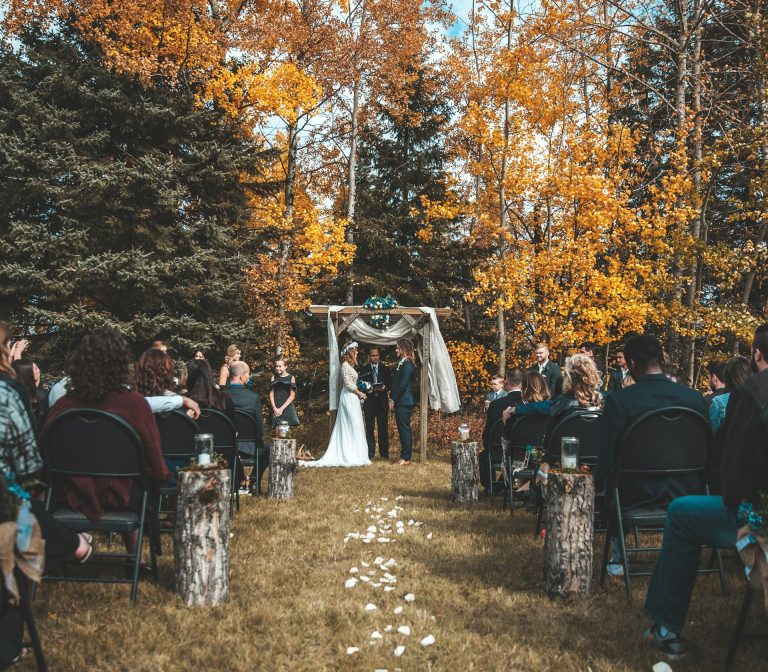
Photo by Redd Francisco on Unsplash
Wedding planning is exciting and South African couples are finding themselves enchanted by autumn. And for good reason. Between March and May, the country transforms into a painter’s palette of golden leaves, gentle breezes and soft, romantic light. For brides and grooms-to-be, it’s a season that offers charm without the sweltering heat of summer or the chill of winter.
But here’s the catch — word is out. With everyone hoping to take advantage of cooler temperatures, lower prices and shoulder season, Venues and photographers are already reporting a spike in 2026 autumn wedding bookings, with some prime dates disappearing faster than you can say “I do”.
With bookings filling up fast, you might feel a slightly overwhelmed planning your autumn wedding. Fear not though. We’ll guide you through every you need to know to sucessfully plan your whimsical autumn wedding.
The Romance of Autumn

Photo by Matthew Buchanan on Unsplash
Ask any couple who tied the knot in autumn and they’ll tell you — there’s something almost cinematic about it. The air is cooler but not cold, the sunlight takes on a dreamy golden hue, and the colours of the landscape seem made for wedding photos.
This is the kind of atmosphere that has made March to May the “it” season for South African weddings. From Stellenbosch wine farms to Mpumalanga’s highland lodges, autumn offers settings that feel straight out of a fairytale.
Why 2026 Autumn Dates are Going Fast
Traditionally, summer has been South Africa’s most popular wedding season. But in recent years, autumn has surged in popularity. The reasons are clear:
Perfect Weather Balance:
Let’s face it, no one wants to be sweating like mad in summer or freezing to death in winter on your wedding day. Autumn offers strikes the perfect balance between the two. Milder than summer, but warmer than winter, you can’t really go wrong.
Golden Hour Photography:

Photo by Ezra Jeffrey-Comeau on Unsplash
Everyone knows that golden hour is the best time to take photos. But what many people don’t know is that there’s a big difference between golden hour during summer and autumn.
Golden hour during summers brings about bright, warm rays that give you an instant glow and can take any picture from average to drop dead gorgeous. The downside is that there’s a limited time period to get those perfect golden hour photos.
Autumn’s golden hour on the other hand brings about unique opportunities. Autumn sunsets have a special softness, ideal for capturing portraits and landscapes. Lower shadows and rich colours create deeper contrasting back drops that are bound to leave anyone breathless once they see you’re wedding album.
Seasonal Menus:

Photo by Jennifer Schmidt on Unsplash
Having your wedding in Autumn presents you with a unique opportunity to play around with a seasonal menu. With slightly cooler temperatures creeping in, you can’t go wrong with some hearty comfort food.
Think rich butternut soup, roasted seasonal veg, and hearty main dishes. And for dessert, who doesn’t love a good malva or sticky toffee pudding?
Unique Seasonal Decorations:
 Photo by Nicole Geri on Unsplash
One of the best things about having an Autumn wedding is the opportunity incorporate some of the seasons natural beauty into your wedding decor. A mix of red, oranges, yellows, and browns can create an extraordinary visual experience for you and your guests.
Cost Savings (Sometimes):
Shoulder seasons, usually mean fewer tourist crowds. This could mean better rates for venues and vendors. But, with shoulder season tourism beginning to take off, it’s best to not leave things too late so be sure to book your venue and everything else well in advance.
The Ups and Downs of Planning an Autumn Wedding
While we might have convinced you thus far to move your wedding date to Autumn, it’s worth remembering that the season comes with its own set of quirks:
Weather Can be Unpredictable:
Bad weather on your wedding day is pretty much everyone’s worst fear. In places like Cape Town where you can experience all four seasons in one day, having a back up plan in case the weather acts up – is crucial. So try and select an indoor venue, or a venue with a covered area.
Shorter Days:
As the sun starts setting earlier, this could potentially be a game changer during the planning stages of your wedding. Shorter day means that you’ll need to be strategic about ceremony times and
Public Holidays:
While you and your guests might not need to put in leave for your wedding day, public holidays can pose a problem. Easter, Freedom Day and other long weekends can affect guest and venue availability and travel costs. So, if you are planning on having your wedding on a public holiday, be sure to keep this in mind and book early.
An Autumn Wedding – Is it Worth it?
Autumn is a special time of the year. While the weather and other factors might play a big role in your decision to have your wedding in autumn or not, don’t write Autumn off completely.
With careful planning and contingency plans in place, Autumn might just be the season for your dream wedding. Many couples say the trade-off is worth it for the romantic atmosphere alone.
A Guide for Meaningful, Memorable, and Modern Wedding Gifts As we dive into 2025, wedding gifts are evolving beyond conventional registry items. Today’s couples prioritize meaning, sustainability, and…
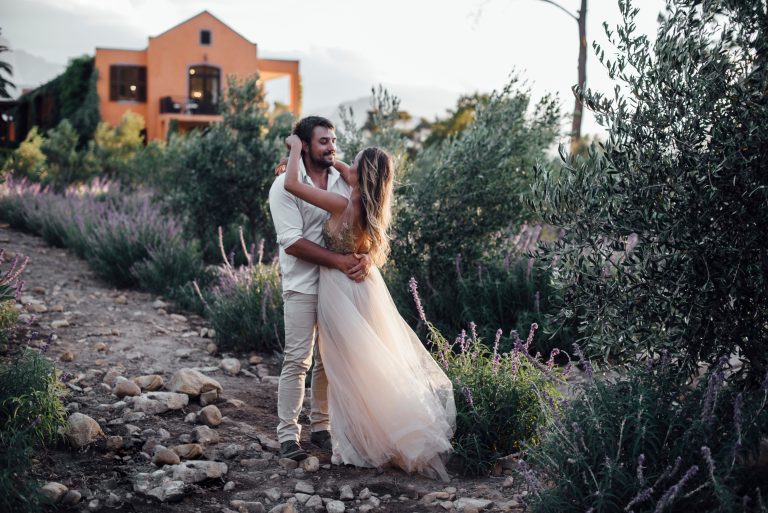
Skip the red-eye to Europe, discover world‑class romance just a few hours by road, rail or internal flight.
Why Think Locally for Your 2025 Honeymoon?
-
Save time & money: No jet-lag or international travel hiccups, fly JNB–Skukuza or CT–PLZ in under 90 minutes.
-
Huge bang for your buck: Most international resorts cost 2–3× more than comparable South African lodges (USD ≈ ZAR14–18).
-
Supporting local tourism: In 2025, South African tourism reached 8.92 million arrivals and contributed ~3.3% to GDP. Honeymoon tourism alone generated over USD 2.1 billion in 2024.
Often ignored by newlyweds, these understated local gems deliver luxury, seclusion, and unforgettable scenery—without breaking the bank.
Destinations & Luxury Venues – 2025 Packages + Rates
1. Kruger & Sabi Sands – Safari Opulence Close to Home
Singita Lebombo Lodge (Kruger)

-
Rates per person per night in 2025: ZAR 49 205–57 590 during May–Aug and festive season, with slightly lower shoulder‑season rates from September to April (e.g. ZAR 53 630 in Oct).
-
Inclusive of all meals, beverages (premium), twice‑daily game drives, walking safaris, and return transfers from Satara airstrip.
-
Honeymooners benefit from the 4‑night stay promo: 50% off the lowest‑rate night when booking 4 consecutive nights between January and December 2025.
-
Suites offer romantic star‑gazing decks, glass walls and sweeping wilderness views.
Lion Sands Ivory Lodge (Sabi Sands Private Reserve)

-
Fully Inclusive Plus rates per person in 2025: ZAR 45 990 (low seasons) to ZAR 48 670 (winter & festive).
-
Honeymoon special: stay three nights, and one partner receives 50% off on accommodation (valid for one year post-wedding), offer extends into 2026 africaa-z.travel.
-
Additional highlight: one-night skybed treehouse sleep-out above the Sand River, nature, luxury, and absolute privacy.
Why choose it: Destination safari certified with malaria awareness, highly exclusive, and world-beating wildlife. Expect rates from ~R49 000 to R55 000, most honeymoon packages include private butlers and chefs.
Cape Winelands – Love in the Vineyards
La Residence (Franschhoek)

-
From USD 566 (~ZAR 10 500–12 500 per person sharing per night), based on early 2025 pricing Chalo Africa.
-
Flanked by vineyards and plum orchards, suites open onto panoramic mountain views; meals, gourmet picnic options, spa & wine list available on request.
-
Perfect for vineyard‑hopping by day and rose‑petal turning‑down by night.
Mont Rochelle Hotel & Vineyard (Richard Branson)

-
Shiraz Rooms: ZAR 7 765–15 975 p/room/night in 2025 (depending on season).
-
Cap Classique Suite (private plunge pool): ZAR 23 065–35 775 p/unit/night.
-
Rates include daily breakfast, house wine tasting, minibar, and transfers between town and hotel.
-
On-site MIKO restaurant, spa, South African regional cuisine.
-
Budget‑vs‑beauty flexibility, many honeymooners manage vineyard luxury within R15–18k budget.
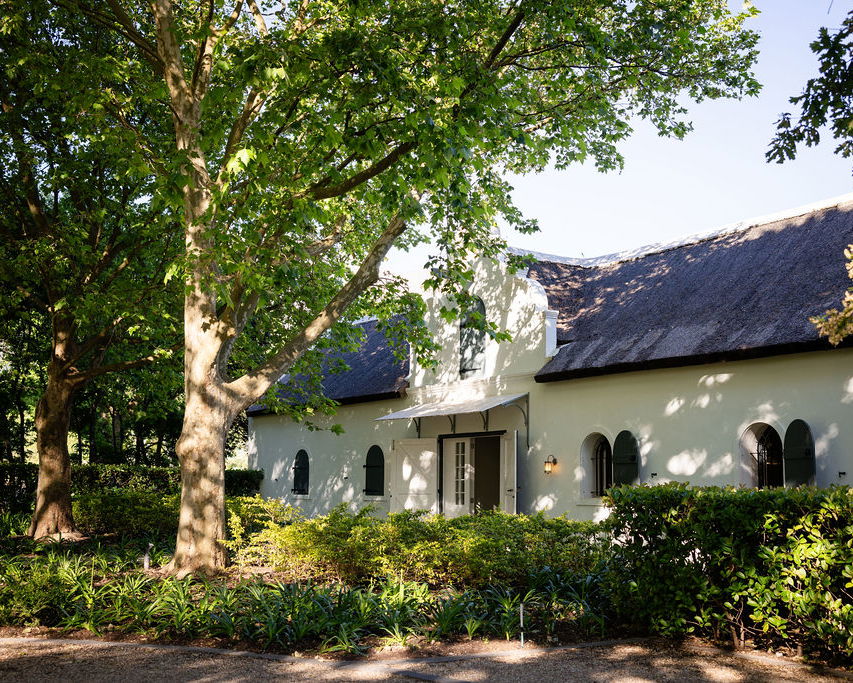
Grande Provence Wine Estate (Franschhoek)
-
Off‑season B&B rates (May–August 2025) start at ~R7 200/unit/night; peak season (Sept–Dec) rise to ~R10 500+.
-
Owned cottage, vineyard suites, and five-star dining, couples love the art collections, sculpture gardens, and boutique serenity.
Why choose it: European‑style wine estates within one driving hour of Cape Town; honeymooners get walk-in winery tastings, private terraces, first‑class restaurants and the famed vineyard Wine Tram lines (Orange & Blue Line include Babylonstoren, Boschendal, Grande Provence etc.) Grande Provence.
Garden Route – Forest Canopies & Wild Coastlines
Tsala Treetop Lodge (Plettenberg Bay)

-
Treetop Suites: ZAR 15 800 p/unit/night (May–Aug 2025); ZAR 19 700 p/unit/night Sep–Dec tsala.hunterhotels.com.
-
Villas: R19 600–25 700 depending on season.
-
Each suite/villa features a private rim-flow infinity plunge pool, forest decking, glass walls, and in-room spa options.
-
Activities: hikes to Robberg Nature Reserve, boat‑based whale & dolphin tours, wine cellars, forest bird sanctuaries.
-
A truly dreamy hideaway just minutes from beaches and forests.
Why choose it: A sensory escape with architecture in the treetops; ideal for couples who want lush, peaceful luxury in coastal nature.
KwaZulu‑Natal Coast – Indian Ocean Romance on the Beach
The Oyster Box (Umhlanga, Durban)

-
Bronze‑tier honeymoon packages start at R5 587 per night (2‑night offer) and go up to R11 976 per night for beach‑facing rooms with breakfast, welcome drink, spa credit & transfers (valid June–October 2025) thetravelfundi.co.za.
-
Offers include oysters & sparkling wine breakfasts, romantic turndown, and access to the iconic lighthouse views.
-
Rooms with sea‑views, exquisite colonial décor with modern spa and pool facilities.
Why choose it: Oceanfront luxury, warm Indian Ocean breezes, sunrise strolls, and easy access to Durban’s beaches and cultural hubs without the foreign travel.
Why a Local Honeymoon Makes Sense – 2025 Trends
-
186% of Cape Town–Kruger honeymoon flights are internal, not overseas, making logistics simple if you pick Kruger or Cape departs.
-
Honeymoon market revenue projected at USD 3.07 billion by 2030 (6.7% CAGR from 2025) grandviewresearch.com.
-
Bookings for Cape Town vineyard stays during harvest (Feb–Mar) are over 90% capacity by November, don’t delay.
-
Many SA properties now offer flexible last-minute date changes, eco‑friendly experiences (Fair‑Trade Tourism, local SPAs) and in-country flight credits due to 2025 travel volatility lessons.
Planning Guide – Getting the Most from Your SA Honeymoon
| Consideration | Smart tips |
|---|---|
| Best seasons | Kruger/Sabi Sands: May–Sept (dry, quieter); Winelands: Oct–Nov or Feb–Apr (harvest season and mild weather); Garden Route: Sept–Nov is whale/dolphin season. |
| Book early | Safari & mountain‑view suites fill 9–12 months ahead. Wine estates lock in honeymoon packages mid‑March for 2026 dates. |
| Transfers | Internal flights (e.g., JNB–Skukuza, CPT–PLZ) < 1 hour. Garden Route via N2 for scenic drives; pre‑book car hire. |
| Health & safety | Consult travel clinic for malaria prophylaxis (Kruger). Carry insurance with bush‑medical evacuation cover; some road transfers remote. |
| On‑site services | Use in-lodge spa credits (e.g. Oyster Box); private game vehicles (Lion Sands); wine tasting credits (Grande Provence/Mont Rochelle). |
| Attire & décor | Light fabrics for bush sun and dinners. Sunset light and wind in Kruger gardening, ask for neutral (white/cream) fabrics/décor for photos. |
| Budget shaping | Singita & Lion Sands ~R50k for all‑inclusive; Winelands mid‑range ~R10-20K B&B; Tsala ~R16-20 k B&B. Most honeymooners average ~R3,000-4,000 USD per person per week excluding flights. |
Real Couples On Their South African Honeymoon
“We spent a month in South Africa… Excluding international flights, we spent $3,500 per person for accommodation, food, activities. It was honestly the best decision we could’ve made.”
— Reddit honeymooner, traveled CT-Kruger-Garden Route, December 2024
“I suggest the Delaire Graff Estates. Amazing winery and restaurants. You could also stay on Babylonstoren.”
— Travel advisor comment recommending Franschhoek gems on honeymoon forums, March 2025.
These stories reinforce truth: lesser-known South African venues can eclipse overseas destinations in romance and value.
Luxury doesn’t have to mean long-haul flights or exotic currencies. South Africa in 2025 offers:
-
Safari intimacy: Singita, Lion Sands, and emerging reserve eco‑bush escapes.
-
Vineyard indulgence: La Residence, Mont Rochelle, and Grande Provence deliver top‑tier romance.
-
Coastal and forest grandeur: From shimmering Indian Ocean vistas at Oyster Box to tree‑top enchantment at Tsala.
If you value authenticity, avoid stress, and want your honeymoon to be a memory etched, not edited, book local luxury now.
Featured Image: Pixels
Love Meets Local Craft in 2025 In 2025, engagement rings are no longer just about sparkle, they’re about substance. South African couples are reimagining what it means to…

Why Written Contracts Are Essential
In South Africa, verbal agreements are rarely enforceable, you need written contracts for clarity and legal recourse. Whether it’s your venue, caterer, photographer, or DJ, any paid vendor should provide a detailed contract. If they don’t, ask for one, no matter how informal or small the service, because a signature agreement helps everyone stay accountable. (pagelschulenburg.co.za) (poplaw.co.za)
Legal Foundations: South African Contract Law
South African contracts are governed by principles ensuring consensus ad idem (mutual agreement), capacity, legality, certain terms, and lawful obligations. If any of these are missing, say the scope is vague or a party was coerced—the contract could be voidable or unenforceable. This underscores the need for crystal‑clear, fair and mutually understood agreements with your vendors.
Key Clauses Every Vendor Contract Should Include
Here’s a checklist to keep your contracts watertight:
● Scope of Services
Spell out exactly what you’re paying for: how many hours the vendor works, guest cover for catering, number of edited photos, etc. Clear scope = fewer misunderstandings.
● Payment Terms
Your contract should state deposit amounts, payment milestones, due dates, and refund rules. Avoid unfair penalty clauses that could negate your right to cancel, which the Consumer Protection Act prohibits nvraw.co.za.
● Cancellation & Postponement Policy
Under the CPA, consumers have a right to cancel fixed‑term agreements with 20 business days’ notice and only a reasonable cancellation charge, not a punitive penalty ( vandeventersla). If a vendor fails to deliver services when and where agreed, you may cancel without penalty and reclaim payment (with interest) (The National Consumer Commission.)
● Force Majeure
Include events outside your control, like load‑shedding, civil unrest, or weather as valid grounds for postponement without breach.
● Performance Timeline
When will you receive your wedding photo album or video? Define delivery deadlines in the contract so expectations are formal.
● Liability & Insurance
Ensure vendors carry insurance for property damage, injury, or equipment loss. Liability limits should be fair, not unlimited waiver clauses (which the CPA might regard as unfair) (avianto.co.za)
● Dispute Resolution
Most couples prefer mediation or arbitration. Avoid hidden clauses that require international arbitration or unreasonable legal forums.
Flagging Red Flags: What to Avoid
Keep an eye out for these red flags:
-
Terms like “TBD”, “depending on availability”, or vague wording
-
No provision for refunds or cancellation
-
Oral guarantees not confirmed in writing
-
Surprise fees e.g. overtime, travel, hidden service costs
-
Liability waivers that try to exempt the vendor from all obligations, even in the event of negligence
Be bold, ask vendors to edit or clarify contract language before you sign.
Statutory Protections Under South African Law
Consumer Protection Act (CPA)
The CPA mandates fair, transparent terms, and prohibits unfair penalties and banned clauses (Section 51) such as waivers of statutory rights (ashersons.co.za). If a vendor cancels or fails to perform as contracted, you’re entitled to reimbursement or remedy.
POPIA (Privacy Law)
Photographers and videographers must comply with the Protection of Personal Information Act, especially if they intend to publish your wedding photos for marketing. Be sure to include explicit consent clauses around use and distribution of your personal data and images.
Practical Tips to Stay in Control
-
Always keep copies of all contracts, emails, quotes and receipts in a dedicated folder or digital tracker.
-
After verbal conversations, send an email summary and ask the vendor to confirm in writing.
-
If any clause feels unfair, especially around cancellation, liability, or usage rights, negotiate it or seek legal advice.
-
For larger budgets, consider hiring a wedding planner or a lawyer to review major contracts.
South African‑Specific Considerations in 2025
-
Load-shedding: Confirm whether the vendor provides backup power (e.g., generator) or services will be affected.
-
Liquor Licenses: If you’re hosting a venue that requires a license, ensure your vendor handles permits and compliance.
-
Cultural & Traditional Ceremonies: Ensure your vendors understand and accommodate your customs—this should be explicitly included in the contract.
Expert Tip:
“Contracts are about more than money, they’re about memory. If it’s not in writing, it doesn’t exist in law.”
– SA wedding planner
“I always tell couples, if it’s not in writing, it doesn’t count. Contracts are not just about protecting your money, but your memories.”
– Zanele Moyo, Johannesburg-based wedding planner
Wrapping Up: Protect Your Wedding Day with a Solid Contract
Even amidst the romance, a wedding is a formal business transaction. A strong contract protects your vision, your budget, and your rights. As you finalize your vendor lineup, focus on clarity, fairness, and documentation and never settle for verbal promises alone.
Featured Image: Pixels