• Category

    Rings

    Category

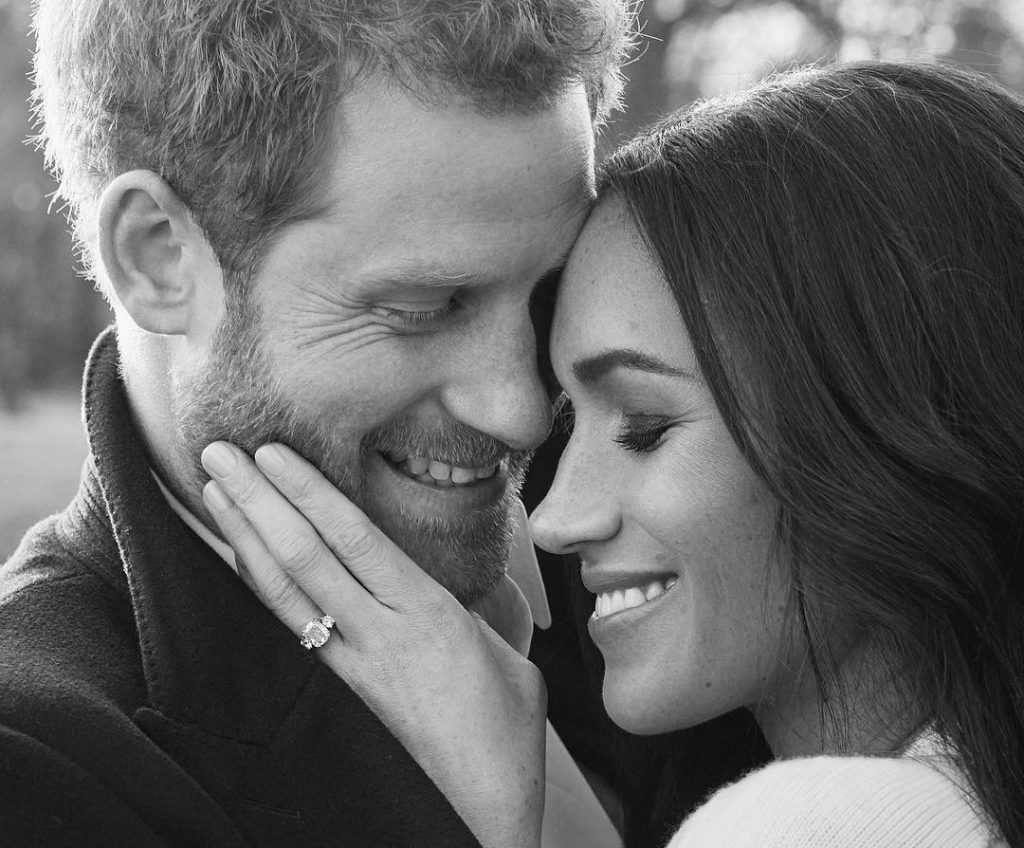
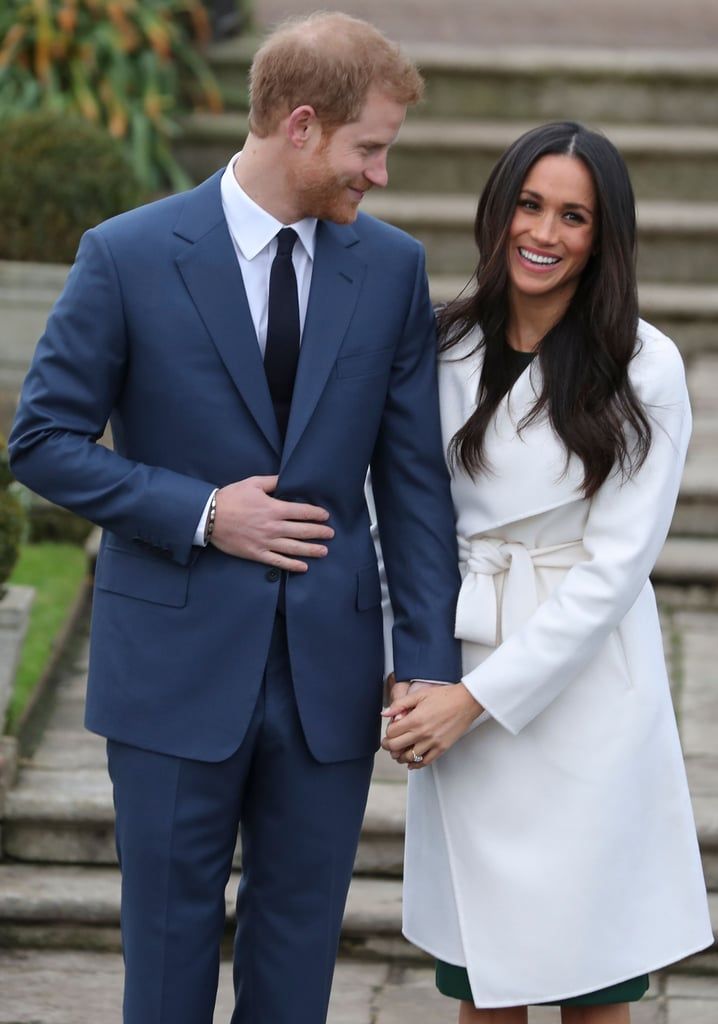
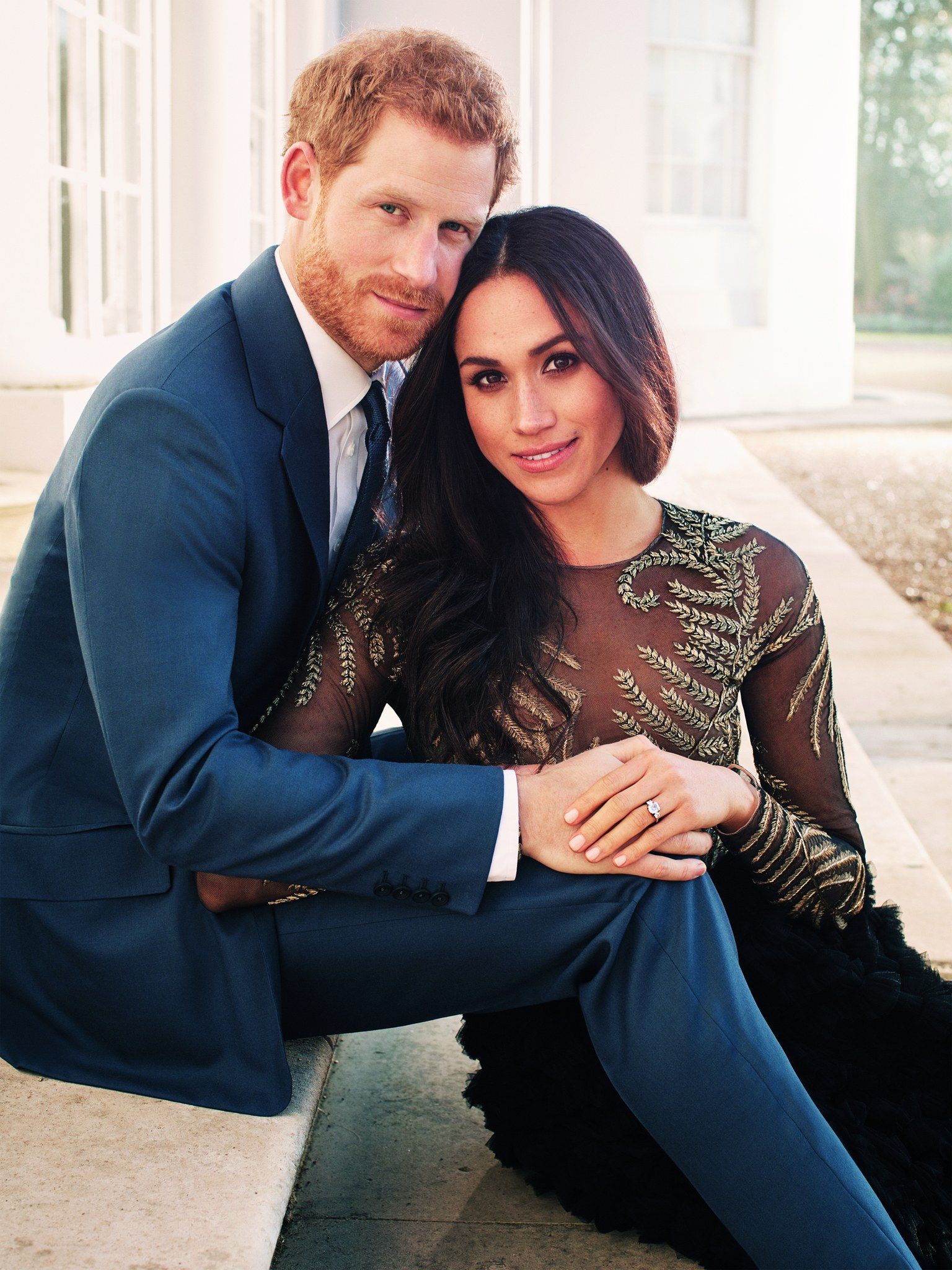
    Actress Megan Markle shocked the world when she announced her engagement to Prince Harry. The style icon opted for an unusal ring design that stands in stark contrast to sister-in-law Kate Middleton’s sapphire sparkler.

    The couple announced their engagement at the Sunken Gardens of Kensington Palace on November 27, 2017, about a year after they went public with their relationship.

    Wearing a white overcoat and nude heels, the actress went understated with her outfit to allow the focus to be on her engagement ring. The design did not disappoint.

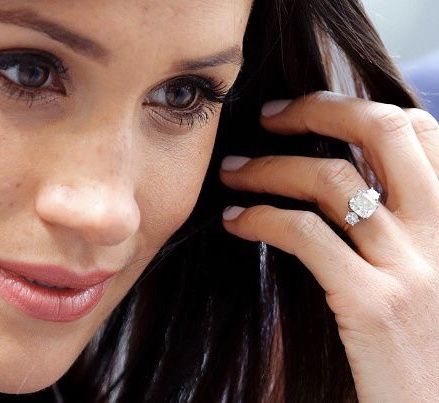
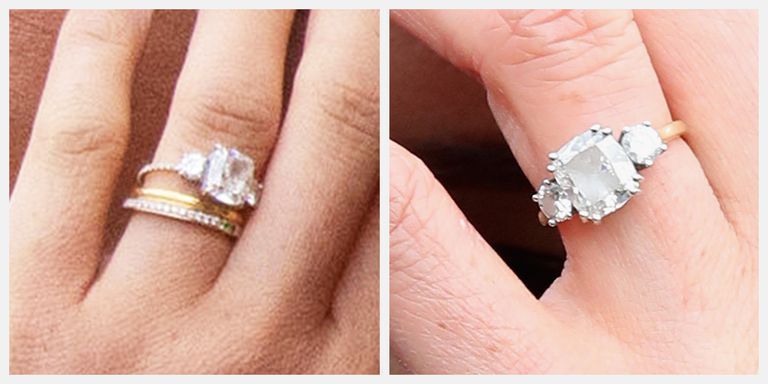
    Decorating her ring finger was a three-stone stunner, set on a gold band featuring a cushion-cut centre diamond from Botswana, a country close to Prince Harry’s heart.  Surrounding the centre stone are two round diamonds that once belonged to his mother, the late Princess Diana. The ring was made by royal jeweler Cleave and Company.

    Come wedding day, the Duchess of Sessex was presented with her wedding ring, an elegant yellow gold band. The ring was a gift from Queen Elizabeth and, following tradition, was made from rare Welsh gold.

    Queen Elizabeth I, Queen Elizabeth II, Princess Margaret, Princess Anne, and Princess Diana’s wedding rings were all fashioned from the same nugget of Welsh gold which came from a Welsh mine, Clogau St David’s at Bontddu. This gold is more valuable than gold from Australia or South Africa.

    While there is only a sliver of the original gold left over, the Queen owns a large nugget of 21 carat Welsh gold which is held by the Crown Jewellers to be used for the royal wedding rings of today. Sarah, Duchess of York, Duchess Kate, and Duchess Meghan Markle all sport wedding bands made from this nugget.

    Markle’s marvelous ring underwent a redesign during her pregnancy. Celebrity jeweler Lorraine Schwartz resized and reset the ring to replace the gold band with a thin, yellow gold band set with micro-pavè diamonds.

    After son Archie was born, Prince Harry gifted Megan with an eternity ring designed by Lorraine Schwartz. It features a channel setting with gold trim flanking each side of the ring. In another sweet addition, the birthstones of the young family (peridot, emerald, and sapphire) are inlaid on the underside of the ring.

    Picture: Instagram / Sussex Royals

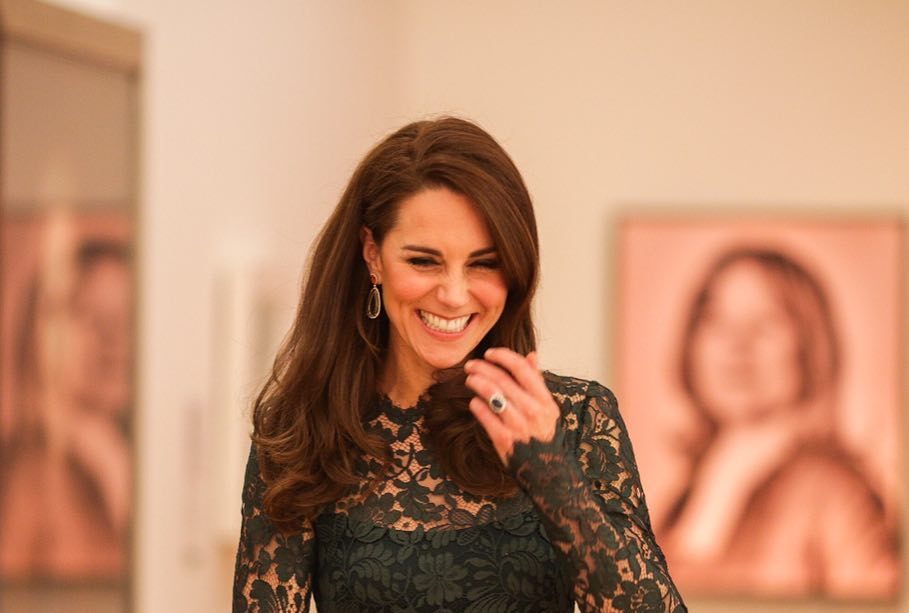
    Kate Middleton became the world’s envy on November 16, 2010 when Clarence House announced that she and Prince William were engaged to be wed. Besides the obvious excitement of a royal wedding, fans could not get over her unique sapphire engagement ring that carries a sweet story.

    The world’s most famous blue sapphire ring once belonged to Prince William’s mother, Princess Diana. Here are some facts about this deeply personal ring.


    View this post on Instagram


    A post shared by The Royal Ladies (@theroyalladies__) on


    Prince Charles first proposed to Princess Diana with a selection of rings from crown jeweller Garrard, and she chose the blue sapphire. At the time, it caused a scandal and many called her decision to go with a ready-made ring ‘common’.

    Upon Charles and Diana’s divorce, she returned the ring to her ex-husband and it remained in storage in Kensington Palace. After her untimely passing in 1997, however, sons William and Harry were allowed to choose mementoes to remember her by. Harry chose the engagement ring while William picked a gold Cartier watch.

    When William was really to propose, the brothers agreed to exchange mementoes so that he could do so with their mother’s ring. He chose this ring to be symbolic of his mother being a part of her wedding and marriage in general.

    The ring consists of a 12-carat oval blue sapphire cut into facets, which is surrounded by fourteen solitaire diamonds. The setting is crafted from 18K white gold.


    View this post on Instagram


    A post shared by ?Kate Middleton Jewels ??? (@katemiddletonjewels) on

    Immediately after their engagement announcement, sapphire engagement rings sales went through the roof and jewellers rushed to supply customers with this trendy item.

    Her wedding band was fashioned from a piece of Welsh gold that was given to Prince William by The Queen shortly after the engagement was announced.


    View this post on Instagram


    A post shared by Duke and Duchess of Cambridge (@kensingtonroyal) on

    Picture: Instagram / Kengington Royal

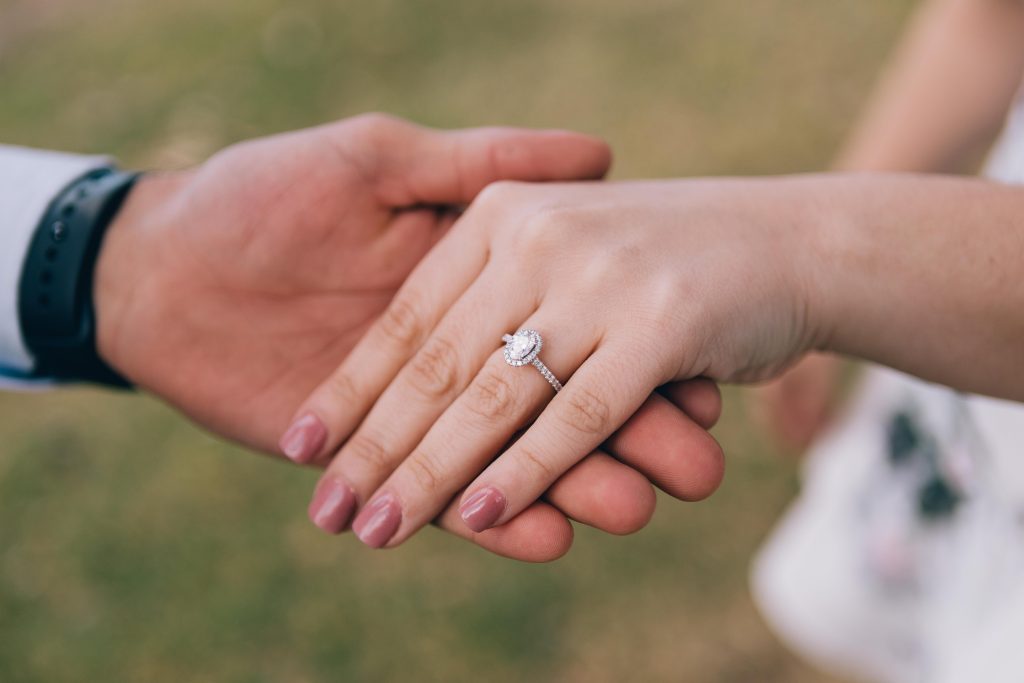
    With its angelic look, it’s easy to see why the halo setting is one of the most sought-after engagement ring styles. Classic yet glamorous, it flatters anyone who wears it.

    Halo engagement rings are versatile and easily customisable, perfect for the bride who wants to add a personal touch to their jewelry.


    View this post on Instagram


    A post shared by Engagement Rings Vancouver (@luxurydiamondsvancouver) on

    The halo setting features a central diamond encircled by smaller, typically pavé or micro pavé set accent diamonds. With all the smaller diamonds, it adds a stunning flashing look that draws attention to the centre diamond.

    The setting can be the same shape as the centre stone or a different one entirely like a cushion cut halo around a round diamond. However, symmetry is often the best option.

    Halo settings can easily be personalised with different diamond shapes, metals, and setting styles for the accent diamonds.


    View this post on Instagram


    A post shared by Kristin Coffin Jewelry (@kristincoffinjewelry) on

    An advantage of this setting is that it makes the centre diamond appear larger. It’s dazzling setting also helps enhance the appearance of a slightly flawed centre diamond.

    The halo also helps hide the prongs that hold the centre stone in place, which is a plus for those that don’t like the look of prongs.

    Another benefit is that the smaller pavé diamonds are often less expensive than purchasing one diamond of the same weight.


    View this post on Instagram


    A post shared by ?? ?????????? (@royfcollection) on

    On the other hand, however, wedding bands only work with some halo setting engagement rings so you will have to plan ahead. You would ideally need to have your wedding band made to fit around or under the engagement ring, otherwise, you run the risk of them rubbing against one another and wearing away over time.


    View this post on Instagram


    A post shared by Queensmith Master Jewellers (@queensmiths) on

    Picture: Pexels

    A setting can make of break your engagement ring, so it is important to choose one wisely. One of the most popular choices in the wedding world is the prong setting.

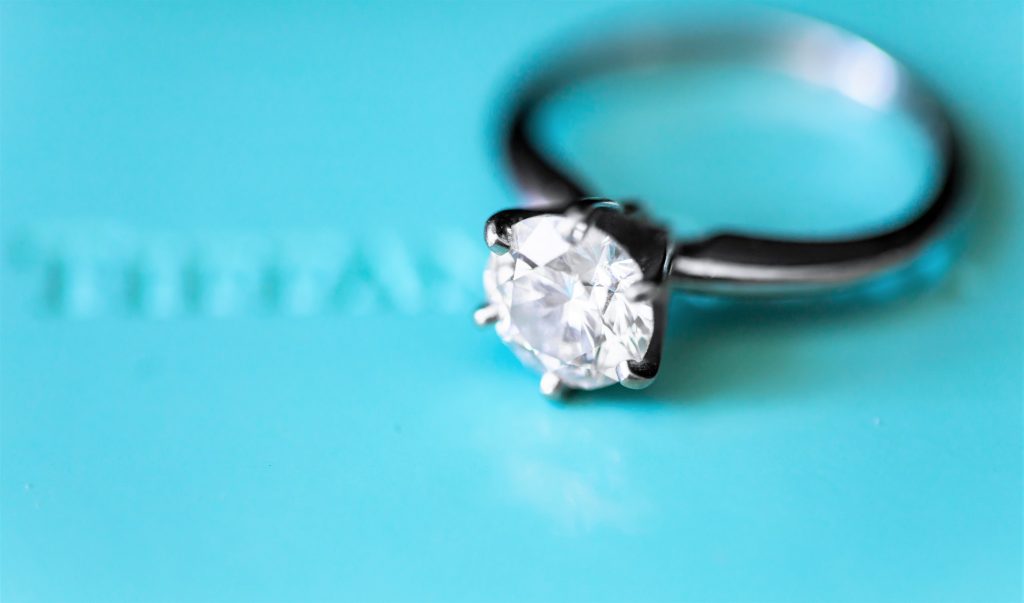
    Classic and elegant, the prong setting is one of the most famous diamond ring settings. This setting is perfect for the timeless bride.

    https://www.instagram.com/p/CGpbFzqDaNN/?utm_source=ig_web_copy_link

    A prong setting typically features four to six thin metal claws that are placed on the diamond’s surface to secure its position. This setting is designed to perfectly highlight the diamond’s brilliance by giving maximum exposure to the stone.

    This particular range of settings can be shaped in different ways – prongs can be rounded, squared, V-shaped, elongated or even pointed.

    Ideally, the prongs should end on the diamond’s surface. If the claws extend too high, the diamond’s top portion will be less visible, thus reducing its brilliance.

    https://www.instagram.com/p/CGpTK2hnuYm/?utm_source=ig_web_copy_link

    This setting has been in style for decades, and first grew in popularity in the 19th century as more dramatic and larger stones were being unearthed. Jewellers wanted to showcase these stones, and thus needed a setting that would allow it to shine.

    The advantage of this setting is that it allows the diamond to take centre stage. It is also easy to clean and maintain. For those wanting to customise their ring, this setting is versatile enough to complement all diamond shapes, and is easy to adjust for different sizes of stones.

    https://www.instagram.com/p/CGRfuXZHriD/?utm_source=ig_web_copy_link

    On the other hand, because the diamond’s girdle is only partially covered, it is quite prone to chipping. The claws of the setting are also more prone to get caught on clothing.

    Picture: Unsplash

    While the shape of the diamond is often the key focus in an engagement ring, the setting is just as important. How your ring is set can make or break it, so it is best to choose wisely.

    A less popular yet still stylish choice is the tension setting. This unique setting has the central stone floating in between two metal bands that hold it securely, and is an unusual look for the unique bride.


    View this post on Instagram


    A post shared by Labgrwn (@labgrwn.co) on

    The tension setting is designed in a way that the diamond is tightly held in place by the pressure of the metal bands on either side. Usually, there are two tiny grooves carved into the metal where the diamond’s girdle comes into contact with it to keep the stone in place. This setting allows the diamond to appear to be floating between the two sides of the shank, which creates a mesmerising appearance.


    View this post on Instagram


    A post shared by Pauline Megson (@theringcycle) on

    Along with the floating appearnace, the entire profile of the diamond is on show with this setting. Thus, the diamond is more visible than with other settings. The minimal metal surrounding the diamond further enhances its light reflection, making it appear more radiant.

    Another benefit to this setting is that is much less maintenance than other diamond setting types, like the prong setting for example.


    View this post on Instagram


    A post shared by 1122 & Co. (@1122andco) on

    However, it is important to note that this tension only works for hard stones like diamonds, rubies and sapphires. The stone must also be of very high quality, as any imperfections will be made even more visible through this setting. It is also an extremely specialised skill to make this setting, so jewellers charge a pretty penny for it.

    Another downside to this setting is that it is difficult to resize, and having this done can actually increase the chances of the stone coming loose.

    With the diamond being so exposed in this setting, it is not ideal for those that lead an active lifestyle.


    View this post on Instagram


    A post shared by EC One (@econe_jewellery) on

    This setting is the perfect choice for those desiring a more modern and minimalist finish for their engagement ring. It is an unusual look that is sure to stand out from the rest.

    Picture: Unsplash

    A classic white diamond is the traditional go-to for engagement rings, but in recent years, alternative colours have become all the rage. From pink to yellow, diamonds come in all hues.

    Salt-and-pepper diamonds are trending as a unique alternative stone choice for an engagement ring. Here is everything you need to know.

    https://www.instagram.com/p/CGH4KGgFVhV/?utm_source=ig_web_copy_link

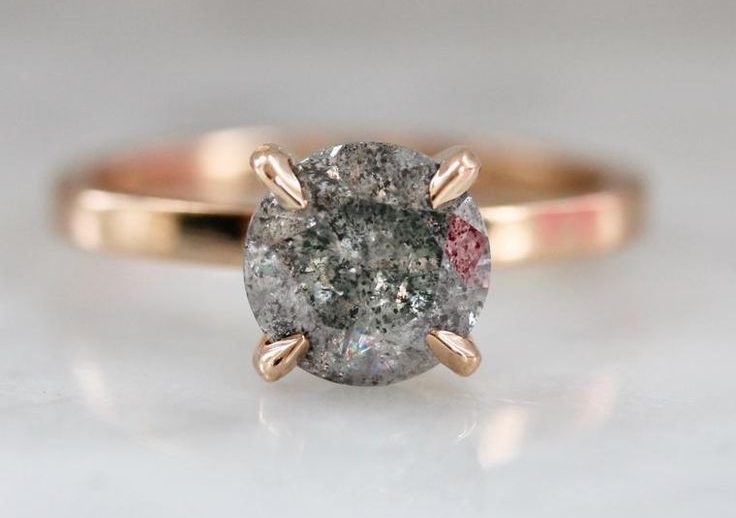
    A salt-and-pepper diamond is a diamond with inclusions that appear black and white. This type of diamond can appear in a variety of shades, from light to dark grey. Some may have more inclusions than others, which will affect the colouring of the stone.

    This diamond is the exact same as a normal diamond, just with a bit more character. As always, the 4 C’s apply when grading a diamond: cut, colour, clarity and carat. The 4 C’s will determine the final price your diamond will fetch.

    https://www.instagram.com/p/CEY0W-YnvVh/?utm_source=ig_web_copy_link

    Eco-conscious shoppers will love this stone, as it takes fewer resources to mine than regular diamonds. They are also less expensive because they of their carbon inclusions, so they are the more budget-friendly option.

    https://www.instagram.com/p/B6NtU5NpJ74/?utm_source=ig_web_copy_link

    Like any other diamond, it can be fashioned into any shape you want. Given its alternative nature, we suggest going with the aesthetic and opting for a unique setting like a bezel setting. Go for an unusual cut by shaping your diamond into a pentagon or a diamond-shaped diamond.

    https://www.instagram.com/p/CGHVKh3n4Np/?utm_source=ig_web_copy_link

    Picture: Pinterest

    As the piece of jewellery you’ll (hopefully) always have and wear, your engagement ring is highly personal. It is important to match the ring to you, and not the other way around.

    While shopping from big, established brands is great and often the easiest option, South Africa has a wealth of talented jewellery designers that create incredible custom pieces.

    Now more than ever, it is important to support local. Here are a few fantastic jewellers from across the country designing unique engagement rings with personality and flair.

    Lorean Jewellery:

    https://www.instagram.com/p/CF1l_-OJtv-/?utm_source=ig_web_copy_link

    https://www.instagram.com/p/CF7EtmLp14y/?utm_source=ig_web_copy_link

    https://www.instagram.com/p/CE9VYJGp7k6/?utm_source=ig_web_copy_link

    Famke Jewellery: 

    https://www.instagram.com/p/CFwuZotgt1z/?utm_source=ig_web_copy_link

    https://www.instagram.com/p/B6NtU5NpJ74/?utm_source=ig_web_copy_link

    https://www.instagram.com/p/CCLRroNJrzR/?utm_source=ig_web_copy_link

    Black Betty Design:

    https://www.instagram.com/p/CBxSYb4HjQ0/?utm_source=ig_web_copy_link

    Merakije Jewellery Design:

    https://www.instagram.com/p/B7N1ggepng0/?utm_source=ig_web_copy_link

    https://www.instagram.com/p/CFo2U-8pc_g/?utm_source=ig_web_copy_link

    Botanica Jewellery:

    https://www.instagram.com/p/CF1glLIp8pR/?utm_source=ig_web_copy_link

    https://www.instagram.com/p/B62nTN_ptUR/?utm_source=ig_web_copy_link

    Picture: Unsplash

    How often are you cleaning your wedding ring, and how effective is your process? Most likely, your answer is not often and not thorough enough.

    Your ring can easily be dirtied by everyday wear. Common cosmetic products like hairspray, lotion, makeup or perfume can accumulate dirt, and touching a variety of objects throughout the day will also dull your ring.

    A new and oh-so-satisfying trend on Instagram is ring cleaning. Jewellers are sharing videos of how they take rings from drab to fab with a simple solution.

    The ring is dunked in a blue solution of ring cleaner, and all the dirt expels out of it. The sheer amount of dirt that can accumulate on a ring is truly astounding.

    https://www.instagram.com/p/CCrfgiSl2O2/?utm_source=ig_web_copy_link

    The solution is held in an ultrasonic machine which sends vibrations through the water in a matter of minutes. The ultrasound waves and chemicals combine to create bubbles that “cling” to foreign particles such as dirt, oil, and unknown substances. The high-frequency waves are sent out and pull the contaminants off the object.

    After a minute, the ring is removed from the solution and is extra sparkly, like the day it was purchased.

    https://www.instagram.com/p/CCfcJN8l5re/?utm_source=ig_web_copy_link

    https://www.instagram.com/p/CDjj23CF7iZ/?utm_source=ig_web_copy_link

    If you don’t have access to a professional jewellery cleaner, or simply don’t have the funds for this, cleaning your jewellery is an easy process that can be done at home. Make a DIY solution with warm water and dishwashing soap. Soak your ring in the solution for about 20 to 40 minutes and then gently brush it with a soft toothbrush. Rinse under warm running water and repeat if needed.

    Make sure to avoid harsh chemicals like bleach, chlorine and acetone when cleaning your ring, as it can break down the base metals in the ring. Abrasive products like toothpaste, baking soda and powdered cleaners should also be avoided.

    Picture: Pexels

    An engagement ring is a highly treasured jewellery item, one you’ll (hopefully) have forever. It’s thus important to have your ring match your own personal style and taste. With so many designs, settings and stones to choose from, ring shopping can be overwhelming. Luckily, we’re here to help.

    While the setting, or the way the stone is secured into the ring, may not be the most important thing one thinks of, it is crucial to the anatomy of the ring. It helps determine the overall design of the ring and its durability.

    A pavé setting, also known as a bead setting, is perfect for the bride wanting something a little more sparkly. It is french for ‘paved’ and it is a jewellery technique in which small diamonds are studded along the band of the ring, making it appear like a paved or cobblestoned road.

    https://www.instagram.com/p/CFz_GeFl3sD/?utm_source=ig_web_copy_link

    Diamonds are closely set together in this setting, and sparkle brilliantly under the light. Typically, diamonds used for this setting must be 0.01 to 0.02 carats to be technically characterised as ‘pavé’, anything smaller falls under a ‘micro-pavé’ setting.

    https://www.instagram.com/p/CFh714Bn8AT/?utm_source=ig_web_copy_link

    An advantage of this setting is that it enhances a centre diamond that has a lower brilliance, cut or clarity grade. It adds extra sparkle and is technically the more economical choice, as smaller diamonds are less expensive than one diamond of the exact same weight.

    https://www.instagram.com/p/CE1hIsagbN_/?utm_source=ig_web_copy_link

    However, it is important to note that this setting is more susceptible to stone loss, and offers more small spaces for dirt to accumulate. This setting also requires more inspection and maintenance than most other ring settings.

    https://www.instagram.com/p/CC03qaBH_7u/?utm_source=ig_web_copy_link

    Picture: Pexels

    Looking for an uncommon ring setting? We’ve got the perfect one. The bezel setting is an uncommon choice, and offers a highly unique look.

    This setting has been around for decades, and is actually one of the oldest in the history of jewellery design. Poppy Delevigne and Mary-Kate Olsen have rocked this look.

    Also known as the Rubover, this setting gives off an Art Deco aesthetic perfect for a bold bride. Here’s what you need to know.

    https://www.instagram.com/p/CCHL6uCHXUX/?utm_source=ig_web_copy_link

    A bezel setting features diamonds that are completely or partially encircled by a thin border of a precious metal holding it in place. The surface of the ring is thus smooth. Also called a tube setting, it helps to accentuate the diamond and offers a contemporary look. This setting works best with round stones, but can be used on any shape from pear to heart.

    https://www.instagram.com/p/CFht6L4HHL-/?utm_source=ig_web_copy_link

    Because the stone is held securely in place, this setting is highly durable and protects the diamond very well. This is perfect for fragile stones. It also prevents anything snagging on the stone or knocking it, making it perfect for a wearer with an active lifestyle.

    However, this setting conceals a large part of the stone. It can also be the more expensive option because it requires much more precious metal and is more labour intensive.

    https://www.instagram.com/p/CEUdrFRnkLp/?utm_source=ig_web_copy_link

    Feature image: Pexels