
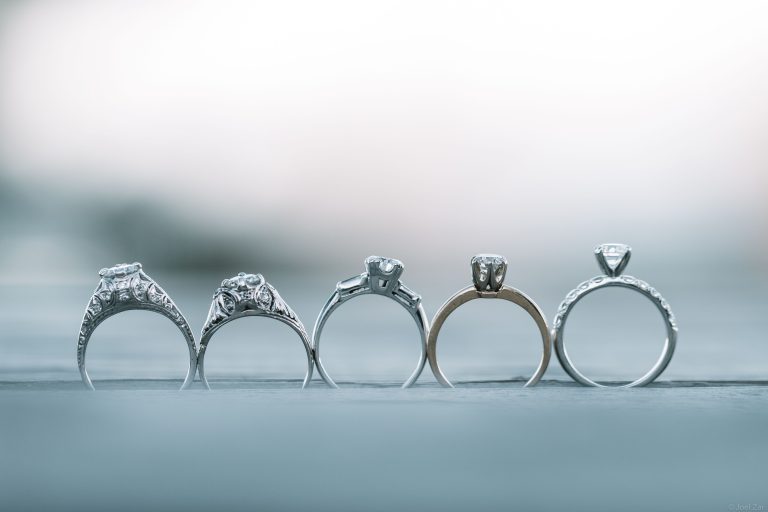
White gold engagement rings have become one of the most popular choices for brides. They offer a beautiful alternative to traditional yellow gold and often a more affordable option than platinum.
But what is white gold really? And what should you know if your engagement ring is made from it? Before you commit to a lifetime of sparkle, here’s everything worth understanding.
What is white gold?
Despite what the name suggests, white gold is not naturally white. White gold is actually an alloy – a blend of pure yellow gold mixed with white metals such as palladium, silver, nickel, or manganese. This combination lightens the gold’s natural yellow tone and creates a cooler, more silvery base colour.
However, even after alloying, white gold is still not bright white. That’s where the final step comes in: most white gold jewellery is plated with a rare metal called rhodium. This rhodium coating gives white gold its signature mirror-like finish—the crisp, icy shine most people associate with engagement rings.
Why white gold is so popular for engagement rings
White gold has earned its place as a bridal favourite for a few key reasons:
1. It enhances diamonds beautifully
The cool tone of white gold helps diamonds appear brighter and more colourless, making it an ideal setting for engagement rings where the stone is the star.
2. It’s more affordable than platinum
White gold offers a similar look to platinum but at a lower price point, making it an attractive option for couples working within a budget.
3. It’s versatile and modern
Its neutral tone pairs effortlessly with both warm and cool skin tones and suits a wide range of ring styles—from vintage-inspired designs to minimalist solitaires.
What to know before choosing white gold for your engagement ring
Before you fall in love with the sparkle, there are a few practical things worth keeping in mind.
1. It requires maintenance
Unlike platinum, white gold is not “set and forget.” Regular rhodium re-plating is part of its long-term care.
Over time, the rhodium plating naturally wears away, revealing the slightly warmer, pale yellow tone of the gold underneath. This is completely normal and happens faster depending on how often the ring is worn and your daily activities.
To restore its original shine, white gold rings need to be re-plated with rhodium every 12–24 months on average.
2. It can show wear over time
With daily wear, especially on engagement rings, you may notice thinning of the plating, small scratches, or a slightly warmer tone emerging.
3. Nickel sensitivity matters
Some white gold alloys contain nickel, which can cause irritation for those with sensitive skin. If this is a concern, ask your jeweller for nickel-free options such as palladium-based white gold.
How to care for a white gold engagement ring
A little care goes a long way in keeping white gold looking its best.
Gentle cleaning at home
Use warm water, mild soap, and a soft toothbrush to gently clean your ring. Avoid harsh chemicals or abrasive materials.
Remove during heavy activity
Take your ring off during activities like gym workouts, gardening, or cleaning to reduce scratches and wear.
Regular professional check-ups
Have your ring inspected and cleaned by a jeweller once or twice a year. This is usually when rhodium re-plating can be done if needed.
Store it safely
When not wearing your ring, keep it in a soft pouch or lined jewellery box to avoid unnecessary scratching.
ALSO SEE: Engagement ring care tips to keep your sparkler looking new