Weddings have been happening since time immemorial. From the ancient Romans and Greeks to today’s millennials, weddings have stood the test of time as the ultimate symbol of love and commitment for many.
Many wedding traditions have been around for centuries, and have shaped how we get married. But have you ever wondered where they come from? Turns out, we have Queen Victoria to thank for many modern wedding traditions we use today.
Queen Victoria has gone down in history as one of the most iconic royal monarchs, and for good reason. She has survived multiple assassination attempts, she proposed to her husband, and is the second longest reigning British monarch after Queen Elizabeth II.
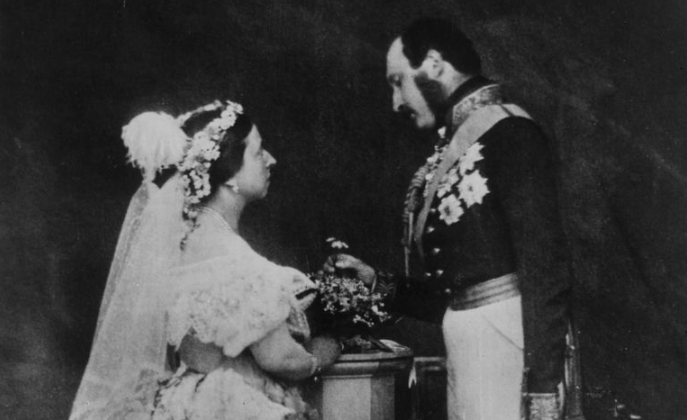
Her wedding to Prince Albert took place on February 10, 1840, in the Chapel Royal of St. James’s Palace in London. This day became one that would shape modern weddings for a number of reasons.
A wedding spectacle:
Royal weddings were traditionally small and private night-time events. However, Queen Victoria had other ideas. She wanted her wedding to be a moment. She had her bridal procession drive through the streets to St. James palace so that thousands of members of the public could see her. This has become a tradition for many betrothed royals since, with their weddings becoming public events observed the world over. No other royal monarch weddings have been held in the evening since. She also had many more wedding guests than the norm, making her wedding a massive event.
The white wedding dress:
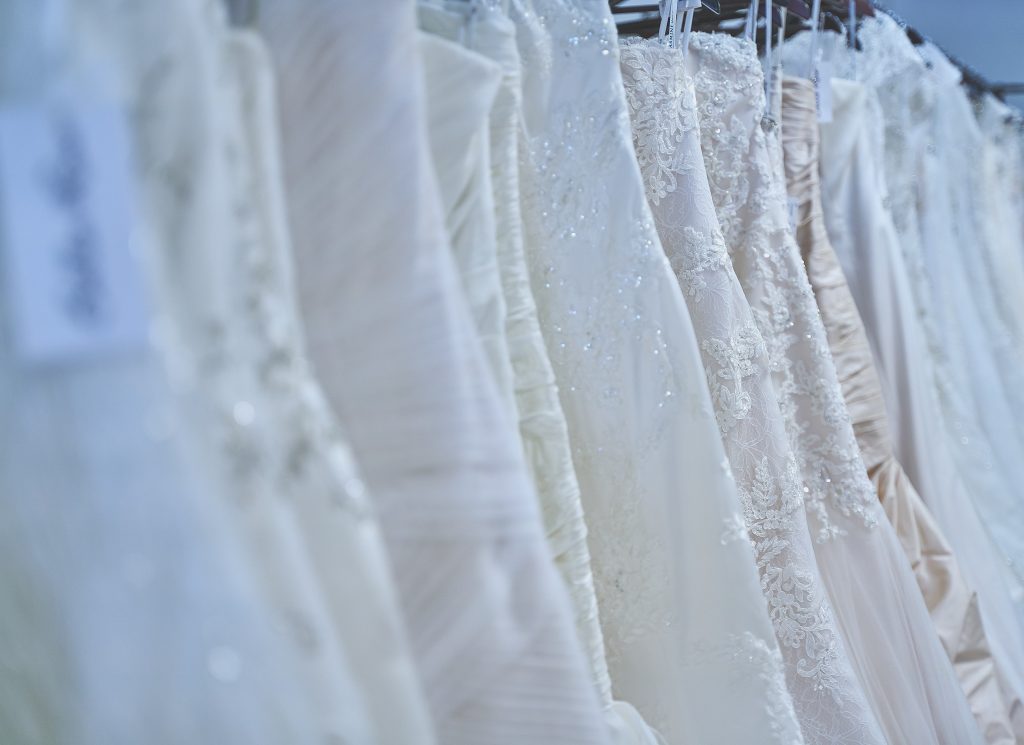
Up until this wedding, brides traditionally wore coloured wedding gowns. This was mainly for practicality, as they could rewear the dresses and because white is notoriously difficult to keep clean. Royal brides typically had elaborate wedding dresses made in gold or silver fabrics and were highly embellished to show their wealthy status. However, Queen Victoria wanted to be different on her wedding day. She refused the crimson velvet robes of state in favour of a white, lacy gown with an 18ft (5.5m) train. She chose white to enhance the finely detailed Honiton lace on her gown. She also chose this colour to stand out from the crowd and be more visible during the bridal procession, as well as to enhance her purity and innocence. She had the pattern for her dress destroyed after her wedding so that no one else would copy it.
And thus, the white wedding dress tradition was born. Her wedding gown was reported on all over the world, and spurred on international wedding trends. Initially, wealthier brides emulated her look, but by the 20th century most brides were donning pure white for their wedding day.
The veil and floral headdress:
Queen Victoria completed her wedding ensemble with a veil and floral headdress decorated with orange blossoms and myrtle. Orange blossoms were a wedding tradition as they represent fertility and purity. Until her wedding, wedding veils has largely gone out of style in favour of caps and bonnets. However, her decision to don a veil revived the trend for decades to come.
No guests to wear white:
Because Queen Victoria wanted her look to stand out, she banned all of her wedding guests from wearing white on the big day. This tradition has since been an unspoken rule at weddings. Today, wearing white to a wedding is considered incredibly disrespectful to the bride.
The cake:
Queen Victoria’s wedding cake was a sight. At 300lbs (136kg), 9ft (2.7m) circumference and 16 inches ( 40.6cm) in height, this baked wonder required four men to carry it in. It was decorated with a figure of Britannia, and flanked by cupids, one of which held a book bearing displaying their wedding date. This took the wedding cake to new heights. Today, the look of your wedding cake is just as important as any other aspect of the wedding. Many couples spend a large chunk of their wedding budget on crafting an elaborate wedding cake that makes a statement.
Picture: Roger Fenton / Getty Images