• Tag

    wedding dress

    Browsing

    If the idea of a cookie-cutter wedding look feels a little… predictable, you’re not alone. More couples are stepping away from traditional bridalwear rules, not only to create something more personal, but also to keep costs down without sacrificing style.

    DIY wedding fashion is no longer just about crafty extras on the side. It’s becoming a full style approach for couples who want to experiment, repurpose, personalise and completely rethink what “wedding attire” is supposed to look like.

    Rethinking the wedding outfit entirely

    Before you even get to embellishments and accessories, the biggest shift is letting go of the idea that you need a traditional wedding dress or suit. Here are some alternative ways couples are building their looks:

    High-street + handmade mix
    Pair an affordable base piece with DIY details like altered hems, added sleeves or custom trims.

    Second-hand styling
    Thrifted dresses, vintage suits or even family heirlooms become the starting point for something completely new.

    Non-bridal pieces
    Think slip dresses, tailored trousers, jumpsuits, oversized shirts or even coordinated two-piece sets. If it fits well and feels good, it works.

    Rent and reinvent
    Start with a rental piece and personalise it temporarily with accessories, layering or detachable add-ons.

    The magic is in the customisation

    This is where DIY really comes alive. Small changes can completely transform a simple outfit into something that feels designer-level personal.

    Alterations with attitude
    Shorten a hem, add a slit, change a neckline or restructure sleeves. A good seamstress can turn “almost right” into perfect.

    Colour experimentation
    Soft dyeing, dip-dye effects or subtle tinting can take a plain white or cream piece into something far more interesting.

    Fabric layering
    Add sheer overlays, lace panels, organza skirts or detachable capes for movement and drama without buying a whole new outfit.

    Statement accessories that don’t break the bank

    Accessories are where DIY wedding fashion becomes fun instead of stressful.

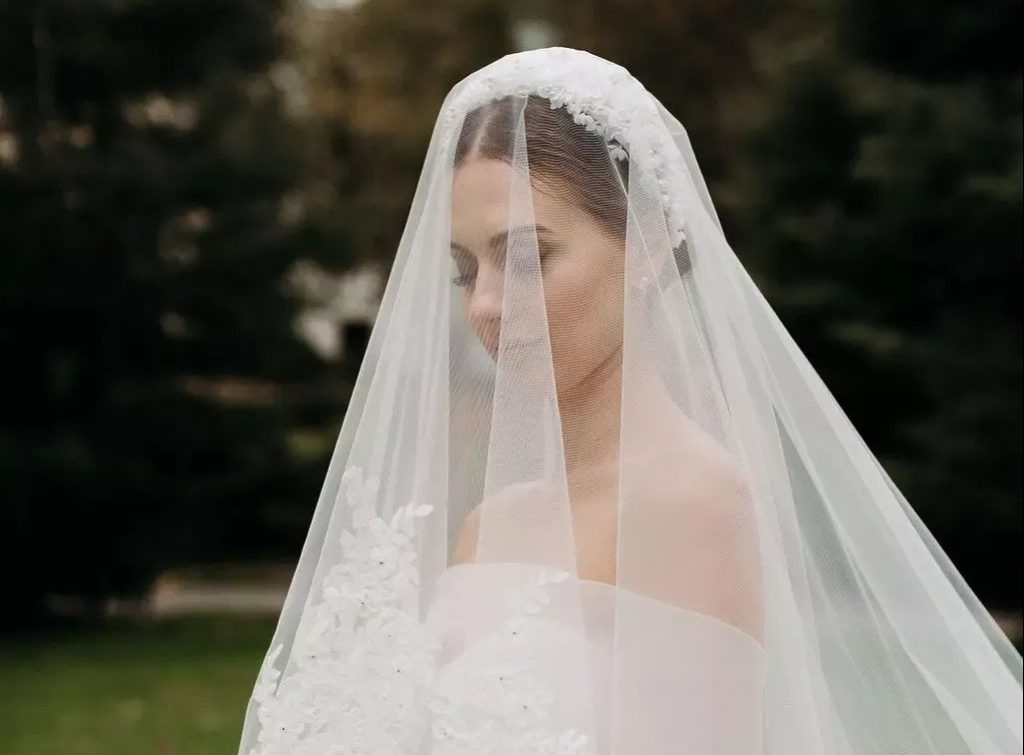
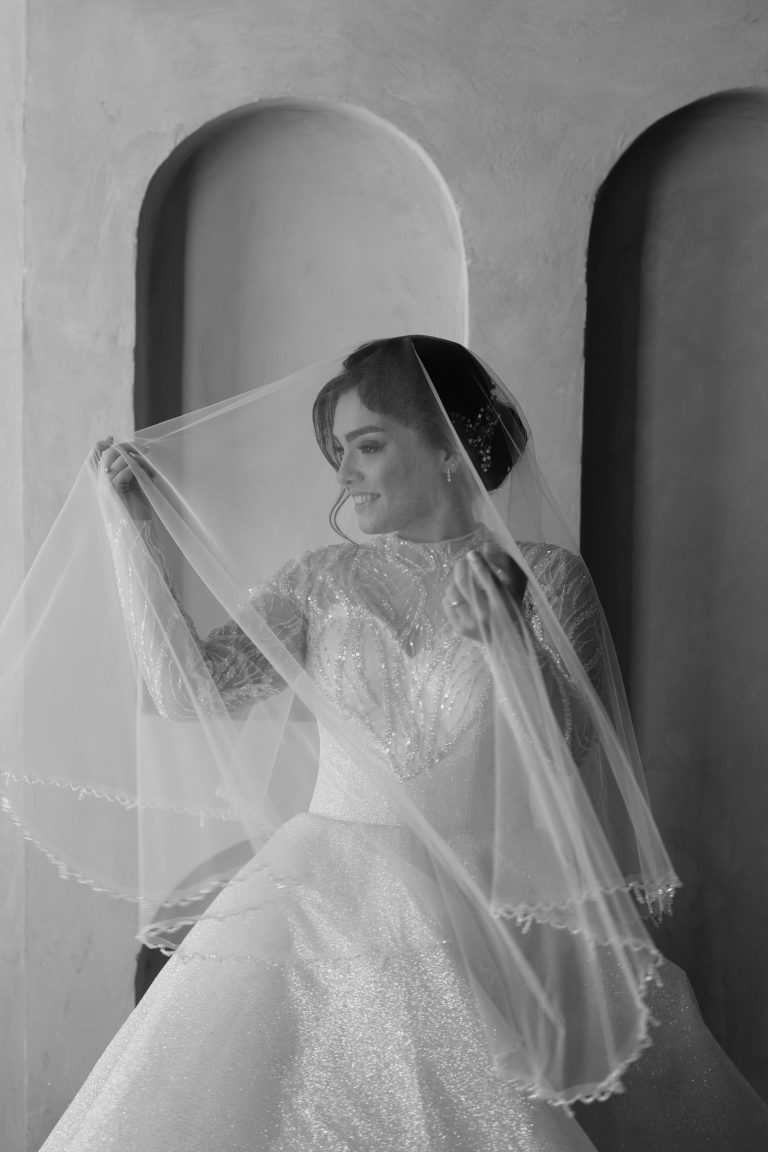
    Veils with personality
    Add embroidery, printed phrases, coloured edges or even hand-sewn motifs that mean something to you as a couple.

    Repurposed jewellery
    Turn old family jewellery into hairpins, brooches or necklace details instead of buying new.

    DIY belts and waist details
    A simple ribbon, scarf or vintage chain can completely change the silhouette of a dress or suit.

    Handmade bags or pouches
    Small clutch bags can be painted, beaded or stitched with initials or wedding dates.

    Groom and groom-style DIY ideas too

    This isn’t just a bridal moment — it’s for anyone getting married.

    Custom suit lining
    A subtle but powerful detail: add prints, messages or meaningful fabric inside a jacket.

    Personalised ties and bow ties
    From bold patterns to embroidered initials or even inside jokes.

    Statement socks or shoes
    Colour, print or custom embroidery hidden under a formal look keeps things playful.

    Reworked vintage suits
    Oversized vintage tailoring can be altered into modern, perfectly fitted wedding wear at a much lower cost.

    Shoes that don’t behave (in the best way)

    Wedding shoes are often overpriced for what they are — which makes them perfect for DIY transformation.

    • Paint plain heels or sneakers to match your theme
    • Add pearls, rhinestones or fabric flowers
    • Replace laces with satin ribbons or velvet ties
    • Use fabric scraps from your outfit for cohesion
    • Restore vintage shoes and modernise them with small details

    Comfort matters too — especially if you’re planning to dance all night.

    Unexpected DIY fashion ideas

    If you really want to step away from tradition, these ideas push things further:

    Convertible outfits
    A skirt that comes off, sleeves that detach, or a cape that transforms your silhouette from ceremony to reception.

    Statement jackets for both partners
    Denim, leather or tailored blazers painted or embroidered with your story.

    Temporary fashion details
    Temporary tattoos, face gems or body art that match your wedding theme.

    Hidden messages
    Embroidery inside garments, stitched dates or secret notes only you know about.

    DIY fashion that actually saves money

    Not every DIY idea is about artistry — some are simply practical.

    • Buying second-hand and altering instead of buying new
    • Using one outfit in multiple ways with detachable layers
    • Sharing styling pieces between ceremony and reception
    • Renting key garments and customising them lightly
    • Choosing simple base pieces and upgrading them with DIY detail instead of designer labels

    It all adds up — especially when weddings already come with a long list of expenses.

    ALSO SEE: Buying vs hiring your wedding dress in South Africa: The 2026 bride’s guide to cost, style & smart choices

    Buying vs hiring your wedding dress in South Africa: The 2026 bride’s guide to cost, style & smart choices

    Feature image: Pexels

    Your wedding dress isn’t just another line item on your budget – it’s the emotional centrepiece of your entire wedding story. But in South Africa right now, brides are asking a very practical question alongside the emotional one: Do I buy it… or do I hire it?

    And the answer isn’t as simple as it used to be.

    With bridal fashion evolving, budgets shifting, and more flexible options available than ever before, the decision now sits somewhere between sentiment, strategy, and style.

    Here’s how to figure out what actually makes sense for you in 2026.

    What it really costs in South Africa right now

    Before you decide, you need clarity on pricing – because the gap between buying and hiring isn’t always as wide as people think.

    Recent South African bridal market insights show:

    • Buying a new wedding dress: ± R14,000 – R60,000+ depending on designer, fabric, and detail
    • Average boutique gowns: around R13,000 – R30,000
    • Pre-loved/sample dresses: from ± R6,500 – R15,000
    • Hiring a dress: typically around R14,000 – R22,000 (sometimes up to 75% of retail value)

    Here’s the truth most brides only realise later: hiring is not always the “cheap option” – it’s often just the “short-term option.”

    Buying your wedding dress: the emotional investment

    Buying a dress is about ownership – but also control.

    Why brides choose to buy:

    • Full freedom for custom alterations and fit
    • Ability to preserve it as a keepsake or heirloom
    • More styling options (especially for modern trends like detachable sleeves or second looks)
    • Ability to resell or rewear for future events

    In 2026, we’re also seeing a shift toward multi-use bridal gowns – dresses designed with removable elements so brides can transform their look from ceremony to reception without changing outfits entirely.

    The reality check:

    • Higher upfront cost
    • Alterations and cleaning add extra budget
    • Storage and preservation become your responsibility

    Buying makes sense when your dress is part of your identity – not just your outfit.

    Hiring your wedding dress: the practical luxury option

    Hiring has evolved a lot. It’s no longer “basic budget brides only” – it’s now a structured bridal service, often with designer gowns available.

    Why brides choose to hire:

    • Lower upfront commitment
    • Access to designer or luxury gowns at a fraction of retail price
    • No storage or preservation stress after the wedding
    • Cleaning often included

    But here’s what you need to know:

    • Alterations are usually limited
    • You’re restricted by availability and booking dates
    • Costs can still climb to 50–75% of retail price

    Hiring works best when you prioritise convenience over long-term ownership.

    The 2026 bridal shift: why this decision is changing

    Bridal fashion is no longer just about tradition it’s about identity.

    Across global and South African bridal trends, we’re seeing:

    • A rise in personalised, fashion-forward gowns
    • More brides choosing pre-loved and sustainable options
    • A move away from rigid “white only” tradition into soft tones and expressive silhouettes
    • Increased demand for versatile dresses that can transform during the day

    In other words: brides are no longer choosing between “buy or hire” in a vacuum they’re choosing how much permanence they want in a fashion moment that is increasingly expressive and fluid.

    So… how do you actually decide?

    Ask yourself these 4 questions:

    1. Do I want to keep my dress after the wedding?

    If yes → buying is your lane.

    1. Is my priority budget flexibility or long-term value?

    If short-term ease matters more → hiring works.

    1. Do I want full control over fit and design?

    If yes → buying wins by a mile.

    1. Will I regret not owning it?

    Be honest here – this is usually the deciding factor.

    Final thought

    There is no “correct” choice anymore only what aligns with your priorities, your budget, and the story you want your wedding to tell.

    Some brides want a dress they can keep forever. Others want a designer moment without long-term responsibility.

    Both are valid. What matters is choosing intentionally, not emotionally pressured or financially rushed.

    ALSO SEE: Transforming your mom’s wedding dress 

    Transforming your mom’s wedding dress

    Featured image: Rewan Ahmed / Pexels

    Wedding dresses have always been a reflection of their time. Bridal fashion has shifted with culture, politics, and pop-culture icons shaping what brides wear down the aisle. Here’s how the look of “the modern bride” has evolved decade by decade.

    1920s: Flapper-inspired glamour and beaded detail

    The 1920s bride embraced freedom in silhouette and movement. Waistlines dropped, fabrics softened, and dresses took on a loose, straight shape that felt modern for the time.

    Intricate beadwork, embroidery, and lace detailing defined the era, adding texture and elegance. Brides often completed the look with statement headpieces (think tiaras, floral accents, and decorative hairpins), usually paired with a soft, flowing veil.


    View this post on Instagram


    A post shared by Vintage minds (@vintage_minds0)

    1930s: Elegant silhouettes and Hollywood-inspired

    By the 1930s, wedding dresses became more refined and understated. Influenced by Hollywood glamour, brides favoured long, streamlined silhouettes with subtle waist definition.

    Satin and silk were popular fabrics, often styled with long sleeves and minimal embellishment. Soft detailing like embroidery or appliqué added sophistication, while dramatic “shower bouquets” (long, trailing floral arrangements) became a signature bridal accessory.


    View this post on Instagram


    A post shared by Pomona & Flora (@pomonayflora)

    1940s: Wartime simplicity and practical bridalwear

    The 1940s brought practicality into bridal fashion. With wartime restrictions and limited resources, many brides wore suits, borrowed dresses, or reworked garments they already owned.

    Looks were simple and functional, with little decoration. Even so, brides still added meaningful details like veils, corsages, or small floral touches to signal the occasion and elevate everyday pieces.


    View this post on Instagram


    A post shared by Ula (@lulu_from_honolulu)

    1950s: Full skirts, cinched waists and fairytale glamour

    After the war, bridal fashion returned to grandeur. The 1950s bride embraced feminine, structured silhouettes with fitted bodices and full, voluminous skirts.

    Inspired by Hollywood icons and Dior’s “New Look,” dresses were often dramatic and ultra-feminine. Tea-length gowns also gained popularity, layered with petticoats, lace, satin, and structured detailing that created a distinctly romantic feel.

    1960s: Mod minis, structured dresses and style experimentation

    The 1960s brought contrast. Early in the decade, brides favoured structured gowns with clean lines, high necklines, and shorter veils, often influenced by Jacqueline Kennedy’s timeless elegance.

    As the decade progressed, fashion became more experimental. Mini dresses, bold silhouettes, and even coloured gowns emerged. Flower crowns, headbands, and natural styling began replacing traditional veils.


    View this post on Instagram


    A post shared by Country Rebel (@countryrebel)

    1970s: Boho brides, bell sleeves and relaxed silhouettes

    The 1970s bridal look was relaxed, expressive, and deeply influenced by bohemian style. Flowing fabrics, bell sleeves, and soft silhouettes defined the decade.

    Brides moved away from traditional formality, often opting for hats, ribbons, or loose natural hair instead of veils. Some even chose tailored suits or unconventional white ensembles, embracing individuality over tradition.


    View this post on Instagram


    A post shared by @daughterofthe70s

    1980s: Statement sleeves, volume and maximalist bridal fashion

    The 1980s was the era of “more is more.” Bridal gowns became dramatic with puffed sleeves, full skirts, and long cathedral trains.

    Lace, taffeta, and structured fabrics dominated, while oversized silhouettes created a bold, high-impact look. Influenced heavily by royal weddings and pop culture, this decade defined the iconic “princess bride” aesthetic.


    View this post on Instagram


    A post shared by VintageDreams80s (@vintageddreams80s)

    1990s: Minimalist silhouettes and sleek bridalwear

    The go-big-or-go-home trend seeped over into the 90s. However, as we drew closer to the 2000s, it shifted toward simplicity. Brides embraced clean lines, understated elegance, and pared-back silhouettes.

    Slip dresses, satin fabrics, and fitted gowns became popular, often paired with minimal accessories. The focus moved away from volume and embellishment and toward effortless, modern refinement.


    View this post on Instagram


    A post shared by vintage bridal (@bridal.iconic)

    2000s: Strapless gowns and structured glamour

    The early 2000s were defined by strapless wedding dresses. Corset-style bodices, crystal embellishments, and full skirts dominated bridal fashion.

    As the decade progressed, designs began to soften, with more classic and vintage-inspired gowns entering the mainstream alongside the still-popular structured silhouettes.


    View this post on Instagram


    A post shared by Elissar Bridal (@elissarbridal)

    2010s–present: Modern minimalism and personalised bridal style

    Today’s bridal fashion is less about following a single trend and more about personal expression. Minimalist gowns, lace sleeves, and modern tailoring all sit side by side.

    Brides are now choosing looks that reflect their personality, whether that’s sleek and simple, vintage-inspired, fashion-forward, or dramatically detailed. The modern wedding dress is no longer defined by one rule, but by individuality.


    View this post on Instagram


    A post shared by Reema Molla (@reema.molla)

    ALSO SEE: Wedding dress inspo for autumn and winter brides

    Wedding dress inspo for autumn and winter brides

    Feature image: Pexels

    There was a time when walking down the aisle in anything other than crisp ivory or bridal white would have caused a few gasps from the front row. But modern brides are rewriting the rulebook.

    Why brides are choosing a non-white wedding dress

    The rise of the non-white wedding dress says a lot about where weddings are headed in general. Brides are moving away from tradition for tradition’s sake and leaning into choices that feel a bit more authentic and emotionally connected to their personalities.

    For some, white simply does not feel flattering. For others, it feels too expected.

    A soft sage gown may suit a nature-loving bride far more than bright white ever could. A champagne dress can feel timeless yet warmer against certain skin tones. A black wedding dress might perfectly suit a fashion-forward city celebration. And then there are brides who simply want the freedom to wear colour because they adore it.

    The colours brides are loving right now


    View this post on Instagram


    A post shared by PEW (@peachessenceweddings)

    The beauty of a colour wedding dress is that there are no limits. Some brides choose the subtlest hint of colour, while others embrace dramatic statement shades.

    Popular options include:

    • Soft blush pink
    • Champagne and nude tones
    • Dusty blue
    • Sage green
    • Lilac and lavender
    • Floral appliqué gowns
    • Ombre detailing
    • Black wedding dresses
    • Gold or metallic finishes
    • Rich jewel tones for winter weddings

    Which brides tend to choose colourful wedding dresses?

    Interestingly, colourful wedding dresses are no longer reserved for unconventional weddings only.

    You will often spot non-white gowns at:

    • Garden weddings
    • Destination weddings
    • Intimate weddings
    • Art-inspired weddings
    • Modern city weddings
    • Second marriages
    • Fashion-forward luxury weddings
    • Cultural fusion celebrations

    They also appeal to brides who:

    • Love fashion
    • Want standout wedding photos
    • Feel disconnected from strict traditions
    • Want a dress they may realistically rewear
    • Prefer individuality over convention

    And perhaps most importantly, many brides choosing non-white gowns say the dress simply feels more like them.

    Nervous about going fully colourful? Start subtly


    View this post on Instagram


    A post shared by Amy Mair Couture (@amy_mair_couture)

    Not every bride wants a bright pink ballgown — and that is perfectly fine.

    If you love the idea of a non-white wedding dress but still want something timeless, consider:

    • Champagne instead of white
    • Floral embroidery over ivory
    • A soft blush underlayer
    • Coloured gloves or a cape
    • A pastel overskirt
    • Delicate blue or silver detailing
    • A dramatic second reception dress

    ALSO SEE: High-neck wedding dresses we love

    High-neck wedding dresses we love

    Feature image: Unsplash

    Most women know what style of wedding dress they want. But have you considered the practicalities of finding your dream frock that have nothing to do with how it looks? Renowned local dress designer Janita Toerien lets us in on the little things you may overlook when shopping for your dress.

    WEAR THE RIGHT UNDERWEAR
    You head into the changing area with a pile of gorgeous dresses, you try on the first one and it is just so… anti-climactic. Why doesn’t it look like you imagined? Well, for one, you’re wearing a bright blue thong that throws off the whole look. Wear the right underwear so the G-string doesn’t make a shadow on the dress or you stress about panties that cut into your bum, says Janita. Fitting consultants won’t judge you on your granny panties or boy shorts! Wearing undies that match your skin tone and shape, and suck in where necessary, help smooth out the silhouette so you can see exactly how the dress is meant to fit.

    FACTOR IN WHERE YOU’RE GETTING MARRIED
    Janita says this is often forgotten: Is the dress practical for your wedding? Consider the physical aspects of where you’re getting married and how your dress will fit into that. For example, a heavy lace-trimmed train and veil will pick up little twigs and dirt as you walk down the aisle of a forest wedding. Or a heavy duchess satin dress will be uncomfortable hot at a midday beach wedding. Choose a dress in the style you love, but that will still allow you to be as comfortable as possible.

    THINK ABOUT THE GIRLS
    Don’t overlook the importance of your boobs: Too much cleavage can distract from your overall look; too covered up can look matronly, not to mention ensuring there’s no accidental spillage. Big busts always look great in a lower neckline, Janita says, but not too low – just enough to open up the chest and shoulder area. This can be a V-neck, off-the-shoulder or scooped neckline. But stay away from strapless, she pleads: “I could write a whole page about why, but for now just heed my advice.” For our flatter-chested sisters, your choices are much wider, but if you want your bust to appear larger, raise the neckline of the dress, she says. Whether it’s a halterneck, V-neck, boat or round neck, simply lift that line a few centimetres.

    WALK, SIT, CROUCH, BEND, DANCE!
    Standing in front of a mirror for 10 minutes isn’t going to give you the full effect of how a dress really wears. Does the top slip down? Do the straps fall off your shoulders? Does the bodice cut into your stomach when you sit? Do you trip on the hem? Get a feel for the dress by sitting, crouching, hugging your mom and busting out a move with your hands in the air. If at any point you have to readjust it, imagine doing that a couple of hundred times on the big day. If it can be fixed with alterations, get them done. If not, it’s probably best to move on.

    ASK ABOUT FABRICS
    Will it crease badly? Show sweat patches? Make you itchy? Don’t assume all dresses are made equal. Every kind of fabric has its own characteristics, Janita says, so a dress designer worth their salt will take the time to explain the different options and their pros and cons. Take bride fabric shopping to discuss exactly this. Does the fabric feel good on her skin? Does she perspire easily when under stress or does she have sensitive skin? These are all things to take into consideration.

    BUY FOR YOUR CURRENT SIZE, NOT YOUR IDEAL SIZE
    Many brides go on a weight-loss mission before the wedding. If you’re one of them, it’s best to try lose the weight (or close enough) before you start shopping around. You never know if you’re going to lose the weight in time, so don’t buy around what might happen. The last thing you want is an ill-fitting dress on your big day. It’s much easier to take a dress in with alterations than it is to let out, with much less risk of losing the dress completely.

    CLOSE YOUR CIRCLE
    What dress-shopping mistakes does Janita see brides making all the time?
    “They bring too many people with them, and do far too much shopping. First rule: when you start shopping, make sure you don’t want to have any more than three brides in your bridal party. Choose only two or three designers/boutiques to visit, and if you feel exhausted and overwhelmed at some point, take a step back, regroup and really think about what you want – ignore everyone else’s opinions.”

    EMERGENCY KIT:
    What should you pack for the day of the wedding?
    • Needle and thread
    • Double-sided tape
    • A pair of good scissors (Cut that train off if it gets in the way of dancing! Janita says)

    ALSO SEE: High-neck wedding dresses we love

    High-neck wedding dresses we love

    Written by Andrea Robertson for Wedding Etc. Summer 2019

    Feature image: Pexels

    For centuries brides have worn veils for a number of symbolic and religious reasons. From warding off evil spirits in ancient Greece to displaying a woman’s virtue in Christianity, the veil has become a traditional wedding garment.

    But this doesn’t mean that they’re mandatory. Many brides opt not to wear a veil on their wedding day, choosing to go with stunning clips, grips and headbands instead. If you’re undecided, here’s a guide to help you make your choice.

    From Grace Kelly to Audrey Hepburn, high-neck wedding dresses have been a celebrity favourite for decades.

    This style is classic and demure yet packs a punch. It also lends itself to a Victorian-inspired look. For brides wanting a more modest look on their big day, a high-neck gown offers coverage without compromising on style.

    Here are a few ways to pull off this trend:


    View this post on Instagram


    A post shared by Dimitra Designs (@dimitradesigns)


    View this post on Instagram


    A post shared by Moonlight Bridal (@moonlightbridal)


    View this post on Instagram


    A post shared by SoL and GRAVITE (@solandgravite)


    View this post on Instagram


    A post shared by HELLO! Magazine (@hellomag)


    View this post on Instagram


    A post shared by KATY CORSO ™ (@katycorso_official)

    Feature image: Unsplash

    You’ve found your dream dress but it doesn’t sit quite the way you were expecting. While most brides spend hours dreaming about the perfect gown that they’ll walk down the aisle in, what’s not often talked about (or dreamt about) is the logistics of wedding dress alterations.

    The fit of your wedding dress is oh-so-important, which makes understanding wedding alterations just as important – but what to know?

    Types of wedding dress alterations: 

    Adding details 

    If you have the time and the budget, customising your dress to include a range of details that suit your fancy – sleeves, train length, shoulder straps or beading – can be done by a reliable seamstress.

    Basic hemming

    This is probably the most common type of alteration and can range from hemming the length of the gown to adjusting the fit of the dress. These basic adjustments are a great way to make sure your wedding gown is comfy, looks spectacular on you and leaves you feeling beautiful.

    Keep in mind that most wedding gowns will need alterations, which leads us to the next tip: budget.

    wedding dress
    Etsy

    Planning is everything 

    Add wedding dress alterations to your budget:

    You want to look amazing on your big day and it’s important to remember that you may need wedding dress alterations to ensure that the dress fits you like a glove. Now, some wedding boutiques are heaven-sent and offer free alterations (depending on what you want to be done), however, you may need to add alterations to your budget.

    So, how much will it cost? Another important note is that all wedding dress seamstresses are different and will charge their own rate, but you can expect to pay around R2500 (or more) for alterations, so make sure that you add this into your wedding budget. Another aspect to keep in mind – more expensive is always better, so make sure that you shop around.

    Timing is everything

    No bride needs the extra stress and stressing about whether you’ll receive your wedding gown before you walk down the aisle is stressful. Timing is everything when it comes to alterations, so make sure that you create a timeline that ensures you won’t be pulling your hair from the stress.

    If it’s possible, purchase your wedding dress at least 10 months before your date as buying your dress early allows you to have an abundance of time for fittings. Schedule a fitting at least eight to 12 weeks before the wedding and then a second fitting at least two weeks before you walk down the aisle.

    wedding dress
    Pinterest

    Fitting tricks

    Bring along your wedding shoes, accessories and undergarments 

    Bring along your wedding day essentials in order to ensure that you get a proper fit. There’s no question that shoe length, your favourite shapewear and a strapless bra can make all the difference when trying on clothes, and the same goes for your wedding dress. You want to know exactly how it’s going to fit and during your fitting appointments, you’ll get a sense of what you’ll look like on the day.

    An extra tip: Your wedding dress is usually altered according to the length of your shoe, so if you’re looking to change into a pair of sneakers during the reception, it’s going to be a bit long and you may find yourself tripping all over the place. To avoid this, make sure that you purchase a shoe that you love and will keep you nice and comfy.

    Bring a friend 

    This may be an unspoken wedding dress shopping rule, but it’s something that is always a good idea to say again. Bring along a supportive friend or family member to help keep your spirits up and help give you a different (but positive) perspective when shopping around or going for fittings. It’s also really nice to have someone to document those memories with a selfie or two before clinking your glass in celebration of finding “the one.”

    Happy wedding dress shopping!

    ALSO SEE: A Complete Guide to Wedding Dress Styles Every Bride Should Know

    A Complete Guide to Wedding Dress Styles Every Bride Should Know

    Feature Image: Unsplash