If the idea of a cookie-cutter wedding look feels a little… predictable, you’re not alone. More couples are stepping away from traditional bridalwear rules, not only to create something more personal, but also to keep costs down without sacrificing style.
DIY wedding fashion is no longer just about crafty extras on the side. It’s becoming a full style approach for couples who want to experiment, repurpose, personalise and completely rethink what “wedding attire” is supposed to look like.
Rethinking the wedding outfit entirely
Before you even get to embellishments and accessories, the biggest shift is letting go of the idea that you need a traditional wedding dress or suit. Here are some alternative ways couples are building their looks:
High-street + handmade mix
Pair an affordable base piece with DIY details like altered hems, added sleeves or custom trims.
Second-hand styling
Thrifted dresses, vintage suits or even family heirlooms become the starting point for something completely new.
Non-bridal pieces
Think slip dresses, tailored trousers, jumpsuits, oversized shirts or even coordinated two-piece sets. If it fits well and feels good, it works.
Rent and reinvent
Start with a rental piece and personalise it temporarily with accessories, layering or detachable add-ons.
The magic is in the customisation
This is where DIY really comes alive. Small changes can completely transform a simple outfit into something that feels designer-level personal.
Alterations with attitude
Shorten a hem, add a slit, change a neckline or restructure sleeves. A good seamstress can turn “almost right” into perfect.
Colour experimentation
Soft dyeing, dip-dye effects or subtle tinting can take a plain white or cream piece into something far more interesting.
Fabric layering
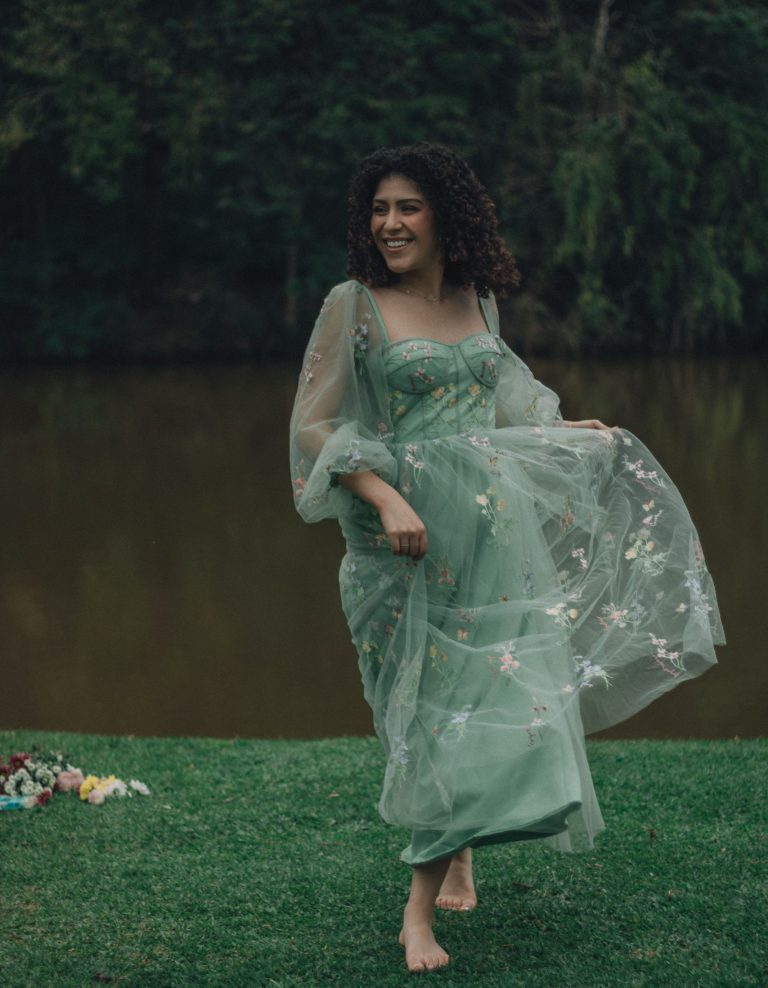
Add sheer overlays, lace panels, organza skirts or detachable capes for movement and drama without buying a whole new outfit.
Statement accessories that don’t break the bank
Accessories are where DIY wedding fashion becomes fun instead of stressful.
Veils with personality
Add embroidery, printed phrases, coloured edges or even hand-sewn motifs that mean something to you as a couple.
Repurposed jewellery
Turn old family jewellery into hairpins, brooches or necklace details instead of buying new.
DIY belts and waist details
A simple ribbon, scarf or vintage chain can completely change the silhouette of a dress or suit.
Handmade bags or pouches
Small clutch bags can be painted, beaded or stitched with initials or wedding dates.
Groom and groom-style DIY ideas too
This isn’t just a bridal moment — it’s for anyone getting married.
Custom suit lining
A subtle but powerful detail: add prints, messages or meaningful fabric inside a jacket.
Personalised ties and bow ties
From bold patterns to embroidered initials or even inside jokes.
Statement socks or shoes
Colour, print or custom embroidery hidden under a formal look keeps things playful.
Reworked vintage suits
Oversized vintage tailoring can be altered into modern, perfectly fitted wedding wear at a much lower cost.
Shoes that don’t behave (in the best way)
Wedding shoes are often overpriced for what they are — which makes them perfect for DIY transformation.
- Paint plain heels or sneakers to match your theme
- Add pearls, rhinestones or fabric flowers
- Replace laces with satin ribbons or velvet ties
- Use fabric scraps from your outfit for cohesion
- Restore vintage shoes and modernise them with small details
Comfort matters too — especially if you’re planning to dance all night.
Unexpected DIY fashion ideas
If you really want to step away from tradition, these ideas push things further:
Convertible outfits
A skirt that comes off, sleeves that detach, or a cape that transforms your silhouette from ceremony to reception.
Statement jackets for both partners
Denim, leather or tailored blazers painted or embroidered with your story.
Temporary fashion details
Temporary tattoos, face gems or body art that match your wedding theme.
Hidden messages
Embroidery inside garments, stitched dates or secret notes only you know about.
DIY fashion that actually saves money
Not every DIY idea is about artistry — some are simply practical.
- Buying second-hand and altering instead of buying new
- Using one outfit in multiple ways with detachable layers
- Sharing styling pieces between ceremony and reception
- Renting key garments and customising them lightly
- Choosing simple base pieces and upgrading them with DIY detail instead of designer labels
It all adds up — especially when weddings already come with a long list of expenses.
Feature image: Pexels