
• Tag

    South Africa love stories

    Browsing

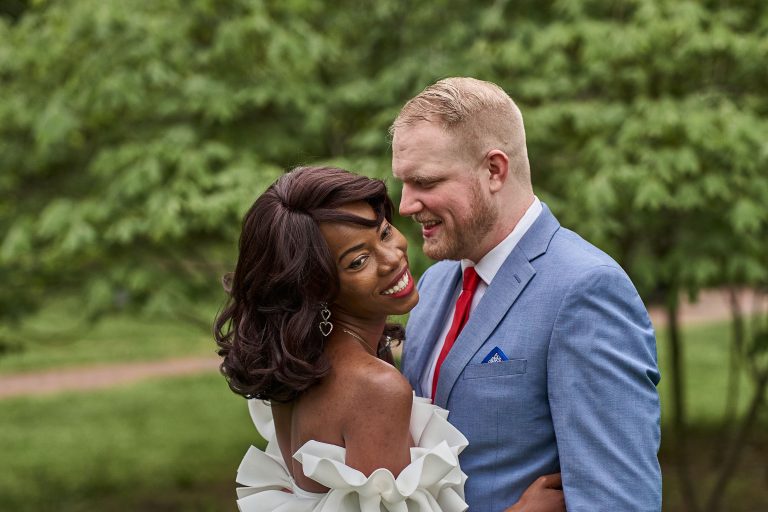
    South Africa loves to call itself the Rainbow Nation – a place where cultures, languages and identities coexist in vivid colour. Weddings reflect that beautifully. Across the country, couples are blending traditions, creating ceremonies that honour more than one heritage and redefining what modern marriage looks like.

    But not too long ago, some South Africans were legally forbidden from marrying the person they loved.

    Interracial marriage in South Africa has a history shaped by politics, control and resistance – and understanding that history gives even more meaning to the couples celebrating their love freely today.

    When love became political

    Before apartheid was formally introduced, race already influenced daily life in South Africa. But things changed dramatically after the National Party came into power in 1948 and began codifying racial segregation into law. One of the earliest and most symbolic pieces of apartheid legislation was the Prohibition of Mixed Marriages Act of 1949.

    The law banned marriages between white South Africans and people classified as belonging to other racial groups. Marriage officers were prohibited from conducting these unions, and interracial marriages performed outside South Africa could also be considered invalid at home. Soon after, restrictions extended beyond marriage.

    The Immorality Act made intimate relationships across racial lines illegal too – turning private relationships into matters of state control. Together, these laws became central to apartheid’s broader project of enforcing racial separation.

    The couples who existed anyway

    History often records laws more clearly than it records people. Yet despite restrictions, interracial relationships continued to exist – quietly, carefully and sometimes at enormous personal risk.

    Some couples left the country. Some kept relationships private. Others challenged social expectations simply by continuing to choose one another. What makes this chapter of history powerful is not that love suddenly appeared after laws changed. It never disappeared.

    The law tried to regulate relationships – but it could not erase them.

    1985: A turning point

    On 19 June 1985, South Africa repealed the Prohibition of Mixed Marriages Act through the Immorality and Prohibition of Mixed Marriages Amendment Act.

    The repeal did not end apartheid overnight. But symbolically, it marked an important shift: the state could no longer decide who people were allowed to love or marry.

    For many South Africans, it represented something larger than legislation – a small but meaningful crack in a system built on separation.

    What interracial marriage looks like in South Africa today

    Today’s South African weddings tell a very different story. Modern couples are increasingly embracing blended celebrations – combining faith traditions, multilingual ceremonies, family rituals and fashion influences that reflect multiple identities at once.

    Interracial marriage is no longer framed as unusual in the mainstream wedding space. Instead, the conversation has evolved into one about intentionality and how couples honour different cultures while building something entirely their own.

    And perhaps that is the most remarkable part. Not that interracial marriage exists – but that many couples now have the freedom to make love visible.

    Weddings have always been about more than two people. But sometimes, they tell the story of a country too.

    ALSO SEE: Two Families, One Heart: How to Blend Traditions & Relationships in a Blended Wedding 

    Two Families, One Heart: How to Blend Traditions & Relationships in a Blended Wedding

    Featured image: David Disponett / Pexels
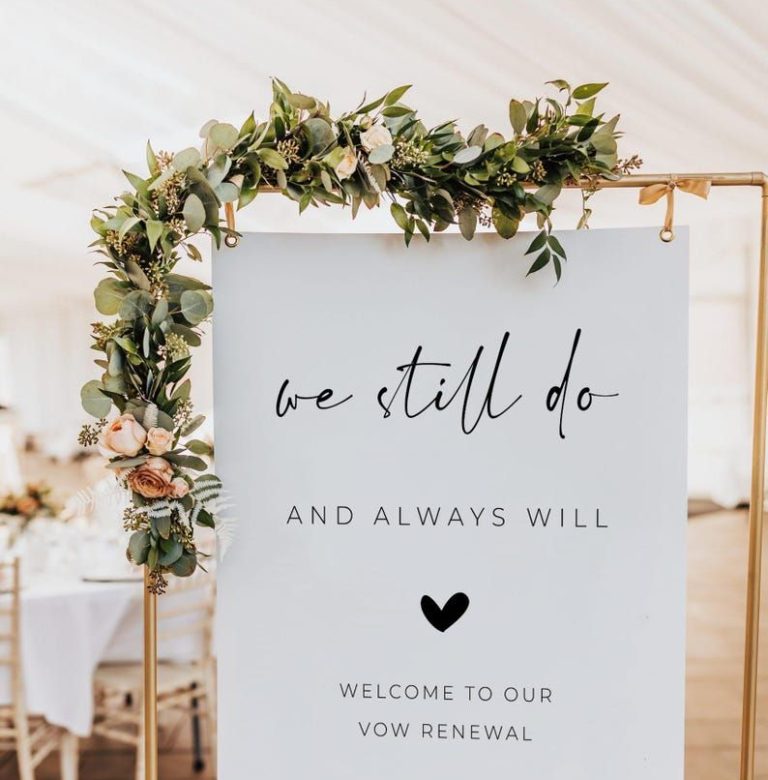
    Why Couples Choose To Say “I Still Do”

    Marriage isn’t a straight line—it’s a winding journey filled with highs, lows, and countless “we’ll figure it out” moments. Over the years, many couples realise that love looks different than it did on their wedding day. Between raising kids, career changes, or surviving life’s curveballs, your vows become more than poetic promises—they’re proof of endurance.

    That’s why more couples are choosing to renew their vows. It’s not just about romance; it’s a reminder that after everything, you’d still choose each other. Relationship strategist Elizabeth Overstreet calls it “a reaffirmation that the good continues to outweigh the challenges,” a symbolic act of resilience and recommitment.

    The Milestone Years That Matter Most

    Traditionally, couples celebrate milestones every five years: wood for the 5th, silver for the 25th, gold for the 50th. But in reality, the “right” anniversary is deeply personal. Maybe your 12th year felt more meaningful than your 10th because you overcame a rough patch or welcomed your first child.

    Experts say couples often choose the 5th, 10th, 25th, or 50th anniversary as natural points to renew vows. Others prefer moments of personal triumph—such as recovering from illness, surviving financial strain, or simply rediscovering their spark.

    In South Africa, where family remains central to community life, many couples use vow renewals to bring generations together. It’s a way to remind children and loved ones that love, like ubuntu, grows stronger when shared.

    Things To Consider Before Planning A Vow Renewal

    Before diving into Pinterest boards and floral quotes, take a step back. Even small vow renewals need planning, a bit of budgeting, and emotional intention.

    Your Guest List

    Decide who you want to share the moment with. Some couples opt for a quiet exchange under a tree or in their backyard; others invite family and close friends for a full celebration. Wedding planner Alicia Mae says many use vow renewals to do what they couldn’t the first time—whether that means adding personal touches or skipping the stressful parts.

    Budget And Costs

    Vow renewals can range from simple to extravagant. A small garden ceremony may cost just a few thousand rand, while a venue or resort celebration can easily run into tens of thousands. Costs vary depending on location, décor, and photography, but experts say a renewal can be as intimate or lavish as you wish—it’s the meaning that counts.

    Timing And Significance

    Think beyond the numbers. Choose a date that reflects your shared story—maybe the year you survived something tough together, or when you moved cities and started anew. This emotional anchor often makes the ceremony more memorable than the anniversary itself.

    Destination Ideas For Your Vow Renewal

    From vineyards in the Cape Winelands to beaches in St. Lucia, vow renewals today span the globe. Some South Africans even turn their milestone into a travel experience.

    Beach Escapes

    Couples often head to coastal resorts for an intimate “I Do for Two” experience—like a secluded ceremony at sunset with just the sound of waves and champagne in hand.

    Vineyard Celebrations

    Wine farms remain a timeless choice. Places like Franschhoek or Stellenbosch offer breathtaking views, fine wine, and that old-world romance perfect for a small renewal surrounded by nature.

    Family Retreats

    Others choose to rent a small boutique hotel or lodge, bringing their families along for a weekend celebration. It’s less about formality and more about connection—recreating the joy of a wedding without the stress.

    The Heart Of It All

    Whether it’s your 5th or 25th anniversary, renewing your vows isn’t about redoing your wedding—it’s about rediscovering each other. It’s saying, “After all these years, through every version of us, I still choose you.”

    And in a world that often rushes past the quiet, meaningful moments, that might be the most romantic gesture of all.

    Featured Image Source: Pinterest