
• Tag

    love and relationships

    Browsing

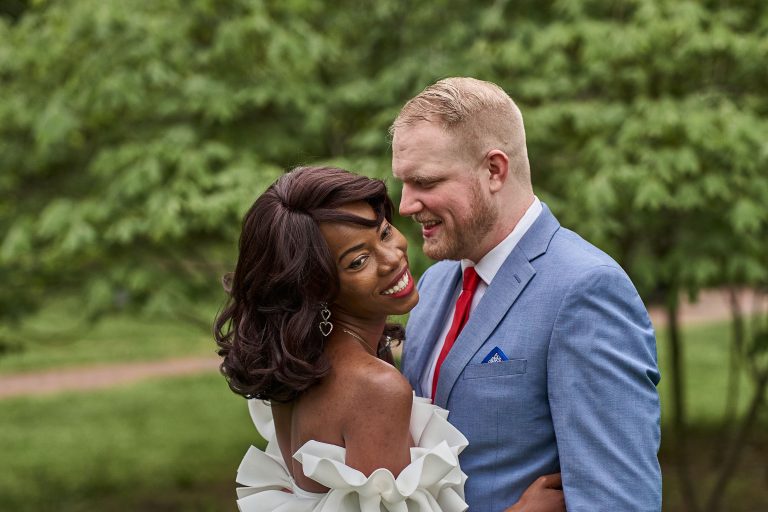
    South Africa loves to call itself the Rainbow Nation – a place where cultures, languages and identities coexist in vivid colour. Weddings reflect that beautifully. Across the country, couples are blending traditions, creating ceremonies that honour more than one heritage and redefining what modern marriage looks like.

    But not too long ago, some South Africans were legally forbidden from marrying the person they loved.

    Interracial marriage in South Africa has a history shaped by politics, control and resistance – and understanding that history gives even more meaning to the couples celebrating their love freely today.

    When love became political

    Before apartheid was formally introduced, race already influenced daily life in South Africa. But things changed dramatically after the National Party came into power in 1948 and began codifying racial segregation into law. One of the earliest and most symbolic pieces of apartheid legislation was the Prohibition of Mixed Marriages Act of 1949.

    The law banned marriages between white South Africans and people classified as belonging to other racial groups. Marriage officers were prohibited from conducting these unions, and interracial marriages performed outside South Africa could also be considered invalid at home. Soon after, restrictions extended beyond marriage.

    The Immorality Act made intimate relationships across racial lines illegal too – turning private relationships into matters of state control. Together, these laws became central to apartheid’s broader project of enforcing racial separation.

    The couples who existed anyway

    History often records laws more clearly than it records people. Yet despite restrictions, interracial relationships continued to exist – quietly, carefully and sometimes at enormous personal risk.

    Some couples left the country. Some kept relationships private. Others challenged social expectations simply by continuing to choose one another. What makes this chapter of history powerful is not that love suddenly appeared after laws changed. It never disappeared.

    The law tried to regulate relationships – but it could not erase them.

    1985: A turning point

    On 19 June 1985, South Africa repealed the Prohibition of Mixed Marriages Act through the Immorality and Prohibition of Mixed Marriages Amendment Act.

    The repeal did not end apartheid overnight. But symbolically, it marked an important shift: the state could no longer decide who people were allowed to love or marry.

    For many South Africans, it represented something larger than legislation – a small but meaningful crack in a system built on separation.

    What interracial marriage looks like in South Africa today

    Today’s South African weddings tell a very different story. Modern couples are increasingly embracing blended celebrations – combining faith traditions, multilingual ceremonies, family rituals and fashion influences that reflect multiple identities at once.

    Interracial marriage is no longer framed as unusual in the mainstream wedding space. Instead, the conversation has evolved into one about intentionality and how couples honour different cultures while building something entirely their own.

    And perhaps that is the most remarkable part. Not that interracial marriage exists – but that many couples now have the freedom to make love visible.

    Weddings have always been about more than two people. But sometimes, they tell the story of a country too.

    ALSO SEE: Two Families, One Heart: How to Blend Traditions & Relationships in a Blended Wedding 

    Two Families, One Heart: How to Blend Traditions & Relationships in a Blended Wedding

    Featured image: David Disponett / Pexels

    Before the wedding bells ring and the vows are exchanged, it’s worth asking: are you and your partner truly aligned on what matters most? Beyond flowers, venues, and guest lists, it’s the invisible glue of shared values that determines whether your marriage will thrive long after the honeymoon phase ends.

    In South Africa, where diverse cultures meet and marriage often brings two families together, shared principles aren’t just about personal happiness — they shape how you grow as a unit, navigate challenges, and even raise future generations.

    Let’s explore the seven non-negotiable values every couple should talk about before saying “I do.”

    Communication

    Every strong marriage begins with communication. Being able to speak honestly, listen actively, and understand one another prevents small misunderstandings from turning into big issues. Healthy communication means saying what you mean — and meaning what you say — without blame or judgment.

    Couples who talk openly about their worries, goals, and expectations tend to feel more connected and respected. Remember, communication isn’t just about solving problems; it’s about staying emotionally in tune.

    Respect

    Respect is what keeps love grounded. It’s found in everyday acts — listening when your partner speaks, supporting their dreams, and valuing their opinions even when you disagree. Without respect, affection fades and resentment takes its place.

    When couples treat each other as equals, they create an environment where both can thrive. Mutual respect keeps your marriage balanced, especially when life throws challenges your way.

    Trust

    Trust is the quiet assurance that your partner has your back, no matter the distance or the doubt. It’s the foundation of emotional security, allowing both people to show up as their authentic selves.

    If trust breaks down, everything else starts to crumble. Building and maintaining trust takes consistency and transparency — it’s a daily choice to believe in your partner and in the bond you share.

    Forgiveness

    Every couple fights, but the healthiest ones know how to forgive. Letting go of grudges doesn’t erase the hurt; it allows both of you to heal and move forward. Holding onto resentment only creates emotional distance.

    Forgiveness means prioritizing love over pride and choosing to grow together rather than apart. It’s an act of courage and compassion that keeps relationships alive through even the hardest seasons.

    Boundaries

    In love, boundaries aren’t barriers — they’re protection. They remind you that it’s okay to say no, to ask for space, and to nurture your individuality within the relationship. Without boundaries, it’s easy to lose yourself in trying to please your partner.

    Setting healthy limits builds respect and trust. It shows that you value your wellbeing and your partner’s too. When both people know where they stand, the relationship becomes a space of freedom instead of pressure.

    Honesty

    Honesty is more than telling the truth — it’s about being authentic. When you’re honest with your partner, you create a bond rooted in transparency and emotional intimacy. There’s no second-guessing, no pretending, just real connection.

    Of course, honesty can be uncomfortable, especially when tough conversations arise. But facing truth with empathy builds strength and deepens mutual understanding. In marriage, that’s priceless.

    Religion

    Faith often shapes family traditions, holidays, and daily routines — especially in South Africa, where spiritual diversity runs deep. Whether you share the same religion or come from different beliefs, conversations about faith are vital before marriage.

    Discuss how you’ll celebrate religious holidays, raise children, or attend services. These discussions don’t have to divide you; they can help you create a shared spiritual foundation that reflects both your worlds.

    Moving Forward

    Marriage isn’t just about love — it’s about alignment. When two people share core values, they create a partnership that can weather any storm. Before walking down the aisle, take the time to talk deeply about what truly matters. Because when your values match, your love only grows stronger.

    Featured Image: Foto Petinne on Unsplash