
• Tag

    love and marriage

    Browsing

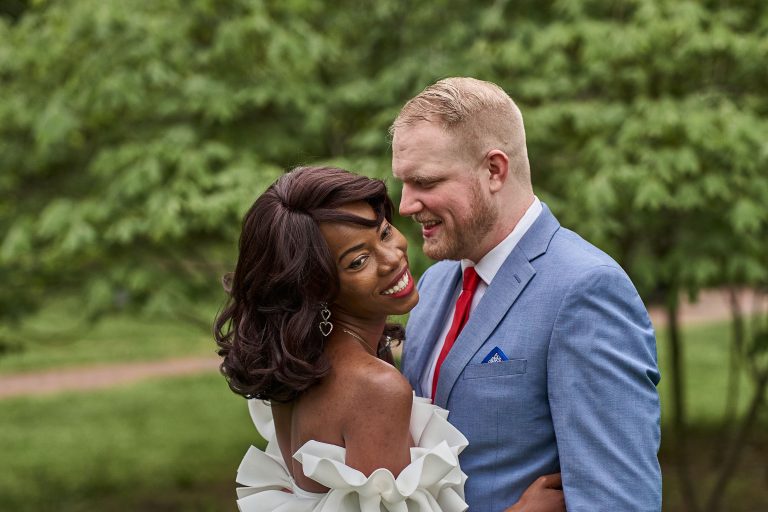
    South Africa loves to call itself the Rainbow Nation – a place where cultures, languages and identities coexist in vivid colour. Weddings reflect that beautifully. Across the country, couples are blending traditions, creating ceremonies that honour more than one heritage and redefining what modern marriage looks like.

    But not too long ago, some South Africans were legally forbidden from marrying the person they loved.

    Interracial marriage in South Africa has a history shaped by politics, control and resistance – and understanding that history gives even more meaning to the couples celebrating their love freely today.

    When love became political

    Before apartheid was formally introduced, race already influenced daily life in South Africa. But things changed dramatically after the National Party came into power in 1948 and began codifying racial segregation into law. One of the earliest and most symbolic pieces of apartheid legislation was the Prohibition of Mixed Marriages Act of 1949.

    The law banned marriages between white South Africans and people classified as belonging to other racial groups. Marriage officers were prohibited from conducting these unions, and interracial marriages performed outside South Africa could also be considered invalid at home. Soon after, restrictions extended beyond marriage.

    The Immorality Act made intimate relationships across racial lines illegal too – turning private relationships into matters of state control. Together, these laws became central to apartheid’s broader project of enforcing racial separation.

    The couples who existed anyway

    History often records laws more clearly than it records people. Yet despite restrictions, interracial relationships continued to exist – quietly, carefully and sometimes at enormous personal risk.

    Some couples left the country. Some kept relationships private. Others challenged social expectations simply by continuing to choose one another. What makes this chapter of history powerful is not that love suddenly appeared after laws changed. It never disappeared.

    The law tried to regulate relationships – but it could not erase them.

    1985: A turning point

    On 19 June 1985, South Africa repealed the Prohibition of Mixed Marriages Act through the Immorality and Prohibition of Mixed Marriages Amendment Act.

    The repeal did not end apartheid overnight. But symbolically, it marked an important shift: the state could no longer decide who people were allowed to love or marry.

    For many South Africans, it represented something larger than legislation – a small but meaningful crack in a system built on separation.

    What interracial marriage looks like in South Africa today

    Today’s South African weddings tell a very different story. Modern couples are increasingly embracing blended celebrations – combining faith traditions, multilingual ceremonies, family rituals and fashion influences that reflect multiple identities at once.

    Interracial marriage is no longer framed as unusual in the mainstream wedding space. Instead, the conversation has evolved into one about intentionality and how couples honour different cultures while building something entirely their own.

    And perhaps that is the most remarkable part. Not that interracial marriage exists – but that many couples now have the freedom to make love visible.

    Weddings have always been about more than two people. But sometimes, they tell the story of a country too.

    ALSO SEE: Two Families, One Heart: How to Blend Traditions & Relationships in a Blended Wedding 

    Two Families, One Heart: How to Blend Traditions & Relationships in a Blended Wedding

    Featured image: David Disponett / Pexels
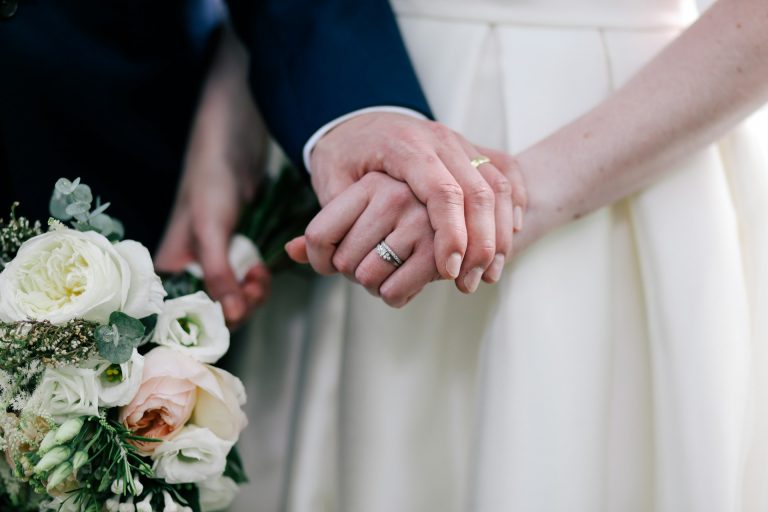
    Marriage isn’t just about the wedding day. It’s about the long road after the confetti and celebrations have settled—the arguments, the quiet moments, the decisions that shape your future together. While no couple can predict every twist and turn, asking the right questions before you say “I do” can help you step into marriage with clarity, confidence, and compassion.

    These conversations aren’t about being pessimistic. They’re about being prepared. As one local relationship coach puts it, “Anything you don’t resolve before marriage will come up stronger after it.” In South Africa, where family dynamics, cultural traditions, and financial realities can add extra layers of complexity, it’s even more important to talk things through.

    Here are 18 questions that can make the difference between just surviving marriage and truly thriving in it.

    1. What Does Marriage Mean to You?

    To some, it’s a lifelong partnership. To others, it’s a legal agreement or a spiritual bond. If your definitions don’t align, expectations will clash. Start here.

    2. What Are Your Financial Goals?

    Money is one of the biggest sources of stress in marriages. Talk about debt, savings, spending habits, and whether you’ll merge accounts. Better to unpack it now than fight about it later.

    3. How Can I Support You When You’re Stressed?

    Some need space. Others need hugs. Learn what helps your partner cope before life throws curveballs your way.

    4. Do You Want Children—and What If We Struggle?

    It’s not just about whether you want kids, but how you’ll handle challenges like IVF, adoption, or infertility. Shared values here will save heartache later.

    5. What Are Your Parenting Expectations?

    Who cooks, who cleans, who changes nappies, and who works late? Gender roles and cultural traditions can shape parenting—talk through your vision of family life.

    6. Where Do You See Yourself Living in 5–10 Years?

    Dreaming of a Cape Town city apartment while your partner imagines a farm in Limpopo? Location matters more than you think.

    7. What’s Your Communication Style?

    Do you need time to think before responding? Do you talk things out immediately? Knowing this will prevent countless arguments.

    8. What’s Your Love Language?

    Words, gifts, acts of service, quality time, or physical touch—what makes you feel most loved?

    9. What Are Your Deal-Breakers?

    From religion to career ambitions, deal-breakers can end marriages if ignored. Be upfront about yours.

    10. How Much Alone Time Do You Need?

    Needing space doesn’t mean being distant. Clarify what alone time looks like for each of you.

    11. What Are Your Views on Religion or Spirituality?

    In a diverse country like South Africa, differences in faith can create friction. Discuss how you’ll navigate traditions, values, and future children’s beliefs.

    12. What Does Retirement Look Like to You?

    It may feel far away, but whether you dream of retiring in Durban or chasing adventure abroad, it’s worth exploring.

    13. What’s Your Biggest Fear?

    Marriage isn’t just about sharing dreams—it’s about sharing vulnerabilities. Fears open the door to deeper understanding.

    14. How Do We Handle In-Laws?

    Family is central in South African culture, but it can complicate marriage. Boundaries matter.

    15. What Are Your Marriage Fantasies?

    Do you imagine weekly date nights, constant travel, or traditional home life? Align your visions.

    16. What Are Your Expectations Around Sex?

    Intimacy changes over time. Talk openly about what you expect, and how you’ll adapt in different seasons.

    17. What Do You Want Our Social Life to Look Like?

    Do you want weekends filled with family braais, or cozy nights in? Agreeing on this balance avoids conflict.

    18. How Do You Prioritize Us?

    At the end of the day, marriage means creating a “team of two.” Ask: how will we keep choosing each other, even when life gets complicated?

    Why These Questions Matter

    In many South African households, people don’t always grow up seeing healthy marriages modeled. That’s why conversations like these are crucial. Social media has even become a space where couples share how premarital counseling or asking tough questions saved them from mismatched expectations.

    Talking about these things won’t guarantee a perfect marriage, but it will give you a good roadmap. And in a world where divorce rates are rising, a roadmap is worth gold.

    So grab some coffee, sit down with your partner, and ask the uncomfortable questions. It might just be the most loving thing you do before walking down the aisle.

    Featured Image Source: Photos by Lanty on Unsplash