• Tag

    home-carousel

    Browsing

    Weddings are evolving and so are their color stories. Where soft neutrals once reigned supreme, 2025 is ushering in a bold new era of moody, jewel-toned palettes: think emerald greens, deep burgundy, sapphire blues, and rich plum. These sumptuous hues bring drama, depth, and emotion to a celebration, creating unforgettable atmospheres.

    Below, we explore how this shift is playing out in South Africa, how to blend statement color with timeless style, and offer ready-to-use palette “recipes” you can adapt to your wedding.

    Seasonal Color Trends in South Africa: Summer vs. Winter

    South Africa’s climates and landscapes lend themselves beautifully to changing color moods each season. Local vendors and blogs are already spotting these shifts.

    Summer / Warm Seasons

    • Brighter and lighter jewel tones, emerald, teal, fuchsia—pair beautifully with lush greenery and abundant natural light.

    • Accent with metallics (rose gold, warm copper) and softer neutrals to keep the look refined.

    • According to a South African bridal trend blog, summer 2025 palettes are seeing vibrant choices like coral, terracotta, moss green, and dusty lavender.

    • Yet even summer palettes are leaning away from pastel toward more saturated hues.

    Winter / Cooler Seasons

    • Deep, moody tones shine in winter: burgundy, sapphire, forest green, plum.

    • Velvet textures, dark wood, and richer metallics (antique gold, bronze) help enhance warmth and coziness.

    • Jewel-tone table settings, emerald, amethyst, ruby are gaining popularity for winter ceremonies.

    • South African décor sources also highlight “bold color” as a strong ongoing trend, with deep purples and jewel accents making statement touches.

    Tip: If your wedding straddles seasons (e.g. early autumn or late spring), bridge neutrals (cream, taupe, soft grey) help soften transitions between bold and subtle hues.

    Blending Dramatic Tones with Classic Aesthetics

    Using deep, bold hues doesn’t mean giving up elegance or timelessness. Here are strategies to strike balance:

    1. Anchor with Neutrals
      Use ivory, soft beige, or light grey as your base (linens, draping, walls) and let jewel tones appear in pops — napkins, florals, chair ties.

    2. Limit Bold Accents
      Choose one or two primary dramatic colors and pair them with supportive secondary shades. Avoid overcrowding with all saturations.

    3. Texture & Depth
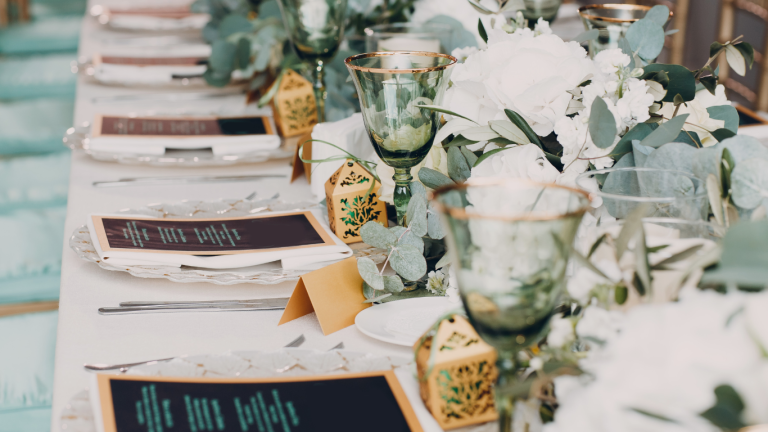
      Mix velvet, silk, matte and glossy finishes. A velvet tablecloth in deep emerald with satin napkins and a metallic charger creates luscious contrast.

    4. Metallics
      Gold, brass, bronze or even pewter can lend elegance and lighten darker palettes. Use sparingly — frames, flatware, candleholders.

    5. Florals & Foliage as Transition Tools
      Use greenery, soft neutral blooms, and subtle tonal gradations to bridge between bold and classic.

    6. Lighting & Ambience
      Warm lighting softens saturated hues. Uplights, candles, and warm white string lights can make jewel tones feel inviting, not heavy.

    Palette “Recipes”, Pairing Florals, Linens & Dress Tie-Ins

    Here are some palette ideas (“recipes”) to help you mix and match florals, linens, and attire cohesively. Each recipe includes a dominant hue + accent + neutral.

    Palette Name Dominant Hue Accent / Secondary Neutral / Softening Tone Notes
    Emerald & Blush Emerald green Blush pink, dusty rose Champagne or ivory Softens green’s intensity; blush warms up cool green
    Burgundy & Plum Deep burgundy Mauve, dusty wine Soft taupe or stone Elegant and regal for evening weddings
    Sapphire & Teal Sapphire blue Teal, aqua Light grey or silver Great for coastal or modern venues
    Amethyst & Sage Rich purple Sage green Cream or pale lavender Earthy but dramatic
    Ruby & Gold Ruby red Berry tones, deep rose Warm ivory Use gold accents to elevate richness

    How to apply these recipes:

    • Florals: Let your dominant hue guide your main blooms, then use accent tones in secondary flowers. For example: emerald foliage, blush roses, cream spray roses.

    • Linens / Napkins: Use neutrals for tablecloths; napkins or runners can carry the accent colors.

    • Bridal Party / Dresses: Bridesmaids might wear the accent color (blush), while groomsmen wear pocket squares or ties in the dominant hue (emerald).

    • Stationery & Signage: Carry the palette across welcome signs, menus, seating charts.

    To keep jewel tones from feeling too heavy, incorporate touches of lighter hues like blush or cream.
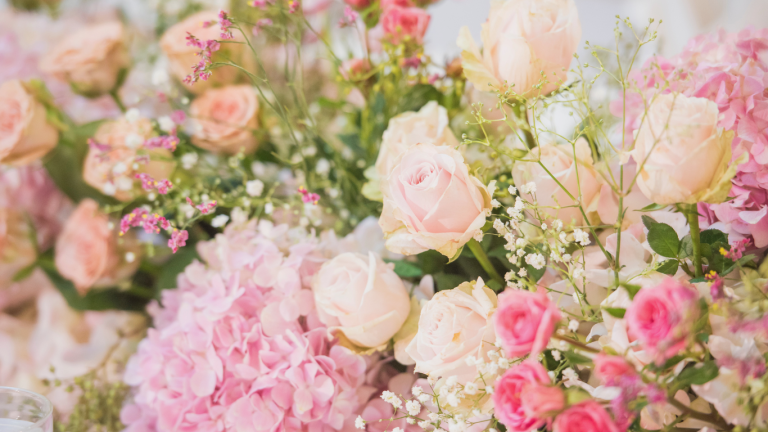
    Jewel tone weddings, emeralds, sapphires, amethysts—are gaining traction for their luxurious and dramatic feel.

    Thoughts & Tips

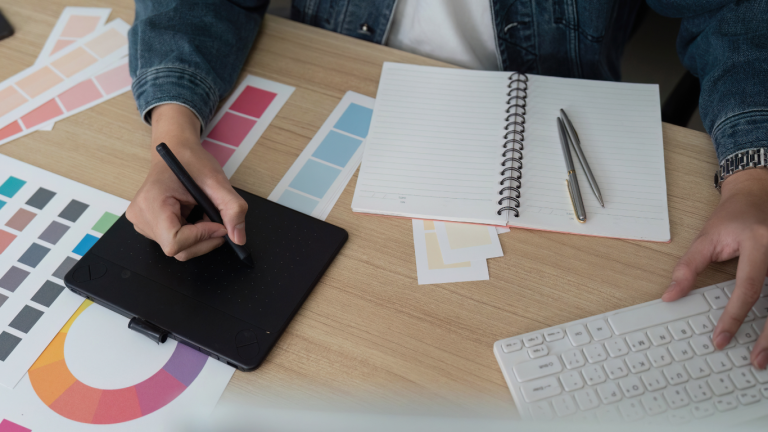
    • Start with a mood board early: gather fabrics, flower photos, paint chips.

    • Order samples of linens and swatches in your intended hues to test in your venue’s lighting.

    • Work closely with your florist, designer, and lighting team to ensure the colors harmonize under different light.

    • Don’t shy away from bold tones, but be intentional. A carefully chosen dramatic palette can make your wedding unforgettable.

    Featured Image: Canva
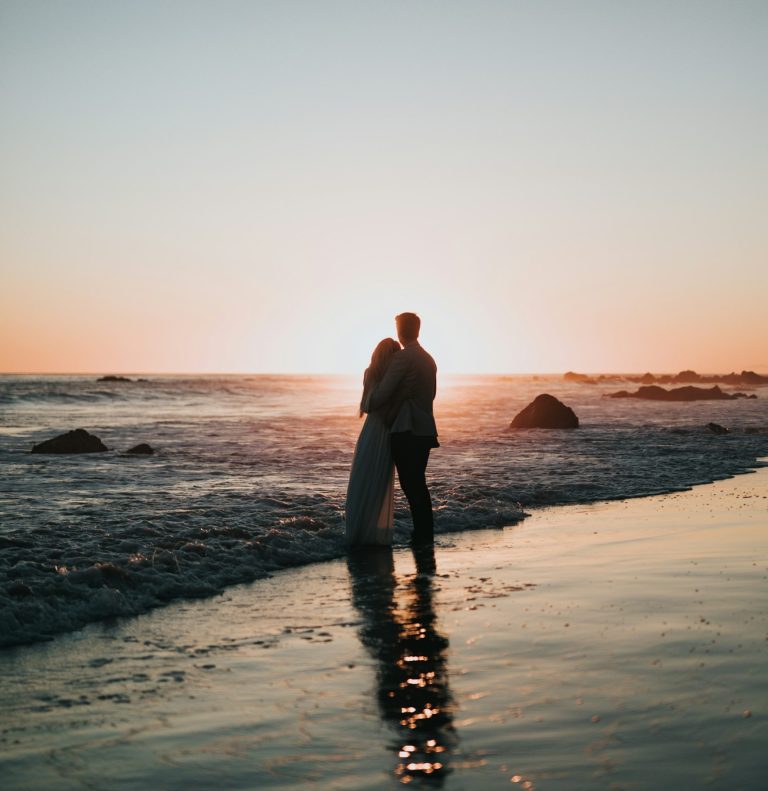
    Photo by Nathan Dumlao on Unsplash

    Every couple knows that giddy, butterflies-in-your-stomach feeling that comes with a new relationship. The late-night phone calls, the constant affection, and the sense that you’ve found your person—it’s intoxicating. But eventually, that sugar-sweet rush begins to fade, and real life steps in. Welcome to the natural evolution of love beyond the honeymoon phase.

    What The Honeymoon Phase Really Is

    The honeymoon phase is the early stage of a relationship where everything feels light, fun, and effortless. It’s when your partner can do no wrong, and every moment together feels like a highlight reel. According to relationship experts, this phase usually lasts anywhere between six months and two years.

    During this period, couples are still learning about each other—sharing firsts, discovering quirks, and building emotional intimacy. It’s also a time when the brain releases a cocktail of feel-good chemicals like dopamine and oxytocin, giving that euphoric “in love” feeling that makes even ordinary moments feel special.

    Do All Couples Experience It?

    Not necessarily. Some couples experience an immediate rush of romance, while others build their connection slowly and steadily. And that’s perfectly okay.

    Those who don’t have an intense honeymoon phase often end up developing a deeper and more realistic bond early on. Without the distraction of infatuation, they’re able to see their partner clearly—flaws and all. In fact, experts say that slow-burning relationships often lead to longer-lasting love because they’re grounded in emotional compatibility rather than instant chemistry.

    As one local therapist put it, “When the spark doesn’t happen instantly, it doesn’t mean it never will—it might just grow over time.”

    How To Enjoy The Honeymoon Phase

    If you’re in the midst of your honeymoon phase, soak it all in. Go on spontaneous adventures, stay up talking till sunrise, and learn as much as you can about each other. It’s a beautiful time to explore your connection.

    But there’s also a gentle word of caution: don’t make huge life decisions while you’re still caught up in the bliss. Experts advise waiting until the emotional fog lifts before moving in together, getting engaged, or signing a joint lease. Enjoy the romance, but keep one foot in reality.

    When The Glow Begins To Fade

    One day, the rose-tinted glasses slip off. The quirks that once seemed cute might start to irritate you. Small disagreements turn into real arguments. You might even question whether the relationship is as solid as you thought.

    This is the point where many couples panic—but they shouldn’t. It’s the moment when the relationship shifts from fantasy to authenticity. You begin to see your partner for who they truly are, and that’s a good thing.

    The end of the honeymoon phase doesn’t mean love is fading—it means it’s evolving.

    Life After The Honeymoon Phase

    Once the initial magic fades, relationships enter their most honest stage. You learn to communicate better, handle conflict, and show love in more meaningful ways. The everyday tasks—like cooking dinner or navigating stress together—become opportunities to build trust and partnership.

    In South Africa, where many couples juggle busy city lives and family expectations, this stage often tests how resilient love really is. Whether it’s sharing responsibilities in a small flat or planning for a wedding amid career chaos, couples who weather this shift together tend to come out stronger.

    Social media is full of reminders that love is supposed to be fireworks forever, but in reality, the slow, steady warmth that follows the honeymoon phase is far more rewarding.

    The Takeaway

    The honeymoon phase is fleeting, but love doesn’t have to be. When the glitter settles and you start seeing each other clearly, that’s when your relationship truly begins. Because lasting love isn’t about perfection—it’s about choosing each other, even on the ordinary days.

    So, if you’re lucky enough to be in that blissful stage right now, enjoy it. But know that what comes next—the quiet, grounded, grown-up love—is just as beautiful, if not more.

    Every bride dreams of that effortless wedding-day glow — the kind that looks fresh, radiant, and untouched by stress. But between last-minute seating plans, makeup trials, and a whirlwind of emotions, your skin might not be on the same timeline. The good news? You can still wake up looking luminous, even if the big day is just hours away.

    Dermatologists say achieving completely clear skin overnight isn’t always realistic, but a visible overnight boost? Absolutely possible. Here’s how to prep your skin the night before your wedding for that naturally radiant, camera-ready finish.

    Cleanse Like You Mean It

    Before bed, give your skin a fresh start. Use a gentle cream-to-oil cleanser that melts away makeup and dirt without stripping your skin. Harsh scrubs are a no-go right before your wedding — they can leave your skin sensitive or red.

    Try local favourites like Africology’s Gentle Cleansing Cream or Skin Creamery’s Oil-Milk Cleanser for a smooth, hydrated base that glows by morning.

    Try A Natural Skin Booster

    Your kitchen cupboard might just hold a secret weapon: apple cider vinegar. Used as a gentle toner, it helps balance your skin and calm any surprise breakouts. Apply a small amount with a cotton pad before bed — it’s mild enough for most skin types and works overnight to refresh and clarify. The smell isn’t glamorous, but the glow is.

    Hydrate With A Sheet Mask

    Few things feel more luxurious than a pre-wedding sheet mask moment. Choose one packed with hydrating ingredients like hyaluronic acid, avocado oil, or aloe vera. Leave it on for 15–20 minutes to plump and refresh your skin. By morning, you’ll look like you’ve had eight hours of spa sleep.

    Skip The Salt, Drink The Water

    Salty snacks and wedding stress might go hand in hand, but they’re the enemies of glowing skin. Sodium causes puffiness, especially under the eyes, which can make you look tired. Instead, drink plenty of water or a cup of caffeine-free rooibos tea to stay hydrated and de-puffed.

    Bonus tip: add cucumber slices or lemon to your water for a natural detox effect.

    Add A Few Drops Of Oil

    If you’ve been avoiding facial oils, it’s time to rethink it. Non-comedogenic oils like marula, argan, or sunflower seed nourish your skin and seal in moisture overnight. Just a few drops under your night cream can make a visible difference by morning — softer, smoother, and more radiant skin awaits.

    Brighten The Eyes

    Late-night wedding prep can leave your eyes showing it first. A brightening eye cream with vitamin C or caffeine will help reduce puffiness and dark circles. Gently massage from your temples toward the inner corners to boost circulation and bring back that lively, well-rested look.

    Don’t Pop Pimples

    If a pimple dares to show up before your big day, hands off. Popping it will only make it worse. Instead, dab a calming spot treatment or a little plain yogurt — yes, yogurt — which naturally soothes inflammation and helps the skin heal overnight.

    Keep Your Hands Away From Your Face

    This one’s simple but crucial: don’t touch your face. Even clean hands can transfer bacteria that trigger breakouts. If you need to fix your hair or makeup, keep a clean tissue nearby to avoid unnecessary contact.

    What This Means for You:

    No miracle product can erase months of stress in one night — but with the right routine, you can absolutely revive your glow before your wedding. Keep it gentle, stay hydrated, and focus on nourishing rather than overdoing.

    By the time the sun rises, your skin will be rested, radiant, and ready for your moment down the aisle.

    Marriage isn’t just about the wedding day. It’s about the long road after the confetti and celebrations have settled—the arguments, the quiet moments, the decisions that shape your future together. While no couple can predict every twist and turn, asking the right questions before you say “I do” can help you step into marriage with clarity, confidence, and compassion.

    These conversations aren’t about being pessimistic. They’re about being prepared. As one local relationship coach puts it, “Anything you don’t resolve before marriage will come up stronger after it.” In South Africa, where family dynamics, cultural traditions, and financial realities can add extra layers of complexity, it’s even more important to talk things through.

    Here are 18 questions that can make the difference between just surviving marriage and truly thriving in it.

    1. What Does Marriage Mean to You?

    To some, it’s a lifelong partnership. To others, it’s a legal agreement or a spiritual bond. If your definitions don’t align, expectations will clash. Start here.

    2. What Are Your Financial Goals?

    Money is one of the biggest sources of stress in marriages. Talk about debt, savings, spending habits, and whether you’ll merge accounts. Better to unpack it now than fight about it later.

    3. How Can I Support You When You’re Stressed?

    Some need space. Others need hugs. Learn what helps your partner cope before life throws curveballs your way.

    4. Do You Want Children—and What If We Struggle?

    It’s not just about whether you want kids, but how you’ll handle challenges like IVF, adoption, or infertility. Shared values here will save heartache later.

    5. What Are Your Parenting Expectations?

    Who cooks, who cleans, who changes nappies, and who works late? Gender roles and cultural traditions can shape parenting—talk through your vision of family life.

    6. Where Do You See Yourself Living in 5–10 Years?

    Dreaming of a Cape Town city apartment while your partner imagines a farm in Limpopo? Location matters more than you think.

    7. What’s Your Communication Style?

    Do you need time to think before responding? Do you talk things out immediately? Knowing this will prevent countless arguments.

    8. What’s Your Love Language?

    Words, gifts, acts of service, quality time, or physical touch—what makes you feel most loved?

    9. What Are Your Deal-Breakers?

    From religion to career ambitions, deal-breakers can end marriages if ignored. Be upfront about yours.

    10. How Much Alone Time Do You Need?

    Needing space doesn’t mean being distant. Clarify what alone time looks like for each of you.

    11. What Are Your Views on Religion or Spirituality?

    In a diverse country like South Africa, differences in faith can create friction. Discuss how you’ll navigate traditions, values, and future children’s beliefs.

    12. What Does Retirement Look Like to You?

    It may feel far away, but whether you dream of retiring in Durban or chasing adventure abroad, it’s worth exploring.

    13. What’s Your Biggest Fear?

    Marriage isn’t just about sharing dreams—it’s about sharing vulnerabilities. Fears open the door to deeper understanding.

    14. How Do We Handle In-Laws?

    Family is central in South African culture, but it can complicate marriage. Boundaries matter.

    15. What Are Your Marriage Fantasies?

    Do you imagine weekly date nights, constant travel, or traditional home life? Align your visions.

    16. What Are Your Expectations Around Sex?

    Intimacy changes over time. Talk openly about what you expect, and how you’ll adapt in different seasons.

    17. What Do You Want Our Social Life to Look Like?

    Do you want weekends filled with family braais, or cozy nights in? Agreeing on this balance avoids conflict.

    18. How Do You Prioritize Us?

    At the end of the day, marriage means creating a “team of two.” Ask: how will we keep choosing each other, even when life gets complicated?

    Why These Questions Matter

    In many South African households, people don’t always grow up seeing healthy marriages modeled. That’s why conversations like these are crucial. Social media has even become a space where couples share how premarital counseling or asking tough questions saved them from mismatched expectations.

    Talking about these things won’t guarantee a perfect marriage, but it will give you a good roadmap. And in a world where divorce rates are rising, a roadmap is worth gold.

    So grab some coffee, sit down with your partner, and ask the uncomfortable questions. It might just be the most loving thing you do before walking down the aisle.

    Featured Image Source: Photos by Lanty on Unsplash

    Weddings are joyous occasions, but they come with a set of traditions and expectations that can sometimes be confusing. Whether you’re a couple planning your nuptials or a guest preparing to attend, understanding wedding etiquette ensures that everyone feels comfortable and respected. Here’s a comprehensive guide to help you navigate the big day with grace.

    For Couples: Setting the Tone

    1. Invitation Etiquette
    Your wedding invitations set the stage for your celebration. Traditionally, invitations should be sent out six to eight weeks before the wedding date. Be clear about dress codes and any special requests, such as “unplugged” ceremonies where guests are asked to refrain from using phones during the event.

    2. RSVP Management
    Keep track of RSVPs meticulously. This helps in finalizing seating arrangements and catering numbers. If someone hasn’t responded by the deadline, it’s courteous to follow up to confirm their attendance.

    3. Seating Arrangements
    While it’s common to have family and friends seated on opposite sides of the aisle, modern weddings often adopt a more inclusive approach. Allowing guests to choose their seats can create a more relaxed atmosphere.

    4. Gift Registry
    Provide guests with a registry to guide them in selecting gifts. This ensures you receive items you truly need and helps guests avoid the stress of choosing the perfect present.

    For Guests: Attending with Elegance

    1. Timeliness
    Arrive at the venue 15 to 30 minutes before the ceremony begins. Being late can disrupt the proceedings and draw attention away from the couple.

    2. Dress Code Adherence
    Respect the dress code specified in the invitation. Avoid wearing white or off-white, as these colors are traditionally reserved for the bride.

    3. Social Media Sensitivity
    If the couple requests an “unplugged” ceremony, respect their wishes by refraining from taking photos. Additionally, wait for the couple to share images before posting on social media.

    4. Gift Giving
    If you bring a gift, ensure it’s appropriate and ideally from the couple’s registry. Avoid giving gifts that might be seen as presumptuous or overly personal.

    General Etiquette Tips

    • Communication: If you need to cancel or change your RSVP, do so as early as possible to allow the couple to adjust their plans.

    • Alcohol Consumption: Drink responsibly. Overindulgence can lead to uncomfortable situations and detract from the celebration.

    • Respect Traditions: Whether it’s a religious ceremony or a cultural ritual, approach all traditions with respect and an open mind.

    • Thank-You Notes: Couples should send thank-you notes to guests who attended and gave gifts. This shows appreciation and acknowledges their presence on your special day.

    By adhering to these etiquette guidelines, both couples and guests can contribute to a harmonious and memorable wedding experience. Remember, weddings are about celebrating love and unity, approaching them with respect and consideration ensures that everyone enjoys the day to its fullest.

    In 2025, wedding decor is embracing a bold new trend: immersive, floor-to-ceiling environments that envelop guests in a cohesive and dramatic atmosphere. Gone are the days of focusing solely on tablescapes and centerpieces; today’s couples are designing entire experiences that captivate the senses from every angle.

    The Rise of Immersive Wedding Environments

    The concept of immersive wedding decor involves transforming every inch of a venue—from the floor beneath your feet to the ceiling above your head—into a unified design statement. This approach creates a sense of continuity and depth, making the space feel like a living, breathing extension of your love story.

    One of the most striking elements of this trend is the use of statement ceilings. Elaborate ceiling decorations, such as floral chandeliers, hanging greenery, and intricate drapery, draw the eye upward and add dimension and elegance to the space. These installations not only enhance the visual appeal but also set the tone for the entire event.

    Floor Treatments That Wow

    The floor is no longer an overlooked surface; it’s a canvas for creativity. Creative floor wraps and projections are becoming popular choices for couples looking to add a personalized touch to their wedding decor. These treatments can feature monograms, floral patterns, or even custom designs that reflect the couple’s journey together. By incorporating these elements, couples can create a cohesive look that ties the entire venue together.

    Lighting: The Secret Ingredient

    Lighting plays a crucial role in setting the mood and highlighting design elements. Ambient lighting, such as draped fabrics illuminated by soft lights, can create a dreamy atmosphere. Projection mapping is another innovative technique that projects visuals onto walls, ceilings, and floors, transforming the space into a dynamic environment that tells a story.

    Floral Installations That Reach New Heights

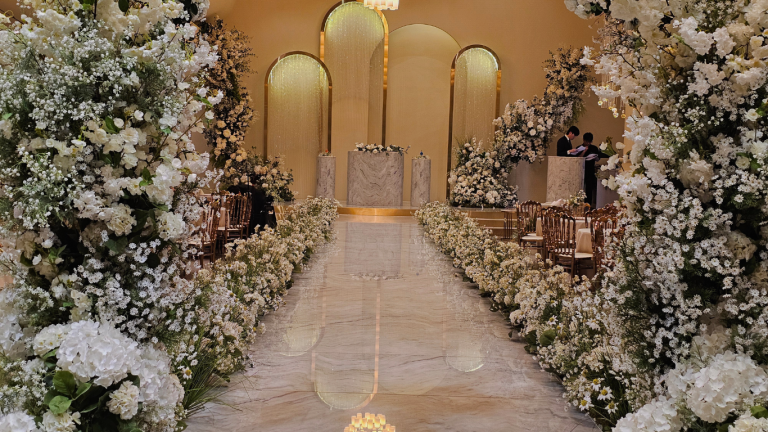
    Floral arrangements are evolving beyond traditional centerpieces. Floor-to-ceiling floral installations are making a statement at weddings, with flowers cascading from the ceiling or climbing walls to create a garden-like atmosphere. These installations not only add beauty but also bring a touch of nature indoors, enhancing the immersive experience.

    Tips for Creating Your Own Immersive Wedding Decor

    1. Start with a Theme: Choose a theme that resonates with you as a couple. Whether it’s a celestial night sky, a lush garden, or a modern minimalist design, your theme will guide your decor choices.

    2. Work with Professionals: Collaborate with experienced wedding planners and designers who specialize in immersive environments. Their expertise will help bring your vision to life.

    3. Consider Your Venue: Ensure that your chosen decor elements are suitable for your venue’s size and structure. Some installations may require additional support or permissions.

    4. Balance Aesthetics and Functionality: While it’s tempting to go all out with decor, remember that comfort and functionality are key. Ensure that your decor doesn’t obstruct pathways or create hazards.

    By embracing the floor-to-ceiling decor trend, couples can create a wedding environment that is not only visually stunning but also emotionally resonant. This immersive approach transforms a wedding into a memorable experience that guests will cherish long after the day has passed.

    When it comes to wedding flowers, timing and location can make a huge difference in both cost and aesthetics. Choosing blooms that are in season and locally available ensures fresher flowers, better prices, and a more sustainable approach to your big day. Here’s your guide to planning wedding flowers by season and locality.

    Spring Blooms (September – November in South Africa)
    Spring is all about freshness and color. Local flowers are abundant, meaning better prices and vibrant arrangements. Popular options include:

    • Roses – classic and available almost year-round but particularly lush in spring.

    • Tulips – perfect for a pop of color and widely available in cooler areas.

    • Dahlias – add texture and elegance to bouquets.

    • Peonies – luxurious blooms that are seasonal and highly fragrant.

    Summer Blooms (December – February)
    Summer weddings are ideal for bold, bright colors and exotic flowers. Local summer blooms include:

    • Sunflowers – cheerful, large blooms that make a statement.

    • Proteas – South Africa’s signature flower; unique and long-lasting.

    • Lilies – versatile for bouquets and centerpieces.

    • Hydrangeas – lush and full, perfect for romantic arrangements.

    Autumn Blooms (March – May)
    Autumn weddings benefit from warm tones and textured arrangements. Consider:

    • Chrysanthemums – hardy, long-lasting, and available in many colors.

    • Carnations – budget-friendly and versatile.

    • Marigolds – add rich, autumnal hues.

    • Alstroemeria – delicate blooms that complement richer tones.

    Winter Blooms (June – August)
    Winter weddings may have fewer options, but seasonal blooms offer unique elegance:

    • Amaryllis – striking and dramatic for bouquets and décor.

    • Camellias – delicate, romantic, and in peak season during winter.

    • Ranunculus – soft, layered petals that add texture.

    • Evergreen fillers – pine, eucalyptus, and ferns can create stunning winter arrangements.

    Locality Matters
    South Africa’s diverse climate means flower availability varies by region. Coastal areas often enjoy more extended seasons for roses and tulips, while inland regions may favor hardy blooms like proteas and chrysanthemums. Consulting a local florist can help you select flowers that are both seasonal and abundant near your wedding venue.

    Cost Considerations
    Flowers that are out of season or imported can significantly increase your budget. By choosing local and seasonal blooms, you save money and support local growers, while ensuring your arrangements look fresh and natural.

    Tips for Seasonal Flower Planning:

    1. Check with your florist early for seasonal availability.

    2. Mix local, seasonal flowers with greenery to create fuller arrangements.

    3. Consider blooms with longer vase life for centerpieces and décor.

    4. Embrace seasonal colors to enhance your wedding theme naturally.

    Planning your wedding flowers around season and locality not only keeps costs down but ensures that your arrangements are fresh, vibrant, and environmentally friendly. By aligning your bouquet and décor with the natural rhythm of South Africa’s blooms, your wedding will be as beautiful as it is smartly planned.

    When two people marry and bring children, histories, and family cultures into one new unit, a wedding becomes more than a union of two, it becomes a moment of family creation, redefinition, and embrace. Blended family weddings require extra sensitivity, communication, and intention. In this article, we’ll explore practical advice for honoring traditions, managing expectations, and cultivating healthy relationships as you walk into this new chapter together.

    Understanding the Complexity of Blended Families

    Blending families is not an event; it’s a process. It takes time, grace, and willingness from everyone involved. Some of the challenges that couples commonly face include:

    • Differing parenting styles, rules, and boundaries

    • Grief, loyalty conflicts, and emotional baggage from past relationships

    • Uncertainty from children about their place, voice, or trust

    • Ex-spouse roles and boundaries

    • Expectations from extended families about traditions and rituals

    According to HelpGuide, successful blended families cultivate strong communication, clear boundaries, gradual bonding, and respect for each person’s history.

    Because a wedding symbolizes more than just the couple’s union, it offers a unique chance to begin intentionally crafting a shared identity that honors everyone’s place.

    Merging Traditions & Expectations

    Have open, early conversations

    Before the planning begins, sit down together (and ideally with children, if age-appropriate) to discuss hopes, fears, favorite traditions, and nonnegotiables. Transparency helps avoid surprises later on.

    Questions to explore:

    • Which traditions from each family are most meaningful and why?

    • Are there customs one partner holds sacred that the other may not fully understand?

    • How much involvement do past spouses or biological parents have (if relevant)?

    • How do children want to be involved, do they wish to have roles or tasks?

    Honor both histories (without forcing uniformity)

    You don’t always have to merge everything, sometimes respecting and weaving in elements from both sides is more meaningful than forcing full equality. For instance:

    • Use a unity ritual (sand pouring, puzzle pieces, handprint canvas) that allows each individual—couple and children—to contribute.

    • Include symbolic gestures for children: presenting a medallion, placing their handprint on a canvas, or inviting them to pour sand in their own color.

    • Invite children to walk down the aisle, read a poem or blessing, or play a special role.

    • Create new rituals unique to your blended family, rather than forcing one family’s tradition wholesale. This gives space for ownership and unity.

    Clarify roles, rules & expectations

    Often tension arises when roles are ambiguous. Clarify:

    • Who disciplines or enforces rules, and when?

    • Which household rules are unified, and which may remain separate (e.g. individual freedoms, discipline preferences)?

    • How will decision-making happen (especially regarding children’s schedules, vacations, holidays)?

    • What boundaries exist with ex-partners or external caregivers?

    • How will you allocate “family time,” couple time, and individual time?

    In establishing structure, many blended families find it useful to craft a shared set of values and then translate them into household norms.

    Respect the pace of relationship building

    Acceptance, trust, and real connection rarely happen overnight. Be patient and consistent.

    • Let children adjust at their own pace; don’t force closeness too quickly.

    • Provide intentional one-on-one time with stepchildren or biological children.

    • Show small acts of kindness, listening, affirmation — over time, they build trust.

    • Avoid comparisons between children or overcompensating through favoritism.

    Include the ex(s) wisely & respectfully

    If ex-spouses or co-parents are in the mix, manage communication tactfully:

    • Establish clear boundaries and respectful communication patterns.

    • Keep conflicts out of sight of children and avoid triangulation.

    • Clarify roles during the wedding (if exes attend) so everyone feels respected.

    • If possible, maintain civility and collaboration for the sake of children’s emotional well-being.

    On the Wedding Day: Rituals & Inclusion

    The wedding ceremony is a powerful platform to acknowledge and celebrate your blended family. Some ideas:

    • Use a blended family unity ceremony (colored sand, puzzle, painting, or other ritual) that includes both children and adults.

    • Ask children to read a blessing, poem, or vow.

    • Let children walk you down the aisle or take part in the processional.

    • Make a special family proclamation or blessing during the ceremony that addresses the new family dynamic.

    • Do a grand, unified family entrance or announcement (e.g. “presenting the [your new family name] family”).

    • Take photos that highlight new connections: step-parent with stepchild, siblings, etc.

    These moments signal to children and guests alike that they belong, are valued, and are part of the newly formed family.

    Managing Emotions & Conflict Along the Way

    Blending families is emotionally layered. You’ll want strategies to navigate:

    • Allow for ambivalence — it’s normal for children (or adults) to have conflicting emotions of loyalty, grief, resistance, or fear.

    • Practice active listening — validate feelings, avoid minimizing difficulties.

    • Use “we” language — reinforce the idea that you’re building together, not competing.

    • Seek professional support if tensions escalate — counselors or stepfamily therapists can help mediate or guide transitions.

    • Celebrate small wins: positive interactions, cooperation, shared laughter — note incremental growth.

    • Protect the marriage — schedule couple time, maintain your connection, so you don’t get swallowed entirely by family dynamics.

    Long-Term Success: Building a Thriving Blended Family

    • Keep communication open and regular. Hold family meetings where everyone can voice thoughts.

    • Reassess and adapt rules, roles, and routines as children age or circumstances change.

    • Continue creating shared rituals, holiday norms, and traditions unique to your new family.

    • Nurture relationships respectfully: spend time with each child, celebrate individuality.

    • Model unity and respect — children mirror what they see.

    • Be generous with grace — everyone brings their emotional history; patience and forgiveness go a long way.

    Featured Image: Canva

    Glow from “Yes” to “I Do”: Your Beauty Prep Timeline for Wedding Day Radiance

    Your wedding day will be one of the most photographed days of your life and your beauty prep is the secret behind radiant skin, healthy hair, and flawless nails. The trick is spreading out treatments and habits over time so nothing feels rushed or risky. Below is a thoughtfully paced timeline: 1 year, 6 months, 1 month, and the final stretch, covering skincare, hair, and nails.

    1 Year Before: Lay the Foundation

    Skincare

    • Consult a dermatologist or professional skin therapist to assess skin type, concerns, and plan long-term goals.

    • Begin a consistent daily skincare routine (cleanser, moisturizer, SPF).

    • If desired, start gentle actives (vitamin C, mild retinoids) under expert guidance — give your skin time to adapt.

    • If you’re considering treatments like laser, peels, microneedling, or pigmentation management, this is the phase to start them (many require multiple sessions).

    • Focus on your body’s skin too — exfoliation, hydration for arms, décolletage, legs.

    Hair

    • Evaluate hair health. If you want growth, use deep conditioning, protein treatments, and trim split ends regularly.

    • If planning a major color change or style change, start it now so you have time to adjust.

    • Discuss your wedding hairstyle vision with your stylist and set milestones for color, length, or extensions.

    Nails

    • Begin a strengthening routine (cuticle oil, nail hardeners) if your nails tend to be weak or brittle.

    • Keep up regular manicures/pedicures to maintain shape and condition.

    6 Months Before: Upgrade & Test

    Skincare

    • Lock in your core skincare regimen – the one you’ll carry into the home stretch.

    • Start mid-level treatments: gentle chemical peels, microdermabrasion, or facials every 4–6 weeks.

    • Address issues like pigmentation, texture irregularities, or breakouts with more targeted treatments.

    • Avoid introducing too many new products at once – allow skin to settle.

    Hair

    • If using color, highlights, or balayage, begin the process now so it can settle and adapt.

    • Finalize your hair accessory plan (veils, pins, floral accents) so your stylist knows what you’ll need.

    • Place your order for extensions (if needed) now to ensure they arrive in time.

    • Maintain trims — but avoid drastic chops at this point.

    Nails

    • Do one or more trial manicures / nail style tests to see how designs, shapes, and polishes photograph and hold up.

    • Continue regular care and hydration.

    1 Month Before: No Big Experiments

    Skincare

    • Stop experimenting with new products or strong actives (deep peels, aggressive acids) — you don’t want the risk of irritation too close to the day.

    • Get a final “glow” facial or treatment (hydrating, calming, brightening) with minimal downtime.

    • Emphasize barrier repair, hydration, and soothing masks.

    • If considering injectables (Botox, filler), do them about 3–4 weeks out so any swelling or bruises settle.

    Hair

    • Get your final color / root touch-up so it has time to mellow and look natural.

    • Install extensions (if using) in this window so they settle into the look.

    • Get a final trim or shape — nothing drastic.

    • Use deep conditioning / gloss / shine treatments in the last couple of weeks.

    Nails

    • Schedule your final manicure / pedicure 1–2 days before the main wedding event, this ensures freshness without risk of visible growth or chipping.

    • If using gel, dip, or long-wear polish, they tend to last better, so doing them slightly earlier (1–2 days) is often safe.

    • Avoid harsh cuticle work or aggressive filing so your nails stay healthy.

    Final Stretch: 1–2 Weeks, 1–2 Days, Wedding Day

    1–2 Weeks Before

    • Book a gentle facial (no extractions, no peels).

    • Get a baby trim if desired to freshen ends.

    • Finish teeth whitening or touch-ups, if doing.

    • Confirm all beauty appointments, trials, and logistics.

    1–2 Days Before

    • Final manicure / pedicure (for most, one to two days before is ideal)

    • If you plan to have a spray tan, do it now. Be careful of any treatments that might interfere.

    • Wash hair (if per stylist advice), rest, hydrate, sleep well.

    • Avoid new products or treatments that could cause reactions.

    Wedding Day

    • Stick with your well-tested skin care (gentle cleanser, moisturizer, SPF).

    • Hair & makeup: allow ample time (2–3 hours before) for full glam.

    • Pack a beauty emergency kit: blotting papers, lip color, powder, extra nails or glue, hairpins.

    • Relax, breathe, and trust your prep. You’re going to look stunning.

    Why This Staged Approach Works

    • Time for adjustment & recovery — skin, hair, nails react differently; spacing helps you catch issues early.

    • Minimizes risk — avoids last-minute irritation, breakout, reactions, or hair mishaps.

    • Enables consistent glow — the cumulative effect of regular care is more powerful than a rushed overhaul.

    • Better vendor coordination — gives your esthetician, stylist, nail tech time to align with your vision.

    Sample Summary Table

    Timeframe Skincare Focus Hair Focus Nails Focus
    ~1 Year Out Build foundation, consultations, gentle actives, body care Hair health, trims, plan hairstyle & color Strengthening, conditioning, base routine
    ~6 Months Facials, gentle peels, pigmentation treatments Color transition, trim, plan extensions Trial manicure, maintain strength
    ~1 Month Hydration, barrier care, final treatments, stop new products Final color, install extensions, trim Final manicure ~1–2 days before
    Final Stretch Gentle facials, mask, rest Touch-ups, avoid drastic changes Fresh mani, protective care

    Tips & Precautions

    • Always patch test new products or treatments, especially close to the wedding.

    • Avoid major changes (haircuts, color, aggressive treatments) too close to the date.

    • Communication is key — work with experienced dermatologists, aestheticians, hairstylists and nail artists who understand bridal timelines.

    • Plan buffer days in case any treatment causes irritation or recovery.

    • Prioritize rest, nutrition, hydration — internal health shows in skin, hair, nails.

    • Adjust the timeline earlier if your skin, hair, or nails need more repair or time.

    Featured Image: Canva

    Featured Image Source: Pop Base on X

    Selena Gomez has officially stepped into her next chapter, saying “I do” to music producer Benny Blanco in California on Saturday, September 27. The 33-year-old actress and singer, adored worldwide for her authenticity, stunned in a custom Ralph Lauren creation that blended Hollywood glamour with a modern bridal edge.

    A Dress Fit for a Pop Icon

    Source: Pop Culture 2000’s on X

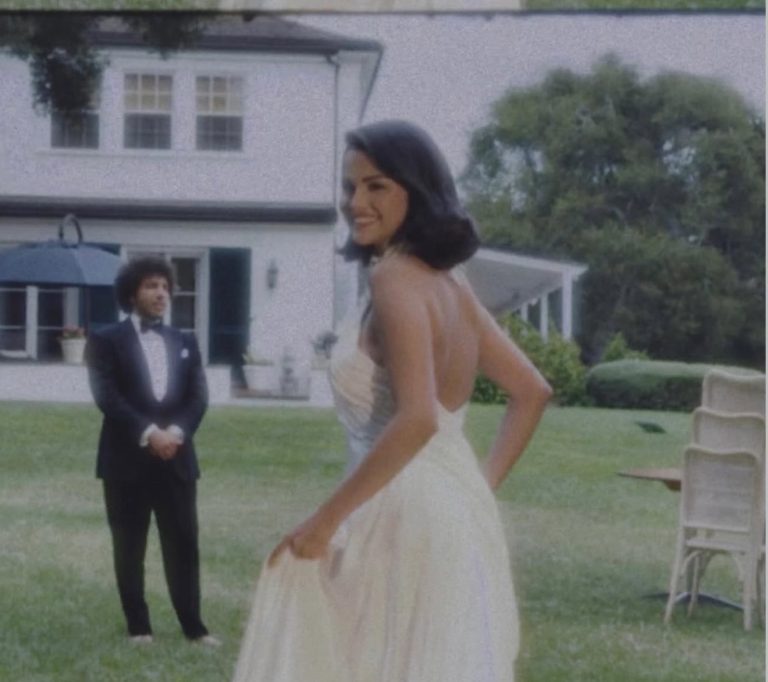
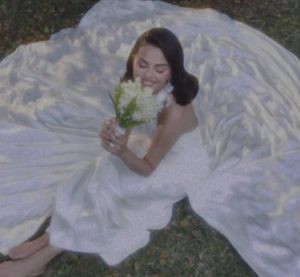
    Gomez’s gown featured a halter-neck floral detail and a structured bodice, offering both elegance and individuality. Designed exclusively by Ralph Lauren, it was a nod to timeless romance with a touch of boldness that fans have come to expect from her. Blanco, 37, matched the moment in his own Ralph Lauren suit, sealing their fashion-forward vows in coordinated style.

    Hollywood Glamour Meets Classic Romance

    Source: Rare’s Boulevard on X

    Her hair, crafted by stylist Renato Campora, carried echoes of Old Hollywood. Styled into a Marcel wave bob, Gomez’s look had fans online calling her “the modern-day Elizabeth Taylor.” On Instagram, one admirer wrote, “She looks like she just walked out of a 1950s film reel—utter perfection.”

    A Love Story in the Spotlight

    Source: Benny Blanco on Instagram

    The couple’s journey to the altar has been anything but rushed. They confirmed their romance in December 2023, got engaged a year later, and shared their joy with fans on Instagram. Gomez’s caption, “forever begins now..”, instantly trended worldwide, showing the emotional weight of the moment for her supporters.

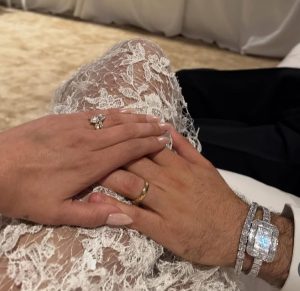
    Blanco revealed that Gomez co-designed her engagement ring, a dazzling marquise diamond inspired by her song Good For You. It was a symbolic choice, weaving music into the fabric of their love story.

    The Guest List That Broke the Internet

    It wouldn’t be a Selena Gomez wedding without a star-studded guest list. From Taylor Swift to Paris Hilton and Only Murders in the Building co-stars Steve Martin and Martin Short, Hollywood heavyweights reportedly filled the venue. Social media quickly lit up with clips and blurry snapshots, fans speculating on performances and speeches. One viral tweet joked, “Imagine being the DJ at a wedding where Taylor Swift and Benny Blanco are on the dance floor—no pressure.”

    The Road to “I Do”

    Both stars kept most details of the ceremony under wraps, though their pre-wedding celebrations made headlines. Blanco hosted a bachelor weekend in Las Vegas, while Gomez partied with friends in Cabo San Lucas, donning playful white outfits and a cheeky “bride to be” veil.

    In interviews earlier this year, the couple admitted they were hesitant about traditions like a first dance. Gomez laughed off the idea, saying she’d be embarrassed, while Blanco added, “She’s shy.” It’s a refreshingly relatable sentiment in a world of over-the-top celebrity weddings.

    Why This Wedding Resonates

    Source: Benny Blanco on Instagram

    For Gomez’s fans, this wedding feels like a personal victory. Over the years, she has been open about her struggles with health and love. Now, marrying Blanco—who she has called her “best friend”—the moment feels like a story of healing, joy, and new beginnings.

    On TikTok, the hashtag #SelenaWedding racked up millions of views within hours. Fans shared emotional edits of Gomez through the years, set to her ballads, with captions like “She finally got her fairytale.”