• Tag

    fashion advice

    Browsing

    For years, wedding fashion conversations centred almost entirely around the dress. But lately? Grooms are showing up with intention.

    Today’s groom isn’t simply asking, “What suit should I wear?” He’s asking: What version of myself do I want to remember in these photos 20 years from now?

    And the answer isn’t always black tie.

    Wedding menswear in 2026 has moved into a more expressive era – one where sharp tailoring, richer colour palettes, elevated textures and personal details matter just as much as the venue or tablescape. The biggest shift? Grooms are dressing for personality, not tradition.

    If you’re helping your partner choose a look (or sending this directly to your groom), consider this the definitive guide.

    1. The classic black tux – but make it architectural

    Some things remain iconic for a reason.

    A black tuxedo still delivers unmatched elegance, but modern versions are cleaner, softer and more considered than the ultra-fitted styles of the 2010s.

    Look for:

    • Strong but natural shoulders
    • Fuller trousers with subtle tapering
    • Satin details used sparingly
    • Minimal accessories

    This is especially perfect for:

    • Formal evening weddings
    • Ballroom venues
    • Black-tie celebrations

    Style note: The difference between timeless and dated is almost always tailoring.


    View this post on Instagram


    A post shared by O.S Man Tailor Made (@suitsnstuff)

    2. The soft neutral suit for destination weddings

    Cream. Stone. Warm taupe. Sand.

    Destination and outdoor weddings continue pushing lighter palettes, but today’s approach feels less “beach wedding cliché” and more luxury editorial.

    Pair lightweight tailoring with:

    • Linen blends
    • Open-collar shirts
    • Loafers or polished leather sandals
    • Minimal jewellery

    This works beautifully for vineyard weddings, coastal ceremonies and summer celebrations.

    3. Midnight blue: The quiet luxury alternative

    If black feels expected but colour feels risky, midnight blue sits perfectly in between.

    It photographs beautifully in evening light and offers depth without overpowering the overall wedding aesthetic.

    Best paired with:

    • Black bow ties
    • Tonal pocket squares
    • Patent shoes

    Think understated confidence.

    4. The Return of the Three-Piece Suit

    Three-piece suits are having a strong comeback – and not in a corporate way.

    The waistcoat creates structure and gives the groom a polished second look once jackets inevitably come off at the reception.

    Modern updates include:

    • Tonal waistcoats
    • Contrasting textures
    • Slightly relaxed silhouettes

    Bonus: It instantly distinguishes the groom from the groomsmen.

    5. Rich earth tones for the fashion-forward groom

    If 2026 has a standout menswear mood, it’s colour with restraint.

    Emerald green, chocolate brown, charcoal and deep burgundy are replacing brighter suiting shades.

    These colours feel:

    • Elevated
    • Seasonal
    • Expensive (without necessarily being expensive)

    They’re especially striking in autumn and winter weddings.

    6. Texture over pattern

    The newest wedding styling rule? Texture does the talking.

    Rather than loud prints, modern grooms are leaning into fabrics that create visual depth:

    • Bouclé
    • Flannel
    • Silk blends
    • Velvet details
    • Subtle jacquards
    • Fine checks

    This creates dimension in photographs without overwhelming the look.

    7. Double-breasted tailoring is back

    For the groom who wants presence.

    Double-breasted jackets instantly create formality and structure while feeling fashion-conscious without trying too hard.

    Keep it current:

    • Relax the fit
    • Avoid overly narrow lapels
    • Let trousers skim rather than cling

    This silhouette feels especially strong in city weddings.

    8. The statement jacket moment

    Reception outfit changes aren’t only for brides anymore.

    More grooms are introducing a second look:

    • Ivory dinner jackets
    • Velvet blazers
    • Embroidered lapels
    • Monochrome styling

    It’s subtle enough to feel sophisticated but memorable enough to feel special.


    View this post on Instagram


    A post shared by Peter Posh Suits (@peterposhsuit)

    9. Coordinated – not matching – couple styling

    The days of exact colour matching are fading.

    The new approach is visual harmony.

    Ways to coordinate:

    • Shared textures
    • One accent colour
    • Similar levels of formality
    • Complementary undertones

    Your outfits should feel connected – not copied.


    View this post on Instagram


    A post shared by Luce & Co. (@luceandcobridal)

    10. Add one detail that means something

    The strongest groom outfits don’t just look good – they say something.

    Ideas:

    • Custom embroidery inside the jacket
    • Family cufflinks
    • Monogrammed lining
    • A watch passed down through generations
    • A handwritten note sewn into the inner pocket

    Because long after the flowers are gone, these are the details people remember.

    Final fitting

    The best groom outfit isn’t necessarily the boldest, trendiest or most expensive – it’s the one that feels unmistakably like the person wearing it.

    Wedding fashion is becoming less about rules and more about identity. So, whether your groom chooses a sharp tuxedo, textured tailoring or an unexpected colour, the goal is simple: wear something worthy of the moment.

    And whatever you choose – tailor it. Nothing elevates a wedding look faster than clothing that fits like it was made for you.

    ALSO SEE: Wedding day tips for grooms to keep the big day stress-free 

    Wedding day tips for grooms to keep the big day stress-free

    Featured image: NUDE Nahum / Pexels
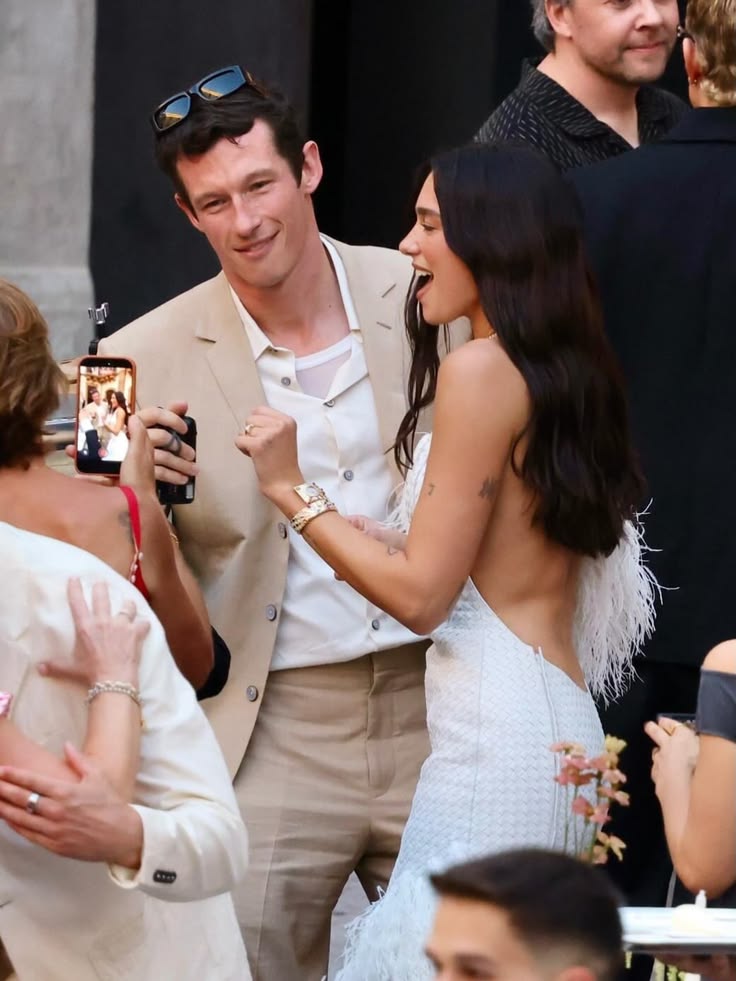
    For weeks, bridal fashion watchers had theories.

    Would she lean into old-Hollywood glamour? Go minimalist? Choose something rebellious? And now the mystery has finally been solved.

    After keeping her main wedding look under wraps, Dua Lipa has revealed the couture gown she wore to marry Callum Turner during their Sicily wedding celebrations – and it feels less like a celebrity bridal moment and more like a preview of where wedding fashion is headed next.

    Shared in newly released wedding photographs, the bride stepped into the ceremony wearing a custom feather-and-crystal embellished couture gown by CHANEL, designed by Matthieu Blazy. According to fashion reports, the dress marks the first bridal haute couture creation by Blazy for a friend of the house – immediately placing it among the most talked-about celebrity bridal looks of the year.

    The gown featured a dramatic open back, delicate hand embroidery, a feather-dusted train and an embroidered veil that moved somewhere between vintage romance and modern couture theatre. Reports state the craftsmanship included hundreds of thousands of hand-applied embellishments and thousands of hours of atelier work.

    But beyond the couture spectacle, the dress taps into something bigger happening in bridal right now.

    Bridal maximalism is officially back

    After years of clean silhouettes and quiet luxury dominating mood boards, brides are beginning to embrace texture again – feathers, dimensional embellishment, statement veils and gowns that feel designed for photographs as much as the ceremony itself.

    Lipa’s bridal wardrobe across the wedding weekend reflected that shift.

    For the civil ceremony in London, she opted for a structured white skirt suit. Then came a custom feathered welcome-party look in Sicily, before closing with the couture ceremony gown and a softer lace brunch aesthetic. Each outfit felt distinct but connected through one idea: bridal dressing no longer needs to live inside one aesthetic.

    And perhaps that’s what makes this wedding resonate.

    It wasn’t about choosing between classic and cool, dramatic and wearable, timeless and trend-forward. It was all of it.

    The bridal details worth stealing

    Not the couture budget – just the ideas.

    • Statement texture instead of heavy volume
    • A dramatic veil paired with a cleaner silhouette
    • Bridal accessories that feel intentional, not overloaded
    • Multiple fashion moments across the wedding weekend
    • Couture-inspired embellishment used in a modern way

    Expect to see feathers, ornate embroidery and fashion-house styling influence bridal collections well beyond celebrity weddings.


    View this post on Instagram


    A post shared by DUA LIPA (@dualipa)

    A dress reveal – and a bridal mood shift

    Celebrity weddings often influence trends, but every now and then one arrives at exactly the right moment.

    Dua Lipa’s wedding dress feels like that moment.

    Not because brides will suddenly start ordering couture gowns stitched with thousands of feathers – but because it reminds us that bridal fashion can still feel expressive, unexpected and a little cinematic.

    And if the biggest wedding of the year is anything to go by, understated may finally be sharing the spotlight.

    ALSO SEE: Dua Lipa’s wedding look proves the bridal skirt suit is so on trend 

    Dua Lipa’s wedding look proves the bridal skirt suit is so on trend

    Featured image: Pinterest

    Finding the one is one of the most exciting parts of wedding planning – but for many brides, the search for the perfect wedding dress can also feel overwhelming. Between boutique appointments, fittings, budgets and timelines, it’s no surprise that more brides are looking beyond traditional bridal stores.

    Buying a wedding dress online has become increasingly popular, offering brides access to thousands of styles, international designers and more affordable options. But while the convenience is tempting, ordering your dream gown from a screen comes with its own set of considerations.

    So, should you buy your wedding dress online? Here’s everything you need to know before clicking “add to cart”.

    The pros of buying your wedding dress online

    1. It can be more budget-friendly

    One of the biggest reasons brides consider buying online is cost. Online retailers often have lower overheads than traditional bridal boutiques, which can mean more affordable gowns.

    For brides working with a specific budget, online shopping can open the door to styles that may have been out of reach in-store – from minimalist satin gowns to detailed lace designs.

    However, remember that the listed price is not always the final price. Factor in possible import duties, shipping fees, alterations and professional steaming before comparing costs.

    2. More variety & access to global styles

    Shopping online means you are no longer limited to the designers or styles available locally. Brides can browse thousands of gowns from international retailers, independent designers and made-to-order brands.

    Whether you’re searching for a modern wedding dress, a vintage-inspired gown, a destination wedding look or something completely unique, online platforms offer endless inspiration.

    3. You can shop from the comfort of your home

    Wedding planning is already a busy process. Between venue decisions, guest lists and vendor meetings, finding time for multiple bridal appointments can be challenging.

    Online shopping allows brides to explore options at their own pace, save favourites and compare styles without the pressure of making a decision during a boutique appointment.

    4. It’s easier to find non-traditional options

    Not every bride dreams of a traditional ball gown. Online shopping has made it easier to find fashion-forward options, including sleek slip dresses, short wedding dresses, bridal separates and modern designs.

    For brides wanting something different (or even a second outfit for the reception) – online retailers can be a great place to explore.

    The cons of buying your wedding dress online

    1. You can’t try it on before buying

    The biggest challenge with buying online is the unknown.

    A dress may look perfect in photos but feel completely different when it arrives. Fabric quality, colour, structure, fit and finishing details can be difficult to judge through a screen.

    A wedding dress is also a garment that relies heavily on fit – and even small differences in measurements can affect how the gown sits.

    2. Sizing can be complicated

    Wedding dress sizing often differs from everyday clothing sizes, and international sizing charts can vary significantly.

    Always check the brand’s measurement guide carefully and compare your measurements against their chart rather than relying on your usual dress size.

    It’s also worth remembering that most brides will need alterations, whether they purchase online or from a boutique.

    3. Alterations may be necessary (and they can add up)

    A gown arriving in your size does not always mean it will fit perfectly.

    Common alterations include:

    • Adjusting the length
    • Taking in or letting out the bodice
    • Adding support
    • Adjusting straps or sleeves
    • Reshaping certain areas for a better fit

    For more complex gowns, alterations can become a significant additional cost – so include this in your wedding budget from the beginning.

    4. Returns may be difficult

    Before ordering, always read the return policy carefully.

    Some online bridal retailers do not accept returns on made-to-order gowns, personalised dresses or items that have been altered.

    If the dress arrives and it is not what you expected, you need to know what options you have before committing.

    If you decide to buy your wedding dress online

    1. Order early

    Unlike buying a dress off the rack, online gowns can involve production and shipping times.

    Give yourself enough time for:

    • Delivery delays
    • Customs/import processes
    • Alterations
    • Unexpected changes

    Ideally, avoid leaving your wedding dress purchase until the last minute.

    2. Research the seller thoroughly

    Before buying, look beyond the beautiful photos.

    Check:

    • Verified customer reviews
    • Real bride photos
    • Fabric details
    • Return policies
    • Shipping information
    • Company reputation

    A dress with thousands of likes is not necessarily a dress with thousands of happy brides.

    3. Request fabric samples if possible

    If the retailer offers fabric samples, take advantage of this.

    Seeing and feeling the material can help you understand the quality before committing to the full gown.

    4. Don’t ignore alterations

    Even if the dress looks perfect online, budget for professional alterations.

    A skilled bridal seamstress can often transform a good dress into one that feels custom-made for you.

    5. Be careful with unrealistic expectations

    One of the biggest mistakes brides make is expecting a budget online gown to look identical to a designer runway piece.

    Pay attention to the details:

    • Fabric type
    • Construction
    • Boning and structure
    • Beading quality
    • Lining
    • Finishing

    The more realistic your expectations, the happier you’ll be with your choice.

    So, is buying a wedding dress online worth it?

    For the right bride, absolutely.

    Buying online can be a fantastic option if you are budget-conscious, comfortable with some uncertainty and willing to allow time for alterations.

    However, if trying on dresses, experiencing the boutique moment and having expert guidance are important parts of your bridal journey, a traditional appointment may still be the better choice.

    At the end of the day, your wedding dress should not only look beautiful – it should make you feel confident, comfortable and completely yourself when you walk down the aisle.

    Whether you find it hanging in a bridal boutique or arrive at your door in a carefully packaged box, the perfect dress is the one that feels like you.

    ALSO SEE: How wedding dress trends have changed through the decades 

    How wedding dress trends have changed through the decades

    Featured image:  Kindel Media / Pexels

    Finding your wedding dress is one of the most exciting parts of wedding planning – but before you fall in love with lace details, necklines or embellishments, there’s one thing you need to understand first: silhouette.

    A dress silhouette is the overall shape of a gown, and it can dramatically influence how a dress looks, feels and photographs. While some styles have remained bridal favourites for decades, modern designers are reinventing classic silhouettes to suit today’s brides, offering everything from minimalist elegance to full-on fairytale glamour.

    If you’ve ever wondered what the difference is between an A-line and a ball gown, or whether a fit-and-flare is the same as a mermaid dress, here’s your complete guide to the most popular wedding dress styles.

    A-Line

    Often considered the most universally flattering silhouette, the A-line gently skims the body before flaring out from the waist to create the shape of the letter “A”.

    Why brides love it:

    • Comfortable and easy to move in
    • Flatters most body shapes
    • Works across formal, garden and beach weddings
    • Timeless and elegant

    Trending now: Clean satin A-line gowns with architectural draping and pockets are having a major moment.

    Ball Gown

    The ultimate princess silhouette, a ball gown features a fitted bodice and a dramatically full skirt.

    Why brides love it:

    • Creates a striking bridal statement
    • Emphasises the waist
    • Ideal for formal venues and cathedral ceremonies

    Trending now: Modern ball gowns are ditching heavy embellishments in favour of sleek fabrics, detachable overskirts and minimalist styling.

    Mermaid

    The mermaid silhouette hugs the body closely through the bust, waist and hips before flaring dramatically at or below the knee.

    Why brides love it:

    • Highlights curves
    • Creates a glamorous, red-carpet feel
    • Delivers maximum impact in photographs

    Best for brides who want a bold, fashion-forward look.

    Fit-and-Flare

    Often confused with mermaid dresses, fit-and-flare gowns begin widening slightly higher on the leg, creating a softer, more wearable shape.

    Why brides love it:

    • Offers structure without feeling restrictive
    • Creates a balanced silhouette
    • Easier to move in than a traditional mermaid gown

    Trending now: Crepe fit-and-flare dresses with statement backs and long sleeves.

    Trumpet

    Sitting somewhere between a fit-and-flare and a mermaid gown, the trumpet silhouette follows the body’s curves before flaring around mid-thigh.

    Why brides love it:

    • Elegant and dramatic
    • Comfortable enough for dancing
    • Enhances natural curves without feeling overly fitted

    Sheath

    Also known as a column dress, the sheath silhouette falls straight from the shoulders to the hem with minimal flare.

    Why brides love it:

    • Lightweight and effortless
    • Perfect for destination weddings
    • Creates a chic, contemporary look

    Trending now: Minimalist sheath gowns inspired by quiet luxury and old-money aesthetics.

    Column

    While often grouped with sheath dresses, column gowns tend to have more structure and cleaner lines.

    Why brides love it:

    • Modern and sophisticated
    • Ideal for city weddings
    • Pairs beautifully with statement accessories

    Designers continue to embrace this silhouette as bridal fashion moves toward understated elegance.

    Empire Waist

    An empire-waist gown features a raised waistline that sits just below the bust, with fabric flowing freely underneath.

    Why brides love it:

    • Soft and romantic
    • Comfortable to wear
    • Creates an ethereal look

    Perfect for boho, garden and destination weddings.

    Basque Waist Gown

    One of bridal fashion’s biggest revivals, the basque waist features a V-shaped waistline that dips below the natural waist.

    Why brides love it:

    • Creates a corseted appearance
    • Elongates the torso
    • Offers vintage-inspired romance

    Trending now: Basque-waist gowns have become a favourite among fashion-conscious brides thanks to their regal, editorial feel.

    Tea-Length

    Tea-length dresses fall between the knee and ankle, offering a playful alternative to traditional floor-length gowns.

    Why brides love it:

    • Ideal for civil ceremonies and second looks
    • Comfortable and practical
    • Showcases statement shoes

    Vintage-inspired tea-length gowns are becoming increasingly popular among brides embracing retro aesthetics.

    High-Low

    The high-low silhouette features a shorter front hem and longer back hem.

    Why brides love it:

    • Fun and modern
    • Easy movement
    • Perfect for outdoor celebrations

    This style is often chosen as a reception or after-party look.

    Slip Dress

    Inspired by 1990s fashion, slip dresses feature a simple, body-skimming silhouette with minimal detailing.

    Why brides love it:

    • Effortlessly chic
    • Lightweight and comfortable
    • Timeless yet contemporary

    The rise of minimalist bridal fashion has cemented the slip dress as a modern classic.

    Mini Wedding Dresses

    Not every bride dreams of a floor-sweeping gown. Bridal minis have become one of the fastest-growing trends in wedding fashion.

    Why brides love it:

    • Fashion-forward appeal
    • Ideal for courthouse weddings and receptions
    • Allows greater freedom of movement

    Many brides are now pairing a mini dress with a detachable overskirt for the best of both worlds.

    Which Silhouette Is Right for You?

    While body shape can help guide your search, the best wedding dress silhouette is ultimately the one that makes you feel confident, comfortable and unmistakably yourself.

    Don’t be afraid to try styles outside your comfort zone. Many brides walk into a boutique convinced they want a mermaid gown, only to fall in love with an A-line dress – or vice versa.

    The perfect dress isn’t about following rules. It’s about finding the silhouette that makes you stand a little taller, smile a little wider and feel completely ready to walk down the aisle.

    ALSO SEE: Non-white wedding dresses are no longer a bridal taboo 

    Non-white wedding dresses are no longer a bridal taboo

    Featured image: cottonbro studio / Pexels

    For years, the wedding veil played supporting actress to the dress. In 2026? It’s officially the main character.

    Brides are no longer treating veils as a last-minute accessory tossed on during fittings “just to complete the look.” Instead, veils are becoming deeply personal style statements – dramatic, editorial, romantic and, in many cases, entirely custom. Across recent bridal fashion weeks, designers leaned heavily into expressive accessories, proving that bridal styling is moving towards individuality rather than tradition for tradition’s sake.

    From pearl embellishments to mantilla lace and ultra-minimalist tulles, here are the veil trends dominating 2026 weddings.

    Pearl veils are still having a major moment

    If there’s one trend refusing to leave the bridal chat, it’s pearls.

    But in 2026, pearl veils feel softer and more refined than the heavily embellished versions we saw a few years ago. Designers are favouring delicate scattered pearls across sheer tulle for a barely-there shimmer that catches beautifully in photographs and candlelight.

    The appeal? Versatility.

    Pearl veils pair effortlessly with minimalist satin gowns, but they also add texture to clean silhouettes without competing against intricate dresses. Brides are increasingly using the veil itself as the statement piece instead of relying on heavily embellished gowns.

    Cathedral veils are getting even more dramatic

    Cathedral veils remain one of the biggest bridal trends of the year, with extra-long lengths, pooling tulle and oversized silhouettes dominating bridal editorials and runway collections. What’s changed is how brides are styling them.

    Instead of pairing dramatic veils with equally dramatic gowns, many brides are choosing sleek crepe or mikado dresses and letting the veil create the impact. The contrast between clean tailoring and romantic movement feels modern, expensive and editorial.

    Honestly? This is one of the smartest styling shifts happening in bridal fashion right now. A simple gown with a breathtaking veil, photographs far more timelessly than an overly embellished dress-and-accessories combination fighting for attention.

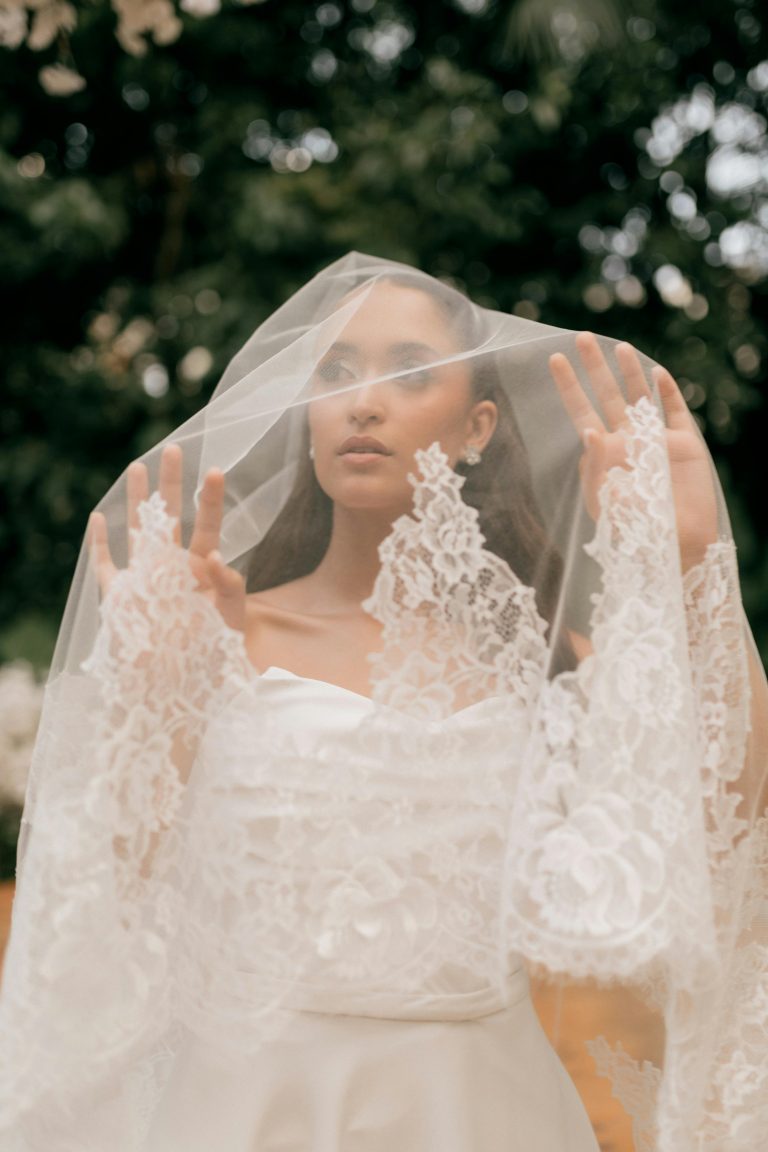
    Lace-edged veils are making a comeback

    Lace never really disappears from bridal fashion, but 2026 is bringing back softer, more intentional lace detailing – especially on veils.

    We’re seeing:

    • Scalloped lace trims
    • Botanical embroidery
    • Delicate floral appliqué
    • Mantilla-inspired lace framing

    The overall aesthetic feels romantic and heirloom-inspired rather than overly traditional. Spanish-style mantilla veils in particular are quietly becoming one of the most fashion-forward bridal choices for 2026, especially for brides wanting a softer, old-world elegance.

    Minimalist veils are becoming more refined

    At the same time, minimalist brides are doubling down on simplicity. Raw-cut edges, ultra-fine illusion tulle and lightweight single-layer veils are everywhere right now.

    The goal is movement rather than volume. These veils float instead of drape, creating an effortless softness that works beautifully for modern city weddings, destination ceremonies and fashion-forward brides who want elegance without excess.

    Interestingly, bridal communities online are also steering brides with highly detailed gowns towards cleaner veils to avoid overwhelming the overall look.

    Vintage-inspired veils are rising again

    Bridal fashion’s current obsession with nostalgia is spilling into accessories too. Birdcage veils, Juliet caps and bandeau-inspired styles are all resurfacing for brides wanting something unconventional yet timeless.

    These styles are especially popular for:

    • Civil ceremonies
    • Reception outfit changes
    • Fashion-focused weddings
    • Intimate city celebrations

    The overall vibe feels less “traditional bride” and more editorial fashion moment – which fits perfectly with 2026’s broader bridal trend cycle focused on personality and individuality.

    Personalised veils are becoming non-negotiable

    Customisation might be the defining bridal trend of 2026 overall.

    More brides are adding:

    • Embroidered initials
    • Wedding dates
    • Meaningful phrases
    • Custom lace placements
    • Bespoke colours
    • Family-inspired details

    Celebrity weddings have also fuelled the rise of highly personalised veils, with dramatic embroidered storytelling becoming increasingly aspirational for brides wanting emotional significance woven into their look.

    Bows, soft structure and sculptural styling are trending

    2026 bridal fashion is leaning heavily into femininity again, and veils are following suit. Soft sculptural tulle, oversized bows and layered volume are increasingly appearing across bridal collections and runway styling.

    The result feels playful yet couture-inspired – especially when paired with sleek dresses or minimalist silhouettes.

    For brides wanting a fashion-forward bridal look without committing to a trend-heavy gown, this is an easy way to add personality while keeping the overall look timeless.

    The biggest bridal veil trend of 2026? Intention

    If bridal fashion in 2026 has made one thing clear, it’s this: veils are no longer an afterthought. Whether it’s a dramatic cathedral veil trailing behind a minimalist gown, delicate pearl embellishments catching the light, or a vintage-inspired birdcage moment for the fashion bride, veils have become one of the defining style elements of the modern bridal look.

    And perhaps that’s why they feel so exciting again.

    Brides are moving away from the pressure to look “traditionally bridal” and leaning into styling choices that feel personal, fashion-led and emotionally resonant instead. The veil is no longer just there to complete the outfit – it’s there to transform it.

    In 2026, the veil isn’t playing supporting actress anymore. It’s stealing the entire scene.

    ALSO SEE: Looking for the perfect wedding dress? Here are a few tips to find the one

    Looking for the perfect wedding dress? Here are a few tips to find ‘the one’

    Featured image: Alexander Mass / Pexels 

    Accessories are the final cherry on top of the cake. From jewellery to hair accessories, there are a host of additions that can be made to complete your final bridal look.

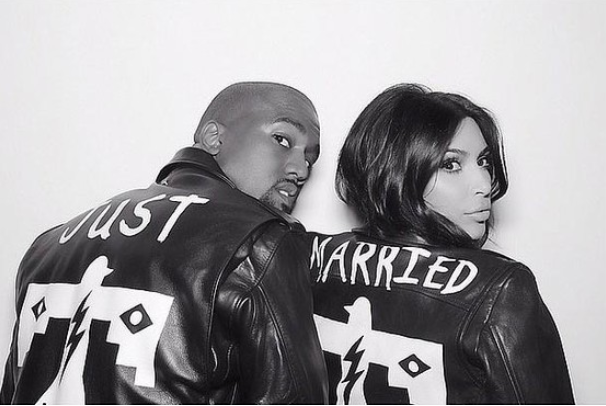
    Personalised bridal jackets have been trending for a few years now, most famously worn by Kim Kardashian West and Kanye West.

    Bridal jackets are typically leather or denim jackets adorned with personalised wedding script. Newlyweds wear these jackets on their wedding evening and as a bonus can keep it for decades to come. Another bonus is that it is easily DIY-able.

    Here are a few bridal jackets to inspire you on your big day:

    Crew love:

    Dress your bridal party in matching jackets to show off your squad.


    Just married:

    Shout out you newlywed status with these jackets.


    Wifey:

    You’ve got a new title now, and everyone can read it off your back.


    Till death:

    Have a physical reminder of your vows by emblazoning ’til death” on your bridal jacket.


    Babe:

    Not one for official titles? Go with a cute nickname like ‘babe’.


    Wife of the party:

    Remind everyone that it’s your day with a jacket screaming ‘wife of the party’, or ‘bride’.


    Get sappy:

    Once you’ve found your person, everything falls into place. Let them know how you feel with a jacket with ‘it was always you’ written across it, or let them know you’ve found your happily ever after.


    Surnames:

    Have your surnames emblazoned on your jackets for a personalised touch.


    Picture: Instagram / Kim Kardashian