
• Tag

    couples

    Browsing

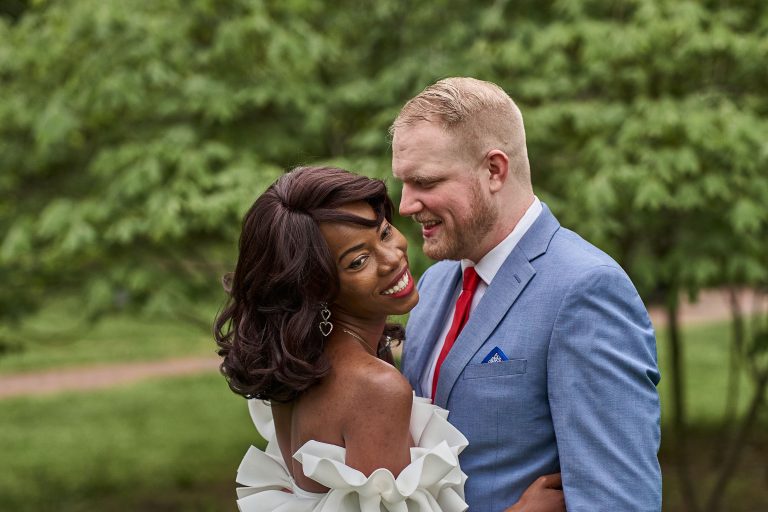
    South Africa loves to call itself the Rainbow Nation – a place where cultures, languages and identities coexist in vivid colour. Weddings reflect that beautifully. Across the country, couples are blending traditions, creating ceremonies that honour more than one heritage and redefining what modern marriage looks like.

    But not too long ago, some South Africans were legally forbidden from marrying the person they loved.

    Interracial marriage in South Africa has a history shaped by politics, control and resistance – and understanding that history gives even more meaning to the couples celebrating their love freely today.

    When love became political

    Before apartheid was formally introduced, race already influenced daily life in South Africa. But things changed dramatically after the National Party came into power in 1948 and began codifying racial segregation into law. One of the earliest and most symbolic pieces of apartheid legislation was the Prohibition of Mixed Marriages Act of 1949.

    The law banned marriages between white South Africans and people classified as belonging to other racial groups. Marriage officers were prohibited from conducting these unions, and interracial marriages performed outside South Africa could also be considered invalid at home. Soon after, restrictions extended beyond marriage.

    The Immorality Act made intimate relationships across racial lines illegal too – turning private relationships into matters of state control. Together, these laws became central to apartheid’s broader project of enforcing racial separation.

    The couples who existed anyway

    History often records laws more clearly than it records people. Yet despite restrictions, interracial relationships continued to exist – quietly, carefully and sometimes at enormous personal risk.

    Some couples left the country. Some kept relationships private. Others challenged social expectations simply by continuing to choose one another. What makes this chapter of history powerful is not that love suddenly appeared after laws changed. It never disappeared.

    The law tried to regulate relationships – but it could not erase them.

    1985: A turning point

    On 19 June 1985, South Africa repealed the Prohibition of Mixed Marriages Act through the Immorality and Prohibition of Mixed Marriages Amendment Act.

    The repeal did not end apartheid overnight. But symbolically, it marked an important shift: the state could no longer decide who people were allowed to love or marry.

    For many South Africans, it represented something larger than legislation – a small but meaningful crack in a system built on separation.

    What interracial marriage looks like in South Africa today

    Today’s South African weddings tell a very different story. Modern couples are increasingly embracing blended celebrations – combining faith traditions, multilingual ceremonies, family rituals and fashion influences that reflect multiple identities at once.

    Interracial marriage is no longer framed as unusual in the mainstream wedding space. Instead, the conversation has evolved into one about intentionality and how couples honour different cultures while building something entirely their own.

    And perhaps that is the most remarkable part. Not that interracial marriage exists – but that many couples now have the freedom to make love visible.

    Weddings have always been about more than two people. But sometimes, they tell the story of a country too.

    ALSO SEE: Two Families, One Heart: How to Blend Traditions & Relationships in a Blended Wedding 

    Two Families, One Heart: How to Blend Traditions & Relationships in a Blended Wedding

    Featured image: David Disponett / Pexels
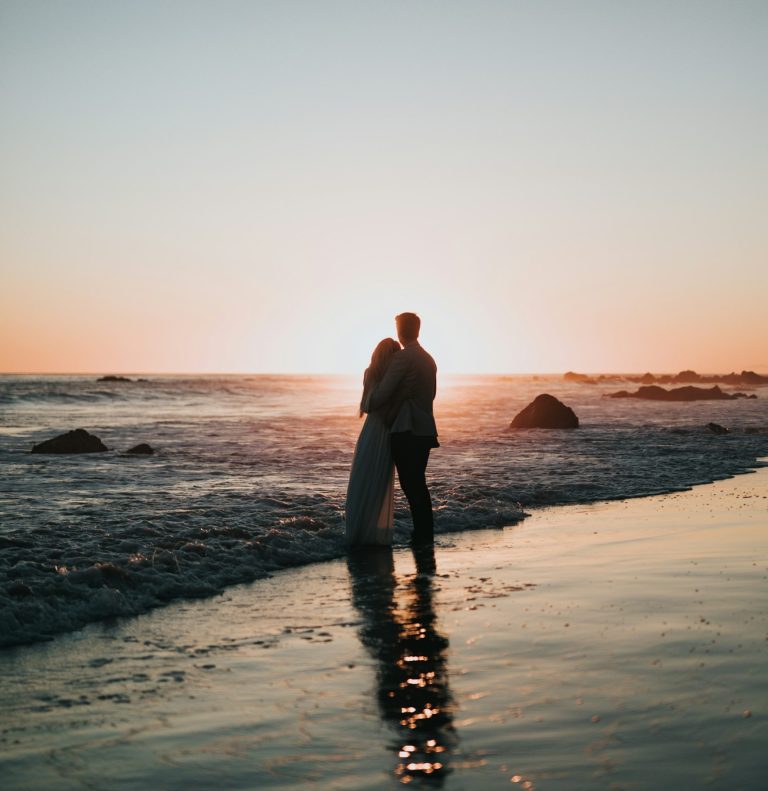
    Photo by Nathan Dumlao on Unsplash

    Every couple knows that giddy, butterflies-in-your-stomach feeling that comes with a new relationship. The late-night phone calls, the constant affection, and the sense that you’ve found your person—it’s intoxicating. But eventually, that sugar-sweet rush begins to fade, and real life steps in. Welcome to the natural evolution of love beyond the honeymoon phase.

    What The Honeymoon Phase Really Is

    The honeymoon phase is the early stage of a relationship where everything feels light, fun, and effortless. It’s when your partner can do no wrong, and every moment together feels like a highlight reel. According to relationship experts, this phase usually lasts anywhere between six months and two years.

    During this period, couples are still learning about each other—sharing firsts, discovering quirks, and building emotional intimacy. It’s also a time when the brain releases a cocktail of feel-good chemicals like dopamine and oxytocin, giving that euphoric “in love” feeling that makes even ordinary moments feel special.

    Do All Couples Experience It?

    Not necessarily. Some couples experience an immediate rush of romance, while others build their connection slowly and steadily. And that’s perfectly okay.

    Those who don’t have an intense honeymoon phase often end up developing a deeper and more realistic bond early on. Without the distraction of infatuation, they’re able to see their partner clearly—flaws and all. In fact, experts say that slow-burning relationships often lead to longer-lasting love because they’re grounded in emotional compatibility rather than instant chemistry.

    As one local therapist put it, “When the spark doesn’t happen instantly, it doesn’t mean it never will—it might just grow over time.”

    How To Enjoy The Honeymoon Phase

    If you’re in the midst of your honeymoon phase, soak it all in. Go on spontaneous adventures, stay up talking till sunrise, and learn as much as you can about each other. It’s a beautiful time to explore your connection.

    But there’s also a gentle word of caution: don’t make huge life decisions while you’re still caught up in the bliss. Experts advise waiting until the emotional fog lifts before moving in together, getting engaged, or signing a joint lease. Enjoy the romance, but keep one foot in reality.

    When The Glow Begins To Fade

    One day, the rose-tinted glasses slip off. The quirks that once seemed cute might start to irritate you. Small disagreements turn into real arguments. You might even question whether the relationship is as solid as you thought.

    This is the point where many couples panic—but they shouldn’t. It’s the moment when the relationship shifts from fantasy to authenticity. You begin to see your partner for who they truly are, and that’s a good thing.

    The end of the honeymoon phase doesn’t mean love is fading—it means it’s evolving.

    Life After The Honeymoon Phase

    Once the initial magic fades, relationships enter their most honest stage. You learn to communicate better, handle conflict, and show love in more meaningful ways. The everyday tasks—like cooking dinner or navigating stress together—become opportunities to build trust and partnership.

    In South Africa, where many couples juggle busy city lives and family expectations, this stage often tests how resilient love really is. Whether it’s sharing responsibilities in a small flat or planning for a wedding amid career chaos, couples who weather this shift together tend to come out stronger.

    Social media is full of reminders that love is supposed to be fireworks forever, but in reality, the slow, steady warmth that follows the honeymoon phase is far more rewarding.

    The Takeaway

    The honeymoon phase is fleeting, but love doesn’t have to be. When the glitter settles and you start seeing each other clearly, that’s when your relationship truly begins. Because lasting love isn’t about perfection—it’s about choosing each other, even on the ordinary days.

    So, if you’re lucky enough to be in that blissful stage right now, enjoy it. But know that what comes next—the quiet, grounded, grown-up love—is just as beautiful, if not more.