
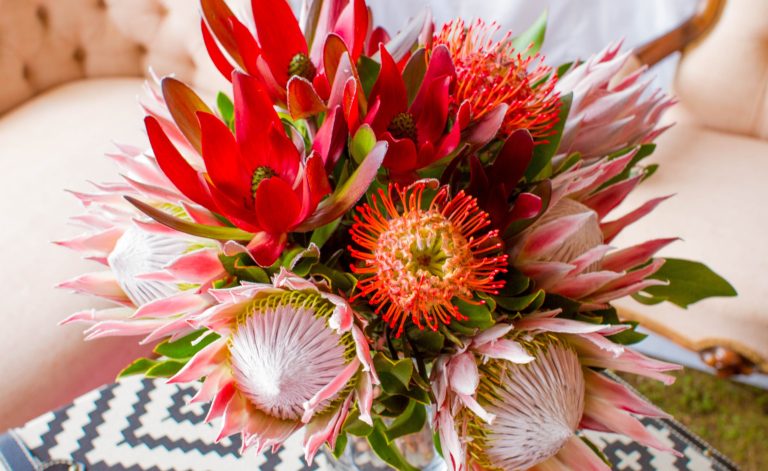
South African summers (December–March) are notorious for intense sun and coastal winds, with daytime temperatures often hitting 30–40 °C. Without thoughtful planning, fresh wedding blooms like roses, peonies or tulips wilt, sometimes within just 30 minutes under direct sun.
That’s why 2025 bridal couples (and their florists!) are shifting to heat-tolerant, indigenous blooms, which stay vibrant even through al fresco ceremonies and midday receptions.
Step 1: Why Choose Indigenous Flowers?
-
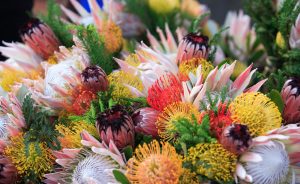
Drought-savvy & durable: Indigenous florals like proteas, brunia, and ericas evolved in South Africa’s fynbos and savannah–perfect for dry summer days.
-
Beautifully local: Rich texture & fragrant foliage tie in your wedding with Cape Town’s natural heritage, no imported blooms needed.

-
Year-round availability: Many species bloom in late winter through early summer (June–Dec), ideal for planning December-January weddings.
“Our protea flower arrangements are designed to honour the natural beauty and cultural heritage of South Africa… We source only the finest blooms directly from local farms in Cape Town.”
—Fabulous Flowers & Gifts, Cape Town Fabulous Flowers and Gifts
Step 2: Proteas – The Hero of Heat‑Resistant Wedding Florals
What makes proteas perfect for summer weddings:
-
Incredibly hardy – king protea and pincushion types tolerate strong coastal winds and resist wilting in heat.
-
Long vase life – with proper conditioning, proteas can last 14–16 days, often outlasting the weekend festivities (Ode à la Rose).
-
A sculptural statement – choice of blazing fuchsia, creamy pinks, and deep burgundy, adding instant drama to bouquets or aisle markers.
“I love the contrast of the indigenous, soft‑stemmed flowers and the South African protea, with their hard, woody stems which protect them in high heat.”
—Stems Of Windsor, florist based in Cape Town (Instagram July 2025)
Quick Protea planning chart
| Protea Type | Recommended Use | Design Tip |
|---|---|---|
| King Protea | Bridal bouquet focal point | One stem + eucalyptus + a “halo” of ruscus |
| Pincushion Protea | Bridesmaids’ bouquets, boutonnières | Clustered with waxflower or brunia |
| Sugarbush Protea | Ceremony backdrop, statement centerpieces | Mix with fynbos stems and dried grasses |
Step 3: Building a Heat‑Resistant Arrangement
Eligible heat-resilient extras:
-
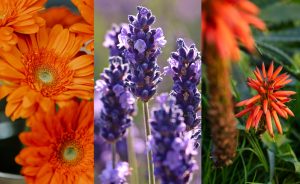
Succulents (e.g. aloe blooms) and senecio, plus lavender, gerbera daisies, and bougainvillea, which hold water long under sun (Black Tulip Flowers Oman).
-
Hard foliage like eucalyptus, olive, or gum leaves, perfect for filler or structural support.

-
Dried accents, pampas grass, bleached ruscus, or bunny-tail grasses, to boost volume and extend on-day endurance.

Florist best practices:
-
Keep arrangements in shaded or temperature-controlled areas ahead of time.
-
Use water tubes for all hand-held blooms and floral sealant on large blooms.
-
Chill (not freeze!) bouquets before ceremony, avoids condensation on petals.
-
Update water in centerpieces right before guest arrival.
Real-Wedding Mini Inspiration: Two South African Gems in 2025
Venues where indigenous blooms shine:
-
Fynbos Estate, Swartland (≈ 1 hour from Cape Town): Set amid vineyards & natural fynbos gardens, this venue hosts exclusively one wedding a weekend. Ideal for florals that echo the landscape, from protea bridal bouquets to sage-scented ceremony arches under olive trees (ynbosestate.co.za).
-
Simbavati Fynbos on Sea, Overberg Coast: A destination venue framed by indigenous coastal fynbos. Ideal for intimate sunset ceremonies styled with drifting pampas grass, king protea altar designs, and native succulents in driftwood containers (simbavati.com).
Couple – Johan & Mareli (Cape Winelands, Jan 2025): “We knew we wanted proteas after scouting Fynbos Estate, we tied pincushion proteas into our bouquets and centerpieces, paired with olive and succulents. The blooms didn’t fade even under the 32 °C afternoon sun!”
Easy‐to‐Follow Eco + Budget Tips
-
Book local growers instead of imported floral services (usually 40% cheaper).
-
Repurpose ceremony décor at reception, altar arches make unique photo backdrops and escort table floral holders.
-
Potted proteas as live centerpieces allow guests to take home a plant (or you can donate extras to community gardens post‑event).
Why This Trend Isn’t Going Anywhere in 2025
-
Climate resilience – heat‑resistant indigenous florals reduce spoilage and avoid hot-day panic (like wilted roses).
-
Sustainability – no plastic packaging, fewer water miles, and support for Cape flora biodiversity.
-
Timelessness – proteas age well, sometimes drying into lasting keepsakes long after petals fade.
Tips for Planning Your Florals in 2025
-
Book florists early (3–6 months): Summer months sell out quickly.
-
Share your venue name early, many florists coordinate with site crews (arch erectors, décor teams) for power, vases, and shade.
-
Ask for a formal sample arrangement, most studios like Alison’s Flowers or Fabulous Flowers offer tabletop mock-ups to show bloom placement and water-supply setup (alisonsflowers.co.za),(Fabulous Flowers and Gifts).
-
Request a post-wedding care guide (lucky brides get tips on preserving Proteas, repotting potted centrepieces).
In South Africa’s summer heat of 2025, flowers don’t have to wilt. By choosing heat‑tough, indigenous blooms led by proteas and designing with clever hydration practices, your wedding can bloom all day. Whether you’re in the Winelands’ fynbos or coastal dunes, your florals can reflect the season, support local ecosystems, and stay fresh enough to flourish late into the evening.
Featured Image: Canva
Image Source: Eastern Cape is Beautiful on Facebook Where Coastal Romance Meets Wild Beauty: Eastern Cape’s Most Breathtaking Wedding Venues The Eastern Cape is one of South Africa’s…
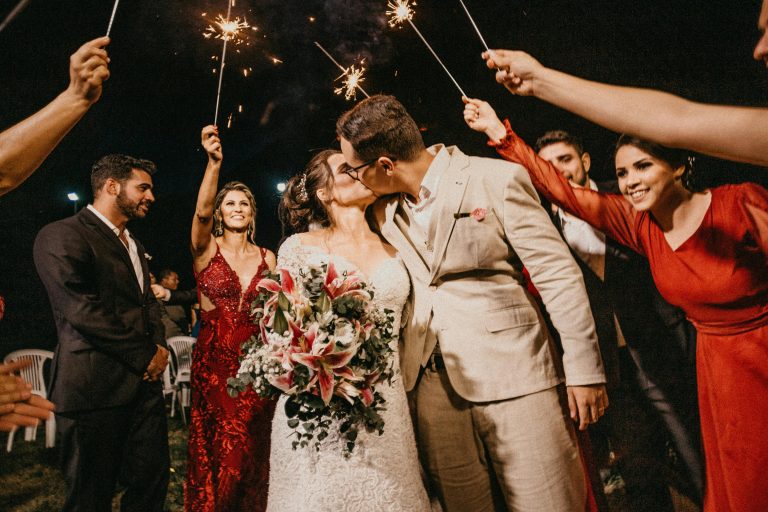
Gone are the days when weddings in South Africa meant hundreds of guests and sprawling venues. In 2025, many couples are reshaping their expectations, prioritising intimacy, authenticity, and sustainability. Micro‑weddings, with guest lists under 50, are on the rise. Surveys like The Knot Worldwide’s reveal that 48% of couples are considering this option, climbing to 57% among those already engaged (The Knot Worldwide). Locally, wedding planners in Cape Town and Johannesburg report more requests for boutique vineyard ceremonies and private estate celebrations over traditional ballrooms.
Yet, traditional weddings remain powerful, rooted in rich cultural heritage, multi-day celebrations, and the involvement of extended family. Whether you’re debating a micro ceremony or a grand celebration, it’s less about right or wrong and more about what represents your love story best.
What Is a Micro‑Wedding?
Micro‑weddings in South Africa typically feature 10 to 50 guests, often held at boutique vineyards, private gardens, luxury guesthouses or even family estates. These weddings emphasize meaningful interactions, with every detail carefully curated: personalised vows, bespoke cocktails, intimate seating, or handcrafted favours.
Industry reports in SA highlight that micro‑weddings with a luxe twist (featuring custom cocktails, live cooking stations, bespoke stationery, and elevated décor) are especially in demand (Hidden Gems Venues). Local planners in Cape Town confirm couples love venues like boutique wine estates in Stellenbosch, Paarl, or boutique hotels in Franschhoek.
Celebrants also note that micro‑weddings lend themselves to immersive experiences, think live caricature artists, private mixologists crafting cocktails, or small interactive food stations, enriching every moment with luxury despite a smaller budget.
The Traditional South African Wedding
Traditional weddings in SA often feature 100+ guests, involving extended families, cultural rituals, and multi-day festivities. They remain particularly prevalent within Zulu, Indian, Afrikaans, and other cultural communities. These ceremonies typically involve religious services, traditional attire, and large venue rentals such as hotels, church halls or large safari lodges.
For example, Avianto in Gauteng and The Forum Embassy Hill in Cape Town or safari lodges like Zulu Nyala remain popular choices. These venues offer multi-function capacity and cultural flexibility. While these events are often more expensive, costing R150,000–R500,000+, they reflect deep cultural connections and communal celebration.
Even large religious ceremonies continue across SA: for instance, the International Pentecost Holiness Church in Heidelberg recently hosted a mass wedding for around 3,000 participants, some entering polygamous customary marriages, an extreme example of tradition upheld at scale (apnews.com).
Cost Comparison: Savings vs Splurge
In South Africa, micro‑weddings typically cost between R40,000–R120,000, thanks to smaller catering, rental, décor and guestlist management. Many couples splurge instead on high‑end photography, fine dining or bespoke décor to maintain luxury within budget.
Traditional weddings can range from R150,000 to over R500,000, especially when guest numbers exceed 150, venues require large halls or marquees, and cultural rites require multiple events such as wine ceremonies or separate receptions.
With micro‑weddings, savings are found in reduced scale, but couples still invest in quality. For instance, luxury food stations, featuring local produce and interactive elements like build‑your‑own sushi or braai‑style cooking, often dominate guest experiences, even in intimate settings (Hidden Gems Venues),(Dear Diary).
Emotional & Social Considerations
A micro‑wedding’s intimacy can deepen connection, but may also strain family expectations. Some planners note that couples often wrestle with limiting the guest list: deciding which friends or extended relatives to invite can be emotional. As one planning guide puts it, micro‑weddings “offer intimate connections and cost savings but limit guest participation” while larger weddings welcome entire communities, with added complexity (Dear Diary).
Many SA planners report that micro‑weddings appeal to couples prioritising mindfulness and authenticity over tradition. Families may push for larger gatherings, but couples are increasingly finding ways to compromise, for example, hosting a separate, smaller post‑wedding party for extended family or streaming their ceremony virtually.
Legal & Logistical Differences
Legal marriage requirements with Home Affairs remain unchanged regardless of scale. However, micro‑weddings often simplify logistics dramatically: fewer vendors, straightforward seating and layout needs, and reduced exposure to problems like load-shedding. Private venues often don’t require extensive event permits, so planning becomes more streamlined.
What SA Couples Are Choosing in 2025
National and global data point toward rising interest in micro‑weddings: international reports show 48%–57% of engaged couples leaning this way (The Knot Worldwide). In South Africa, planners in Cape Town and Johannesburg confirm this especially in eco-conscious, boutique-centric areas.
Different regions trend differently: in Cape Town, eco-luxe micro‑weddings held at vineyards or boutique estates are especially popular. In Gauteng, hybrid models, small ceremonies followed by larger receptions or streamed events are gaining traction. In Durban, traditional Indian and Zulu weddings remain strong, often resisting the micro‑trend given cultural importance of broader familial gathering.
What Feels Right for You
There’s no right or wrong when choosing between micro‑weddings and traditional celebrations in South Africa. It’s about balancing your vision, budget, and cultural or family values. Micro‑weddings offer intimacy, personalization, and cost control, ideal for meaningful moments. Traditional large-scale celebrations offer cultural richness, community involvement, and a communal experience.
Talk with your partner and planner about what matters most, guest experience, meaningful traditions or financial flexibility. Consider hybrid options or post‑event celebrations to satisfy everyone. Above all, your wedding should reflect your story, not tradition by default.
Featured Image: Pixels
Proposal & Engagement: Tradition Meets Modernity In South African Muslim communities especially in Cape Town a formal proposal typically unfolds with the groom visiting the bride’s father to…

A Guide for Meaningful, Memorable, and Modern Wedding Gifts
As we dive into 2025, wedding gifts are evolving beyond conventional registry items. Today’s couples prioritize meaning, sustainability, and shared experiences over generic household goods. Here’s how to gift with intention in 2025.
Practical Everyday Gifts
Couples still appreciate functional items that seamlessly fit into their daily lives. In 2025, the trend favors compact, high-quality kitchen appliances over bulky legacy items, think rice cookers, knife sets, air fryers, and cordless vacuums rather than traditional stand mixers or large cookware. These choices reflect the realities of modern living spaces and shared households.
Popular registry staples include:
-
High-end knife block sets (e.g., Wüsthof)

-
Compact appliances like air fryers, multifunction immersion blenders, and robot vacuums
Reddit users often cite knives and vacuums as the most useful gifts they own.

Experience-Based & Subscription Gifts
Rather than physical items, couples increasingly cherish experiential gifts, those that help them create lasting memories together.
Top ideas include:
-
Cooking classes, wine-tasting tours, hot air balloon rides, culinary adventures

-
Spa getaways or weekend travel experiences

-
Online subscriptions: wine clubs, coffee deliveries, at-home spa kits, or escape room experiences

Why it works: More than half of 2025 couples include at least one experiential gift on their registry. These thoughtful options align with meaningful preferences and lifestyle priorities.
Personalized and Sentimental Keepsakes
Personal gifts continue to capture hearts by reflecting couples’ unique stories.
Examples:
-
Custom artwork (portraits, illustrated maps of their wedding date or location)

-
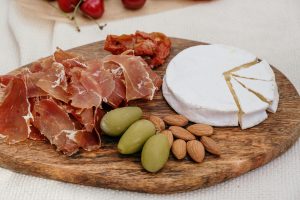
Engraved charcuterie or serving boards
-
Soundwave art of their first dance song or vow excerpts

-
Memory kits/time capsule sets where the couple can preserve notes, tokens, and mementos from their first year of marriage

These gifts transform everyday objects into emotionally meaningful treasures, keepsakes that last a lifetime.
Eco‑Friendly & Sustainable Options
Sustainability is no longer a niche, it’s central to gift choices in 2025. Couples are increasingly asking for environmentally responsible options.
Popular sustainable gift types:
-
Reusable kitchenware: beeswax wraps, glass storage containers, bamboo serving trays

-
Organic cotton bedding or towels

-
Solar-powered or energy-efficient gadgets

-
Artisan handcrafted items made from recycled or low-impact materials

Including at least one eco-friendly item on a registry is now common about 70% do so.
Wellness & Self‑Care Gifts
With wellness front-and-center in many couples’ values, gifts that foster self-care and relaxation are trending.
Examples include:
-
Aromatherapy diffusers, soft throws or weighted blankets

-
Yoga mats or subscription-based meditation/yoga platforms for couples

-
Home massage devices or wellness kits for shared pampering moments

Smart & Tech-Savvy Home Essentials
Modern couples appreciate high-tech gifts that simplify daily routines and enhance comfort.
Top tech gift picks:
-
Voice-controlled smart hubs (Echo Show, Google Nest)

-
Smart lighting or home monitoring systems

-
App-based coffee brewers or smart thermostats

- Robot vacuum cleaners or air purifiers

These gifts are both practical and forward-looking, ideal for newlyweds building a connected home.
Group Gifting & Big-Ticket Items
Friends or family gifts pooled together can bring luxury-level items within reach:
-
Designer furniture

-
A premium BBQ grill

-
A vacation credit or large-scale cookware sets like Le Creuset

Group gifting via registries or platforms streamlines contributions toward big-ticket items.
Quick Overview: Top Wedding Gift Categories 2025
| Category | Examples | Best For |
|---|---|---|
| Practical Daily Items | Knife sets, rice cooker, air fryer, robotic vacuum | Useful and long-lasting household staples |
| Experience & Subscription | Cooking class, spa voucher, wine delivery, dinner kits | Experience-driven couples |
| Personalized Keepsakes | Custom art, engraved boards, soundwave prints, time capsule kits | Sentimental gifts to treasure forever |
| Eco-Friendly Products | Recycled servingware, organic bedding, beeswax wraps | Conscious and sustainable gifting |
| Wellness & Relaxation | Diffusers, blankets, yoga subscriptions, massage devices | Couples prioritizing self-care |
| Smart Home & Tech Gadgets | Smart assistants, coffee systems, smart lights, robot vacuums | Tech-savvy and convenience-minded couples |
| Group Gifting Options | Furniture, luxury cookware, honeymoon credits | High-value registry items via pooling |
The best wedding gift in 2025 balances practicality, personality, sustainability, and thoughtfulness. Whether you’re choosing an experiential gift that fosters lifelong memories or a timeless heirloom-quality piece, align your choice with the couple’s values and lifestyle. From smart gadgets to artisan keepsakes or curated adventures, they’ll appreciate the intention behind it.
Featured Image: Pixels
Dreaming of an ocean‑front “I do” in 2025? Here’s a brutally honest breakdown of Western Cape vs KwaZulu‑Natal venues so you can make an informed decision (before thousands go…

Love Meets Local Craft in 2025
In 2025, engagement rings are no longer just about sparkle, they’re about substance. South African couples are reimagining what it means to mark a lifelong commitment, leaning into trends that prioritise personal meaning, ethical sourcing, and support for homegrown craftsmanship. Whether it’s a minimalist solitaire or a custom creation inspired by local culture, the rings of 2025 are telling powerful stories of love, values, and identity.
Let’s explore the most exciting engagement ring trends shaping South African proposals this year.
Ethically Sourced Diamonds Take Centre Stage
Conscious luxury is on the rise. More South African couples are asking where their diamonds come from and opting for stones that are responsibly mined or lab-grown.
Ethically sourced diamonds are no longer a niche preference. Thanks to increased transparency in the industry, couples can choose rings that align with their values without sacrificing beauty. Initiatives like the Kimberley Process and brands offering full traceability have paved the way for diamonds with integrity.
Lab-grown diamonds are also gaining traction, offering identical brilliance without the environmental footprint. Add in recycled metals and eco-friendly settings, and you have a ring that sparkles in more ways than one.

Jeweler Highlight:
-
Katannuta Diamonds offers fully traceable stones and custom rings crafted in Cape Town with ethical practices at heart.
Supporting Local: Jewelers with a South African Soul
There’s a new level of appreciation for South African design talent. Couples are turning away from mass-produced rings and gravitating toward local artisans who offer custom service, personal attention, and one-of-a-kind designs.
Choosing local doesn’t just support the economy, it means your ring is made with care, creativity, and often, cultural relevance. Whether it’s a family-owned atelier or a Black-woman-owned startup, South Africa’s jewelry scene is bursting with brilliance.
Top Local Jewelers to Know in 2025:
-
Nungu Diamonds – A luxury, Black-owned diamond house redefining ethical elegance in Joburg.
-
Bespoke by Kate – Known for colourful stones and bold shapes that make a statement.
-
Charles Greig – A legacy brand offering timeless craftsmanship with a South African heart.
Top Local Engagement Ring Jewelers in South Africa in 2025
Contemporary Meets Culture, Design Styles on the Rise
The biggest design trend in 2025? Authenticity. Couples want rings that reflect their personal story, not just a Pinterest board.
Expect to see:
-
Asymmetrical settings

-
Coloured stones like sapphires, emeralds, and morganite

-
Mixed metals think gold paired with platinum

-
Rings that fuse heritage with modern aesthetics, such as engraved Zulu or Xhosa patterns.

Minimalist solitaires and bold cocktail-style rings are both popular, because the trend is about self-expression, not conformity.
Customisation Is King
Forget one-size-fits-all. In 2025, couples are co-creating their rings from scratch, often designing them together as part of the engagement journey.
Thanks to 3D printing and virtual design previews, you can see exactly what your ring will look like before it’s made. Popular personalised touches include:
-
Hidden birthstones

-
Engraved fingerprints or wedding dates

-
GPS coordinates of where you first met or got engaged
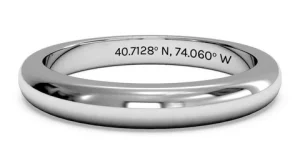
A custom ring isn’t just about style, it’s about building a symbol of your unique love story.
Sustainability Beyond the Stone
Sustainability doesn’t stop at sourcing. In 2025, the entire experience matters, from packaging to aftercare.
More jewelers now offer:
-
Eco-conscious packaging made from recycled or biodegradable materials
-
Ring care kits for long-term maintenance
-
Buy-back or recycling programmes, allowing you to redesign heirloom rings or upgrade sustainably
It’s all part of a bigger shift toward conscious wedding planning and it starts with the ring.
How to Choose the Perfect Engagement Ring in 2025
Here’s a quick cheat sheet:
-
Start with values: Do you want a mined or lab-grown stone? Ethical sourcing? Local craftsmanship?
-
Consider lifestyle: Is your partner hands-on and active? Choose durable settings and low-profile designs.
-
Think beyond the sparkle: Add personal touches that tell your story.
-
Support local: Visit SA jewelers for in-person consultations, or book virtual sessions to explore custom design options.
Your Love Story, Your Ring
In a world of trends, the most important thing is finding a ring that reflects you. Whether it’s a glittering diamond from a local mine, a lab-grown gem with a sustainable story, or a custom design infused with culture, 2025 is the year of meaningful luxury.
So go ahead, choose local. Choose ethical. Choose love that lasts and a ring that speaks volumes.
Featured Image: Canva