
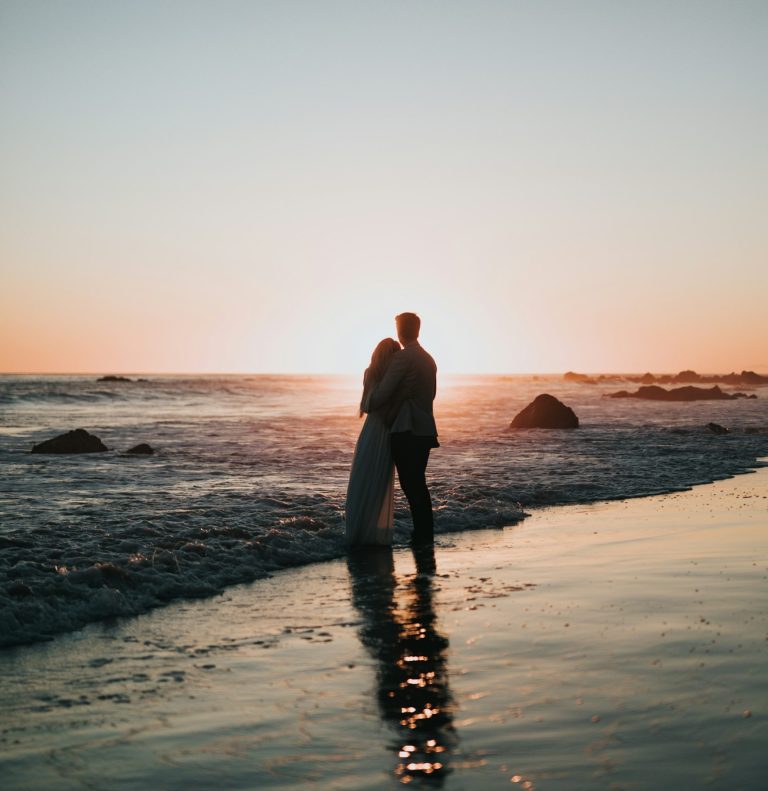
Photo by Nathan Dumlao on Unsplash
Every couple knows that giddy, butterflies-in-your-stomach feeling that comes with a new relationship. The late-night phone calls, the constant affection, and the sense that you’ve found your person—it’s intoxicating. But eventually, that sugar-sweet rush begins to fade, and real life steps in. Welcome to the natural evolution of love beyond the honeymoon phase.
What The Honeymoon Phase Really Is
The honeymoon phase is the early stage of a relationship where everything feels light, fun, and effortless. It’s when your partner can do no wrong, and every moment together feels like a highlight reel. According to relationship experts, this phase usually lasts anywhere between six months and two years.
During this period, couples are still learning about each other—sharing firsts, discovering quirks, and building emotional intimacy. It’s also a time when the brain releases a cocktail of feel-good chemicals like dopamine and oxytocin, giving that euphoric “in love” feeling that makes even ordinary moments feel special.
Do All Couples Experience It?
Not necessarily. Some couples experience an immediate rush of romance, while others build their connection slowly and steadily. And that’s perfectly okay.
Those who don’t have an intense honeymoon phase often end up developing a deeper and more realistic bond early on. Without the distraction of infatuation, they’re able to see their partner clearly—flaws and all. In fact, experts say that slow-burning relationships often lead to longer-lasting love because they’re grounded in emotional compatibility rather than instant chemistry.
As one local therapist put it, “When the spark doesn’t happen instantly, it doesn’t mean it never will—it might just grow over time.”
How To Enjoy The Honeymoon Phase
If you’re in the midst of your honeymoon phase, soak it all in. Go on spontaneous adventures, stay up talking till sunrise, and learn as much as you can about each other. It’s a beautiful time to explore your connection.
But there’s also a gentle word of caution: don’t make huge life decisions while you’re still caught up in the bliss. Experts advise waiting until the emotional fog lifts before moving in together, getting engaged, or signing a joint lease. Enjoy the romance, but keep one foot in reality.
When The Glow Begins To Fade
One day, the rose-tinted glasses slip off. The quirks that once seemed cute might start to irritate you. Small disagreements turn into real arguments. You might even question whether the relationship is as solid as you thought.
This is the point where many couples panic—but they shouldn’t. It’s the moment when the relationship shifts from fantasy to authenticity. You begin to see your partner for who they truly are, and that’s a good thing.
The end of the honeymoon phase doesn’t mean love is fading—it means it’s evolving.
Life After The Honeymoon Phase
Once the initial magic fades, relationships enter their most honest stage. You learn to communicate better, handle conflict, and show love in more meaningful ways. The everyday tasks—like cooking dinner or navigating stress together—become opportunities to build trust and partnership.
In South Africa, where many couples juggle busy city lives and family expectations, this stage often tests how resilient love really is. Whether it’s sharing responsibilities in a small flat or planning for a wedding amid career chaos, couples who weather this shift together tend to come out stronger.
Social media is full of reminders that love is supposed to be fireworks forever, but in reality, the slow, steady warmth that follows the honeymoon phase is far more rewarding.
The Takeaway
The honeymoon phase is fleeting, but love doesn’t have to be. When the glitter settles and you start seeing each other clearly, that’s when your relationship truly begins. Because lasting love isn’t about perfection—it’s about choosing each other, even on the ordinary days.
So, if you’re lucky enough to be in that blissful stage right now, enjoy it. But know that what comes next—the quiet, grounded, grown-up love—is just as beautiful, if not more.
Every bride dreams of that effortless wedding-day glow — the kind that looks fresh, radiant, and untouched by stress. But between last-minute seating plans, makeup trials, and a…
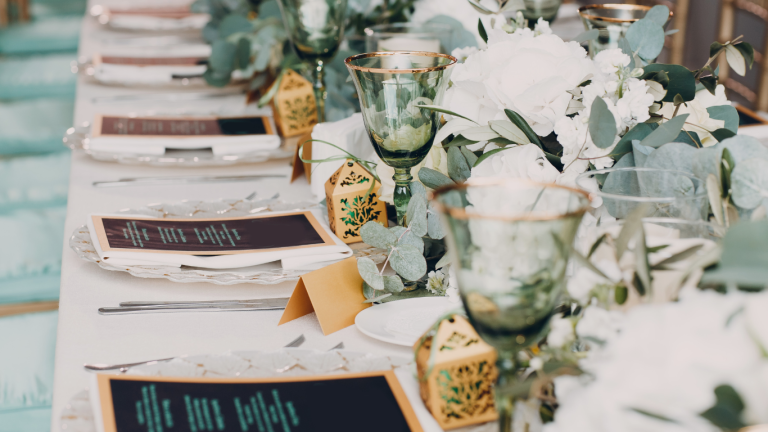
Weddings are joyous occasions, but they come with a set of traditions and expectations that can sometimes be confusing. Whether you’re a couple planning your nuptials or a guest preparing to attend, understanding wedding etiquette ensures that everyone feels comfortable and respected. Here’s a comprehensive guide to help you navigate the big day with grace.
For Couples: Setting the Tone
1. Invitation Etiquette
Your wedding invitations set the stage for your celebration. Traditionally, invitations should be sent out six to eight weeks before the wedding date. Be clear about dress codes and any special requests, such as “unplugged” ceremonies where guests are asked to refrain from using phones during the event.
2. RSVP Management
Keep track of RSVPs meticulously. This helps in finalizing seating arrangements and catering numbers. If someone hasn’t responded by the deadline, it’s courteous to follow up to confirm their attendance.
3. Seating Arrangements
While it’s common to have family and friends seated on opposite sides of the aisle, modern weddings often adopt a more inclusive approach. Allowing guests to choose their seats can create a more relaxed atmosphere.
4. Gift Registry
Provide guests with a registry to guide them in selecting gifts. This ensures you receive items you truly need and helps guests avoid the stress of choosing the perfect present.
For Guests: Attending with Elegance
1. Timeliness
Arrive at the venue 15 to 30 minutes before the ceremony begins. Being late can disrupt the proceedings and draw attention away from the couple.
2. Dress Code Adherence
Respect the dress code specified in the invitation. Avoid wearing white or off-white, as these colors are traditionally reserved for the bride.
3. Social Media Sensitivity
If the couple requests an “unplugged” ceremony, respect their wishes by refraining from taking photos. Additionally, wait for the couple to share images before posting on social media.
4. Gift Giving
If you bring a gift, ensure it’s appropriate and ideally from the couple’s registry. Avoid giving gifts that might be seen as presumptuous or overly personal.
General Etiquette Tips
-
Communication: If you need to cancel or change your RSVP, do so as early as possible to allow the couple to adjust their plans.
-
Alcohol Consumption: Drink responsibly. Overindulgence can lead to uncomfortable situations and detract from the celebration.
-
Respect Traditions: Whether it’s a religious ceremony or a cultural ritual, approach all traditions with respect and an open mind.
-
Thank-You Notes: Couples should send thank-you notes to guests who attended and gave gifts. This shows appreciation and acknowledges their presence on your special day.
By adhering to these etiquette guidelines, both couples and guests can contribute to a harmonious and memorable wedding experience. Remember, weddings are about celebrating love and unity, approaching them with respect and consideration ensures that everyone enjoys the day to its fullest.
Featured Image: Canva
In 2025, wedding decor is embracing a bold new trend: immersive, floor-to-ceiling environments that envelop guests in a cohesive and dramatic atmosphere. Gone are the days of focusing…
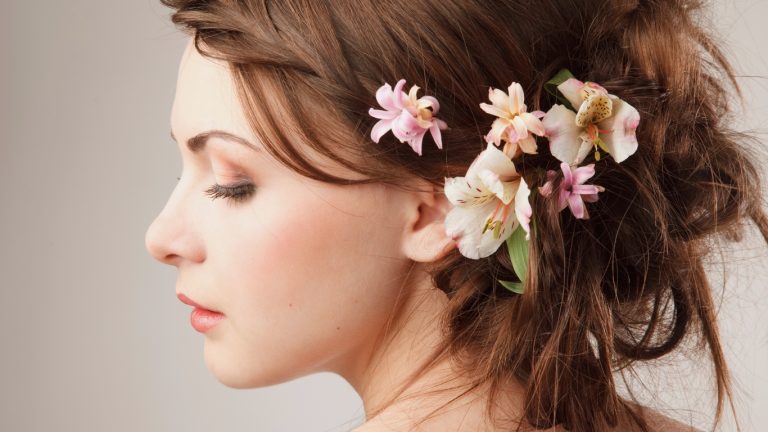
Glow from “Yes” to “I Do”: Your Beauty Prep Timeline for Wedding Day Radiance
Your wedding day will be one of the most photographed days of your life and your beauty prep is the secret behind radiant skin, healthy hair, and flawless nails. The trick is spreading out treatments and habits over time so nothing feels rushed or risky. Below is a thoughtfully paced timeline: 1 year, 6 months, 1 month, and the final stretch, covering skincare, hair, and nails.
1 Year Before: Lay the Foundation
Skincare
-
Consult a dermatologist or professional skin therapist to assess skin type, concerns, and plan long-term goals.
-
Begin a consistent daily skincare routine (cleanser, moisturizer, SPF).
-
If desired, start gentle actives (vitamin C, mild retinoids) under expert guidance — give your skin time to adapt.
-
If you’re considering treatments like laser, peels, microneedling, or pigmentation management, this is the phase to start them (many require multiple sessions).
-
Focus on your body’s skin too — exfoliation, hydration for arms, décolletage, legs.
Hair
-
Evaluate hair health. If you want growth, use deep conditioning, protein treatments, and trim split ends regularly.
-
If planning a major color change or style change, start it now so you have time to adjust.
-
Discuss your wedding hairstyle vision with your stylist and set milestones for color, length, or extensions.
Nails
-
Begin a strengthening routine (cuticle oil, nail hardeners) if your nails tend to be weak or brittle.
-
Keep up regular manicures/pedicures to maintain shape and condition.
6 Months Before: Upgrade & Test
Skincare
-
Lock in your core skincare regimen – the one you’ll carry into the home stretch.
-
Start mid-level treatments: gentle chemical peels, microdermabrasion, or facials every 4–6 weeks.
-
Address issues like pigmentation, texture irregularities, or breakouts with more targeted treatments.
-
Avoid introducing too many new products at once – allow skin to settle.
Hair
-
If using color, highlights, or balayage, begin the process now so it can settle and adapt.
-
Finalize your hair accessory plan (veils, pins, floral accents) so your stylist knows what you’ll need.
-
Place your order for extensions (if needed) now to ensure they arrive in time.
-
Maintain trims — but avoid drastic chops at this point.
Nails
-
Do one or more trial manicures / nail style tests to see how designs, shapes, and polishes photograph and hold up.
-
Continue regular care and hydration.
1 Month Before: No Big Experiments
Skincare
-
Stop experimenting with new products or strong actives (deep peels, aggressive acids) — you don’t want the risk of irritation too close to the day.
-
Get a final “glow” facial or treatment (hydrating, calming, brightening) with minimal downtime.
-
Emphasize barrier repair, hydration, and soothing masks.
-
If considering injectables (Botox, filler), do them about 3–4 weeks out so any swelling or bruises settle.
Hair
-
Get your final color / root touch-up so it has time to mellow and look natural.
-
Install extensions (if using) in this window so they settle into the look.
-
Get a final trim or shape — nothing drastic.
-
Use deep conditioning / gloss / shine treatments in the last couple of weeks.
Nails
-
Schedule your final manicure / pedicure 1–2 days before the main wedding event, this ensures freshness without risk of visible growth or chipping.
-
If using gel, dip, or long-wear polish, they tend to last better, so doing them slightly earlier (1–2 days) is often safe.
-
Avoid harsh cuticle work or aggressive filing so your nails stay healthy.
Final Stretch: 1–2 Weeks, 1–2 Days, Wedding Day
1–2 Weeks Before
-
Book a gentle facial (no extractions, no peels).
-
Get a baby trim if desired to freshen ends.
-
Finish teeth whitening or touch-ups, if doing.
-
Confirm all beauty appointments, trials, and logistics.
1–2 Days Before
-
Final manicure / pedicure (for most, one to two days before is ideal)
-
If you plan to have a spray tan, do it now. Be careful of any treatments that might interfere.
-
Wash hair (if per stylist advice), rest, hydrate, sleep well.
-
Avoid new products or treatments that could cause reactions.
Wedding Day
-
Stick with your well-tested skin care (gentle cleanser, moisturizer, SPF).
-
Hair & makeup: allow ample time (2–3 hours before) for full glam.
-
Pack a beauty emergency kit: blotting papers, lip color, powder, extra nails or glue, hairpins.
-
Relax, breathe, and trust your prep. You’re going to look stunning.
Why This Staged Approach Works
-
Time for adjustment & recovery — skin, hair, nails react differently; spacing helps you catch issues early.
-
Minimizes risk — avoids last-minute irritation, breakout, reactions, or hair mishaps.
-
Enables consistent glow — the cumulative effect of regular care is more powerful than a rushed overhaul.
-
Better vendor coordination — gives your esthetician, stylist, nail tech time to align with your vision.
Sample Summary Table
| Timeframe | Skincare Focus | Hair Focus | Nails Focus |
|---|---|---|---|
| ~1 Year Out | Build foundation, consultations, gentle actives, body care | Hair health, trims, plan hairstyle & color | Strengthening, conditioning, base routine |
| ~6 Months | Facials, gentle peels, pigmentation treatments | Color transition, trim, plan extensions | Trial manicure, maintain strength |
| ~1 Month | Hydration, barrier care, final treatments, stop new products | Final color, install extensions, trim | Final manicure ~1–2 days before |
| Final Stretch | Gentle facials, mask, rest | Touch-ups, avoid drastic changes | Fresh mani, protective care |
Tips & Precautions
-
Always patch test new products or treatments, especially close to the wedding.
-
Avoid major changes (haircuts, color, aggressive treatments) too close to the date.
-
Communication is key — work with experienced dermatologists, aestheticians, hairstylists and nail artists who understand bridal timelines.
-
Plan buffer days in case any treatment causes irritation or recovery.
-
Prioritize rest, nutrition, hydration — internal health shows in skin, hair, nails.
-
Adjust the timeline earlier if your skin, hair, or nails need more repair or time.
Featured Image: Canva
Featured Image Source: Pop Base on X Selena Gomez has officially stepped into her next chapter, saying “I do” to music producer Benny Blanco in California on Saturday,…
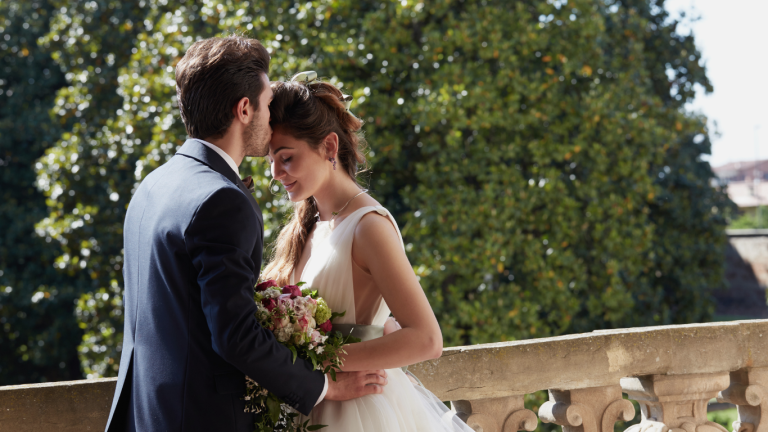
Weddings are no longer just about one big day. Couples are embracing multi-day experiences or weekend getaway weddings that allow more time, deeper connection, and richer storytelling. Instead of squeezing every moment into a single ceremony and reception, the modern wedding becomes an immersive journey, full of intimate events, meaningful downtime, and memorable shared moments with loved ones.
What’s Driving the Shift Toward Multi-Day & Weekend Celebrations
-
Guest investment and travel: With many guests flying in or travelling long distances, couples are finding that a one-day event feels too fleeting. Stretching the celebration over a weekend, or more, honours that effort.
-
Desire for meaningful moments: More time means more opportunity for authentic connection, relaxed schedules, exploration, and memories that go beyond formalities.
-
Experiential trend: Weddings are becoming less just “ceremony & party” and more “experience” — themed dinners, local culture immersion, wellness, and fun activities before and after the big event.
-
Venues & accommodations: Venues that offer overnight stays and estates that allow weekend access are becoming more popular. The ability to rent a full estate or guesthouse or to host all guests on-site adds cohesion and ease.
What a Typical Multi-Day Wedding Timeline Looks Like
While each wedding will be unique, many weekend or multi-day weddings in 2025 follow a format similar to this:
| Day | Event Ideas |
|---|---|
| Day -1 / Arrival Day / Eve of the Wedding | Welcome dinner or cocktails; casual mingling; optional activity like wine tasting, spa evening, sunset stroll or local excursion. |
| Day 0 / Wedding Day | Ceremony; main reception; often some downtime before or after; evening after-party. |
| Day +1 / Post-Wedding | Brunch or relaxed morning gathering; optional “recovery” events (pool party, nature walk, group spa); farewells. |
| Optional Additional Days | Sightseeing, cultural tours, adventure or wellness experiences; optional group activities for guests who stay longer. |
Benefits & Challenges to Consider
Benefits
-
More intimate connection: Guests have more time to bond; bride & groom can enjoy more moments beyond the rush.
-
Creative variety: Multiple events mean more opportunities for theme changes, styling, performances, decor variations.
-
Greater value for travel: Guests feel their trip was worthwhile, not just a few hours of party but a richer shared experience.
-
Relaxed pacing: Less stress compressing everything into one day; more breathing room for timing, photography, vendor setups.
Challenges
-
Cost & logistics: More days means more accommodation, food, vendor hours, and travel logistics.
-
Guest fatigue: Some guests may not be able to commit extra days; need to balance with rest and downtime.
-
Higher planning demands: More events = more coordination. It requires a clear itinerary, excellent communication, and contingency planning.
-
Season and location realities: Weather, transport, local infrastructure, venue availability can complicate multi-day setups.
2025 Trends & Ideas for Weekend Wedding Getaways
-
“Wed-cations” or destination stays: Couples are booking properties or resorts for entire weeks, making the wedding part of a vacation experience.
-
Signature local experiences: Incorporating excursions (vineyards, hikes, cultural tours), local food & artisans into multiple event days.
-
Wellness & rest elements: Yoga, massage, nature time, sunset walks, giving guests moments to recharge.
-
Stylish welcome & farewell events: From casual beach bonfires to formal welcome dinners or elegant brunches the next day.
-
Sustainability & local sourcing: Choosing local vendors, seasonal food, reusable décor, reducing travel footprint as much as possible.
How to Plan a Seamless Multi-Day Wedding Experience
-
Define your priorities & guest list early – How many events will you host? Which guests will be invited to each? What are must-have vs optional?
-
Choose a venue that accommodates lodging & multiple events – Estates, guesthouses, resorts or private properties with enough space and flexibility.
-
Design a clear itinerary & share it ahead of time – Let guests know dress codes, event times, travel/transportation, and optional activities. A printed or digital program helps.
-
Think guest comfort – Travel arrangements, lodging comfort, transport between venues, clear signage, rest periods.
-
Budget accordingly – Include extra days, staff costs, catering, décor, entertainment, travel. Build in buffer for unexpected expenses.
-
Tell your story across multiple events – Let each event feel connected yet distinct; theme continuity in décor, food, music can help.
-
Hire vendors who understand the format – Photographers, caterers, planners who have experience with weekend weddings or multi-day events.
Multi-day weddings and weekend getaways aren’t just trends in 2025, they’re reflections of how couples want their weddings to feel: immersive, meaningful, and shared experiences. When done well, these celebrations honour not only the couple’s love but also the effort of guests, creating memories that stretch beyond a single evening.
If you’re dreaming of this format, lean into what makes you and your partner unique. Choose location, events, moments that align with your values and story and let the magic unfold over more than just one day.
Featured Image: Canva