

• Tag

    timeline

    Browsing

    One of the first questions many brides ask after setting a wedding date is surprisingly simple: When should I start shopping for my wedding dress?

    The answer? Probably sooner than you think.

    While it may be tempting to leave dress shopping until closer to the big day, modern bridal fashion operates on timelines that can stretch for months. Between finding the one, ordering, shipping, fittings and alterations, a wedding gown often takes far longer to arrive than brides expect. Industry experts generally recommend beginning the process between 9 and 12 months before the wedding, with some designer and custom gowns requiring even longer lead times.

    The good news? Knowing the timeline upfront can help you avoid unnecessary stress and make the dress-shopping experience far more enjoyable.

    The Ideal timeline: 12 months before the wedding

    If your wedding is a year away, you’re in the sweet spot.

    Starting your search around the 12-month mark gives you plenty of time to explore different silhouettes, visit bridal boutiques, compare designers and make decisions without feeling rushed. It also allows for production delays, shipping times and alterations that may arise later in the process. Experts increasingly recommend shopping between 12 and 18 months before the wedding, especially if you’re considering a designer gown, customisations or a made-to-order dress.

    At this stage, focus on inspiration, budgeting and understanding what styles make you feel most confident.

    9–10 months before: Time to say yes to the dress

    Once you’ve found your gown, aim to place your order around 8 to 10 months before the wedding. Most made-to-order dresses require several months for production and delivery, with many designers quoting lead times of four to six months or longer.

    Ordering within this window ensures you’ll have access to a wider range of styles, sizes and customisation options while avoiding costly rush fees.

    2–3 months before: Alterations begin

    Even the most perfectly chosen dress usually needs some tailoring.

    Most bridal alteration specialists recommend beginning fittings approximately eight to ten weeks before the wedding. This allows enough time for adjustments to hems, bodices, sleeves, trains and bustles, as well as multiple fitting appointments if necessary.

    Remember to bring your wedding shoes and undergarments to every fitting to ensure the final result is flawless.

    What if your wedding is less than six months away?

    Don’t panic.

    While a shorter timeline may limit your options, many brides successfully find beautiful gowns with just a few months to spare. Off-the-rack dresses, sample sales, ready-to-wear collections and certain local designers can often accommodate tighter deadlines. Some retailers also offer expedited production services, although additional fees may apply.

    The key is to be upfront about your wedding date from your very first appointment so consultants can guide you toward realistic options.

    Trends are changing how brides shop

    Today’s brides are approaching dress shopping differently than previous generations. Personalisation, versatility and sustainability are shaping bridal fashion in 2026, with many brides opting for convertible gowns, detachable elements, vintage-inspired pieces and even pre-loved dresses. Others are choosing multiple outfits for different parts of the celebration, from the ceremony to the after-party.

    These choices can affect your timeline too, making early planning even more valuable.

    Your wedding dress timeline at a glance

    12–18 months before: Start researching styles and booking bridal appointments.
    9–12 months before: Choose and order your dress.
    8–10 weeks before: Begin alterations and fittings.
    1–2 weeks before: Final fitting and collection.
    Wedding Day: Step into your dream dress with confidence.

    The final stitch

    Finding your wedding dress should feel exciting, not stressful. By starting early, you give yourself the freedom to explore, dream and make decisions without pressure. Whether you’re falling for a couture masterpiece, a modern minimalist gown or a vintage-inspired treasure, the best dress is the one that makes you feel unmistakably like yourself.

    And when it comes to timing? The earlier you start, the more options you’ll have waiting at the end of the aisle.

    ALSO SEE: Practical tips to find your perfect wedding gown 

    Practical tips to find your perfect wedding gown

    Featured image: Los Muertos Crew / Pexels
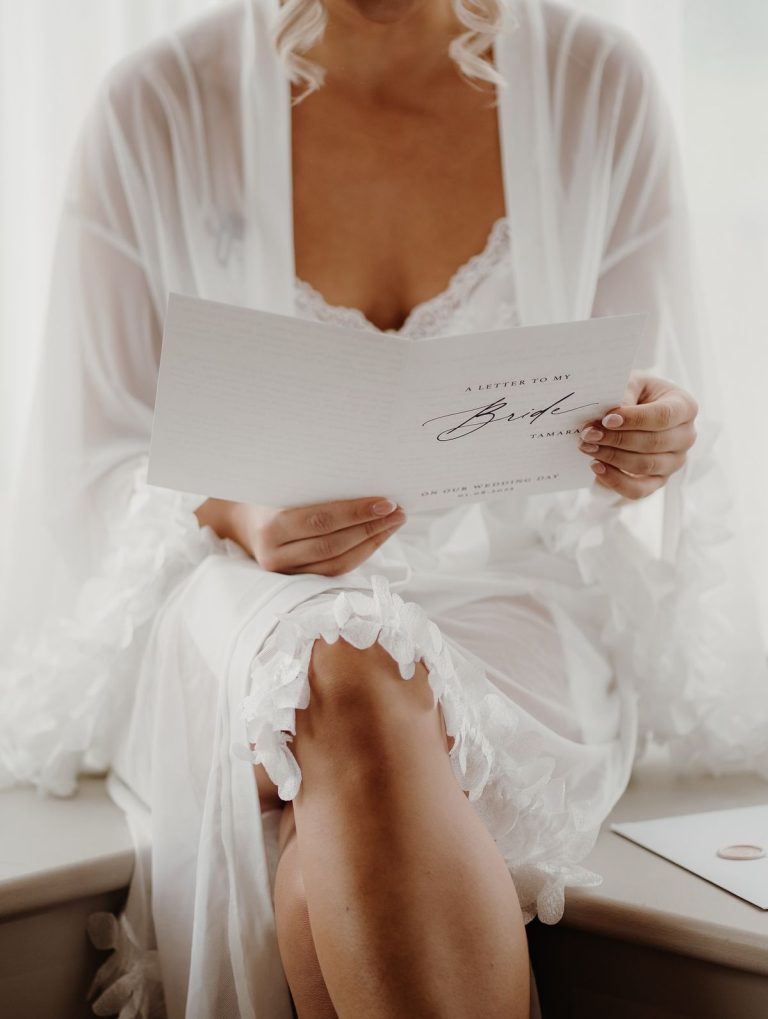
    For all the energy that goes into planning the perfect wedding, the wedding morning itself is often treated like an afterthought. But ask almost any bride, photographer or makeup artist, and they’ll tell you the same thing: the tone of the morning sets the tone for the entire day.

    And while social media tends to romanticise matching robes, champagne towers and perfectly curated flat lays, the reality is that wedding mornings can become overwhelming very quickly.

    The good news? Most of the stress brides experience before the ceremony comes from a few very avoidable mistakes.

    Here are five wedding morning mistakes brides often regret – and what to do instead.

    Trying to manage the entire wedding from the bridal suite

    If you’re answering supplier calls while getting your hair done, your morning is already becoming more stressful than it needs to be. One of the biggest mistakes brides make is feeling like they need to oversee every detail until the very last second.

    But the truth is, your wedding morning is not the time to coordinate logistics, troubleshoot décor issues or respond to timeline questions.

    That’s exactly why coordinators, bridesmaids and trusted family members exist. Choose one person to handle any problems or supplier communication on the day and let them protect your peace a little. Most issues can be solved without involving you at all.

    Because the reality is: you only get this morning once. You deserve to experience it.

    Forgetting to eat and hydrate

    It sounds obvious, but this happens far more often than people realise. Between nerves, excitement and early glam call times, many brides unintentionally survive the morning on coffee, champagne and adrenaline alone – which usually catches up to them halfway through photos or during the ceremony itself.

    Low energy, headaches, dizziness and emotional overwhelm are often made worse simply because the body hasn’t been looked after properly.

    A proper breakfast and consistent hydration genuinely make a difference. Nothing overly heavy – just enough to keep your energy stable throughout the day.

    Your makeup will sit better, your body will feel better, and you’ll enjoy the celebration instead of trying to recover from exhaustion by sunset.

    Turning the bridal suite into a Pinterest set

    There’s nothing wrong with wanting beautiful details and aesthetic moments. That’s part of the fun. But sometimes wedding mornings become so focused on creating content that the atmosphere starts feeling chaotic instead of calm.

    Too many personalised items, unnecessary props, overcrowded spaces and excessive décor can quickly make the room feel stressful – especially once photographers, hairstylists, makeup artists and bridesmaids are all moving around simultaneously.

    Ironically, the most beautiful wedding morning photos usually come from spaces that feel natural, relaxed and emotionally present.

    Keep the meaningful details. Let go of the pressure to make every corner “Instagram-worthy.”

    Not leaving enough buffer time

    Wedding mornings almost always take longer than expected. Someone forgets earrings. Hair takes an extra thirty minutes. Steamers stop working. A bridesmaid suddenly needs safety pins. Something will happen.

    And when the schedule is too tight, even small delays create unnecessary panic.

    One of the smartest things couples can do is intentionally build breathing room into the timeline. Aim to be ready earlier than necessary instead of exactly on time.

    Because rushing changes the entire energy of the morning – and, unfortunately, it’s often one of the things brides remember most afterwards.

    Forgetting to be present in the moment

    This is probably the biggest one of all.

    The wedding morning moves fast – faster than most brides expect. One minute you’re sitting in pyjamas with coffee, and the next you’re stepping into your dress preparing to walk down the aisle. And somewhere between the glam, timelines and excitement, many brides forget to pause and absorb what’s happening.

    Take a few quiet moments if you can. Put your phone down occasionally. Look around the room. Hug your people properly. Let yourself feel the day instead of racing through it. Because years from now, you probably won’t remember every tiny detail that went right or wrong.

    But you will remember how the morning felt.

    The best wedding mornings rarely look perfect

    Ironically, the wedding mornings people remember most fondly are usually the ones that felt genuine – not flawless.

    It’s the laughter while getting ready. Your mom crying while saying, “But you were just a little girl yesterday.” The “this is the last time we’re doing this before you’re a wife” comments, or a sibling casually stealing your glass of water while you’re trying not to smudge your lipstick. The quiet, intimate presence of the people you love surrounding you while everything is about to change.

    Not because everything was perfectly in place, but because everything was felt deeply.

    Raw emotion. Real connection. Authentic love in a room that will never feel exactly like that again. And somehow, that’s what stays with you the most.

    ALSO SEE: 5 Ways to practice self care while planning your wedding

    5 Ways to practice self care while planning your wedding

    Featured image: Pinterest