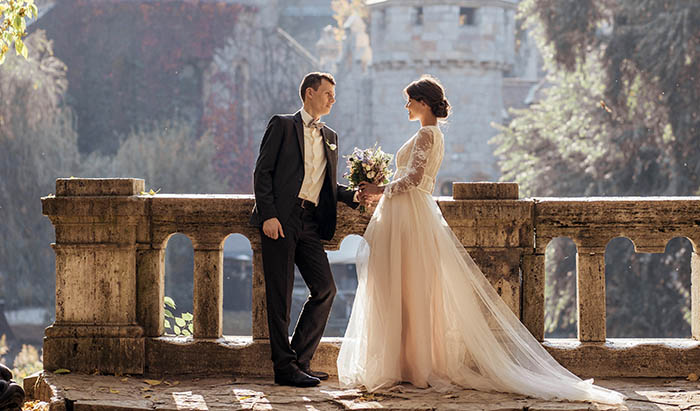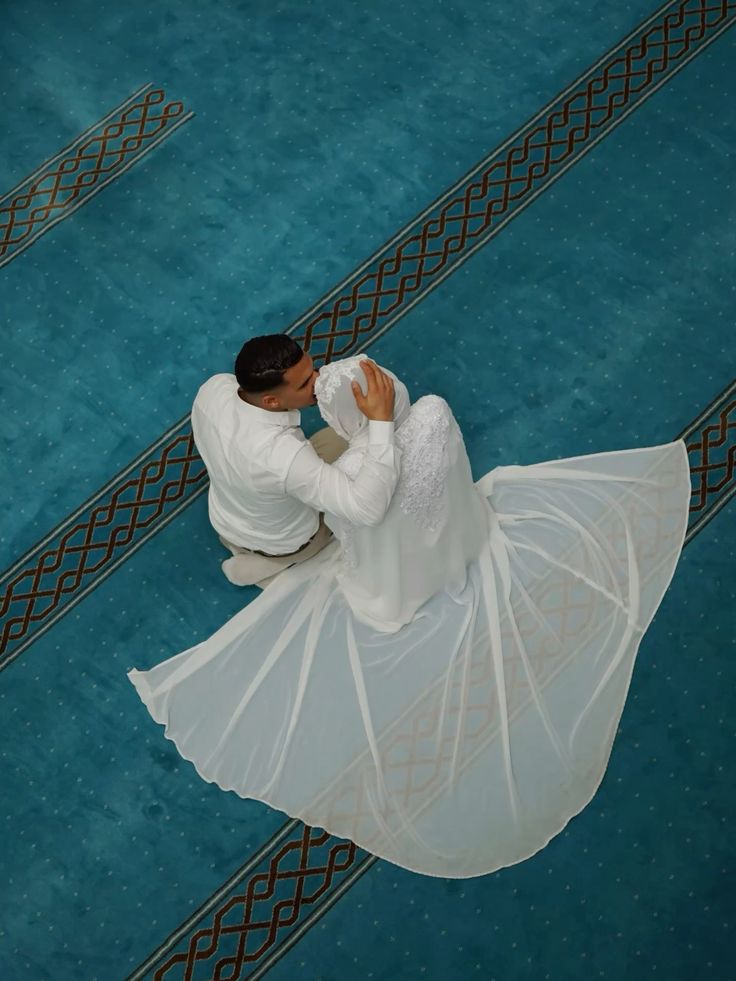
There is something incredibly moving about watching a wedding and realising you are witnessing more than a celebration.
You are watching inheritance.
In South Africa, weddings have never simply been about two people falling in love. They’ve always been about family, community, spirituality, identity and belonging. And in a country with 11 official languages, countless cultural lineages and deeply rooted faith traditions, there is no such thing as one “South African wedding.”
Instead, our weddings are layered.
A bride might wear a sleek modern gown for one ceremony and traditional attire for another. A couple might sign legal documents in the morning and gather for ancestral blessings that afternoon. One family might dance to amapiano at the reception while another begins celebrations with prayer and tea.
And while trends come and go (yes, even the rise and fall of champagne towers), some traditions deserve a permanent place at the table.
Here are the South African wedding traditions worth keeping alive.
Lobola: Because marriage has always been bigger than two people
Possibly one of South Africa’s most recognised traditions, lobola (known by different names across cultures) is often misunderstood – especially online.
Contrary to the tired “buying a bride” narrative, lobola traditionally symbolises respect, gratitude and the formal joining of families. Historically paid in cattle and more commonly negotiated financially today, the process remains deeply symbolic across many South African communities.
What makes this tradition worth preserving isn’t necessarily the format – it’s the intention.
The conversations.
The meeting of families.
The acknowledgement that marriage creates community.
Modern couples are adapting the process in ways that feel authentic to them while keeping the spirit intact.
The art of doing both: Traditional ceremony and white wedding
If there is one thing South Africans do exceptionally well, it’s refusing to choose.
Many couples today celebrate both a customary ceremony and a religious or Western-style wedding – sometimes days, weeks or months apart.
And honestly? There’s something beautiful about that.One day may centre family customs and heritage. The other may focus on personal vows, faith or aesthetics.
It’s not duplication – it’s layering meaning.
South African weddings continue proving that tradition and modernity don’t have to compete.
Umabo: The tradition that reminds us marriage is an arrival, not just a ceremony
Within Zulu tradition, Umabo remains one of the most visually striking and emotionally meaningful celebrations.
Traditionally held at the groom’s family home, Umabo symbolises the bride’s formal welcome into her new family and often includes gift-giving, celebration, singing and ceremonial rituals that acknowledge both families and ancestry.
In a world obsessed with aesthetics, Umabo reminds us that symbolism still matters.
Nikah ceremonies and faith-led beginnings
South African Muslim weddings continue to show that elegance and meaning can exist in the same space.
A Nikah (Islamic marriage ceremony) centres consent, witnesses, a marriage contract and spiritual intention. While celebrations vary across Cape Malay, Indian Muslim and broader Muslim communities in South Africa, hospitality, family involvement and intentional gathering remain central.
Many couples today are beautifully blending heritage details with contemporary wedding design – proving that faith-led weddings never have to feel outdated.
Mehndi nights, colour and pre-wedding celebration
Across many South African Indian weddings (whether Hindu, Muslim or culturally blended celebrations), pre-wedding traditions remain incredibly alive.
Think:
- Mehndi (henna) ceremonies
- Music-filled family evenings
- Gifting rituals
- Multiple outfit changes (arguably one of humanity’s greatest inventions)
These gatherings create something modern weddings often loose: anticipation.
The wedding becomes more than one event.
It becomes a season.
Family blessings and elder involvement
Across cultures and religions in South Africa – whether Christian, Muslim, Hindu, African customary traditions or mixed-faith weddings – one thing appears again and again: Elders matter.
- Blessings
- Advice
- Prayers
- Being formally welcomed
There is something deeply grounding about recognising the people who helped shape you before stepping into marriage.
It doesn’t need to look traditional to carry meaning.
Traditional dress changes (because one look is rarely enough)
South African weddings understand something the rest of the world is only starting to catch onto:
the outfit change is part of the storytelling.
From Xhosa beadwork and Umbhaco influences to Ndebele patterns, Sotho blankets, Indian bridalwear, Cape Malay influences and contemporary African couture – changing into cultural attire isn’t just a fashion moment.
It’s identity made visible.
Dancing that feels like celebration – not performance
South Africans don’t arrive quietly.
Whether it’s ululation, coordinated entrances, cultural dance traditions, spontaneous singing or an entire family treating the reception like a live concert, movement remains part of the language of celebration.
And maybe that’s one tradition we should protect at all costs.
Not every wedding needs choreography, But every wedding deserves joy.
Final thoughts
If there’s one thing South African weddings continue to teach us, it’s this: Tradition doesn’t survive because people preserve it exactly as it was.
It survives because people keep finding new ways to mean it, and perhaps that’s the real tradition worth keeping alive.
ALSO SEE: Thank-you gifts: outdated tradition or wedding must-have?
Featured image: Pinterest