

• Tag

    cost-saving weddings

    Browsing

    After months of planning your wedding, your honeymoon should be about celebrating your new chapter together—not worrying about your bank balance.

    The good news? Saving money doesn’t have to mean settling for less. Today’s couples are becoming more intentional with their travel, choosing meaningful experiences over unnecessary extras and finding clever ways to stretch their budgets without sacrificing the romance.

    Here are seven practical ways to make your honeymoon budget work harder.

    1. Book early – but stay flexible

    If you’ve already chosen your destination, booking flights and accommodation several months in advance often unlocks the best rates. But flexibility can be just as valuable.

    Travelling during the shoulder season – the period just before or after peak travel – can mean lower airfares, reduced accommodation costs and fewer crowds, while still offering excellent weather in many destinations. Travel experts continue to recommend shoulder-season travel as one of the easiest ways to reduce honeymoon costs without compromising the experience.

    2. Let your guests contribute to your honeymoon

    Many modern couples are replacing traditional gift registries with honeymoon funds or experience-based registries.

    Instead of receiving duplicate kitchen appliances or décor, guests can contribute towards flights, a sunset cruise, a couples’ spa treatment or even a romantic dinner. It allows loved ones to be part of memories you’ll treasure long after the wedding day. Honeymoon registries continue to grow in popularity as couples prioritise experiences over physical gifts.

    3. Use travel rewards you’ve already earned

    Frequent-flyer miles, airline loyalty programmes and credit card travel rewards can make a significant dent in your honeymoon expenses.

    If you’ve been collecting points while paying for wedding-related purchases, now is the perfect time to cash them in for flights, airport lounge access or hotel stays. Even a partial redemption can free up money for experiences once you arrive.

    4. Skip the expensive extras you’ll barely remember

    It’s easy to be tempted by luxury upgrades simply because they’re labelled as “honeymoon specials”.

    Before saying yes to every add-on, ask yourself whether it genuinely adds value. Champagne on arrival is lovely, but would you rather put that money towards a private excursion, a memorable dinner or an extra night away? Many travel experts suggest choosing one meaningful splurge instead of paying for multiple premium extras.

    5. Consider an all-inclusive stay

    For couples who want to relax without constantly checking prices, an all-inclusive resort can offer excellent value.

    With accommodation, meals and many activities included upfront, you’ll have fewer surprise expenses and a clearer idea of your overall honeymoon budget before you even leave home. It’s also a simple way to avoid overspending once you’re in holiday mode.

    6. Look closer to home

    An unforgettable honeymoon doesn’t have to involve a long-haul flight.

    South Africa and neighbouring destinations offer world-class safari lodges, wine estates, luxury beach escapes and boutique hotels that deliver all the romance – often at a fraction of the cost of overseas travel. Local honeymoons are becoming increasingly popular for couples looking to maximise both value and quality.

    7. Budget for the little things

    Flights and accommodation usually get all the attention, but smaller costs can quickly add up.

    Airport transfers, resort fees, gratuities, travel insurance, mobile data, excursions and souvenirs should all be factored into your honeymoon budget from the beginning. Building in a small contingency fund can help you enjoy your trip without unexpected financial stress.

    Love doesn’t have to come with a luxury price tag

    The most memorable honeymoons aren’t defined by five-star price tags—they’re shaped by shared experiences. Whether you’re sipping coffee in a mountain village, watching the sunset from a beach or enjoying a candlelit dinner after a day of exploring, thoughtful planning allows you to focus on what matters most: celebrating your first adventure as newlyweds together.

    Because the best honeymoon isn’t necessarily the most expensive one – it’s the one you’ll never stop talking about.

    ALSO SEE: Visa-free honeymoon destinations South African couples will love

    Visa-free honeymoon destinations South African couples will love

    Featured image: Amanda Sixsmith / Unsplash 
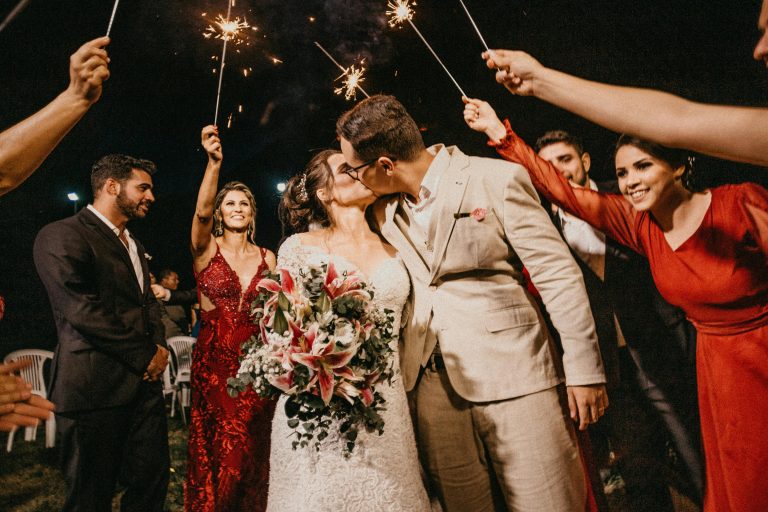
    Gone are the days when weddings in South Africa meant hundreds of guests and sprawling venues. In 2025, many couples are reshaping their expectations, prioritising intimacy, authenticity, and sustainability. Micro‑weddings, with guest lists under 50, are on the rise. Surveys like The Knot Worldwide’s reveal that 48% of couples are considering this option, climbing to 57% among those already engaged (The Knot Worldwide). Locally, wedding planners in Cape Town and Johannesburg report more requests for boutique vineyard ceremonies and private estate celebrations over traditional ballrooms.

    Yet, traditional weddings remain powerful, rooted in rich cultural heritage, multi-day celebrations, and the involvement of extended family. Whether you’re debating a micro ceremony or a grand celebration, it’s less about right or wrong and more about what represents your love story best.

    What Is a Micro‑Wedding?

    Micro‑weddings in South Africa typically feature 10 to 50 guests, often held at boutique vineyards, private gardens, luxury guesthouses or even family estates. These weddings emphasize meaningful interactions, with every detail carefully curated: personalised vows, bespoke cocktails, intimate seating, or handcrafted favours.

    Industry reports in SA highlight that micro‑weddings with a luxe twist (featuring custom cocktails, live cooking stations, bespoke stationery, and elevated décor) are especially in demand (Hidden Gems Venues). Local planners in Cape Town confirm couples love venues like boutique wine estates in Stellenbosch, Paarl, or boutique hotels in Franschhoek.

    Celebrants also note that micro‑weddings lend themselves to immersive experiences, think live caricature artists, private mixologists crafting cocktails, or small interactive food stations, enriching every moment with luxury despite a smaller budget.

    The Traditional South African Wedding

    Traditional weddings in SA often feature 100+ guests, involving extended families, cultural rituals, and multi-day festivities. They remain particularly prevalent within Zulu, Indian, Afrikaans, and other cultural communities. These ceremonies typically involve religious services, traditional attire, and large venue rentals such as hotels, church halls or large safari lodges.

    For example, Avianto in Gauteng and The Forum Embassy Hill in Cape Town or safari lodges like Zulu Nyala remain popular choices. These venues offer multi-function capacity and cultural flexibility. While these events are often more expensive, costing R150,000–R500,000+, they reflect deep cultural connections and communal celebration.

    Even large religious ceremonies continue across SA: for instance, the International Pentecost Holiness Church in Heidelberg recently hosted a mass wedding for around 3,000 participants, some entering polygamous customary marriages, an extreme example of tradition upheld at scale (apnews.com).

    Cost Comparison: Savings vs Splurge

    In South Africa, micro‑weddings typically cost between R40,000–R120,000, thanks to smaller catering, rental, décor and guestlist management. Many couples splurge instead on high‑end photography, fine dining or bespoke décor to maintain luxury within budget.

    Traditional weddings can range from R150,000 to over R500,000, especially when guest numbers exceed 150, venues require large halls or marquees, and cultural rites require multiple events such as wine ceremonies or separate receptions.

    With micro‑weddings, savings are found in reduced scale, but couples still invest in quality. For instance, luxury food stations, featuring local produce and interactive elements like build‑your‑own sushi or braai‑style cooking, often dominate guest experiences, even in intimate settings (Hidden Gems Venues),(Dear Diary).

    Emotional & Social Considerations

    A micro‑wedding’s intimacy can deepen connection, but may also strain family expectations. Some planners note that couples often wrestle with limiting the guest list: deciding which friends or extended relatives to invite can be emotional. As one planning guide puts it, micro‑weddings “offer intimate connections and cost savings but limit guest participation” while larger weddings welcome entire communities, with added complexity (Dear Diary).

    Many SA planners report that micro‑weddings appeal to couples prioritising mindfulness and authenticity over tradition. Families may push for larger gatherings, but couples are increasingly finding ways to compromise, for example, hosting a separate, smaller post‑wedding party for extended family or streaming their ceremony virtually.

    Legal & Logistical Differences

    Legal marriage requirements with Home Affairs remain unchanged regardless of scale. However, micro‑weddings often simplify logistics dramatically: fewer vendors, straightforward seating and layout needs, and reduced exposure to problems like load-shedding. Private venues often don’t require extensive event permits, so planning becomes more streamlined.

    What SA Couples Are Choosing in 2025

    National and global data point toward rising interest in micro‑weddings: international reports show 48%–57% of engaged couples leaning this way (The Knot Worldwide). In South Africa, planners in Cape Town and Johannesburg confirm this especially in eco-conscious, boutique-centric areas.

    Different regions trend differently: in Cape Town, eco-luxe micro‑weddings held at vineyards or boutique estates are especially popular. In Gauteng, hybrid models, small ceremonies followed by larger receptions or streamed events are gaining traction. In Durban, traditional Indian and Zulu weddings remain strong, often resisting the micro‑trend given cultural importance of broader familial gathering.

    What Feels Right for You

    There’s no right or wrong when choosing between micro‑weddings and traditional celebrations in South Africa. It’s about balancing your vision, budget, and cultural or family values. Micro‑weddings offer intimacy, personalization, and cost control, ideal for meaningful moments. Traditional large-scale celebrations offer cultural richness, community involvement, and a communal experience.

    Talk with your partner and planner about what matters most, guest experience, meaningful traditions or financial flexibility. Consider hybrid options or post‑event celebrations to satisfy everyone. Above all, your wedding should reflect your story, not tradition by default.

    Featured Image: Pixels