• Tag

    Beach weddings

    Browsing

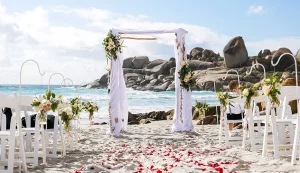
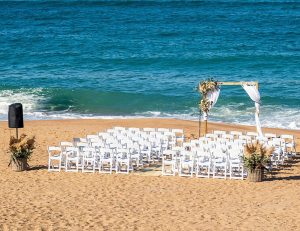
    There are few settings as effortlessly romantic as the beach. The sound of crashing waves, golden light and endless ocean views create a naturally breathtaking backdrop that needs little embellishment. But while a seaside ceremony may look effortless, pulling one off successfully requires thoughtful planning.

    From changing tides and coastal weather to guest comfort and eco-conscious choices, today’s beach weddings are about balancing style with practicality. Here’s how to create a celebration that’s every bit as memorable as the setting.

    1.Choose your beach carefully

    Not all beaches are created equal when it comes to weddings. Some offer dramatic scenery but are exposed to strong winds, while others provide calmer waters, easier access and better facilities.

    Before falling in love with a location, visit it at the same time of day as your planned ceremony. You’ll get a better feel for lighting, tides, crowds, parking and wind conditions. If you’re using a public beach in South Africa, check municipal permit requirements well in advance, as many beaches require official approval for ceremonies.

    2. Let nature set your timeline

    Golden hour remains one of the biggest wedding trends for good reason. Scheduling your ceremony shortly before sunset offers softer light for photography, cooler temperatures and a more comfortable experience for guests.

    Equally important is checking local tide charts. A ceremony planned at low tide could look very different a few hours later, so work with your planner or venue to ensure the ocean stays where it’s meant to.

    3. Have a weather backup you actually love

    Every outdoor wedding needs a Plan B, and the coast is no exception.

    Rather than treating your backup option as an afterthought, choose an alternative space that feels just as beautiful as your original vision. Whether it’s a glass-fronted venue overlooking the sea or an elegant sailcloth tent, you’ll enjoy the day far more knowing unexpected weather won’t derail your celebration.

    4. Dress for the setting

    A beach wedding is the perfect excuse to embrace effortless elegance.

    Lightweight fabrics such as chiffon, silk, crepe and linen move beautifully in the sea breeze while keeping everyone comfortable. Brides are increasingly opting for streamlined silhouettes, detachable overskirts and relaxed styling, while grooms are swapping heavy tuxedos for linen suits in soft neutrals.

    Footwear matters too. Block heels, wedges, embellished sandals or even barefoot ceremonies are all practical alternatives to stilettos disappearing into the sand.

    5. Keep your décor simple

    One of the greatest advantages of a beach wedding is that nature already provides the wow factor.

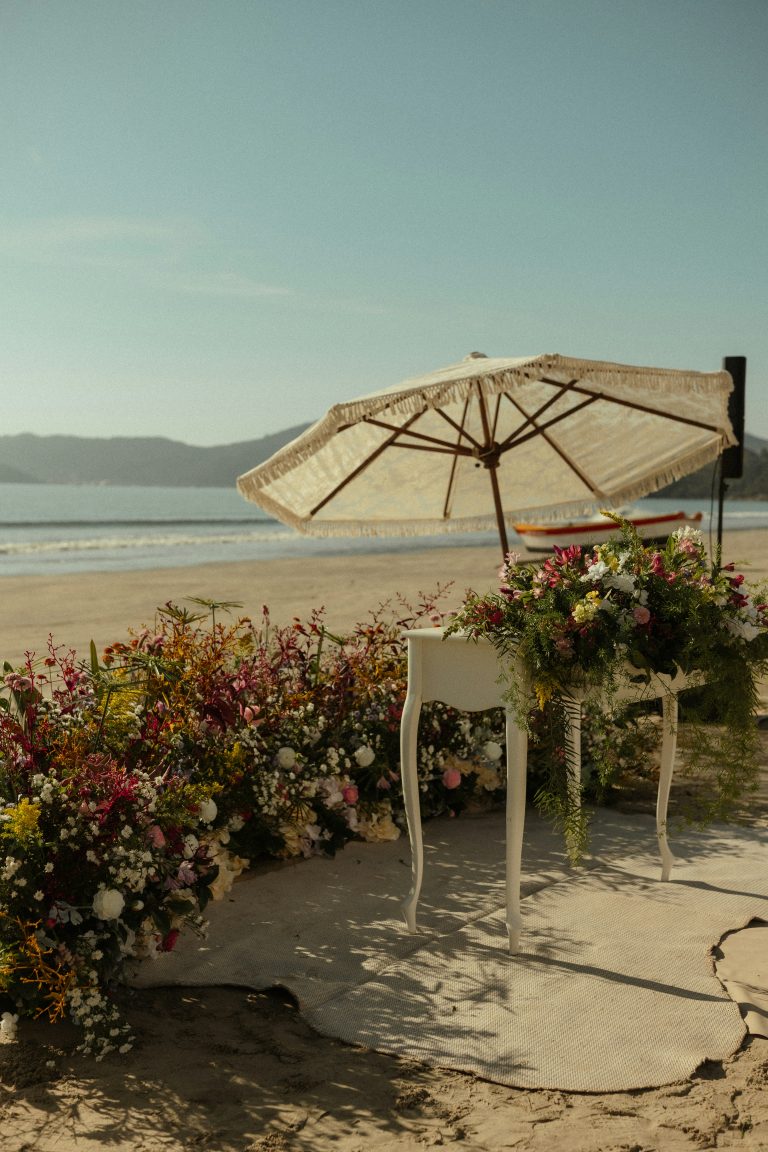
    Rather than competing with the scenery, lean into natural textures like linen, timber, rattan, glass and locally sourced florals. Neutral palettes inspired by sand, shells and ocean blues continue to dominate coastal weddings, creating a timeless look that complements the landscape instead of overwhelming it.

    6. Prioritise guest comfort

    Beautiful views won’t matter if guests are uncomfortable.

    Offer chilled water before the ceremony, provide fans or parasols on hot days and consider cosy blankets if temperatures are likely to drop after sunset. If elderly guests or anyone with mobility concerns will be attending, ensure there are accessible pathways or boardwalks to the ceremony space.

    Small touches like a shoe station or flip-flops for dancing can make a surprisingly big difference.

    7. Think beyond traditional catering

    Beach locations often come with logistical limitations, so your menu should suit the environment.

    Fresh seasonal ingredients, seafood, grazing tables and lighter dishes work well outdoors, while signature cocktails, mocktails and local wines add a personalised touch at the reception. If alcohol isn’t permitted on the beach itself, host your drinks and reception at a nearby licensed venue with ocean views.

    8. Protect the shoreline

    Sustainability has become one of the defining themes of modern weddings, and beach celebrations offer plenty of opportunities to tread lightly.

    Swap traditional confetti for biodegradable petals, rent décor instead of buying single-use items, source seasonal flowers locally and minimise unnecessary waste wherever possible. The less impact your celebration leaves behind, the more beautiful the coastline remains for future couples.

    10. Invest in great sound

    The ocean may provide the soundtrack, but it also creates one of the biggest challenges during a ceremony.

    Waves and wind can make it surprisingly difficult for guests to hear your vows. A professional sound system with discreet lapel microphones ensures everyone shares the moment without shouting over the surf.

    10. Embrace the relaxed atmosphere

    The most memorable beach weddings aren’t necessarily the most elaborate.

    They’re the ones that embrace the setting – barefoot first dances, sunset portraits, intimate guest lists and meaningful moments that feel authentic to the couple. Recent wedding trends continue to move away from overproduced celebrations in favour of thoughtful, experience-led weddings that prioritise connection over perfection.

    The final word

    A beach wedding will always come with a little unpredictability, but that’s part of its charm. With thoughtful planning, a flexible mindset and a respect for the natural surroundings, your seaside celebration can be as seamless as it is spectacular. After all, when the backdrop is the ocean, you don’t need much else to make the moment unforgettable.

    ALSO SEE: Are destination weddings still worth it in 2026?

    Are destination weddings still worth it in 2026?

    Featured image: Alexander Mass / Unsplash 

    Dreaming of an ocean‑front “I do” in 2025? Here’s a brutally honest breakdown of Western Cape vs KwaZulu‑Natal venues so you can make an informed decision (before thousands go on décor and sneaky permit fees).

    The Beach Wedding Dream vs. Coastal Reality

    A beach wedding calls to mind barefoot brides, sunset walkways, and soft ocean breezes. It’s Instagram‑perfect in concept, relaxed, romantic, budget‑smart.

    But anyone who’s run sand through a pair of heels knows the beach bar vibe doesn’t come without thorny logistics:

    • Permits & bylaws: Most public beaches require municipal approval. (No permit = no ceremony.)

    • Weather surprises: gusty wind on the Atlantic side or humidity and bugs on the Indian Ocean coast.

    • Noise & privacy issues: waves drown out sound, and public beaches = unpredictable foot traffic.

    • Vendor challenges: transporting gear across dunes, generator needs, and finding reliable local teams.

    So let’s dig into the two leading coastal provinces where most couples are drawn for their “wedding‑day forever” shots… and sometimes, one too many course corrections.

    Western Cape Coastal Venues: Gorgeous, but Demanding

    📍 Popular Picks

    Camps Bay, Llandudno, Noordhoek, Hermanus‑area beaches like Grotto, and Paternoster Coast make the top list due to dramatic mountain‑by‑sea views and upscale nearby venues.

    Sourced: thebayhotel.com
    • The Bay Hotel in Camps Bay, for example, offers a full beach‑wedding package including beach gazebo, planner, photographer, but enforces strict no‑alcohol policies on the public sand area and helps with permits from the City of Cape Town. (thebayhotel.com)

    Sourced: @stm_travel
    • Camps Bay Retreat Boutique requires exclusive property booking and no more than ~50 guests on the actual sand strand for exclusivity.(campsbayretreat.com)

    Sourced: campsbayretreat.com

    Pros

    1. Photogenic vistas: Table Mountain backdrop + wide white sand—perfect light, year‑round.

    2. Reliable vendors: Cape Town is wedding‑central in SA; planning companies, photographers, caterers, transport and packing are premium and plentiful.

    3. More settled flow of guests: Domestic/international flights into Cape Town more frequent and accessible.

    4. Cool, dry summers: Most weddings held between late October and early April for warm sun and minimal rain.

    Cons

    1. Wind worries: The notorious Cape Doctor can roar through midday; March–April may offer calmer weather but still requires contingency.

    2. Cold Atlantic Ocean: Most people in Turks or floaties once snapping toes. Swimming is not the highlight.

    3. Permit hurdles: You’ll need a permit for most public beaches; costs vary from R 300 – R 6 000+, must be filed at least one week in advance; no guarantee of exclusivity.

    4. Premium pricing: High demand means bookings open a year in advance and prices rise sharply during December – January.

    What to Consider

    • Latest Cape Town bylaws require environmental & noise clearance for weddings above 50 guests.

    • Access for elderly/elderly‑mobility guests can be tricky on dunes. Many vendors offer beach‑accessible walkways and portable platforms, ask in venue tours.

    KwaZulu‑Natal Coastal Venues: Warm, Lush and Season‑Sensitive

    📍 Well‑Known Spots

    Umhlanga Beach (Oyster Box, Umhlanga Rocks Hotel), Ballito (Salt Rock, Sala Beach House, Baron Beach House), Southbroom, Zinkwazi Beach, and Kosi Bay are popular for their tropical backdrops and warmer water.

    Sourced: Facebook Baron Beach House
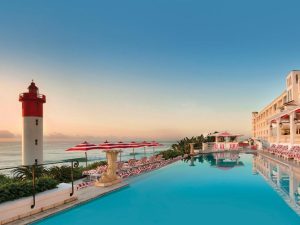
    • Oyster Box Hotel offers classic ocean‑front ceremonies with Indian Ocean breezes and wedding planners behind the scenes. Reviews like:

    “If you’re thinking of getting married at OBH, do it, it’s a once in a lifetime experience … Ginny Eslick is the best wedding planner ever.” (tripadvisor.com)

    Sourced: X @Mamu_Travel
    • Baron Beach House in Umhlanga prides itself on being “relaxed without being rustic… upmarket without being pretentious. We marry ‘ballgowns and flip flops’” for the boho‑beach vibe it delivers  (theumhlangamagazine.co.za).

    Sourced: Facebook Baron Beach House

    Pros

    1. Indian Ocean heat: Seawater typically registers ~23–27 °C → great for photos, guests and babes alike.

    2. Tropical greenery & flowers: Indoor/outdoor venue lines fade in lush coastal trees and modern beachfront resorts.

    3. Year‑round warmth: Mild winters (16–24 °C average in May–September; Durban rainfall ~56 mm to ~35 mm).

    4. Lower baseline pricing: Still cheaper than Cape Town premium—even resort‑tier hotels like Ballito stretch staff rates predictably lower. saltrockbeach.co.zasalabeach.co.za.

    Cons

    1. Humidity + bugs: December through February days can reach 28–32 °C highs with high humidity. Mosquitoes and sand flies may appear in beachfront evenings.

    2. Rain risk: KZN’s rainy season peaks between November and April (November ~102 mm average in Durban)
      responsiblevacation.com, weather-and-climate.com.

    3. Occasional storms: Cyclonic activity in coastal KZN can force disruptions in January or early February.

    4. Infrastructure hiccups: While sustained load‑shedding has dropped by 2025 (!), outages remain possible during peak summer demand, backup generator planning is smart.

    5. Vendor variety: Fewer specialist planners or photographers compared to Cape Town, though most resorts partner with local suppliers.

    What to Consider

    • Durban eThekwini municipality requires a wedding permit for public beachfront ceremonies (though many resorts use private beachfront areas), and offshore marine parks (e.g. iSimangaliso) require 10 working days for permit processing, no permits issued in high‑season summer school holidays
      isimangaliso.com.

    • Some venues cut power out of necessity too, ask how much generator backup you’ll need in March/April.

    • Transport: King Shaka Airport (Durban) to Ballito/Umhlanga takes 30–40 min by car. For smaller towns like Zinkwazi or Kosi Bay, budget a 3–4‑hour transfer by road.

    Key Practical Considerations

    Consideration Western Cape (Cape Town region) KwaZulu‑Natal Coast
    Permits & Authority City of Cape Town (1 week+) – public beaches cost R 300–R₶ 6000. For protected areas (SANParks), submit to SANParks as well Pink Book Weddingscapetown.gov.za EThekwini Municipality (public sites). iSimangaliso and other nature reserves need 10 working days permit, not accepted during school holidays isimangaliso.com
    Best Weather Timing Late Oct–Apr (warm, lower rain), calmest Mar–Apr; Oct and Nov shoulder season special rates Pink Book Weddings May–Sep is warmest + driest, but hotel‑rates rise. Summer (Nov‑Apr) hotter/rainy, plan indoor or shade back‑up
    Guest Access Flights into Cape Town, superb infrastructure, many pet‑friendly and large‑hotel options Flights to Durban, then limited connections north, Ballito/Umhlanga are well served
    Vendors & Services Virtually unlimited planners, photographers, cake bakers, rentals Resort packages help; fewer standalone vendors, early booking advised
    Backup Plan Mandatory due to wind/rain risks, tents or indoor backup essential Backup for late‑season storms and electricity drops is recommended
    Budget Expectation Higher per‑head costs during peak season; downward in Mar/Apr Generally better value; all‑inclusive packages with minimal add‑ons
    Water & Climate Atlantic waters ~16–20 °C; windy; photos at golden hour more forgiving Indian Ocean ~23–27 °C; humid; glowing foliage; richer florals, insects possible

    What Real Couples Have to Say

    “If you’re thinking of getting married at OBH, do it, it’s a once‑in‑a‑lifetime experience … Ginny Eslick is the best wedding planner ever.”
    — Oyster Box Hotel reviewer (TripAdvisor), seen winter 2024 tripadvisor.com

    “We are relaxed without being rustic, we are upmarket without being pretentious. We marry ‘ballgowns and flip flops’ … boho beach chic.”
    — The Umhlanga Magazine reviewing Baron Beach House weddings, April 2025 Nubian Bride+1facebook.com+1

    “Marriage officer here. March and April are good in Cape Town—not too hot, not too windy. Still, every couple should budget for alternative venue.”
    — Reddit user, r/capetown (August 2024 thread consulted in spring 2025) reddit.com

    Those sentiments echo our guide: both regions sparkle, but each offers reality checks of its own.

    Who Wins the Coastal Wedding Battle?

    There’s no single winner, just the best fit for your vision, season, and priorities.

    • Chic, polished, and cooler – The Western Cape is ideal if you’ve got a tight timeline (Oct–Apr), want designer coastal views, strong infrastructure, and cold‑water photography magic. Just prepare for stricter permitting and possible wind.

    • Warm, vibrant, and tropical – KZN delivers lush scenery, beach‑swimming comfort, and budget flexibility, particularly if you pick winter (May–September) for drier air and better rates.

    Often couples choose Cape Town for dramatic landscape shots plus honeymoon stays at vineyards nearby, and KZN if they want tropical wedding brunches and swimming guests. Keep your season in mind: marrying in peak summer (Dec–Jan) increases rain risk in KZN, while in Cape Town, December is crowded and windy.

    Best Tips for Any Beach‑side Couple

    1. Lock in your venue 9–12 months ahead, peak summers sell out early in both regions.

    2. Apply for wedding permits ASAP, especially earlier in school‑holiday season.

    3. Plan a backup (tiers of plan A, B and C: canopy → tent → indoor hall).

    4. Beach‑proof your attire & décor, use wind‑rated décor, shoes, and lighting.

    5. Ask about electricity and backups, winter 2025 promises low load‑shedding risk, but summer surges and storms still carry outage potential.

    6. Visit the beach sites at the planned ceremony hour, preferably at high season, to feel wind/sound/lighting dynamics.

    Final Take

    • Western Cape = sweeping vistas, crisp weather (if timed well), and seamless vendor support.

    • KwaZulu‑Natal = warm water, lush vibes, and better baseline pricing, but be prepared for humidity and rain.

    Your beach wedding should feel dreamy, not disappointing. Visit in person if you can, envision midday and sunset hours, and align your venue with your guest‑comfort goals and finances. With planning and smart timing, both options can deliver a breathtaking coastal wedding experience.

    Featured Image: Canva