• Tag

    bridaladvice

    Browsing

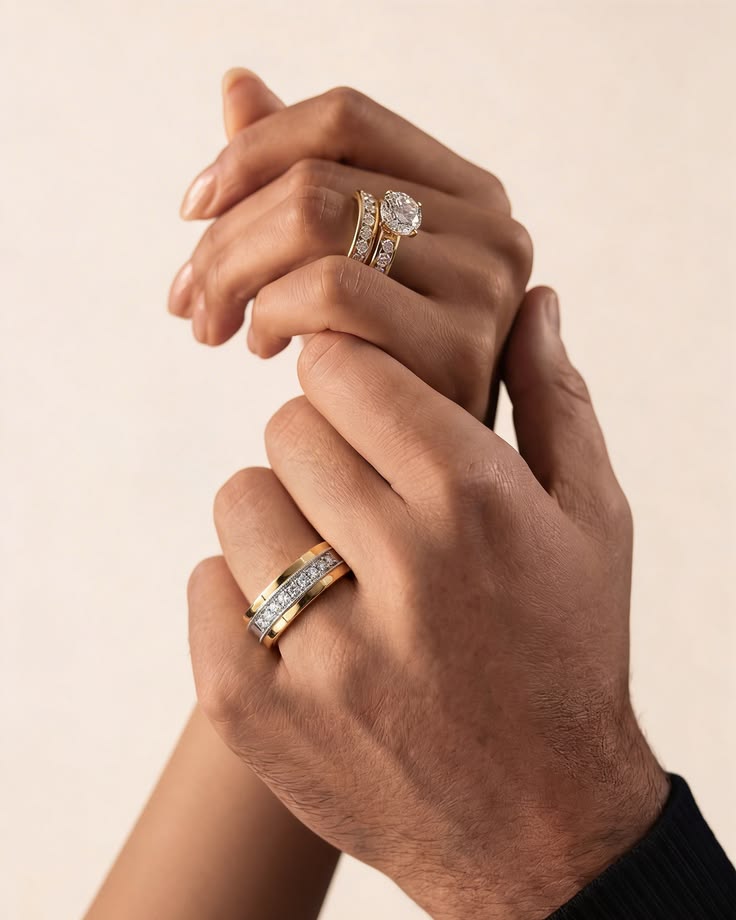
    Choosing wedding bands used to feel fairly straightforward: walk into a jewellery store, choose a classic gold band and leave with a matching set before the afternoon was over. But much like weddings themselves, the process has become far more personal. Today’s couples are approaching wedding bands with a different mindset. Beyond tradition, there’s now a stronger focus on individuality, lifestyle and finding pieces that feel reflective of the relationship itself. For some, that means timeless matching bands. For others, it’s mixed metals, custom engravings or completely different styles altogether.

    There’s no single “right” way to do it anymore – and honestly, that’s what makes the process feel more meaningful. From practical considerations to personal style, here’s a modern guide to choosing wedding bands together.

    Start with lifestyle before aesthetics

    As tempting as it is to fall straight into Pinterest boards and jewellery inspiration videos, the first thing couples should consider is everyday life. A ring may look beautiful in a velvet box, but how does it fit into your actual routine? Someone who works with their hands daily may prioritise durability and comfort, while someone else may lean towards something more delicate or design focused. Because while aesthetics matter, these are pieces meant to be worn long after the wedding photos have been posted and the flowers have wilted.

    Matching bands are no longer the expectation

    One of the biggest shifts in modern wedding jewellery is the move away from perfectly matching rings. Many couples are now choosing bands that complement one another rather than mirror each other exactly. Think different metals within the same design family, varying textures or completely different widths that still feel cohesive together. For some couples, matching bands feel symbolic and sentimental. For others, choosing individual styles feels more authentic to who they are. Neither approach is more romantic than the other.

    Think about how the wedding band works with the engagement ring

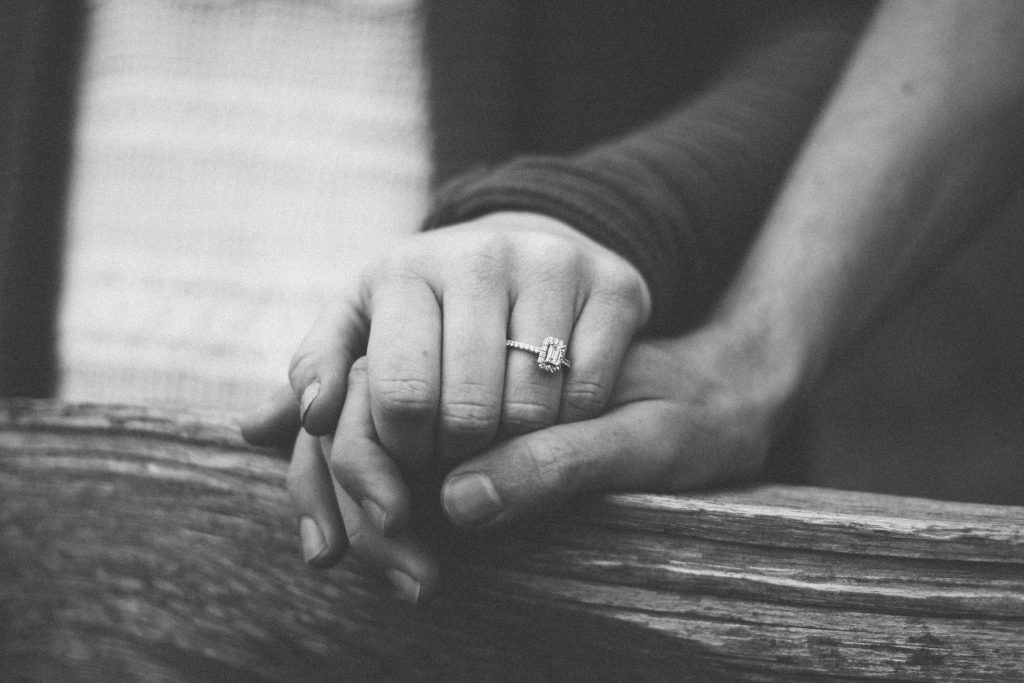
    For brides who wear their engagement ring daily, the wedding band needs to work alongside it rather than compete with it. Some prefer a seamless stacked look, while others intentionally choose contrasting bands to create more dimension and personality. Curved bands, pavé details and mixed-metal combinations continue to grow in popularity for exactly this reason. Trying rings on together also makes a noticeable difference. What works beautifully on its own can feel completely different once paired alongside an engagement ring.

    Metal choice matters more than most people realise

    Gold remains a classic favourite, but modern couples are becoming far more experimental with materials and finishes. Yellow gold continues to dominate thanks to its warm, vintage-inspired appeal, while platinum and white gold offer a cleaner, more contemporary look. Rose gold still offers a softer, romantic feel, while matte finishes, brushed textures and black titanium bands are becoming increasingly popular amongst couples wanting something slightly less traditional. There’s also been a growing interest in heirloom redesigns, incorporating sentimental family jewellery into modern pieces that still carry emotional significance.

    Budget conversations are part of the process

    Wedding bands may seem like a smaller detail compared to venues, florals or fashion, but costs can escalate quickly – especially once customisation enters the picture. Having honest conversations around budget early on makes the entire process far less stressful. For some couples, investing in bespoke craftsmanship or premium metals feels worthwhile. For others, practicality and longevity matter more than luxury branding. At the end of the day, the goal is not to impress people. It’s to choose rings that feel sustainable, personal and true to your relationship.

    Engravings are becoming far more personal

    Classic initials and wedding dates will always have their place, but couples are finding more creative ways to personalise their bands. Coordinates, private phrases, voice-note soundwaves and meaningful lyrics are turning wedding bands into deeply personal keepsakes rather than purely symbolic pieces. And often, it’s those small details that end up meaning the most years later.

    Don’t rush the decision

    Despite how fast-paced wedding planning can feel, choosing wedding bands should never feel rushed. Visit different jewellers. Try on styles you wouldn’t normally consider. Ask questions about maintenance, resizing and durability. And most importantly, choose rings that feel like an honest reflection of both of you – not simply whatever happens to be trending online at the moment.

    Beyond the wedding day

    At its core, choosing wedding bands together is less about tradition and more about intention.

    Some couples will choose timeless matching bands, while others will gravitate towards completely different styles that simply feel right for them individually. There’s no perfect formula anymore — and that’s part of what makes modern weddings feel far more personal than they once did.  The best wedding bands are not necessarily the trendiest or most expensive pieces in the room. They’re the ones that still feel like you years from now: comfortable, meaningful and chosen with care. 

    Because long after the seating charts, floral installations and reception playlists fade into memory, these are the pieces that stay with you every single day. 

    SEE MORE: Alternative engagement ring stones

    Alternative engagement ring stones

    Featured image: Pinterest 

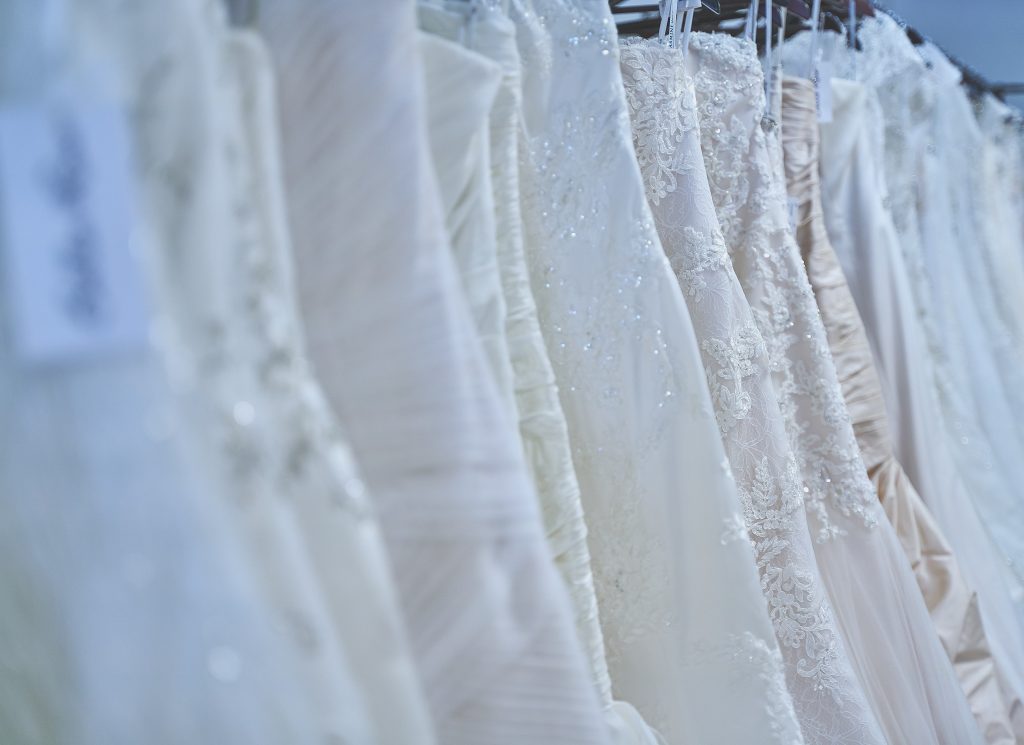
    Wedding dress shopping can be stressful. With so many cuts and styles available, brides can easily become overwhelmed by the options. To make things easier, here’s our wedding gown 101 guide to the most popular wedding dress silhouettes.


    Ball gown:

    Also known as princess style, this wedding dress silhouette is characterised by a full skirt, fitted bodice and natural waist. It is the most traditional of the silhouettes, often considered the most romantic and feminine due to its fairytale-esque shape. This cut works well on most body types, especially more straight figures as it creates shape. However, more petite brides might get lost in the fullness of the skirt.

    Famous brides that have worn this look include Mariah Carey, Serena Williams and Diana, Princess of Wales.


    Mermaid:

    This silhouette is for the daring bride. This curve-hugging cut is fitted to the brides body from the chest to the knees, where it flares out. It works best on brides that want to enhance their curvy shape.

    Kim Kardashian, Melania trump and Khloe Kardashian stunned in this wedding dress style.


    A-line:

    While similar to a ballgown, the A-line silhouette skirt is more flowy in style. The fitted bodice flows into the skirt forming an upperclass ‘A’ shape.

    Priyanka Chopra, Duchess Kate Middleton, and Allison Williams have worn this style.


    Trumpet:

    Also known as fit-and-flare, this style is fitted on the bodice and flares out mid thigh, making it a blend of an A-line and mermaid silhouette. It is typically easier to move around in than a mermaid dress. This style works best on brides wanting to accentuate their waists.

    Beyonce, Ciara, and Michelle Kwan all wore this style on their Big Day.


    Empire waist:

    This wedding dress silhouette it fitted and flares out underneath the bust. They are flattering for most body shapes and are comfortable to wear.

    Celebrity brides that have worn this style include Kelly Clarkson and Priscilla Presley.


    Drop waist:

    The drop waist silhouette is essentially an A-line gown with a lower waistline. Instead of flowing from the natural waist, drop waist gowns begin to flow from the hips. This style hugs your waist and hips, making it perfect for brides wanting to accentuate these parts of their body.

    Caroline Kennedy and Poppy Delevigne have worn this style for their wedding day.


    Sheath:

    This classic style features a narrow shape that flows  straight down from the neckline to the hemline. Brides with more athletic or lean builds look best in this style. It also works well on petite brides as the straight lines work to elongate bodies.

    Celebrity brides that have donned this silhouette include Jada Pinkett Smith and Princess Charlene of Monaco.


    Picture: Unsplash

    One of the most time-honoured traditions still in existence today is the wedding day. Traditional weddings include a host of specific customs that brides typically engage in, one of them being wearing a wedding veil.

    For centuries, lovebirds and strangers have been getting hitched and brides donned the famous headwear. Widely considered just another fashion accessory on your big day, the wedding veil actually has an interesting history.

    The history of the the wedding veil

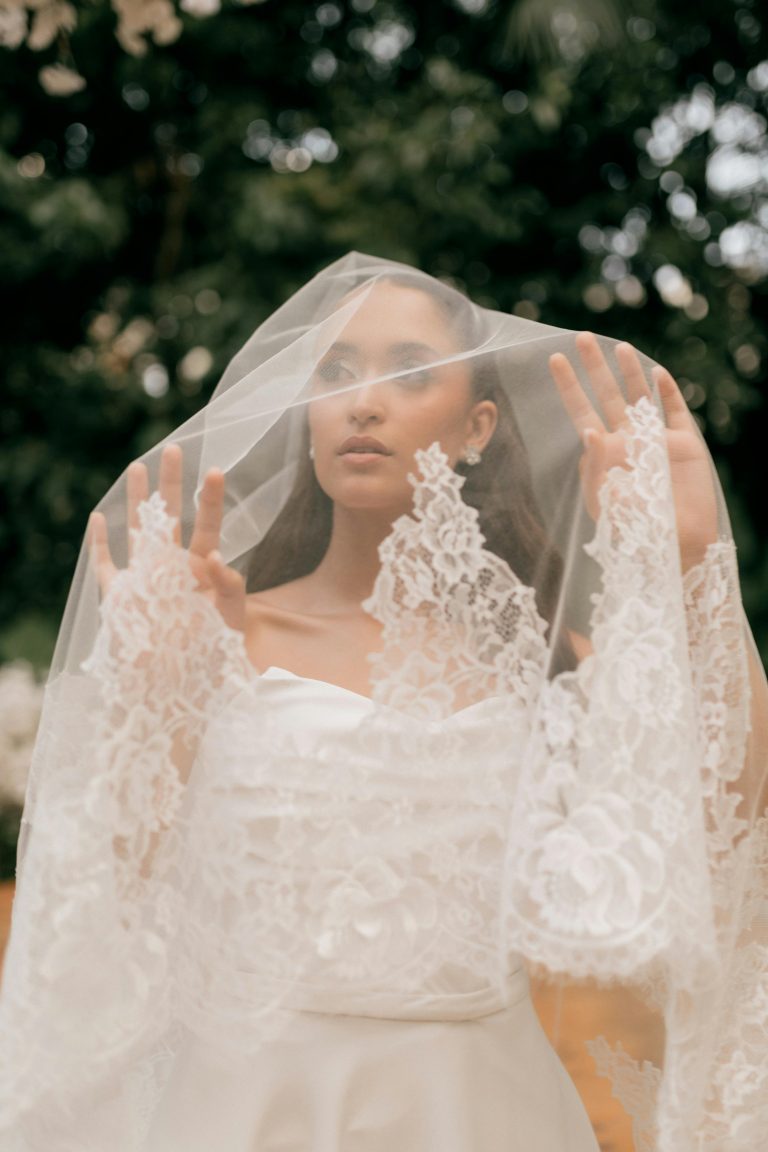
    The wedding veil is arguably the oldest part of the wedding ensemble. There is some contention over its specific history, but most wedding historians pinpoint ancient Greeks and Romans as the first people to wear the wedding veil. According to Julie Sabatino, expert bridal stylist and founder of the The Stylish Bride, brides of this time wore the wedding veil to disguise themselves from evil spirits aiming to spoil their joy. Some accounts show that veils were red in hue to symbolise the fire of the betrothed’s commitment as well as to ward off evil spirits.

    Wedding historian Susan Waggoner speaks of the Christian symbolism of the veil, telling Brides.com that in ancient times, people “wrapped brides from head to toe to represent the delivery of a modest and untouched maiden.” These were also the days of arranged marriages, when a bride’s virginity was her most important marker. The veil thus became a way of representing modesty and purity. The veil also acted as a method of concealing the bride’s face to the groom to prevent him from getting cold feet and running away from the stranger he was about to marry.

    In Judaism biblical times, the groom would place the veil on his bride as a symbol that he was marrying her for her inner beauty.

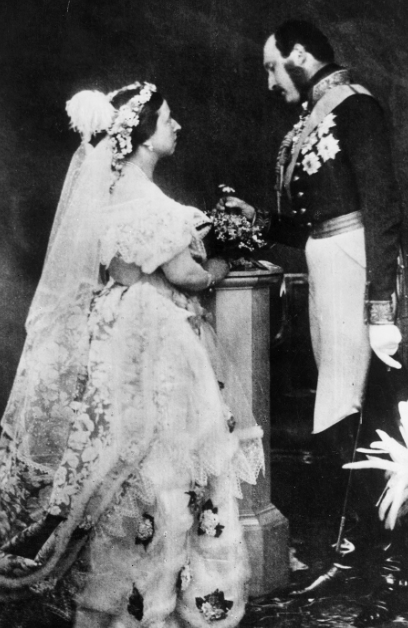
    The 18th century saw the veil fall out of fashion as brides opted for caps, bonnets, tiaras, jewels, wreaths and other adornments. However, they came back in style when Queen Victoria donned a four yards (3,7m) by 0.75 yards (0.7m) wide veil during her wedding to Prince Albert on 10 February, 1840. Following her iconic wedding, the veil became a symbol for wealth, status and style. The length, weight and quality of the veil all spoke highly of the status of the bride. This is why royal brides traditionally wore the longest veils.

    Roger Fenton / Getty Images

    The wedding veil today

    Today, the wedding veil is largely seen as an optional accessory. Many brides opt out of wearing wedding veils. Some consider it too traditional and unnecessary, others just don’t like the look. However, it is still quite popular and is largely used as another fashionable element to your Big Day. Many celebrity brides have famously donned the wedding veil, including Ciara, Princess Diana, Kim Kardashian and Duchess Meghan Markle.


    View this post on Instagram


    A post shared by ?Ти наречена??Тобі до нас? (@wed_org) on

    Picture: Unsplash

    Every bride wants to look and feel incredible on her wedding day. Setting a wedding date may be just the perfect motivation needed to get to your goal weight.

    We asked Loredana Loots, an integrative nutrition and holistic health coach for her expert opinion on how to get into the best shape of your life.

    1. Set a realistic goal

    “Instead of going crazy and trying to reach an unattainable goal, start by adopting healthy and consistent habits that can easily become part of your lifestyle.This will not only help you in your journey of looking your best, but will strengthen your immune system and give you a much-needed mood and energy boost during the stressful planning times. It’s also important to not put too much pressure on yourself, or you’ll risk damaging your health as well as your mental wellbeing,” explains Loots.

    2. On your plate

    “Choose to eat real, whole foods (food in its natural state) whenever you can. These have not been processed, refined or altered and will provide you with the most nutrients,” says Loots.

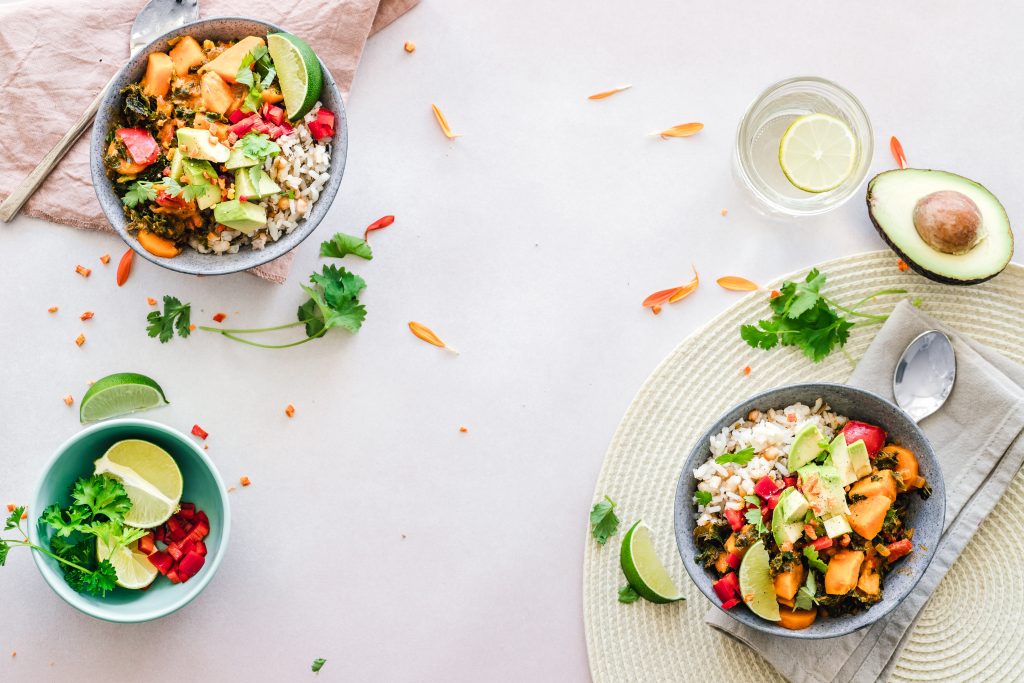
    “Try to include a balance of the following foods everyday: Veg out: At least half of your plate should consist of fruit and vegetables. The power of plants is unbelievable. They are the most nutrient-dense foods on the planet! Rich and diverse in vitamins, minerals and phytonutrients, these are the nutrition superheroes you should always rely on. Aim to eat the rainbow.”

    Protein please: Eggs, lean meat, poultry and fish (organic and pasture-raised if possible). Beans, legumes, raw nuts and seeds. Broccoli, watercress, green peas, spinach, Brussels sprouts, kale, asparagus and spirulina. A quarter of your plate should consist of protein.”

    Whole grains and friendly fats: Not all carbs and fats are enemies! They are vital for a healthy bodyweight and good health. Whole grains should take up the remaining quarter of your plate. Try out quinoa, brown and wild rice, buckwheat or rolled oats. 1 to 2 tablespoons of healthy fats such as extra virgin olive oil, raw nuts and seeds, avocado, tahini, nut butters and organic coconut oil added to every meal will ensure the absorption of vitamins, balance your mood and nourish your hair, skin and nails. Fatty fish such as wild caught salmon, mackerel, sardines and anchovies are also high in essential omega-3 fats.”

    “Drink up: Water, that is! Something so obvious but often overlooked. Add a squeeze of lemon, apple cider vinegar and a dash of ginger for a natural detox, to fight the bloat and encourage glowing skin. Herbal teas without milk and sugar also count.”

    “Cold feet: Avoid or limit sugar ,processed/junk food, refined carbs and gluten, conventional dairy (plain Greek yoghurt in moderation), excessive alcohol, caffeine and salt.”

    “Snack attack: Keep healthy snacks on hand to beat any cravings and the 4pm slump. Raw nuts, fruit, dry and lean biltong, veggie soup, air-popped popcorn, boiled eggs, etc.”

    3. Get moving

    “Aim for at least 30 minutes of exercise 5-6 days per week. Mix it up, keep your body guessing for maximum benefits. Try to do a variety of workouts every week in the form of strength training, weighted, resistance and body weight workouts that target the legs, glutes, back, biceps & triceps, chest, abs and shoulders,” says Loots.

    “Encourage more movement through pilates, HIIT, Zumba and Barre classes to tone, increase cardio health and muscle-to-fat ratio. Low intensity, restorative workouts like yoga, walking, casual swimming and cycling are ideal for ‘active rest’ days.”

    Last, but definitely not least…

    “Your wellness and state of mind is just as important as what you put in your body, and the exercise you do. Adopt some of these habits early on and they too will soon be part of your daily routine:
    – Get enough sleep and priorities a healthy routine. Try to go to bed and wake up at the same time everyday.
    – Avoid caffeine after 2pm
    – Try not to use electronics 2 hours before bed
    – Eat your last meal of the day atlas 2 hours before you go to bed
    – Wind down with a good book, a warm bath, aromatherapy, a soothing tea such as chamomile, meditation or controlled breathing, or a combination of them all!”

    Get in contact: Loredana Loots – [email protected]
    Facebook: Nourish To Flourish Health and Wellness Coach
    Instagram: @nourishtoflourish_with_lore

    Picture: Unsplash